Unitree H1 Masters Smartphone App Control
Robot Details
Unitree H1 • Unitree RoboticsPublished
December 16, 2025
Reading Time
4 min read
Author
Origin Of Bots
Announcement and price
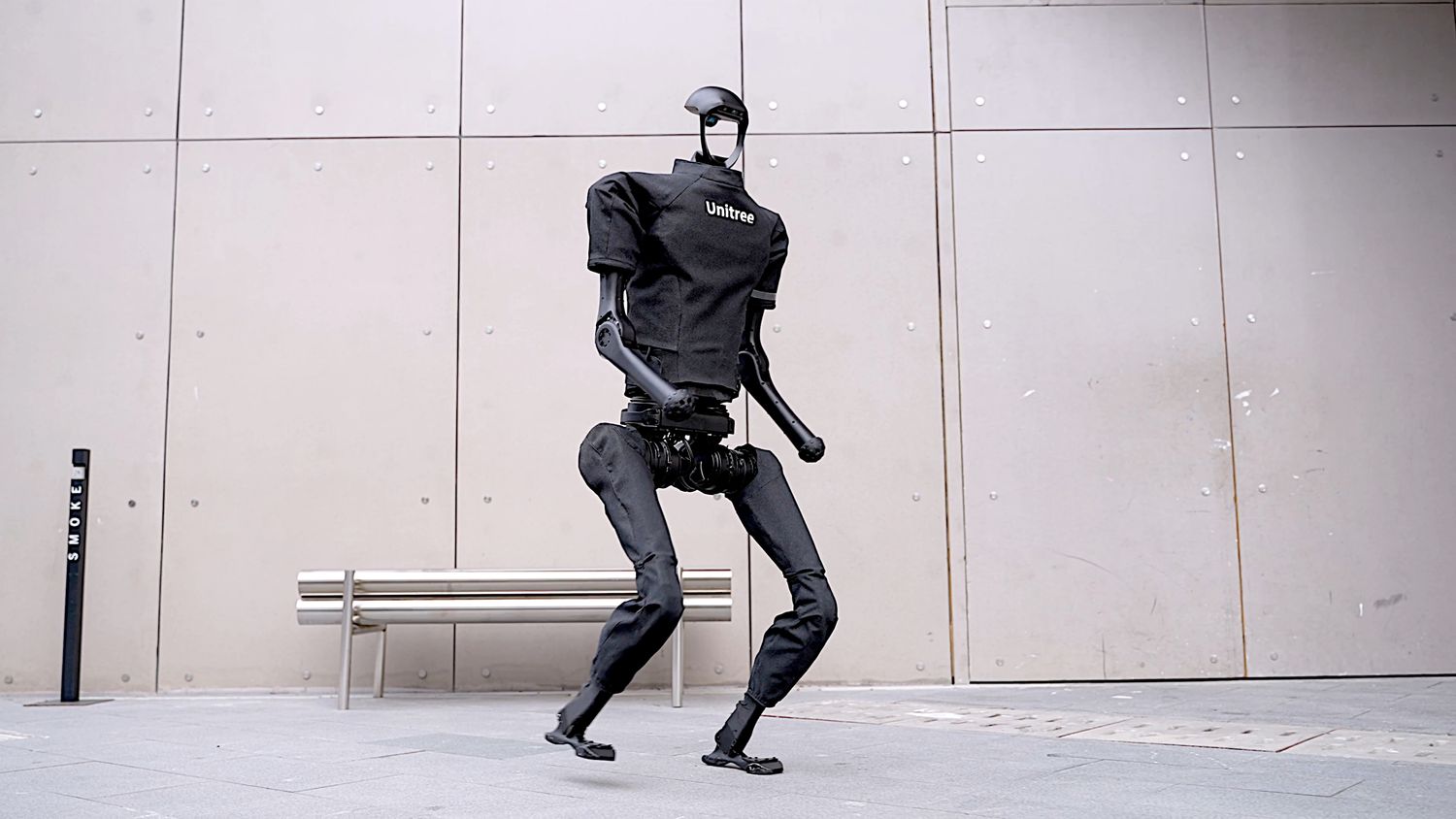
Unitree Robotics today unveils the H1, a full-size humanoid debut that comes to market as a research-and-industry platform priced under $90,000, a move designed to accelerate developer access and commercial pilots. The launch emphasizes immediate smartphone app control for teleoperation and oversight, promising intuitive remote tasking for labs, warehouses, and demo floors; Unitree says this combination of affordability and app-native control shortens the integration timeline that traditionally slows humanoid deployments.
What it can do
The H1 distinguishes itself with high-speed bipedal locomotion and versatile manipulation, able to traverse cluttered factory floors, operate tools, and ferry equipment-sized payloads without human riders. Its dual-arm reach and robust joint motors allow precision work like screw-driving and object handoff, while on-device autonomy and the smartphone interface let operators switch between autonomous missions and real-time telepresence. That design blend targets research teams, integrators, and service outfits seeking an adaptable humanoid that can both learn and be directed on the fly.
Engineering breakthroughs
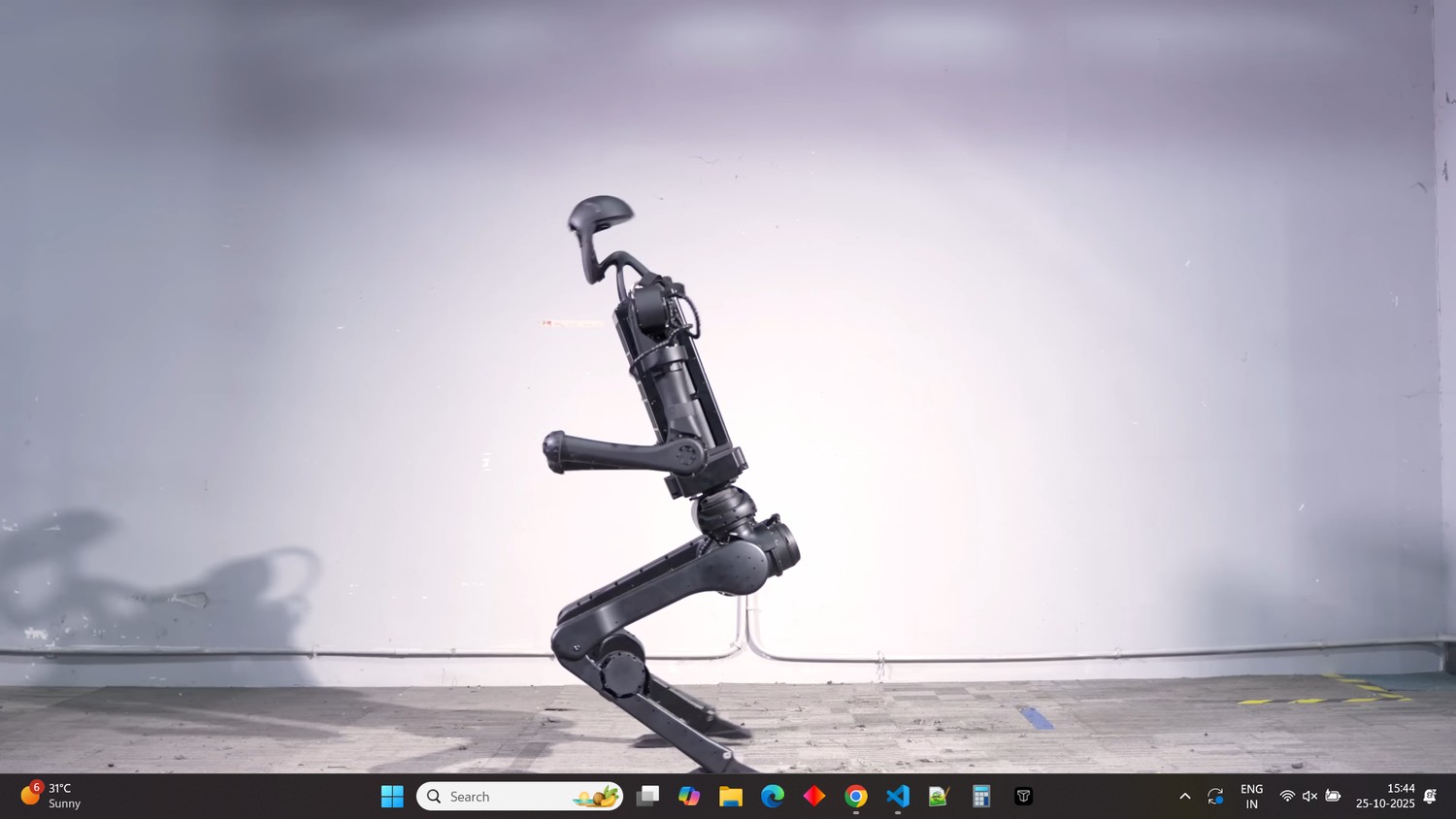
Under the shell the H1 relies on Unitree’s M107 high-torque joint motors and a dual-computer architecture to separate time-critical motion control from higher-level AI, enabling rapid reflexes and complex perception at once. The robot’s actuators and low-inertia rotor design deliver high torque density for dynamic balance and impact recovery, while software built on ROS and a Linux kernel provides C++ and Python APIs for custom stacks. Combined, these engineering choices enable fast closed-loop control and easier developer prototyping than many legacy humanoid platforms.
Where it works best
Early field scenarios show the H1 performing repetitive intralogistics tasks, research labs running dexterity experiments, and service demos that require safe public interaction; the smartphone app makes it simple for non-experts to pilot the robot during trials. In warehouses the H1 can move between workstations carrying packages and tools, in R&D it acts as a modular testbed for perception and manipulation algorithms, and in controlled service contexts it can augment human teams for inspection, pick-and-place, and guided customer engagement.
Technical profile
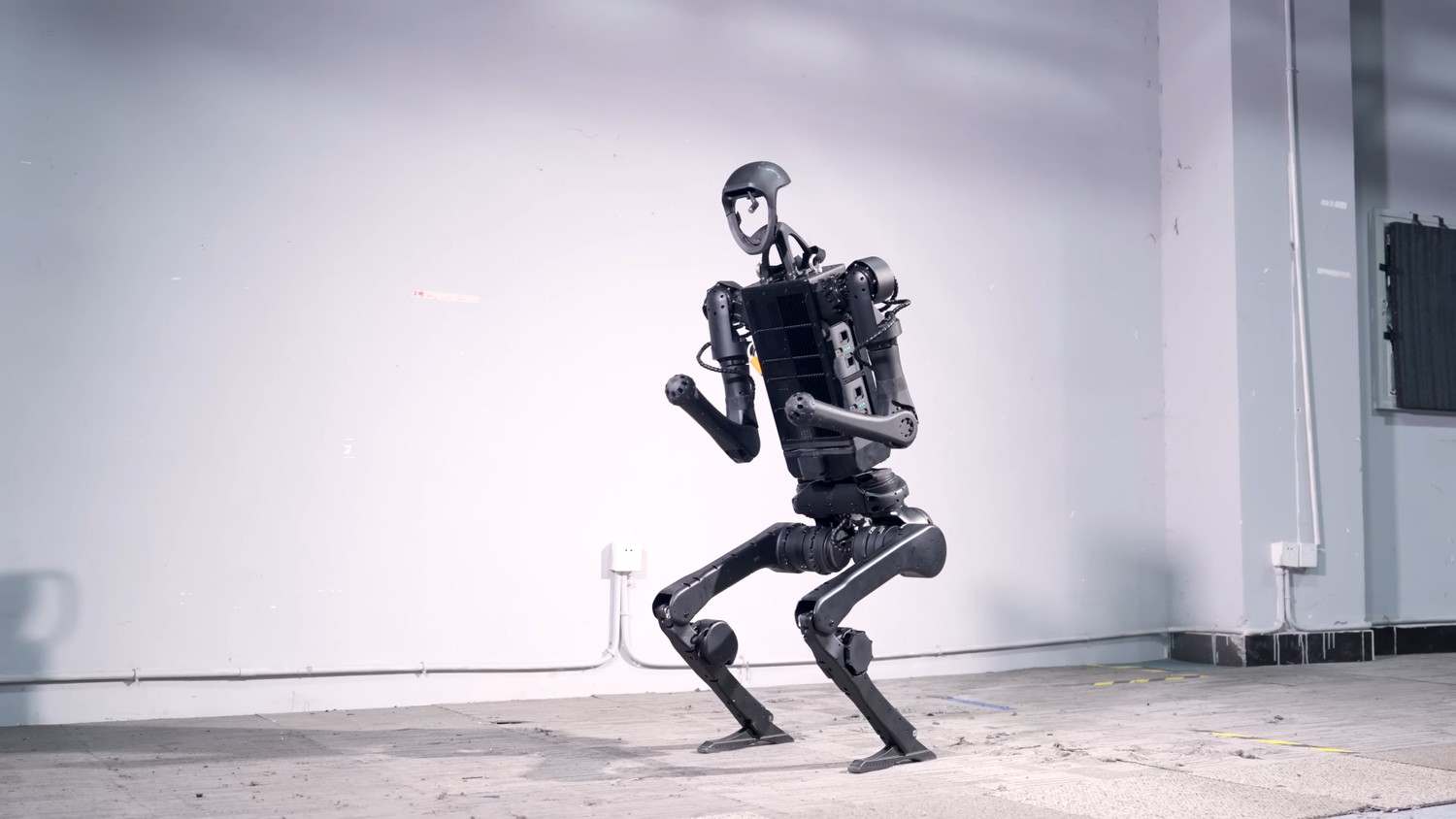
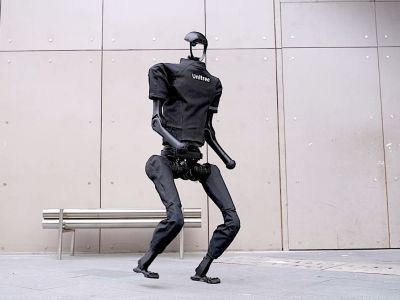
The H1 measures roughly 180 cm tall by 57 cm wide and about 22 cm thick, optimized for human-scale reach and passage through standard doorways, and supports top speeds above 3.3 m/s with potential bursts beyond 5 m/s; battery systems in this class typically last three to five years under normal robotics cycling expectations. Its sensor suite pairs 3D LiDAR with an Intel RealSense D435i depth camera, plus IMU, joint encoders, and force sensors, while navigation fuses 3D LiDAR SLAM, depth-camera spatial mapping, and inertial navigation. The payload focus is tools, packages, and research equipment rather than human transport, and safety systems include emergency stop, obstacle avoidance, active balance recovery, and fall-detection braking. The software stack is ROS-based on a Linux kernel with C++ and Python APIs, supporting developers and integrators out of the box.
Side-by-side verdict
Against Unitree’s own R1 and H2, plus the G1 and the F-Series, the H1 stakes out a middle ground: it is more dexterous and human-sized than the R1 and G1 quadrupeds, delivering task-specific manipulation the legged G1 cannot, while offering broader manipulation than the lighter, faster R1. Compared to the H2, the H1 trades some payload or upgraded arm DOF found on H2 variants for a lower entry price and earlier app-focused usability. Versus the F-Series industrial platforms, the H1 wins on bipedal reach and human-environment compatibility but concedes some raw lifting capacity and task-specialized tooling. In short, H1’s strengths are accessibility, mobility, and an app-first control model; its trade-offs are not being the heaviest lifter or the most highly articulated manipulation option in Unitree’s lineup.
Industry ripple effects
The H1’s combination of sub-$90k pricing, smartphone control, and a developer-friendly ROS stack could accelerate humanoid trials across universities and small integrators, lowering the barrier to real-world experimentation and commercial pilots. As more teams iterate on perception and manipulation modules in the field, expect a faster convergence of software ecosystems and more third-party accessories tailored to humanoids; this could pressure rivals to prioritize usability and affordability over purely headline performance, reshaping procurement choices for labs and early-adopter enterprises.
Explore Humanoids
Related Articles
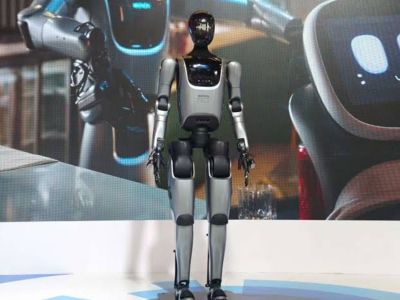
XMAN-F1 Partners Johnnie Walker, M104 for AI Bartending Breakthrough
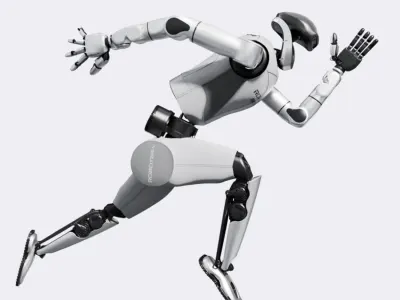
RobotEra L7 Racing Into Warehouses: 14.4 km/h Humanoid Cuts Picking Costs with ERA‑42 Deal

Clone’s Protoclone V1 Mirrors Human Muscles with 1,000 Myofibers, 500 Sensors
Samsung Bot Handy 2 Integrates Google Gemini, Boosts Dexterity with 3kg Dual-Arm Grip
Related Comparisons
Compare Unitree H1 with similar robots
Unitree G1 vs Unitree H1
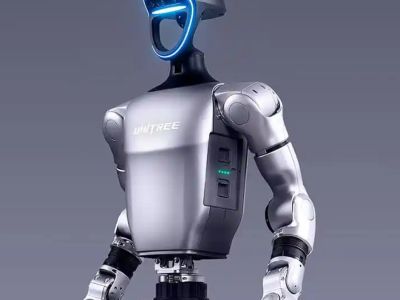
Head-to-head: Unitree G1 vs Unitree H1 compared on bipedal balance, AI learning, and real-world deployment.

Optimus vs Unitree G1
Compare Optimus vs Unitree G1 for humanoid mobility, dexterity, autonomy, and payload capacity.
Unitree G1 vs AgiBot X2-N
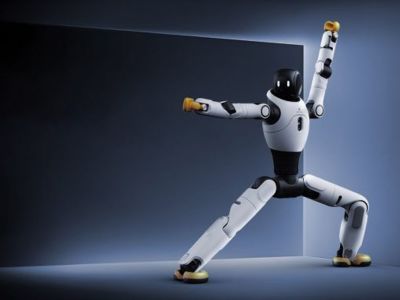
Compare Unitree G1 vs AgiBot X2 for humanoid mobility, dexterity, autonomy, and payload capacity.
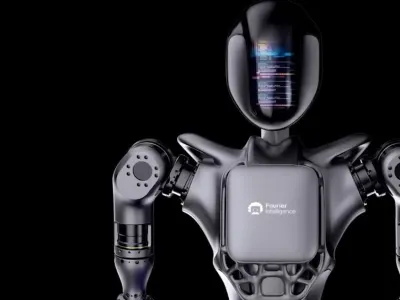
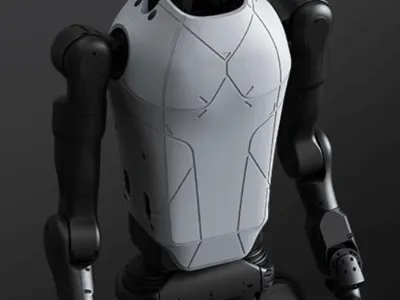
GR-1 vs Unitree H1-2
Head-to-head: GR-1 vs Unitree H1-2 compared on bipedal balance, AI learning, and real-world deployment for research and care.
Learn More About This Robot
Discover detailed specifications, reviews, and comparisons for Unitree H1.
View Robot Details →