Unitree Unveils R1 Humanoid Revolution
Robot Details
Unitree R1 • Unitree RoboticsPublished
December 13, 2025
Reading Time
3 min read
Author
Origin Of Bots
Launch Sparks Buzz
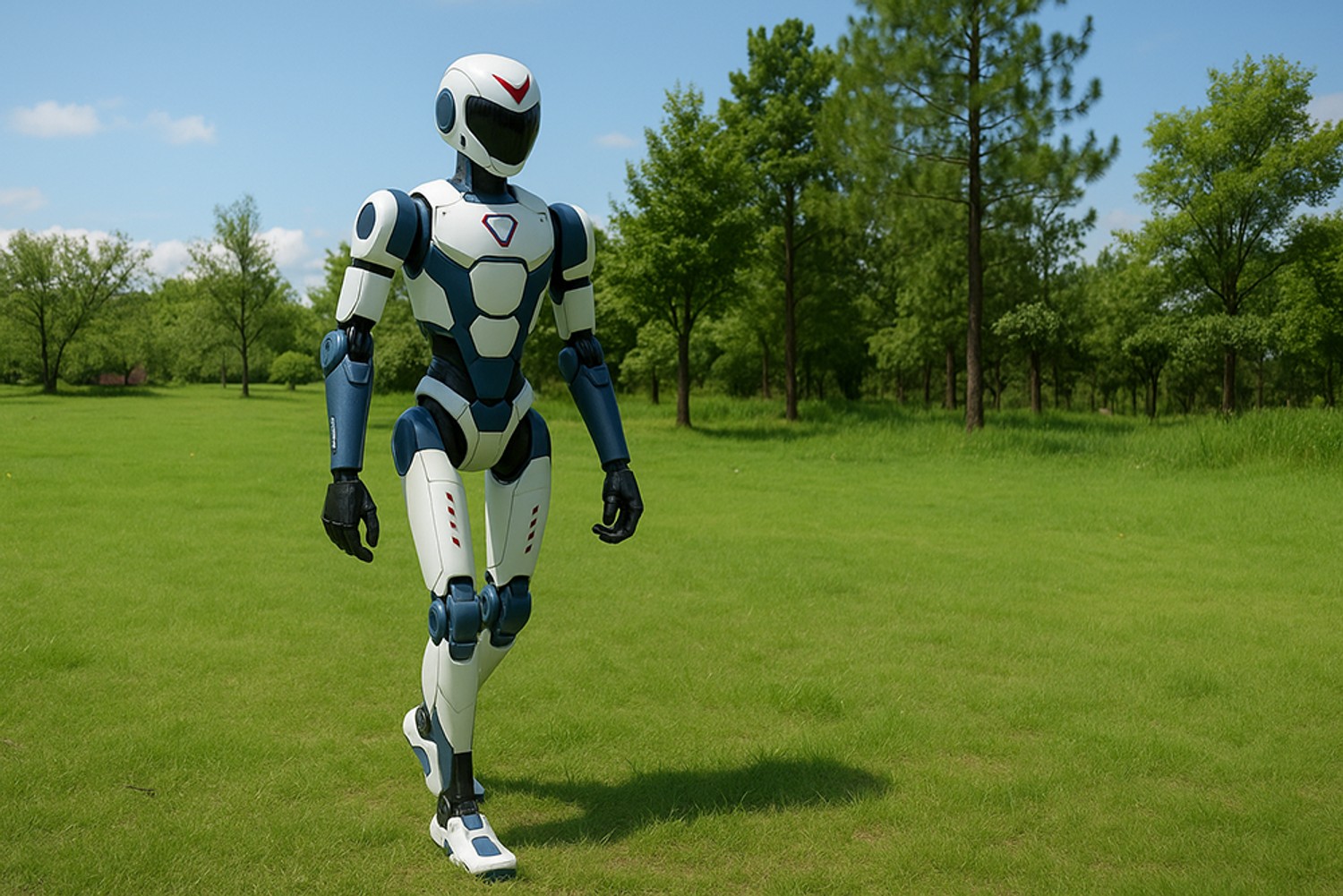
Unitree Robotics debuts the R1, a compact bipedal humanoid priced from just $5,900, shattering barriers to entry in advanced robotics. Announced amid surging demand for affordable AI companions, this 123 cm tall machine arrives ready to disrupt labs and classrooms worldwide. Unlike pricier predecessors, the R1 introduces teen-sized agility at a fraction of the cost, empowering developers to prototype breakthroughs without multimillion-dollar investments. Its timely launch aligns with global pushes for accessible STEM tools, positioning Unitree as the disruptor redefining humanoid accessibility for innovators everywhere.
Agility Redefined
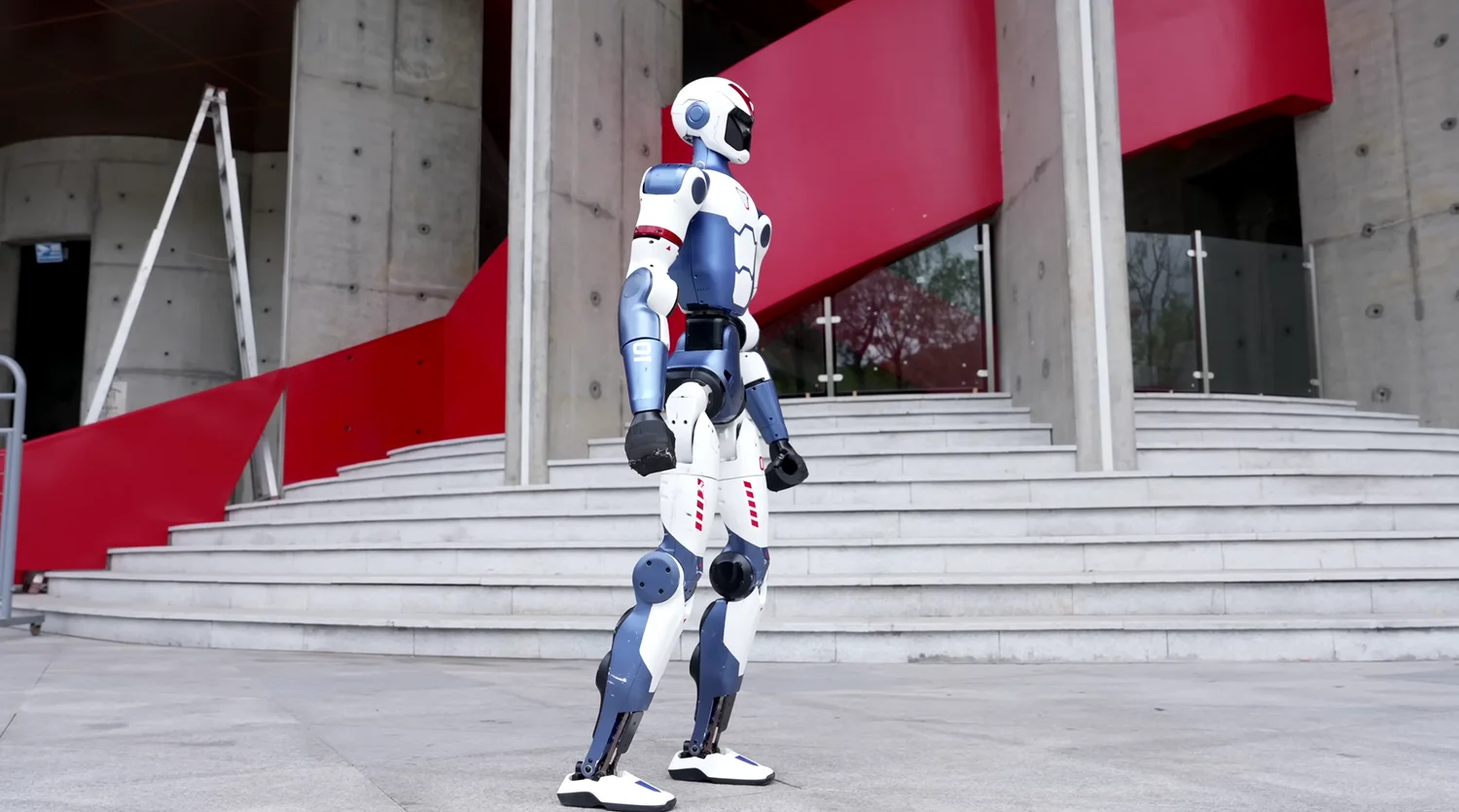
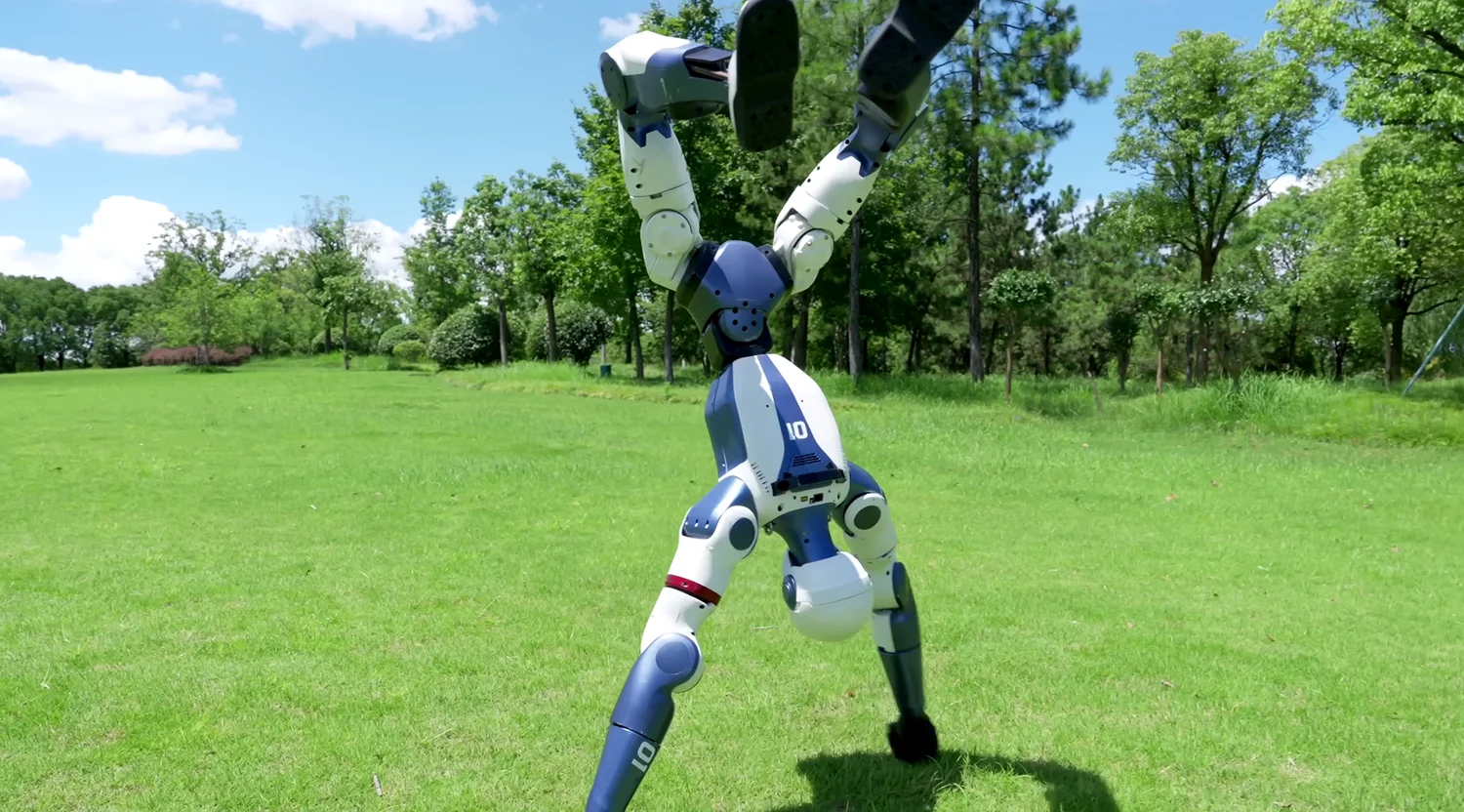
The R1 captivates with fluid acrobatics, executing side flips, handstands, and rapid punches that mimic human dexterity. Fixed fist hands deliver precise strikes while its lightweight 29 kg frame enables explosive bursts across uneven terrain. Developers praise the integrated multimodal AI for seamless voice commands and image processing, turning complex interactions into intuitive exchanges. This fusion of raw athleticism and responsive smarts sets the R1 apart, transforming static demos into dynamic spectacles that engage audiences instantly.
Engineering Marvels
Powering the R1's feats are low-inertia PMSM motors in 26 joints, paired with crossed roller bearings for whisper-quiet, high-speed responses. An 8-core CPU handles real-time balance, bolstered by optional NVIDIA Jetson Orin for up to 100 TOPS in educational setups. Hollow wiring and internal routing minimize snags during wild maneuvers, while local air cooling sustains peak performance. These innovations yield a maintenance-friendly design, where every component prioritizes durability and tweakability for relentless experimentation.
Everyday Transformations
Imagine R1 starring in university labs, where students program it for crowd-pleasing flips during open houses, or in maker spaces prototyping gesture-based interfaces. Entertainment venues deploy it for interactive shows, drawing gasps with spin-kicks synced to music. Researchers leverage its open SDK to test novel algorithms, accelerating discoveries in balance control. From STEM workshops inspiring the next generation to rapid prototyping for custom behaviors, the R1 bridges theory and practice, making humanoid tech tangible for creators beyond elite firms.
Specs Unleashed
Clocking speeds up to 1.5 m/s—matching a casual jog—this legged biped boasts binocular stereo cameras, IMU, joint-angle encoders, a 4-mic array, and force/torque sensors for nuanced awareness. Its proprietary Unitree OS offers Python/C++ APIs and OTA updates, though it skips onboard SLAM, GPS, or LiDAR for navigation. Batteries endure ~5 years or 1,000 cycles per module, with ~1-hour runtime. Safety shines via emergency stop, torque limits, and alerts, while fixed hands preclude payload tasks, honing focus on pure mobility research, education, and demos.
Rivals Outpaced?
Slimmer and nimbler than the bulkier Unitree G1 (35 kg) or H1, the R1 trades height for superior flips and falls recovery, out-agiling the heavier H2 (47 kg) at half the weight. Against the pricier T1 Humanoid, it wins on affordability without sacrificing 26 DOF coordination. Verdict: R1 excels in budget-friendly dynamism for devs, but lags competitors in height, battery endurance, and manipulation—ideal for agile prototyping over industrial hauls, prioritizing speed and access over raw power.
Robotics Reshaped
With R1's sub-$6,000 entry, Unitree propels humanoid adoption into mainstream R&D, slashing costs that once gated progress. Expect a surge in indie projects, from AI training datasets to viral edutainment, fueling industry-wide innovation. As competitors scramble to match this price-agility combo, Unitree cements dominance in developer ecosystems. Long-term, R1 paves trajectories for scaled deployments in homes and factories, heralding an era where bipedal bots evolve from novelties to everyday enablers.
Explore Humanoids
Related Articles
XMAN-F1 Partners Johnnie Walker, M104 for AI Bartending Breakthrough
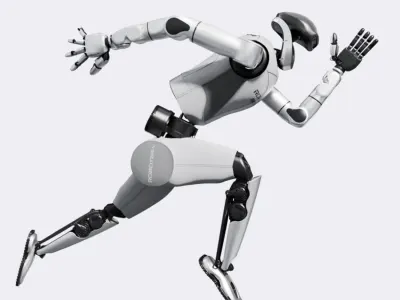
RobotEra L7 Racing Into Warehouses: 14.4 km/h Humanoid Cuts Picking Costs with ERA‑42 Deal

Clone’s Protoclone V1 Mirrors Human Muscles with 1,000 Myofibers, 500 Sensors
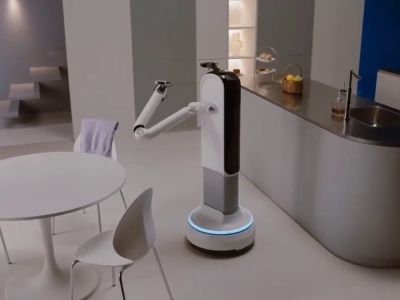
Samsung Bot Handy 2 Integrates Google Gemini, Boosts Dexterity with 3kg Dual-Arm Grip
Related Comparisons
Compare Unitree R1 with similar robots

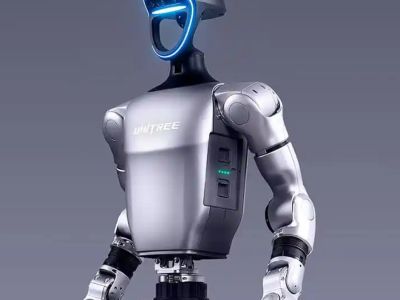
Optimus vs Unitree G1
Compare Optimus vs Unitree G1 for humanoid mobility, dexterity, autonomy, and payload capacity.
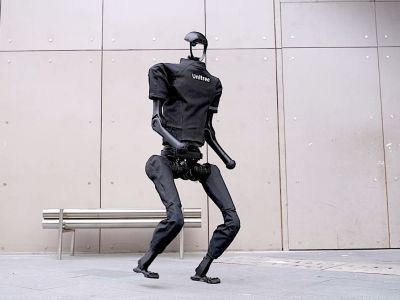
Unitree G1 vs Unitree H1
Head-to-head: Unitree G1 vs Unitree H1 compared on bipedal balance, AI learning, and real-world deployment.
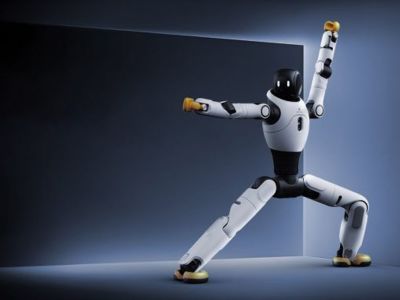
Unitree G1 vs AgiBot X2-N
Compare Unitree G1 vs AgiBot X2 for humanoid mobility, dexterity, autonomy, and payload capacity.
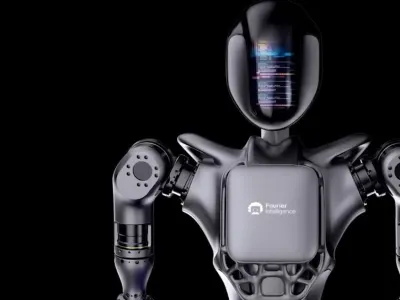
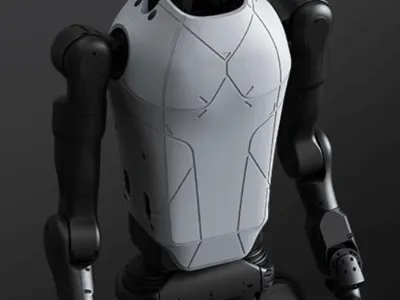
GR-1 vs Unitree H1-2
Head-to-head: GR-1 vs Unitree H1-2 compared on bipedal balance, AI learning, and real-world deployment for research and care.
Learn More About This Robot
Discover detailed specifications, reviews, and comparisons for Unitree R1.
View Robot Details →