Cruzr S2 vs AgiBot A2 Lite at a glance
Cruzr S2 is quicker, with a top speed of 2 m/s versus 0.8 m/s for AgiBot A2 Lite. Cruzr S2 has more degrees of freedom (44 against 23 for AgiBot A2 Lite), which allows finer movement. AgiBot A2 Lite is the more affordable option at $44,560, while Cruzr S2 costs $80,000.
Which one fits your use?
Based on the uses each robot is built and marketed for. Open a use to see the specs that matter for it.
| Comparing for… | Cruzr S2 | AgiBot A2 Lite |
|---|---|---|
| Suited | Not listed | |
| Suited | Not listed | |
| Suited | Suited |
- Pick Cruzr S2 for warehouse and logistics work and factory and manufacturing work.
- Both suit hospitality, retail and public-facing roles, so compare the specs for that use.
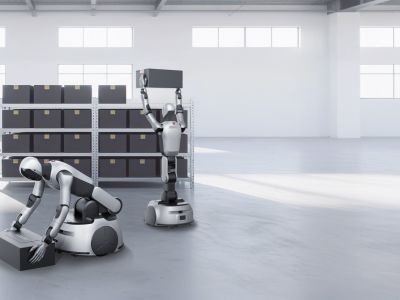
Cruzr S2 is UBTECH Robotics' full-size wheeled humanoid, introduced in August 2025. It stands 176 cm tall, has 44 degrees of freedom, moves at 2 m/s and uses Gen-4 industrial dexterous hands to sort and assemble components.
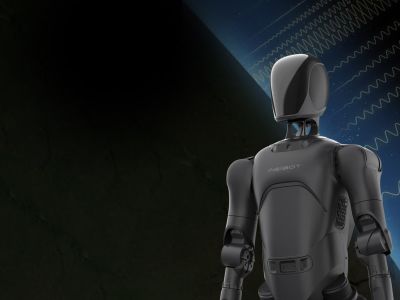
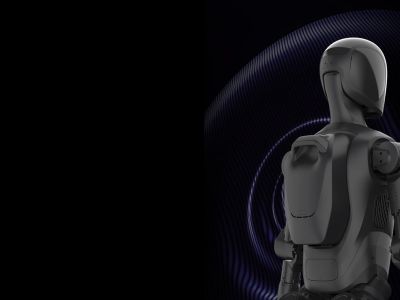
AgiBot's A2 Lite is a performance version of its A2 biped, priced at $44,560 on AgiBot's global store. The 169 cm, 63 kg robot has 23 degrees of freedom and walks at up to 0.8 m/s, and instead of perception or speech AI it comes with a library of routines from handshakes to tai chi and Peking opera.
Detailed Analysis
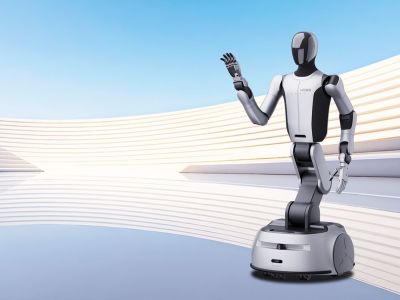
Cruzr S2
Design & Build Quality
Cruzr S2 is a 176 cm wheeled humanoid with 44 degrees of freedom, 22 of them in its two 11-joint hands, and a waist that rotates ±170°, bends from +90° to -35° and lifts 40 cm. AgiBot A2 Lite is a 169 cm, 63 kg biped with 23 degrees of freedom (five in each arm, six in each leg and one in the head), joints producing up to 270 N·m and soft prosthetic hands. Cruzr S2 concentrates its joints in dexterous hands for real handling. A2 Lite's simpler hands are designed for gestures in performances.
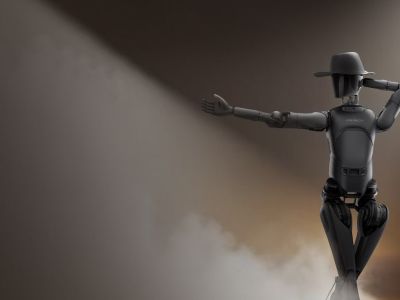
AgiBot A2 Lite
Mobility & Navigation
Cruzr S2 rolls at 2 m/s, turns around in a 0.8 m passage and steers with stereo vision plus radars at the front and rear of its base. AgiBot A2 Lite walks at up to 0.8 m/s on flat floors, handling steps of up to 20 mm and slopes of up to 8%, and needs passages wider than 1 m under remote control or 2 m when walking on its own. Cruzr S2 is faster and fits narrower spaces. A2 Lite's walking is part of the show rather than a way of getting work done.
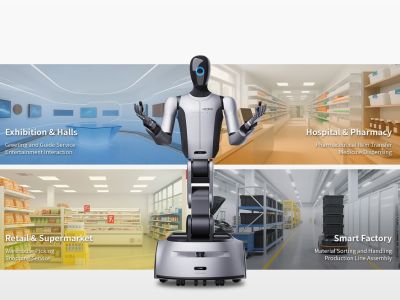
Cruzr S2
Sensors & Perception
Cruzr S2 sees through two fisheye and two RGB cameras plus RGB-D cameras in its chest and base, with radars at both ends of its base, six-axis force sensors in its wrists and tactile arrays in its hands. AgiBot lists perception as not supported on the A2 Lite, so it has no camera-based vision package. Cruzr S2 can find and handle objects on its own. A2 Lite performs without seeing its surroundings.
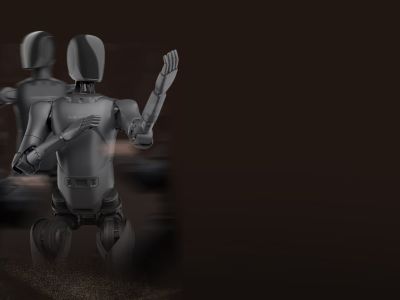
AgiBot A2 Lite
AI Capabilities
Cruzr S2 plans work with UBTECH's Co-Agent, which UBTECH calls the first industrial agent for humanoid robots, and talks with people through a large language model. AgiBot A2 Lite has no speech or perception AI; it performs pre-built routines from an action library, and new moves can be recorded through an optional VR teleoperation kit. Cruzr S2 can hold a conversation and plan tasks. A2 Lite is a choreographed performer.
Cruzr S2
Battery & Power Efficiency
AgiBot A2 Lite runs for about 1.5 hours of walking, or 4 hours 35 minutes standing, on a hot-swappable 14.4 Ah battery that recharges in 2 hours. UBTECH has not published Cruzr S2's battery capacity or runtime; it charges through a fast-charging port in its base. A2 Lite's swappable battery keeps performances running with a spare pack. Ask UBTECH for Cruzr S2's runtime under your workload.
AgiBot A2 Lite
Use-Case Suitability
Cruzr S2 is aimed at sorting and component assembly, wider enterprise operations and customer-facing service. AgiBot sells the A2 Lite for entertainment, cultural and commercial performances, with routines such as handshakes, tai chi, Peking opera and optional dances. Both can greet people, but only Cruzr S2 can talk with them and do practical work. Choose Cruzr S2 for sorting, assembly and customer service on wheels, or A2 Lite for scripted performances and entertainment.

Cruzr S2
Safety Features
Cruzr S2 has an emergency stop button, radars at the front and rear of its base and force sensing in its wrists. AgiBot A2 Lite has a low-power alarm, self-balancing, collision avoidance and a wireless emergency stop switch, and its joint modules are rated IP5X against dust. A2 Lite's wireless stop lets an operator halt a performance from a distance. Cruzr S2's radars and wrist sensing suit work close to staff and customers.
AgiBot A2 Lite
Software Ecosystem
Cruzr S2 runs UBTECH's Co-Agent industrial agent with learning-based motion control and offers Gigabit Ethernet and USB 3.0 for wired integration. AgiBot A2 Lite is deployed through AgiBot's AIMMASTER client, with optional group-control software and a skill-pack shop for new routines. UBTECH's software is built for enterprise tasks. AgiBot's is built for choreographing shows, including several robots at once.
Cruzr S2
Pricing & Value
AgiBot's global store lists the A2 Lite at $44,560, while Cruzr S2 costs around $80,000. A2 Lite is the cheaper way to put a walking humanoid on stage. Cruzr S2's higher price buys perception, dexterous hands, voice interaction and practical work skills. For entertainment A2 Lite is better value; for any job that needs handling or conversation, only Cruzr S2 fits.
Capabilities & Operational Tasks
Head-to-head comparison of what Cruzr S2 and AgiBot A2 Lite can do, their applications, and capabilities.
What Can Cruzr S2 & AgiBot A2 Lite Do?
142 tasks listed for both, 11 only for Cruzr S2, 1 only for AgiBot A2 Lite.
Technical Specifications
Cruzr S2 and AgiBot A2 Lite differ on 41 of the 53 specifications listed for both.
Functional Utility & Use Cases
4 Comparative Metrics
Manipulation & Load Capacity
4 Comparative Metrics
Kinematic Architecture & Dexterity
4 Comparative Metrics
Related Comparisons
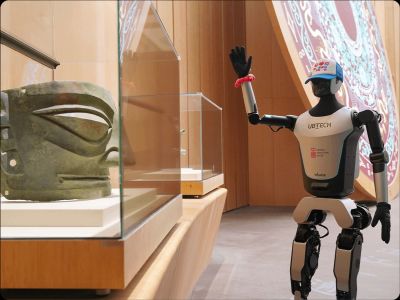
Walker C vs Cruzr S2
Walker C vs Cruzr S2: UBTECH's walking reception humanoid against its wheeled assembly and service humanoid, compared on build, hands and uses.
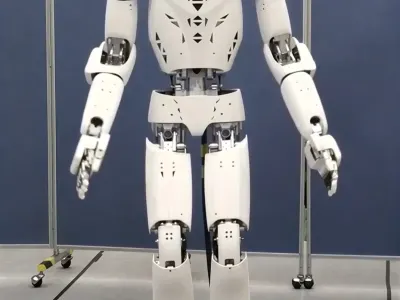
AgiBot A2 Lite vs Kaleido 8.0
AgiBot A2 Lite vs Kaleido 8.0: AgiBot's performance humanoid against Kawasaki's robust bipedal humanoid, compared on size, mobility, sensors, AI and best uses.
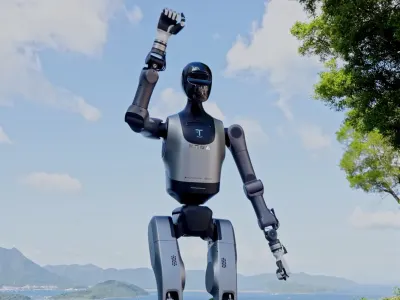
Cruzr S2 vs Walker Tienkung
Cruzr S2 vs Walker Tienkung: UBTECH's wheeled assembly and service humanoid against UBTECH's full-size research humanoid, compared on specs and uses.
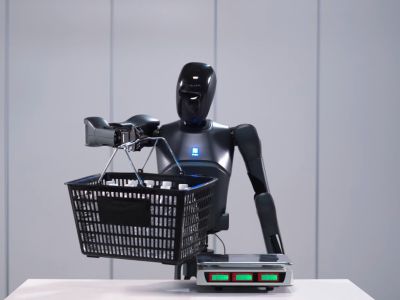
Pudu D7 vs AgiBot A2 Lite
D7 vs AgiBot A2 Lite: Pudu's wheeled semi-humanoid against AgiBot's performance humanoid, compared on size, mobility, sensors, AI and best uses.
Verdicts reflect our research and opinion. Confirm specifications with the manufacturer before buying.