The D7 by Pudu Robotics is a humanoid robot positioned for manufacturing, research, logistics, infrastructure inspection, and remote operations. It differentiates with teleoperation control alongside autonomous and learned behaviors, plus balance-assisted walking navigation. Dimensions measure 170cm x 55cm x 38cm, weight ranges 50-80 kg, and walking speed reaches 1.5-3 m/s. Sensors include RGB cameras, depth camera, LiDAR, IMU, force/torque sensors, gyroscope, accelerometer, and joint encoders. Software runs on Linux-based OS with ROS 2 support and Python SDK.
The Walker Tienkung by UBTECH Robotics targets scientific research, scenario innovation, logistics, rescue missions, and industrial automation. It stands out with stereo cameras, ultrasonic, and temperature sensors, plus indoor SLAM navigation. Dimensions are 172 x 60 x 40 cm, weight is 73 kg, and speed is 7 km/h. Control focuses on autonomous and learned behaviors. Software includes ROS2, proprietary systems, Python, and C++ support.
Detailed Analysis
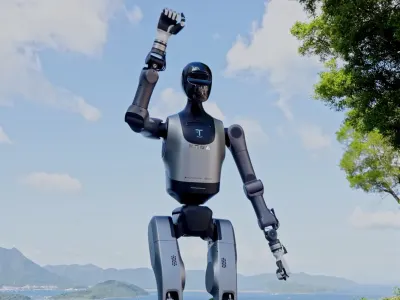
Design & Build Quality
D7 measures 170cm x 55cm x 38cm and weighs 50-80 kg, offering a slimmer profile than Walker Tienkung's 172 x 60 x 40 cm and 73 kg build. Both feature humanoid designs suited for human environments. Walker Tienkung maintains a fixed 73 kg weight, while D7 provides a variable range for potential configuration flexibility.
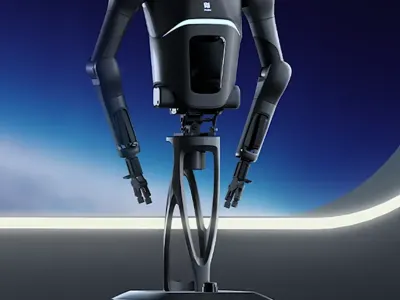
Mobility & Navigation
D7 achieves walking speeds of 1.5-3 m/s using visual SLAM, LiDAR mapping, and balance-assisted walking. Walker Tienkung reaches 7 km/h (about 1.94 m/s) with indoor SLAM, visual SLAM, and LiDAR mapping. D7 includes balance assistance for enhanced stability, while Walker Tienkung emphasizes indoor navigation precision.
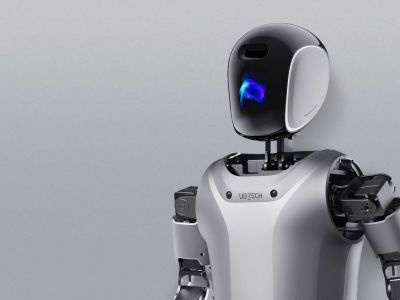
Sensors & Perception
D7 equips RGB cameras, depth camera, LiDAR, IMU, force/torque sensors, gyroscope, accelerometer, and joint encoders. Walker Tienkung adds stereo cameras, ultrasonic, and temperature sensors to RGB cameras, LiDAR, IMU, gyroscope, and force sensors. Walker Tienkung offers broader detection with ultrasonics and temperature monitoring.

AI Capabilities
D7 supports teleoperation, autonomous control, and learned behaviors on Linux-based OS with ROS 2 and Python SDK. Walker Tienkung uses autonomous control and learned behaviors with ROS2, proprietary software, Python, and C++. Both enable task adaptation through learned behaviors, differing in control flexibility.
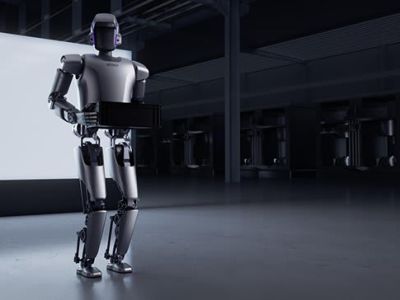
Battery & Power Efficiency
Both D7 and Walker Tienkung provide 3-5 years battery life, supporting extended operations. No specific charging times or capacity details differ between them. This longevity suits prolonged use cases like research and logistics.
Use-Case Suitability
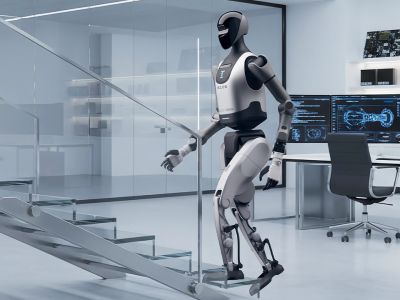
D7 applies to manufacturing, research, logistics, infrastructure inspection, and remote operations. Walker Tienkung serves scientific research, scenario innovation, logistics, rescue missions, and industrial automation. Overlapping logistics use contrasts with D7's remote operations and Walker Tienkung's rescue focus.
Software Ecosystem
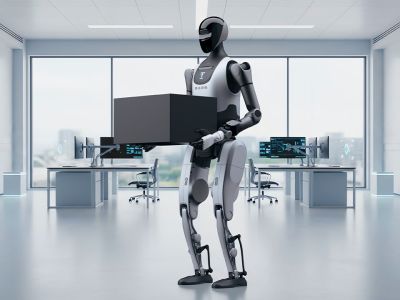
D7 runs Linux-based OS with ROS 2 support and Python SDK for development. Walker Tienkung supports ROS2, proprietary software, Python, and C++. Both leverage ROS2 for compatibility, with Walker Tienkung adding C++ for performance-critical tasks.
Pricing & Value
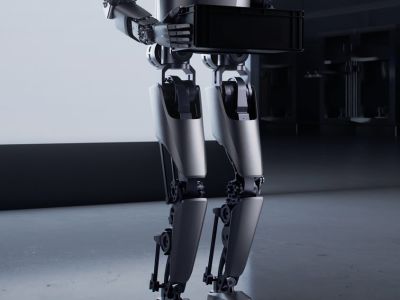
D7 prices at $50,000 - $150,000 estimated, broader than Walker Tienkung's $65,000 - $115,000 range. Overlap exists in mid-price points. Price variations may reflect configuration options or included features.
Safety Features
D7 includes force limiting, collision detection, emergency stop, and redundant sensors. Walker Tienkung features force limiting, collision detection, emergency stop, and collaborative mode. Both share core safety mechanisms, with Walker Tienkung adding collaboration support.
Analysis Score Summary
Total Score
7
D7
VS
Based on Detailed Analysis
Total Score
11
Walker Tienkung
📊 Win: 2 points | Trade-off: 1 point each
Scores are summed across every insight: a clear winner earns 2 points, while balanced trade-offs give each robot 1 point. The total reflects how often each robot outperforms the other (or shares the spotlight) throughout the detailed analysis sections.
Capabilities & Operational Tasks
Head-to-head comparison of what D7 and Walker Tienkung can do, their applications, and capabilities.
What Can D7 & Walker Tienkung Do?
12Core operational tasks, activities, and physical manipulation duties evaluated side-by-side.
| Task & Description | Model AD79 supported | Model BWalker Tienkung5 supported |
|---|---|---|
| Autonomous task execution | High | High |
| Carrying and transport | High | — |
| Collaborative work | — | High |
| Human interaction | High | High |
| Machine operation | High | — |
| Material handling | High | — |
| Move objects | High | — |
| Navigation | — | High |
| Obstacle traversal | — | High |
| Pick and place | High | — |
| Repetitive physical tasks | High | — |
| Sorting | High | — |
Technical Specifications
Head-to-head performance data and metrics
| Specification | Model AD7 | Model BWalker Tienkung |
|---|---|---|
Functional Utility & Use Cases4 Comparative Metrics | ||
Control Method | Teleoperation, autonomous, learned behaviors | Autonomous, learned behaviors |
Use Cases | Manufacturing, research, logistics, infrastructure inspection, remote operations | Scientific research, scenario innovation, logistics, rescue missions, industrial automation |
Multi Robot Coord | Multi-robot coordination via network | Yes |
Pet Friendly | Yes, with safety protocols | Yes, with safety protocols |
Manipulation & Load Capacity4 Comparative Metrics | ||
Carrying Capacity | 10 kg per arm | 1.5 kg |
Deadlift Capacity | 50 kg | 3 kg |
Payload Type | Tools, sensors, industrial equipment | Tools, packages, precision instruments, people interaction |
Modular Attachments | Tool changers, gripper interfaces, sensor mounts | Tool changers, end-effector options |
Kinematic Architecture & Dexterity4 Comparative Metrics | ||
Degrees of Freedom | 30 | - |
Material | Aluminum frame, composite joints, polymer covers | High-strength aluminum alloy, titanium alloy, engineering plastic |
Mobility Type | Wheeled-based | Legged (bipedal walking) |
Hardware Interface | USB-C, Ethernet, GPIO, CAN bus | USB, GPIO, CAN bus, serial |
Functional Utility & Use Cases
4 Comparative Metrics
Manipulation & Load Capacity
4 Comparative Metrics
Kinematic Architecture & Dexterity
4 Comparative Metrics
Related Comparisons
Discover similar robot matchups to expand your knowledge and find the perfect solution
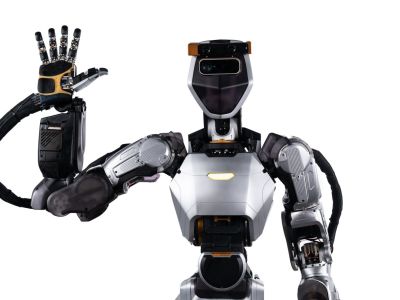
Phoenix vs Walker Tienkung
Compare Phoenix and Walker Tienkung. Detailed analysis of navigation, sensors, and speed.
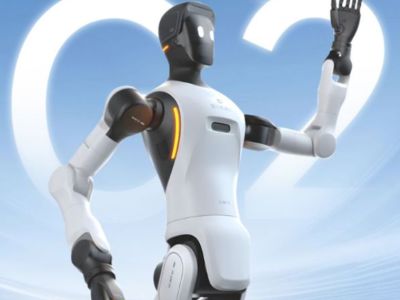
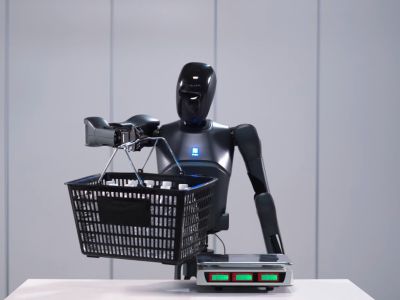
AgiBot G2 vs D7
Compare AgiBot G2 and D7. Detailed analysis of navigation, battery, and sensors.
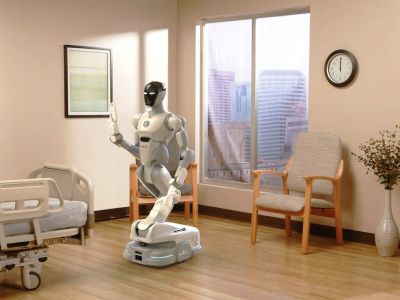
AlphaBot 2 vs Walker Tienkung
Compare AlphaBot 2 and Walker Tienkung. Detailed analysis of navigation, battery, and sensors.
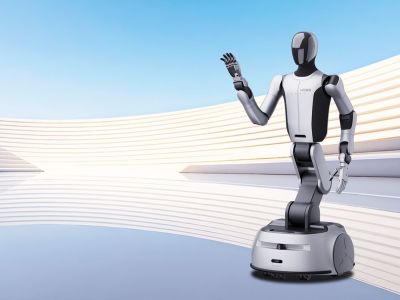
Cruzr S2 vs Walker Tienkung
Which robot wins? Cruzr S2 vs Walker Tienkung compared across navigation, sensors, speed, and software.
Disclaimer
All content, comparisons, and verdicts on this website are based on our research, testing, and opinion. While we strive for accuracy, we do not guarantee the completeness, reliability, or suitability of any information. Performance, specifications, and results may vary depending on usage and conditions. This website and its authors are not responsible for any decisions, actions, or outcomes based on the information provided. Always verify product details with the manufacturer before making purchase or operational decisions.