DJI Avata 360 vs DJI Neo 2 at a glance
DJI Neo 2 is lighter at 151 g, compared with 455 g for DJI Avata 360. DJI Avata 360 reaches further, with a range of 20 km versus 10 km for DJI Neo 2. DJI Neo 2 is the more affordable option at $229–$319, while DJI Avata 360 costs $479. DJI Avata 360 is quicker, with a top speed of 18 m/s versus 12 m/s for DJI Neo 2.
The DJI Avata 360 is DJI's 360° FPV drone, launched in 2026. Two 1/1.1-inch 64 MP sensors capture 8K/60fps 360° video and 120 MP photos, and a Single Lens mode records traditional 4K/60fps FPV footage. At 455 g with built-in propeller guards it flies for up to 23 minutes, reaches 18 m/s in Sport mode and uses omnidirectional obstacle sensing with a forward-facing LiDAR. It starts at $479 for the drone alone.
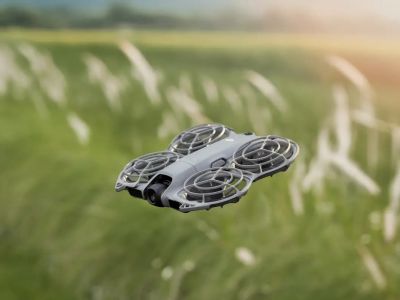
The DJI Neo 2 is a 151 g pocket drone built for effortless selfies and social clips. It takes off and lands from your palm, follows you with ActiveTrack and responds to gestures and voice, with full-coverage propeller guards for safe flying close to people. It flies for about 19 minutes per battery and starts at $229, making it one of DJI's most affordable camera drones.
Detailed Analysis
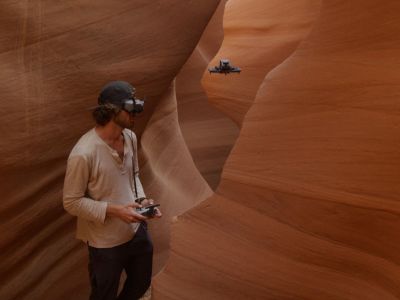
DJI Avata 360
Camera & Image Quality
The DJI Avata 360 records 8K/60fps 360° video and 120 MP photos with two 1/1.1-inch sensors, then lets you reframe any angle afterwards with its virtual gimbal. The DJI Neo 2 records 4K video from a single forward camera, ideal for quick selfies and vlog clips. The Avata 360 delivers far more resolution and creative freedom, while the Neo 2 keeps capture simple.
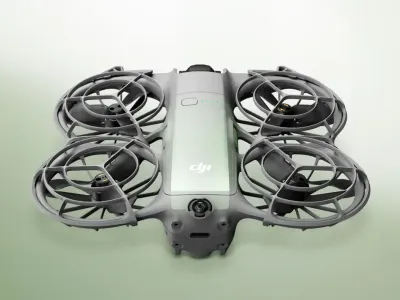
DJI Neo 2
Flight Time & Battery
The DJI Avata 360 flies for up to 23 minutes on a 38.67 Wh battery and recharges in about 47 minutes with the charging hub. The DJI Neo 2 flies for about 19 minutes per battery, or around 57 minutes with the three-battery Fly More Combo. The Avata 360 lasts longer per flight, while the Neo 2's small batteries are easy to carry in multiples.
DJI Avata 360
Speed & Handling
The DJI Avata 360 reaches 18 m/s (about 65 km/h) in Sport mode and handles wind up to 10.7 m/s, so it suits fast FPV flying. The DJI Neo 2 tops out at 12 m/s in Sport mode and is built for steady, close-range shots. Experienced pilots will prefer the Avata 360, while beginners will find the Neo 2 more forgiving.
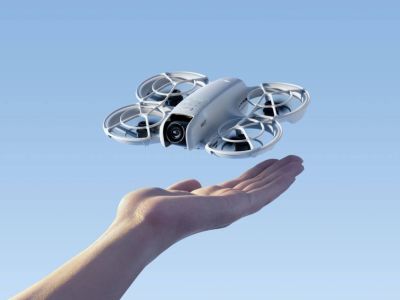
DJI Neo 2
Range & Transmission
The DJI Avata 360 uses DJI O4+ transmission with up to 20 km range (FCC) and a 1080p/60fps live feed to goggles or a controller. The DJI Neo 2 connects over Wi-Fi as standard and reaches up to 10 km (FCC) only with the optional Digital Transceiver. For long-range FPV the Avata 360 is the clear choice.
DJI Avata 360
Obstacle Sensing & Safety
The DJI Avata 360 combines omnidirectional vision sensing, a forward-facing LiDAR and a bottom infrared sensor with integrated propeller guards, and senses obstacles even at night. The DJI Neo 2 also offers omnidirectional obstacle sensing in a 151 g body with double-layered full-coverage propeller guards. Both are safe around people, and the Neo 2's light weight makes it especially low-risk indoors.
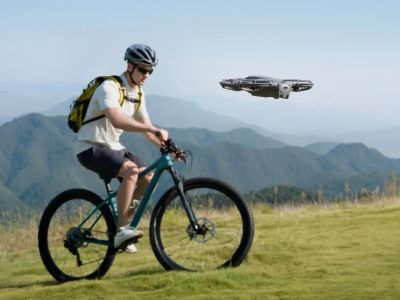
DJI Neo 2
Portability & Ease of Use
The DJI Neo 2 weighs just 151 g, launches from your palm and can be controlled by gestures or voice without a controller. The DJI Avata 360 weighs 455 g and is best flown with DJI Goggles 3 or N3 and a motion controller. The Neo 2 is the easier pick for travel and casual use.
DJI Avata 360
Controllers & App Experience
The DJI Avata 360 works with DJI Goggles 3 and N3, RC Motion 3, RC 2 and the FPV Remote Controller 3, and edits 360° footage in DJI Fly and DJI Studio. The DJI Neo 2 works with the DJI Fly app and a remote controller and adds gesture control for hands-free shots. The Avata 360 offers a deeper FPV setup, while the Neo 2 favors simplicity.
DJI Neo 2
Price & Value
The DJI Avata 360 costs $479 for the drone alone, $719 with the RC 2 and about $979 for the Fly More Combo. The DJI Neo 2 starts at $229. The Neo 2 is the better value for casual creators, while the Avata 360 justifies its price with 8K 360° capture and FPV performance.
Technical Specifications
DJI Avata 360 and DJI Neo 2 differ on 51 of the 60 specifications listed for both.
Functional Utility & Use Cases
4 Comparative Metrics
Manipulation & Load Capacity
2 Comparative Metrics
Kinematic Architecture & Dexterity
3 Comparative Metrics
Frequently Asked Questions
Which drone has the better camera, DJI Avata 360 or DJI Neo 2?
The DJI Avata 360. It records 8K/60fps 360° video and 120 MP photos with two 1/1.1-inch sensors. The DJI Neo 2 records 4K video from a single camera.
How long can each drone fly?
The DJI Avata 360 flies for up to 23 minutes. The DJI Neo 2 flies for about 19 minutes per battery, or around 57 minutes with three batteries.
Which drone is better for beginners?
The DJI Neo 2. It weighs 151 g, takes off from your palm, follows you automatically and can be controlled with gestures or voice.
How much do the DJI Avata 360 and DJI Neo 2 cost?
The DJI Avata 360 costs $479 for the drone alone, $719 with the RC 2 and about $979 for the Fly More Combo. The DJI Neo 2 starts at $229.
Can the DJI Avata 360 avoid obstacles?
Yes. It uses omnidirectional vision sensing, a forward-facing LiDAR and a bottom infrared sensor, and it has built-in propeller guards.
What is the top speed of each drone?
The DJI Avata 360 reaches 18 m/s in Sport mode. The DJI Neo 2 reaches 12 m/s.
Related Comparisons
EVO Max 4T vs DJI Matrice 30 series
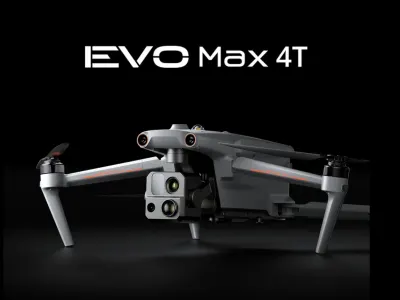
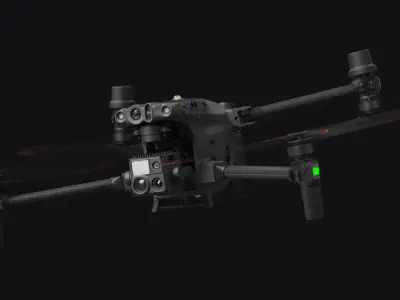
Which camera drone is better? EVO Max 4T vs DJI Matrice 30 series compared for image quality, battery life, and value.
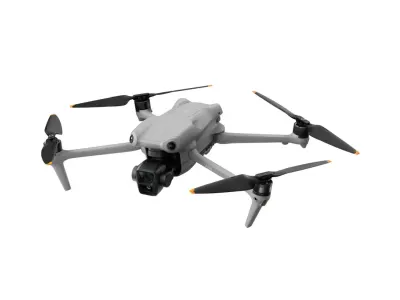
DJI Air 3 vs DJI Air 3S
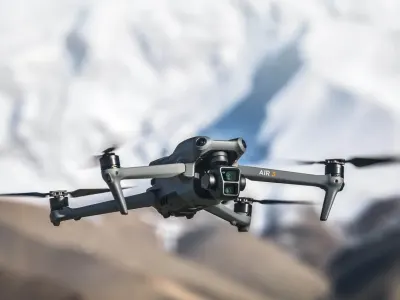
Compare DJI Air 3 vs DJI Air 3S for camera quality, low-light sensors, obstacle avoidance, battery life, and pro videography outcomes.
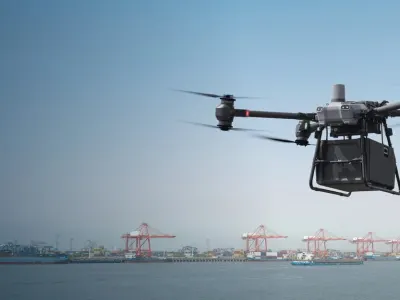
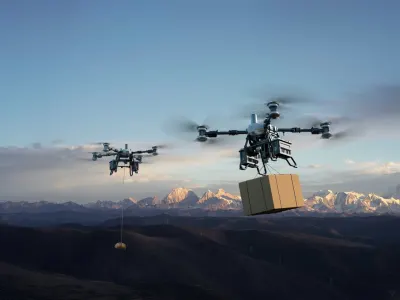
DJI FlyCart 30 vs DJI FlyCart 100
Compare DJI FlyCart 30 and FlyCart 100. Detailed analysis of sensors, navigation, battery lifespan, safety, and payload handling.
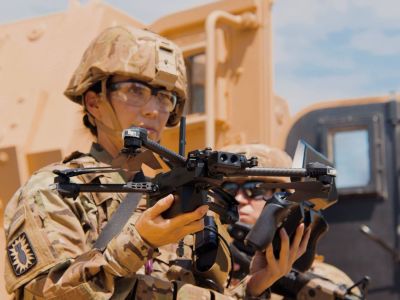
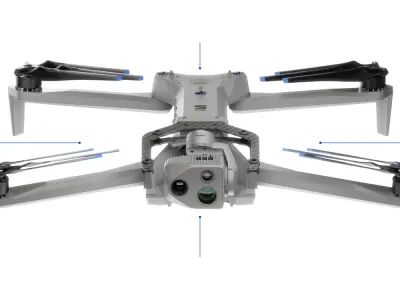
Skydio X2D vs Skydio X10
Compare Skydio X2D vs Skydio X10 for camera quality, flight time, range, and cinematic capabilities in defense and inspection.
Verdicts reflect our research and opinion. Confirm specifications with the manufacturer before buying.