Optimus vs Figure 03 at a glance
Optimus is quicker, with a top speed of 2.2 m/s versus 1.2 m/s for Figure 03. Figure 03 has more degrees of freedom (60 against 40 for Optimus), which allows finer movement.
Which one fits your use?
Based on the uses each robot is built and marketed for. Open a use to see the specs that matter for it.
| Comparing for… | Optimus | Figure 03 |
|---|---|---|
| Suited | Not listed | |
| Suited | Not listed | |
| Not listed | Suited | |
| Not listed | Suited | |
| Not listed | Suited | |
| Not listed | Suited | |
| Not listed | Suited |
- Pick Optimus for warehouse and logistics work and factory and manufacturing work.
- Pick Figure 03 for research labs, education and training, home help and elder care, hospitality, retail and public-facing roles and healthcare settings.
Optimus by Tesla and Figure 03 by Figure AI are two leading humanoid robots competing in the emerging market of general-purpose autonomous assistants. Both target similar application domains such as elder care, domestic assistance, and light industrial tasks. Their development reflects increasing industry focus on robots capable of operating safely and effectively in human environments.
While both robots share a humanoid form factor, they differ in design priorities and operational focus. Optimus emphasizes integration with Tesla’s autonomous driving AI ecosystem and factory/manufacturing use cases, whereas Figure 03 is designed with home assistance and light object manipulation in mind, featuring a softer, more ergonomic build. Pricing and battery life also distinguish their market positioning.
Detailed Analysis
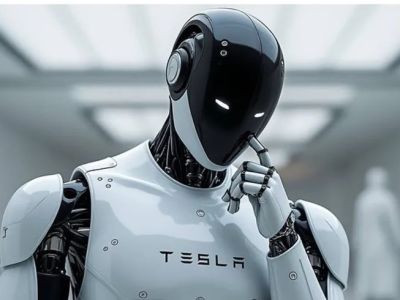
Optimus
Design & Build Quality
Optimus matches the 173 cm height of Figure 03 in a shallower frame (173 x 55 x 38 cm) weighing 57 kg, optimized for factory and logistics environments. Figure 03 is slightly shorter but broader (167 x 60 x 50 cm) and lighter at 45 kg, with a design focus on safety and ergonomics, including multi-density foam padding and soft textile covering. Figure 03’s build emphasizes mass manufacturability and user-friendly aesthetics suitable for home use.
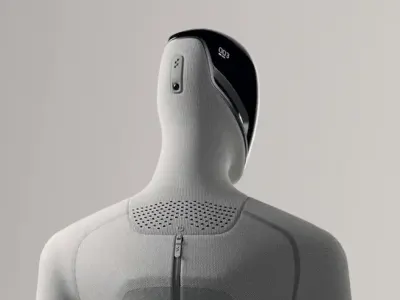
Figure 03
Mobility & Navigation
Optimus achieves a top speed of 8.06 km/h using Tesla’s Full Self-Driving (FSD)-based vision system and internal proprioception, enabling autonomous navigation within complex environments like factories. Figure 03 moves slower at 4.2 km/h but benefits from a robust control system with vision-language-action AI and simultaneous localization and mapping (SLAM), supporting fleet learning and voice-command navigation. Both demonstrate agile locomotion but target different mobility profiles.
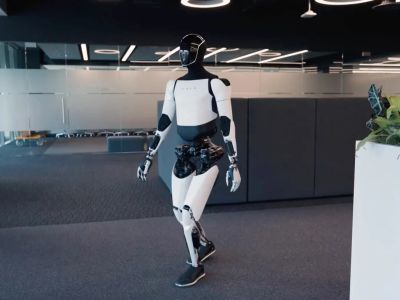
Optimus
Sensors & Perception
Optimus incorporates RGB and stereo cameras, IMU, gyroscope, force, and temperature sensors to perceive its surroundings, leveraging Tesla’s extensive vehicle sensor expertise. Figure 03 adds tactile fingertip sensors, palm cameras, and mmWave data offload technology, enhancing its ability to interact delicately with objects and environments. The sensory suite of Figure 03 supports advanced safety and interaction in home settings.
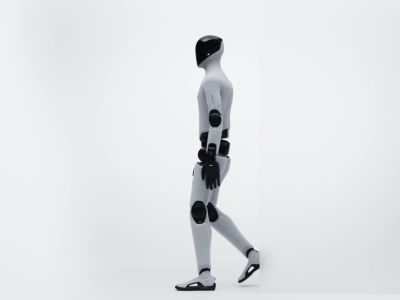
Figure 03
AI Capabilities
Optimus runs on Tesla’s custom OS tightly integrated with its FSD AI, using years of driving data and simulation to support autonomous operation and skill acquisition. Figure 03 employs the Helix AI system based on ROS and Linux, designed specifically for humanoid tasks with vision-language-action modeling, allowing real-time environment understanding and adaptation. Tesla’s AI excels in perception and navigation, while Figure 03 focuses on task generalization and human-scale interaction.
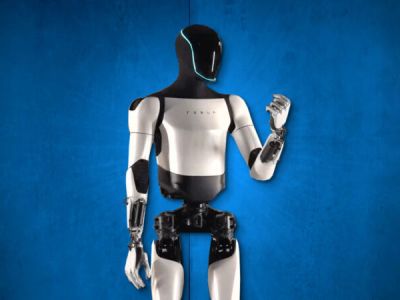
Optimus
Battery & Power Efficiency
Optimus offers approximately 8 hours of operational use on a single charge, suitable for a full workday in industrial settings. In contrast, Figure 03 boasts a significantly longer battery lifespan of 3-5 years, implying durable battery technology, though its daily operational runtime is shorter. Figure 03 supports wireless charging and optimized ergonomics to maintain high uptime in domestic environments.
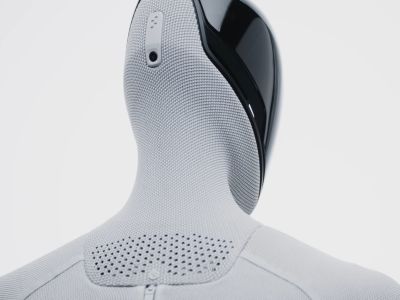
Figure 03
Use-Case Suitability
Optimus is positioned for manufacturing, logistics, elder care, and domestic assistance, leveraging its speed and autonomous navigation for factory and warehouse efficiency. Figure 03 targets home assistance, household chores, elderly care support, light object manipulation, and cleaning, emphasizing safe interaction and adaptability. Their respective software and hardware designs reflect these distinct operational focuses.
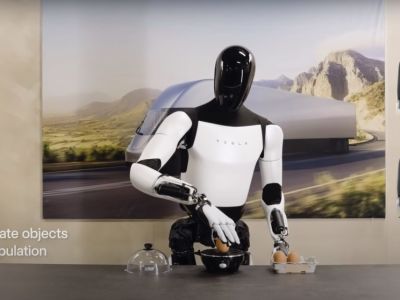
Optimus
Safety Features
Both robots include emergency stop functions and obstacle detection. Optimus employs compliant actuators to reduce injury risk in physical interactions. Figure 03 enhances safety with multi-density foam padding, soft textile coverings, pinch point protection, and tactile fingertip sensors, making it better suited for close human contact in home environments.
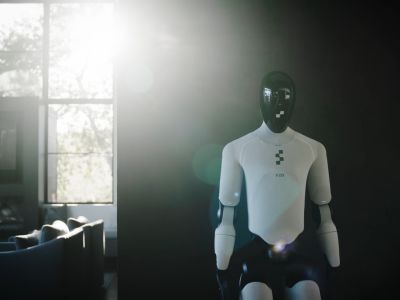
Figure 03
Software Ecosystem
Optimus runs Tesla’s proprietary OS integrated with the FSD AI stack, benefiting from Tesla’s vast data and simulation pipelines for rapid skill learning and deployment. Figure 03 uses the Helix AI system built on ROS and Linux, supporting Python and C++ APIs for flexibility, and incorporates vision-language-action learning tailored for humanoid tasks. Both ecosystems facilitate autonomous control with remote supervision capabilities.
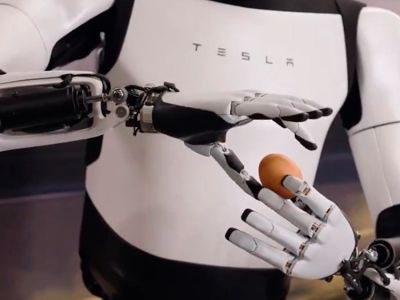
Optimus
Pricing & Value
Optimus is priced between $20,000 and $30,000, reflecting an accessible entry point into humanoid robotics with factory-grade AI integration. Figure 03’s higher price range of $50,000 to $70,000 corresponds to its advanced sensory suite, safety features, and home-focused design. The cost differences align with their target markets and intended deployment environments.
Capabilities & Operational Tasks
Head-to-head comparison of what Optimus and Figure 03 can do, their applications, and capabilities.
What Can Optimus & Figure 03 Do?
205 tasks listed for both, 3 only for Optimus, 12 only for Figure 03.
Technical Specifications
Optimus and Figure 03 differ on 31 of the 47 specifications listed for both.
Functional Utility & Use Cases
4 Comparative Metrics
Manipulation & Load Capacity
4 Comparative Metrics
Kinematic Architecture & Dexterity
4 Comparative Metrics
Related Comparisons
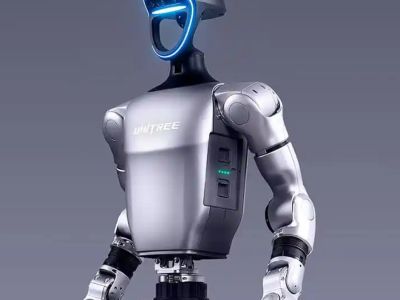
Optimus vs Unitree G1
Compare Optimus vs Unitree G1 for humanoid mobility, dexterity, autonomy, and payload capacity.
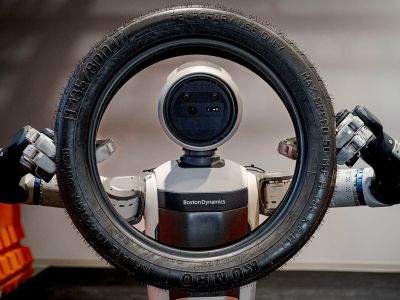
Optimus vs Atlas (Electric 2025)
In-depth comparison of Optimus and Atlas (Electric Atlas, 2025), covering hardware capabilities, teleoperation, and enterprise readiness.
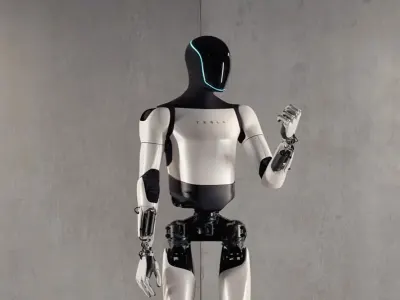
Figure 03 vs Optimus Gen 3
In-depth comparison of Figure 03 and Optimus Gen 3, covering hardware capabilities, teleoperation, and enterprise readiness.
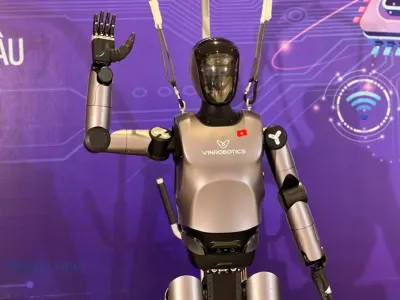
Figure 03 vs VR-H3
Which humanoid robot is better? Figure 03 vs VR-H3 compared for dexterity, AI capabilities, and price.
Verdicts reflect our research and opinion. Confirm specifications with the manufacturer before buying.