Zerith Z1 vs Martian at a glance
Martian lasts longer on a charge, about 4 hours against 2.5 hours for Zerith Z1. Zerith Z1 is lighter at 33 kg, compared with 50 kg for Martian. Zerith Z1 has more degrees of freedom (27 against 23 for Martian), which allows finer movement.
Which one fits your use?
Based on the uses each robot is built and marketed for. Open a use to see the specs that matter for it.
| Comparing for… | Zerith Z1 | Martian |
|---|---|---|
| Not listed | Suited | |
| Not listed | Suited | |
| Suited | Suited | |
| Suited | Suited | |
| Suited | Not listed |
- Pick Zerith Z1 for hazardous or high-risk work.
- Pick Martian for warehouse and logistics work and factory and manufacturing work.
- Both suit research labs and education and training, so compare the specs for that use.
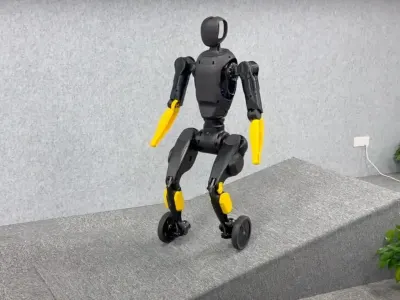
The Zerith Z1 by Zerith is a bipedal humanoid robot designed for commercial service applications, including hotel operations, educational demonstrations, and entertainment. It features 27 degrees of freedom, peak joint torque of 150Nm, and dimensions of 145 x 50 x 22 cm with a weight of 33 kg. Its proprietary AI-driven design enables stable navigation over complex terrain, setting it apart with emphasis on balance under interference and human-like arm movements.
The Martian by UniX AI targets logistics, manufacturing, household assistance, research, and service industries as a versatile humanoid robot. It offers a speed of 10.8 km/h, dimensions of 160 x 50 x 30 cm, and a weight of 50 kg. Key differentiators include comprehensive navigation with indoor SLAM, visual SLAM, and LiDAR mapping, alongside a broad sensor suite and ROS2-based software ecosystem.
Detailed Analysis
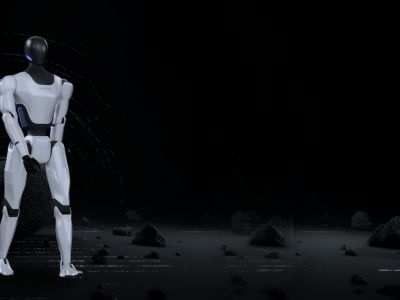
Zerith Z1
Design & Build Quality
Zerith Z1 measures 145 x 50 x 22 cm and weighs 33 kg, providing a lighter and more compact build compared to Martian's 160 x 50 x 30 cm and 50 kg frame. Zerith Z1 incorporates 27 degrees of freedom with 150Nm peak joint torque for stable operation on irregular surfaces via EtherCAT modules. Martian's heavier structure supports diverse industrial tasks but may limit agility in confined spaces.
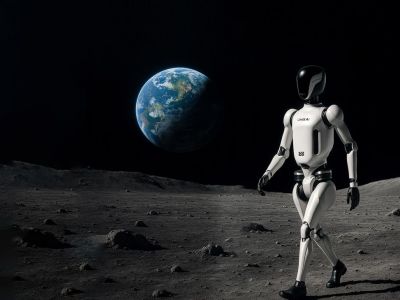
Martian
Mobility & Navigation
Martian achieves a speed of 10.8 km/h with indoor SLAM, visual SLAM, and LiDAR mapping for precise movement. Zerith Z1 lacks specified speed or navigation details but maintains balance on complex terrain through proprietary AI design. Martian's defined mobility capabilities exceed Zerith Z1's available data for structured environments.
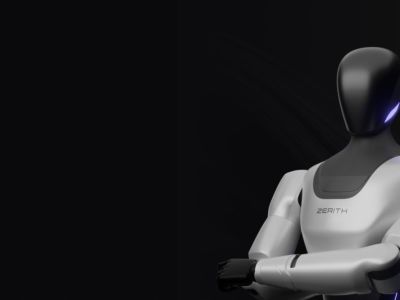
Zerith Z1
Sensors & Perception
Martian integrates RGB cameras, depth cameras, LiDAR, ultrasonic, IMU, gyroscope, force sensors, and temperature sensors for comprehensive perception. Zerith Z1 uses RGB cameras, depth camera, LiDAR, and IMU, offering core environmental awareness. Martian's expanded sensor array provides advantages in multi-modal detection over Zerith Z1's setup.
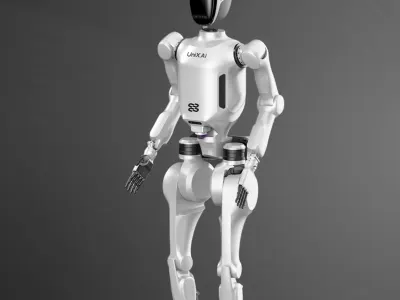
Martian
AI Capabilities
Zerith Z1 employs proprietary AI-driven design for autonomous control and human-like interactions including gesture response. Martian supports autonomous operation with learned behaviors via ROS2, Python, C++, and APIs. Both enable independent task execution, though Martian's open software stack allows broader customization.
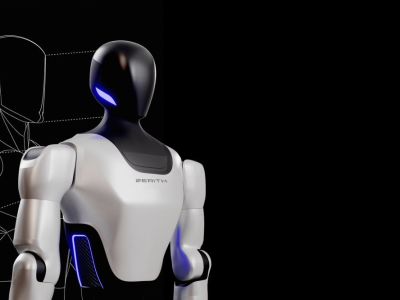
Zerith Z1
Battery & Power Efficiency
Zerith Z1 provides a runtime of 2.5 hours per charge. Specific charging times remain unavailable for both. Martian's range aligns closely but lacks detailed runtime metrics in comparison.
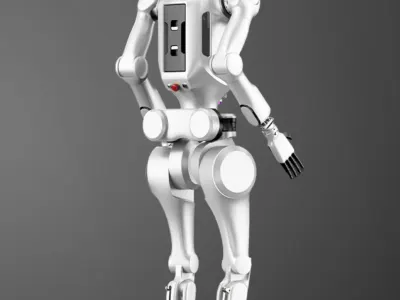
Martian
Use-Case Suitability
Zerith Z1 suits hotel operations, education, entertainment, and complex terrain navigation with dexterous manipulation. Martian excels in logistics, manufacturing, household assistance, research, and service industries requiring robust navigation. Zerith Z1 prioritizes agility in unstructured settings, while Martian fits structured operational workflows.
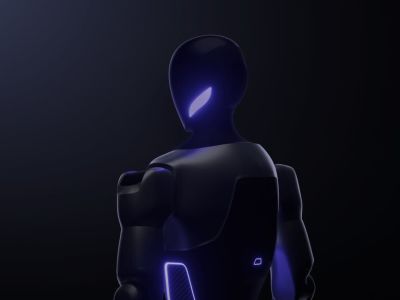
Zerith Z1
Software Ecosystem
Martian utilizes ROS2, proprietary software, Python, C++, and APIs for flexible development and integration. Zerith Z1 relies on proprietary AI-driven software. Martian's ecosystem enables wider developer access compared to Zerith Z1's closed platform.

Martian
Safety Features
Martian includes force limiting, collision detection, emergency stop, and collaborative mode for human interaction safety. Zerith Z1 has no specified safety features in available data. Martian provides documented safeguards absent in Zerith Z1 specifications.
Capabilities & Operational Tasks
Head-to-head comparison of what Zerith Z1 and Martian can do, their applications, and capabilities.
What Can Zerith Z1 & Martian Do?
95 tasks listed for both, 2 only for Zerith Z1, 2 only for Martian.
Technical Specifications
Zerith Z1 and Martian differ on 20 of the 30 specifications listed for both.
Functional Utility & Use Cases
4 Comparative Metrics
Manipulation & Load Capacity
4 Comparative Metrics
Kinematic Architecture & Dexterity
4 Comparative Metrics
Related Comparisons
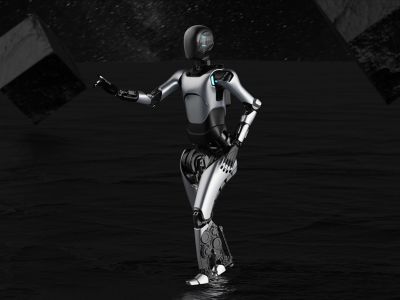
AgiBot A2 vs Martian
Compare AgiBot A2 and Martian. Detailed analysis of sensors, navigation, mobility, and battery life.

Alpha vs Martian
Alpha or Martian? Compare specs, speed, sensors, navigation, and battery performance.
AgiBot X2-N vs Zerith Z1
Which robot wins? AgiBot X2-N vs Zerith Z1 compared across navigation, sensors, and battery.

Martian vs AgiBot A2 Ultra
Head-to-head: Martian vs AgiBot A2 Ultra. Explore differences in navigation, battery, sensors, mobility, and software.
Verdicts reflect our research and opinion. Confirm specifications with the manufacturer before buying.