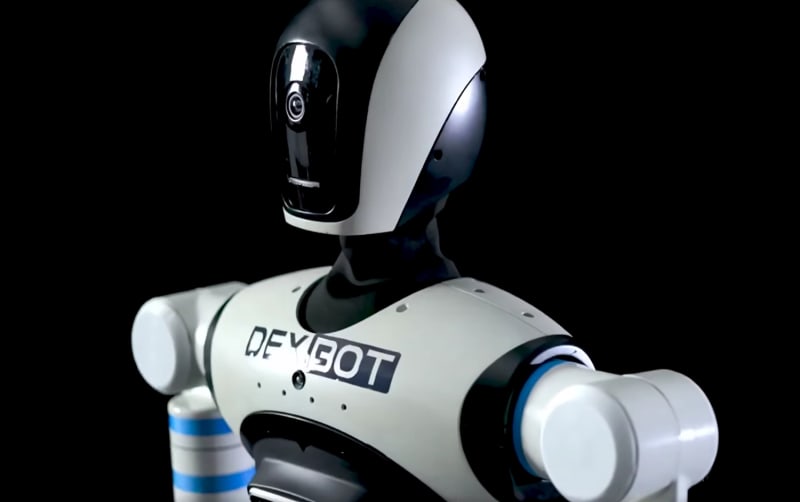
DexBot
AI ChatLast updated:
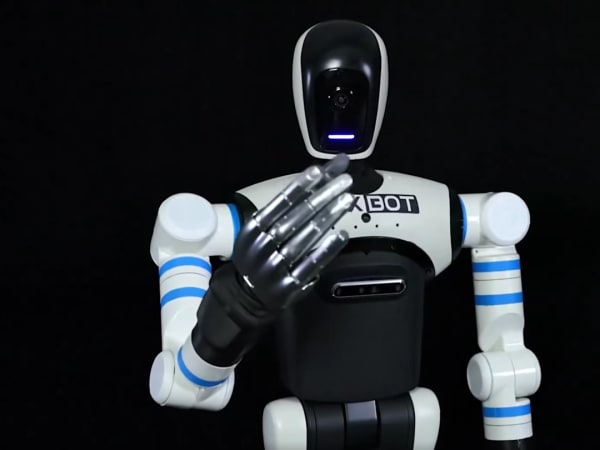
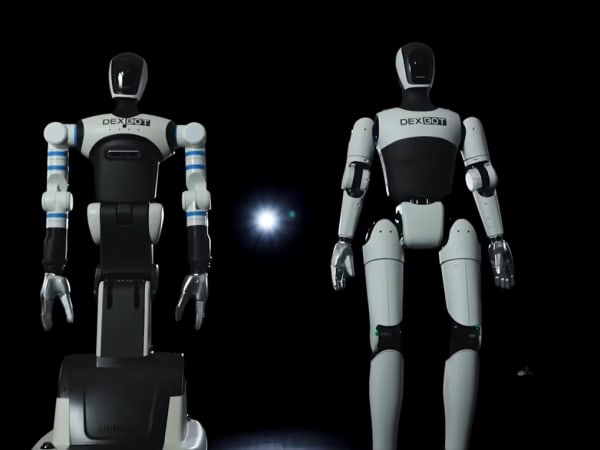
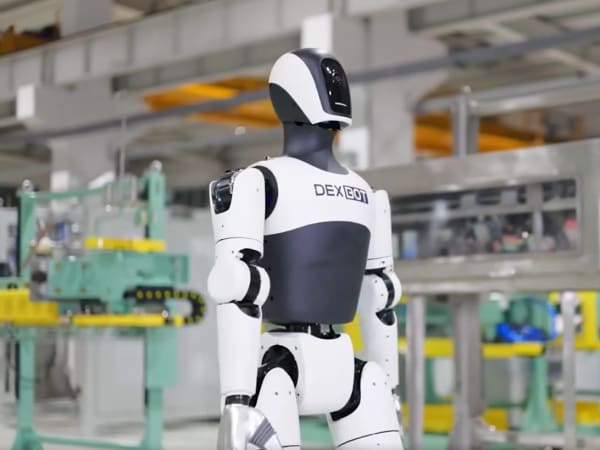
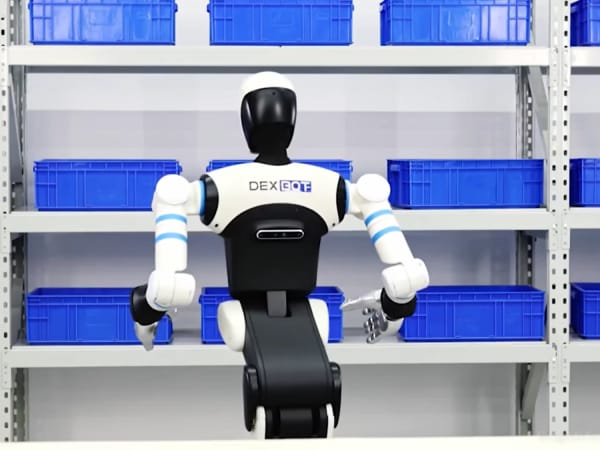
DexBot is an industrial humanoid robot platform featuring hybrid bipedal and track-legged locomotion configurations, developed in Harbin, China by BOSHIAC (Harbin Boshi Automation Co., Ltd.) in partnership with Harbin Institute of Technology (HIT). The bipedal configuration stands 175 cm tall and weighs 58 kg (up to 80 kg in heavy wheeled/tracked form), powered by 28 body joints and dual 7-axis arms supporting a 15 kg continuous payload. Each hand features 15–20 degrees of freedom for high-dexterity tool and component handling. Controlled via HIT's Huazi-Rixin multimodal AI model, DexBot performs autonomous task decomposition and force-compliant manipulation tailored for hazardous industrial environments, petrochemical plants, and advanced automation research.
Quick Overview & Key Facts
DexBot is a humanoid robot made by BOSHIAC in China, launched in 2025 and built for manufacturing, research, and logistics. Its estimated price is Research Prototype / Unreleased (Not commercially available for direct purchase; third-party estimates of ~USD 120,000 unverified). Featured in “DexBot Masters Factory Tasks with Harbin Tech Collaboration”.
- Dimensions
- 175 cm (Height, Bipedal Variant)
- Mobility
- Hybrid (Modular Bipedal or Wheeled configurations).
- Top speed
- 3 - 5 km/h (0.83 - 1.38 m/s)
- Payload capacity
- 15 kg continuous payload (Industrial tools, petrochemical parts, and workpieces)
- Battery runtime
- 3 hours
- Charging time
- 2-4 hours
- Sensors
- 1080p RGB + Depth Cameras, Dual Encoders per joint, Torque Sensors, and Multimodal Perception Fusion (Vision/Force/Speech).
What Can DexBot Do?
Core operational tasks and activities demonstrated or performed by DexBot.
Real-World Applications of DexBot
Industries, working environments, and deployment suitability for DexBot.
DexBot Capabilities
Inherent physical, perceptual, and cognitive abilities built into DexBot.
Image Gallery
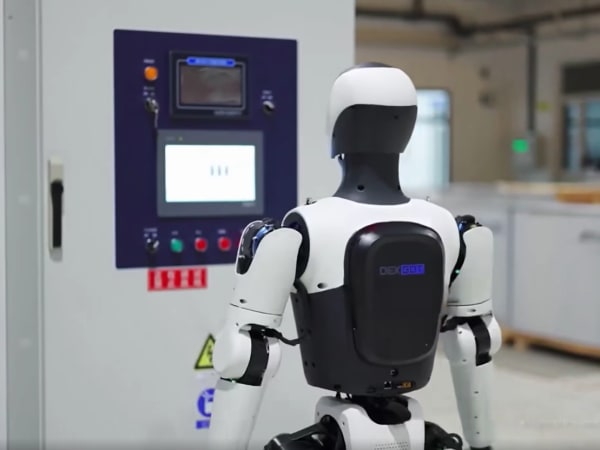
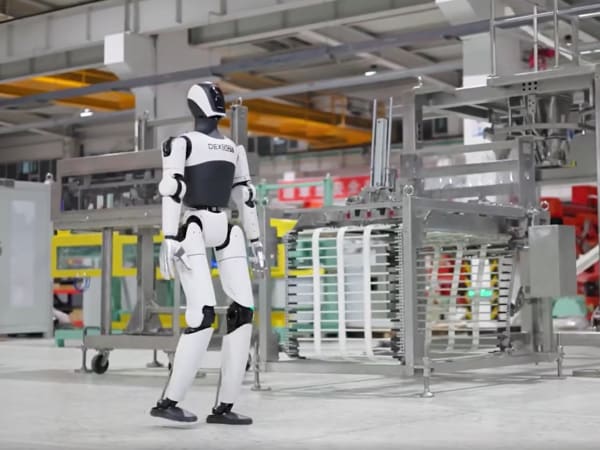
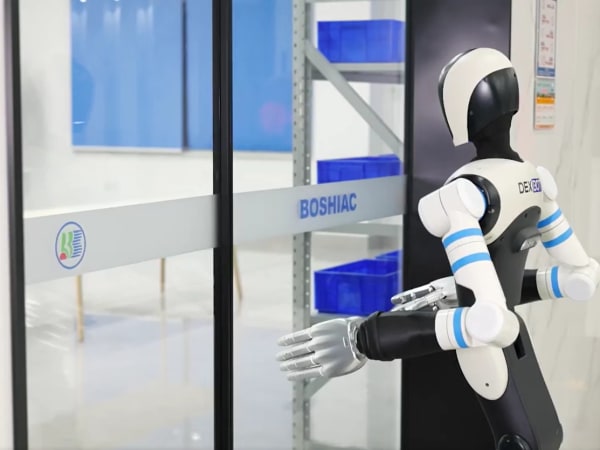
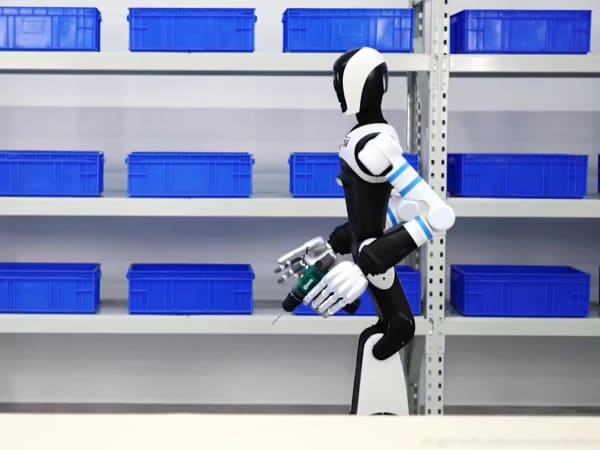
Below images are from BOSHIAC's official sources
Review Videos
Watch expert reviews and demonstrations of this robot

Robot Specifications
Values without a Confirmed badge are compiled from public sources and may not be manufacturer-verified.
Not yet published by BOSHIAC: warranty terms, safety certifications, EMC compliance, IP rating, noise level, expected lifespan, maintenance schedule, firmware version and 7 more.
Latest News About DexBot
Stay updated with the latest articles and developments

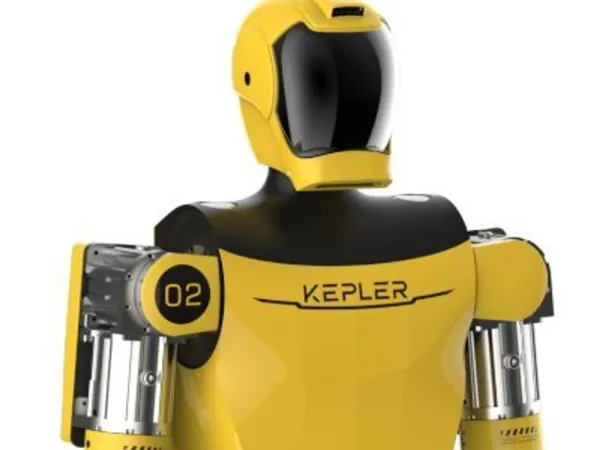
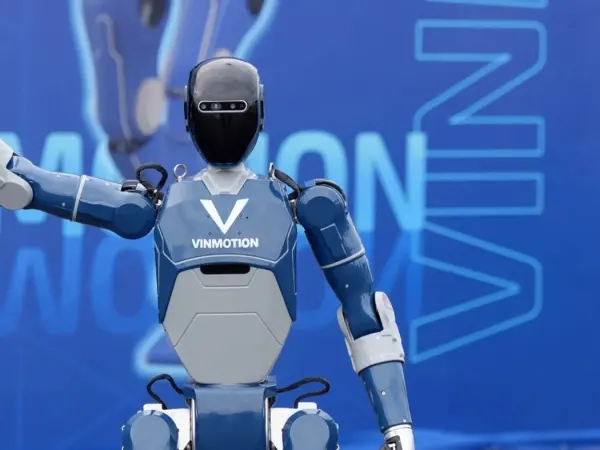
DexBot vs K2 Bumblebee, Motion 1, RobotEra Q5 and Starwalker P01
DexBot overlaps with these alternatives on Education and training and Industrial automation. DexBot trails the closest alternatives on runtime.
Industries and capabilities are tags, not scores: a tick means the robot is listed for it. Green marks the best figure in a row (highest max speed and runtime; lowest weight). Ranges are not ranked.
| Spec | DexBotBOSHIAC | K2 BumblebeeKepler Robotics | Motion 1VinMotion | RobotEra Q5Robot Era | Starwalker P01Digit Robotics |
|---|---|---|---|---|---|
| Industries | |||||
| Education and training | Yes | Yes | No | Yes | No |
| Industrial automation | Yes | Yes | Yes | Yes | Yes |
| Manufacturing | Yes | Yes | Yes | Yes | Yes |
| Research and development | Yes | Yes | Yes | Yes | Yes |
| Capabilities | |||||
| Dexterous manipulation | Yes | Yes | No | No | No |
| Force control | Yes | Yes | No | No | No |
| Object recognition | Yes | Yes | No | Yes | No |
| Whole-body control | Yes | Yes | Yes | Yes | No |
| Max Speed | 0.83–1.39 m/s | 1.39 m/s | 2 m/s | 1.5 m/s | 1.5 m/s |
| Runtime | 3 h | 8 h | 6 h | 4 h | 4 h |
| Weight | 58–80 kg | 75 kg | 70 kg | 70 kg | 75 kg |
| Released | 2025 | 2025 | 2025 | 2025 | 2025 |
Notes such as conditions or alternate figures are left out and values are shown in common units; open each page for the full specs. Browse all Humanoid Robots
More Humanoid Robots
Discover more robots in the same category

Robots From Other Categories
Discover complementary robots from different categories that work well together

Frequently Asked Questions
Get answers to common questions about this robot
Q1. What is DexBot, and what problem is it designed to solve?
DexBot is an industrial humanoid robot developed by BOSHIAC in collaboration with Harbin Institute of Technology. It addresses challenges in industrial automation and research by providing dexterous manipulation and hybrid locomotion for complex tasks.
Q2. What are the main capabilities and key features of DexBot?
DexBot features highly dexterous hands and hybrid bipedal or track-legged configurations. It integrates the Huazi-Rixin AI model for natural language interaction, task decomposition, and multimodal perception including vision and force sensing.
Q3. Who is DexBot built for, and which industries can benefit from it?
DexBot targets research institutions, education, and industrial automation sectors. According to developers, it serves academic-industry partnerships for applications in manufacturing and complex environment navigation.
Q4. Is DexBot a commercial product or still a research prototype?
As of early 2026, DexBot is classified as a prototype. It stems from a collaboration between Harbin Institute of Technology and BOSHIAC, with joint ventures aimed at industrialization.
Q5. Is DexBot currently available for purchase, and when is it expected to ship?
DexBot is not yet commercially available for purchase. Developers have indicated plans for commercial deployment, with shipping timelines tied to industrialization progress.
Q6. How does DexBot actually work in real-world environments?
DexBot operates using custom electric actuators, high-performance joint modules, and AI-driven perception for tasks in varied settings. It supports transformable configurations to navigate complex terrains via bipedal or tracked modes.
Q7. When was DexBot announced or officially launched?
DexBot was developed and documented through the BOSHIAC-Harbin Institute of Technology collaboration, with prototype details updated in early 2026. No official commercial launch has occurred as of March 2026.
Q8. How is DexBot different from other robots in the same category?
DexBot distinguishes itself with dual bipedal and track-legged forms, 15-20 degrees of freedom per hand, and integration of HIT's Huazi-Rixin AI model. This enables specialized configurations for research and industrial use.
Q9. Does DexBot require additional development or customization after purchase?
As a prototype platform, DexBot is intended for applications needing adaptation. Developers note its use in research settings, where customization aligns with specific automation or educational tasks.
Q10. What is the future roadmap or planned upgrades for DexBot?
BOSHIAC and partners aim to advance DexBot toward broader commercial deployment in education and industry. Announced plans include expanding from research prototypes to industrialized versions.
Rating and Reviews
Share your experience and help others decide!
Loading...
User Reviews
No user reviews. Be the first one to review!
User Comments (No Login needed)
Share your thoughts, experiences, or questions about this robot.
Comments appear after moderator review.