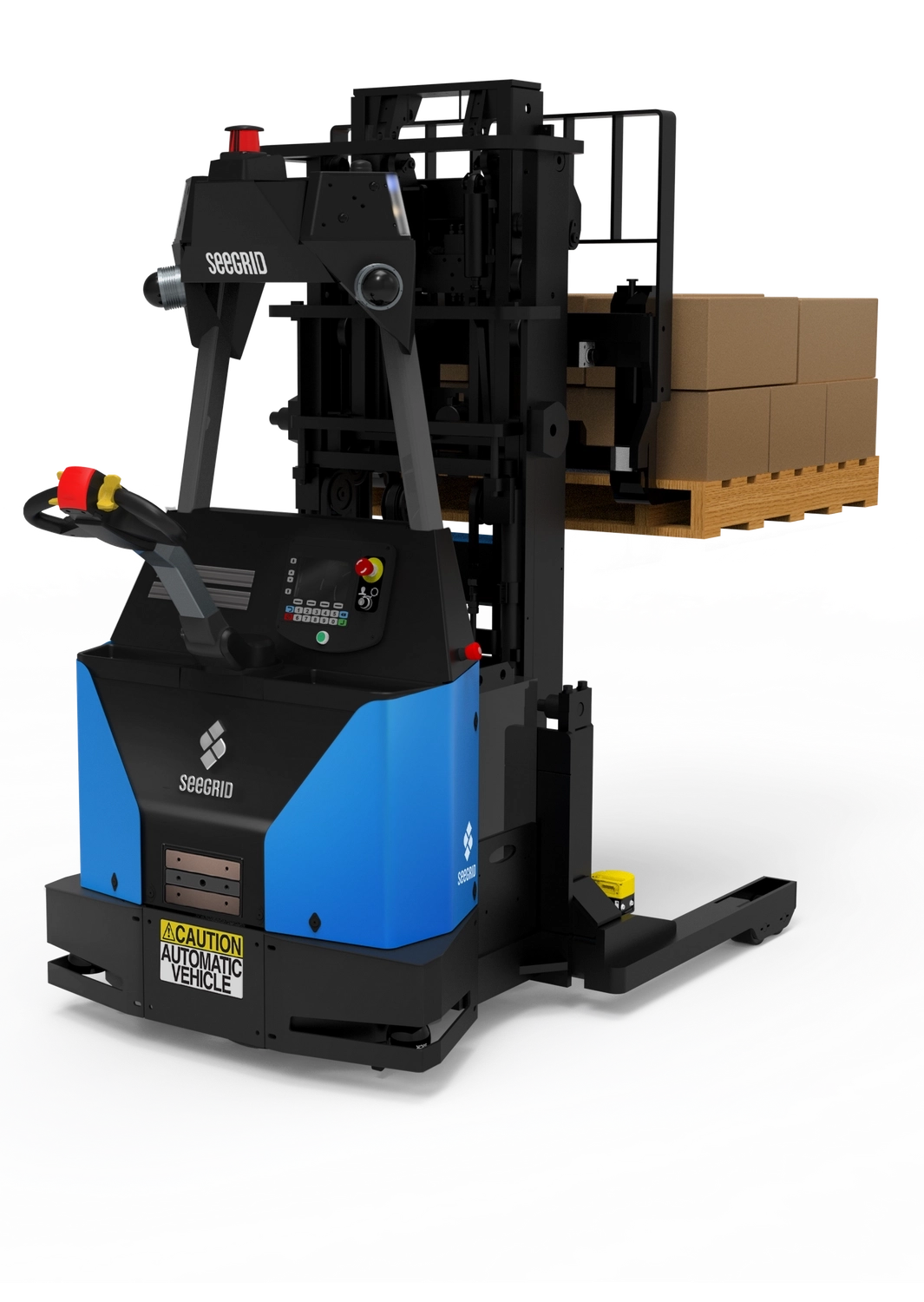
Lift RS1 AMR
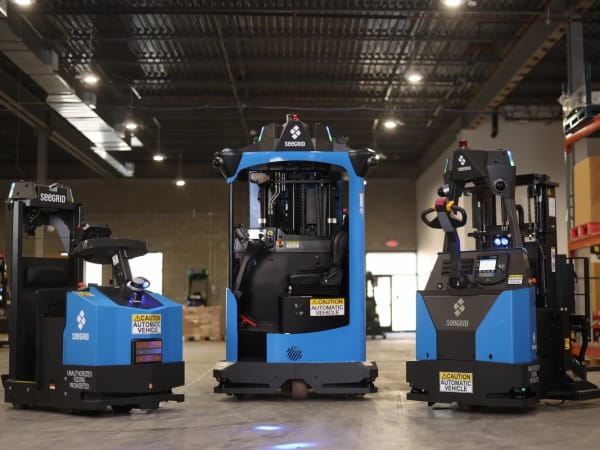
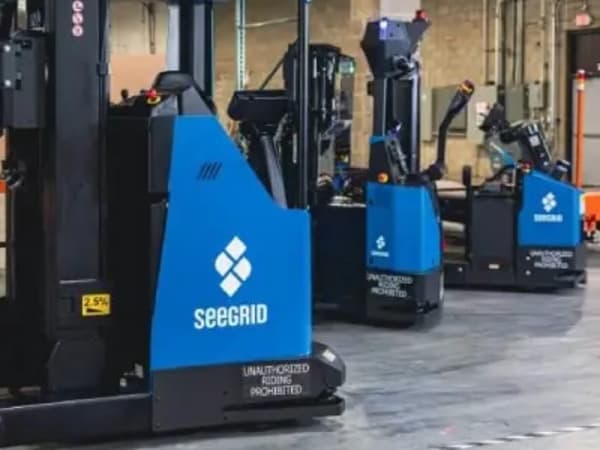
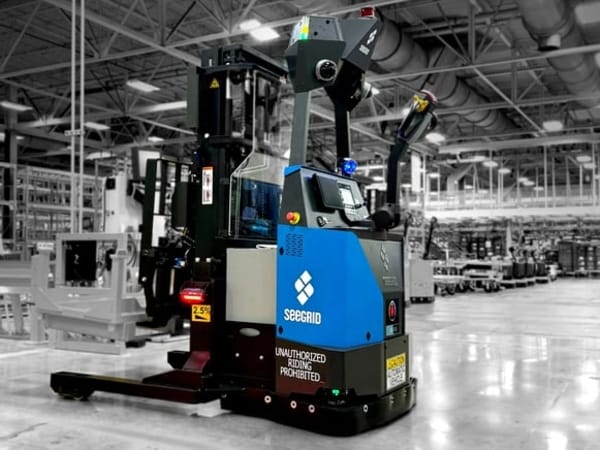
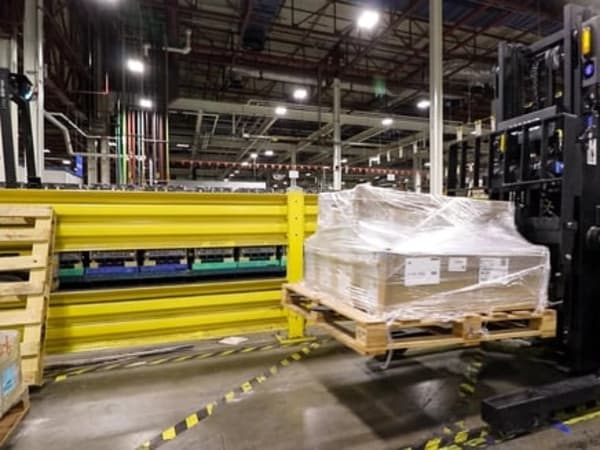
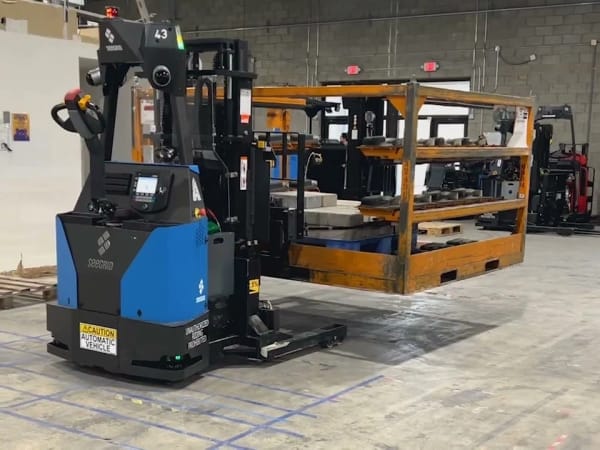
The Seegrid Lift RS1 AMR is an autonomous lift truck designed for low-lift material handling workflows, featuring a 6' lift height and 3,500 lb payload capacity. It provides end-to-end automation for transporting, lifting, and placing goods in dynamic environments like manufacturing, warehousing, and logistics. With 5 mph max speed, advanced Smart Path sensing, and 360° safety coverage, it navigates complex facilities without infrastructure, handling tasks such as inbound staging to bulk storage, parts-to-line delivery, lane staging, and end-cap placement. Exceeding ANSI B56.5 standards, it enhances safety, reduces labor costs, and boosts throughput, integrating seamlessly with human workers for reliable, scalable operations across facilities
Quick Overview & Key Facts
Lift RS1 AMR is a industrial system developed by Seegrid in United States and launched in 2024. Starting price is estimated at USD 150,000 - 250,000. It is currently ranked #14 in most-viewed industrial robots on Origin of Bots. It supports Standard Pallets, Gitterboxes, and custom industrial racks.. Operating battery runtime is rated at 8-10 hours. Primary applications include Part Transfer, Autonomous Transport, Parts Inspection, Component Placement. Featured in editorial articles including “Seegrid’s Lift RS1 AMR targets the repetitive middle of manufacturing material flow”.
Image Gallery
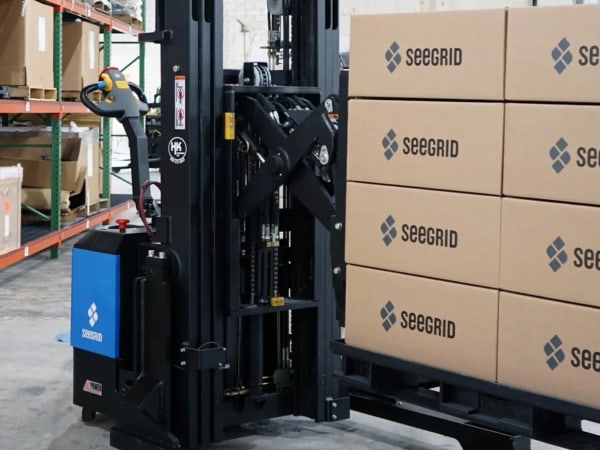
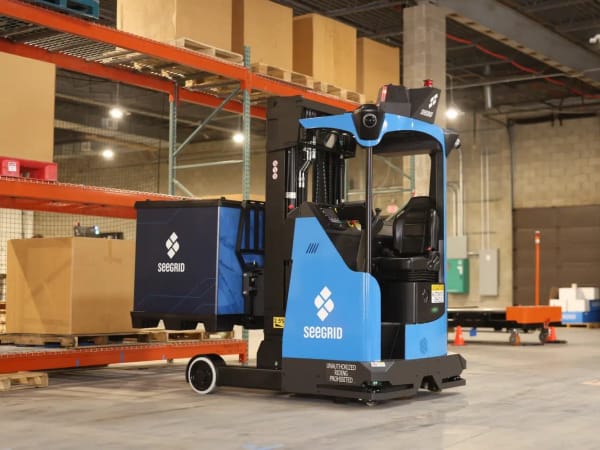
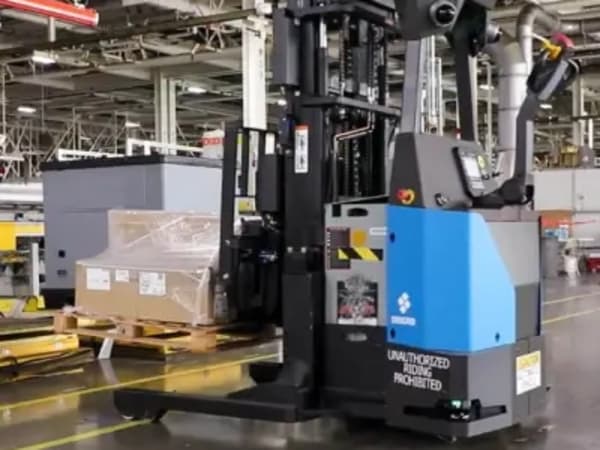
Below images are from Seegrid's official sources
Robot Specifications
Latest News About Lift RS1 AMR
Stay updated with the latest articles and developments
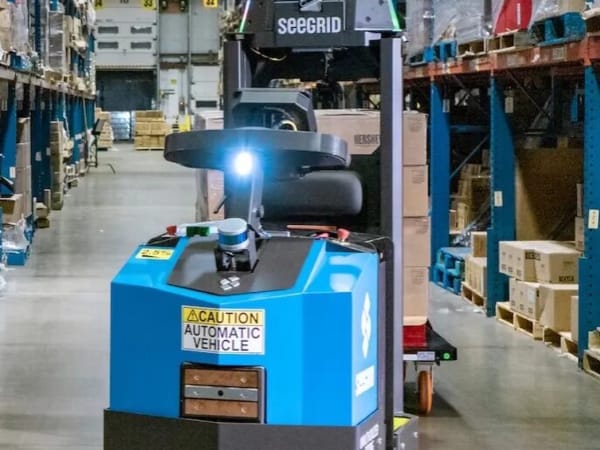
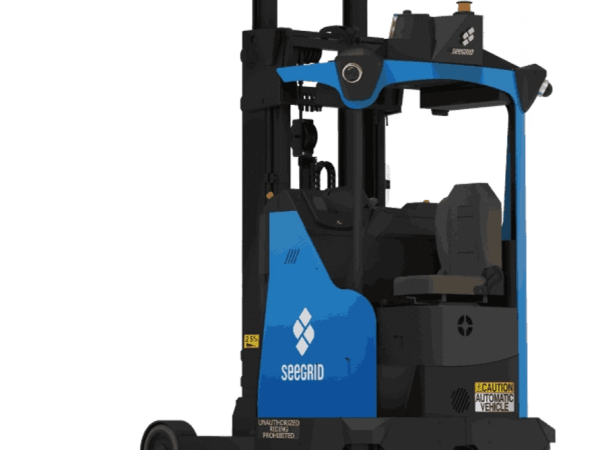
More Robots from Seegrid
Explore other robots from this manufacturer
More Robots
Discover more robots in the same category
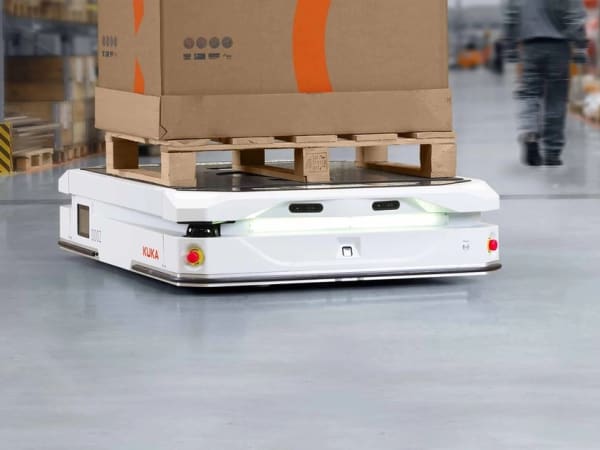
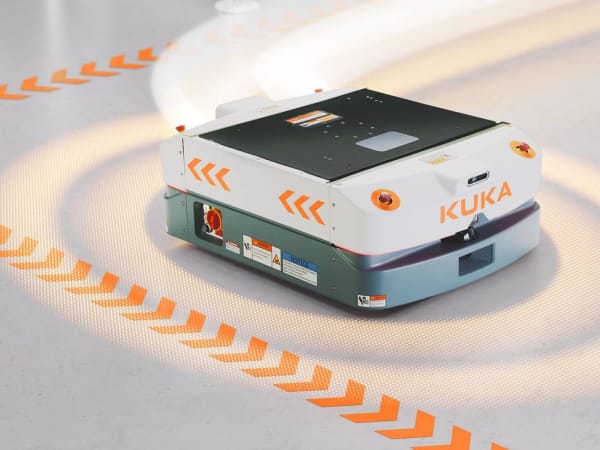
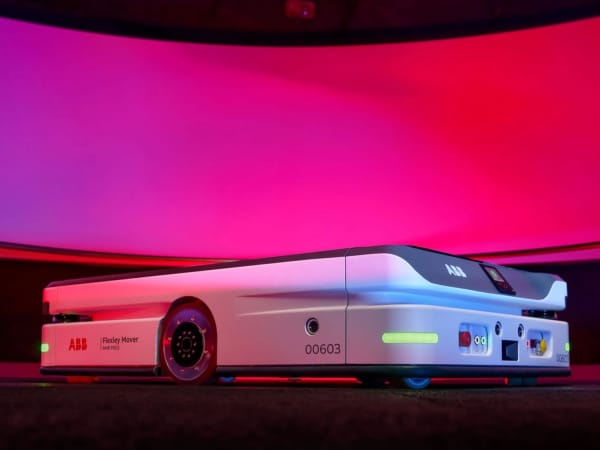
Robots From Other Categories
Discover complementary robots from different categories that work well together

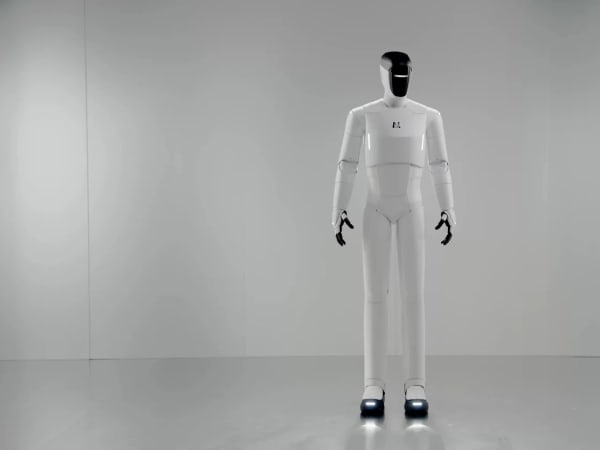

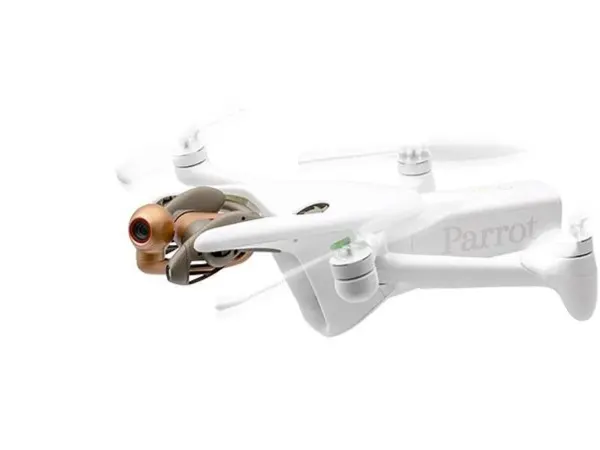
Frequently Asked Questions
Get answers to common questions about this robot
Q1. What is Lift RS1 AMR and what manufacturing or industrial tasks is it designed for?
Lift RS1 AMR by Seegrid is an autonomous mobile robot functioning as a lift truck for low-lift payload workflows in manufacturing and logistics. According to Seegrid, it handles inbound, outbound, and parts-to-line operations with a 6-foot lift height.
Q2. What is the payload capacity, arm reach, and speed of Lift RS1 AMR?
According to Seegrid, Lift RS1 AMR has a payload capacity of 3,500 lb (1,600 kg), lift height up to 6 feet (183 cm), and forward speeds up to 5 mph. It lacks a traditional arm, using a lift mechanism for payload elevation.
Q3. How precise and repeatable is Lift RS1 AMR, and how does it compare to industry standards?
Seegrid states Lift RS1 AMR performs tasks with precision using proprietary 3D vision navigation via cameras, algorithms, and machine learning. Specific repeatability metrics are not publicly detailed, but it aims for reliability in dynamic environments comparable to AMR standards.
Q4. Which industries and production environments is Lift RS1 AMR best suited for?
According to Seegrid, Lift RS1 AMR suits manufacturing and logistics facilities for low-lift processes like parts-to-line and material flow between work areas. It operates in live production environments without infrastructure modifications.
Q5. What safety certifications does Lift RS1 AMR hold, and can it work alongside human workers?
Seegrid indicates Lift RS1 AMR features 360° safety coverage for enhanced situational awareness. Specific certifications are not listed in available data, but its design supports collaborative operation with human workers in shared spaces.
Q6. How does Lift RS1 AMR integrate with PLCs, ERP systems, and existing factory automation?
Seegrid describes Lift RS1 AMR as integrating directly into live operations and workflows for end-to-end automation. Details on specific PLC or ERP interfaces are not specified, relying on its infrastructure-free navigation platform.
Q7. What is the total cost of ownership and expected ROI for Lift RS1 AMR?
Seegrid does not publicly disclose total cost of ownership or ROI figures for Lift RS1 AMR. Factors include payload handling efficiency and minimal downtime, but site-specific assessments are required for estimates.
Q8. How difficult is it to program and deploy Lift RS1 AMR, and what training is needed?
According to Seegrid, Lift RS1 AMR deploys with infrastructure-free navigation, integrating into workflows without facility modifications. Seegrid provides expert services, consultations, and training resources for team adoption and operation.
Q9. How does Lift RS1 AMR compare to similar robots from KUKA, ABB, Fanuc, or Universal Robots?
Lift RS1 AMR by Seegrid focuses on low-lift autonomous material handling up to 6 feet and 3,500 lb, using vision-based navigation. In contrast, KUKA, ABB, Fanuc, and Universal Robots primarily offer articulated arm robots for manipulation, not mobile lift trucks.
Q10. What end-effectors, tools, and customization options are available for Lift RS1 AMR?
Seegrid positions Lift RS1 AMR for low-lift applications without mention of interchangeable end-effectors or tools. Customization occurs via workflow integration and Seegrid's expert services for facility-specific needs.
User Comments (No Login needed)
Share your thoughts, experiences, or questions about this robot.
Comments are reviewed before posting.