Atlas Claims CES 2026 'Best Robot' Crown, Hyundai Deployment 2026
Robot Details
Atlas • Boston DynamicsPublished
January 29, 2026
Reading Time
2 min read
Author
Origin Of Bots Editorial Team
CES Triumph Unveiled
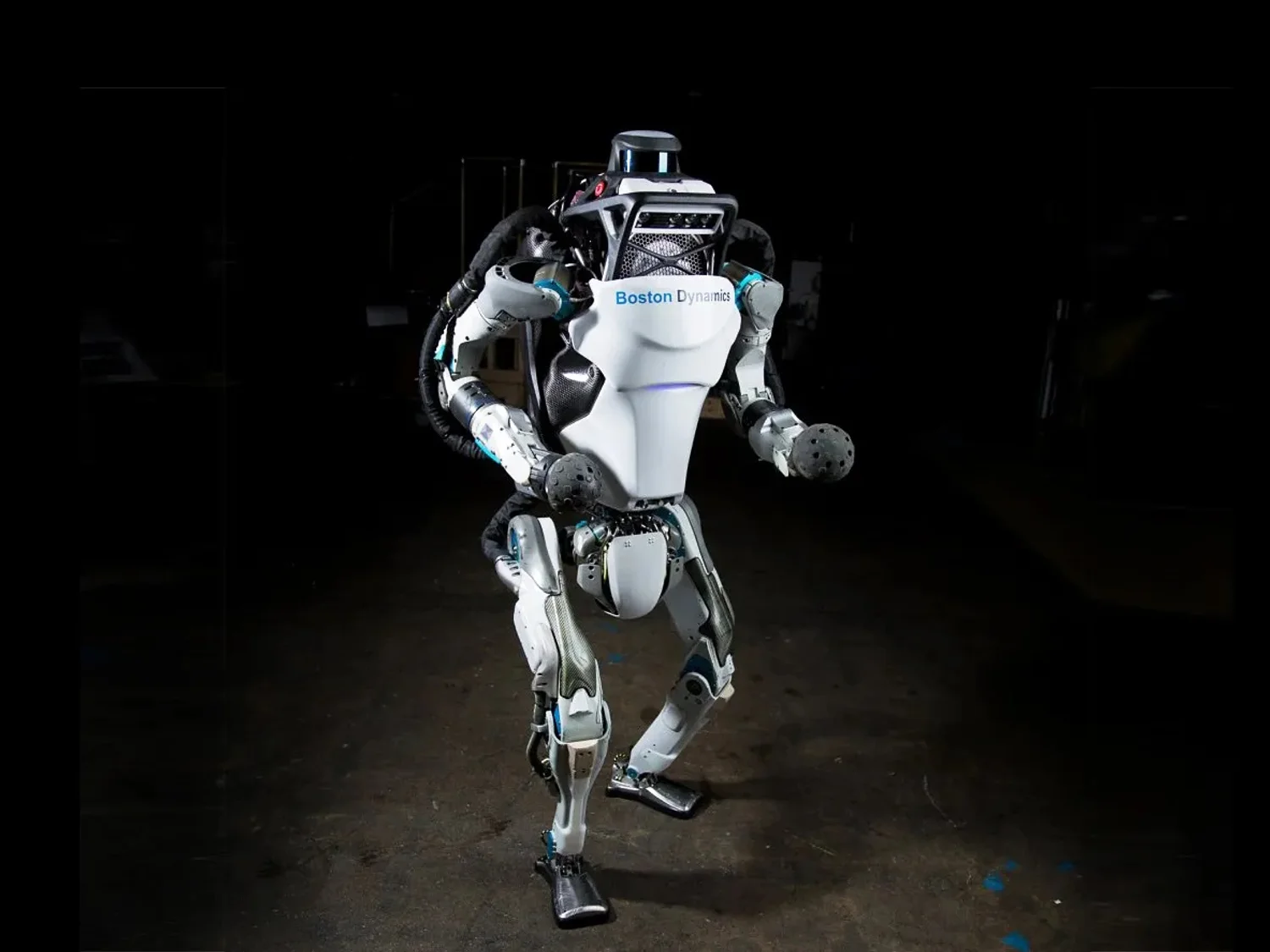
Boston Dynamics' Atlas humanoid robot has captured the 'Best Robot' accolade at CES 2026 from CNET Group, topping votes by over 40 tech journalists from outlets like PCMag and ZDNET. Showcased under Hyundai Motor Group's AI robotics strategy in Las Vegas, the sleek production model impressed with its fluid, human-like gait and readiness for real factory floors. This win signals a pivotal shift, positioning Atlas as the frontrunner in co-working robots that partner with humans to redefine manufacturing safety and efficiency.
Fluid Motion Mastery
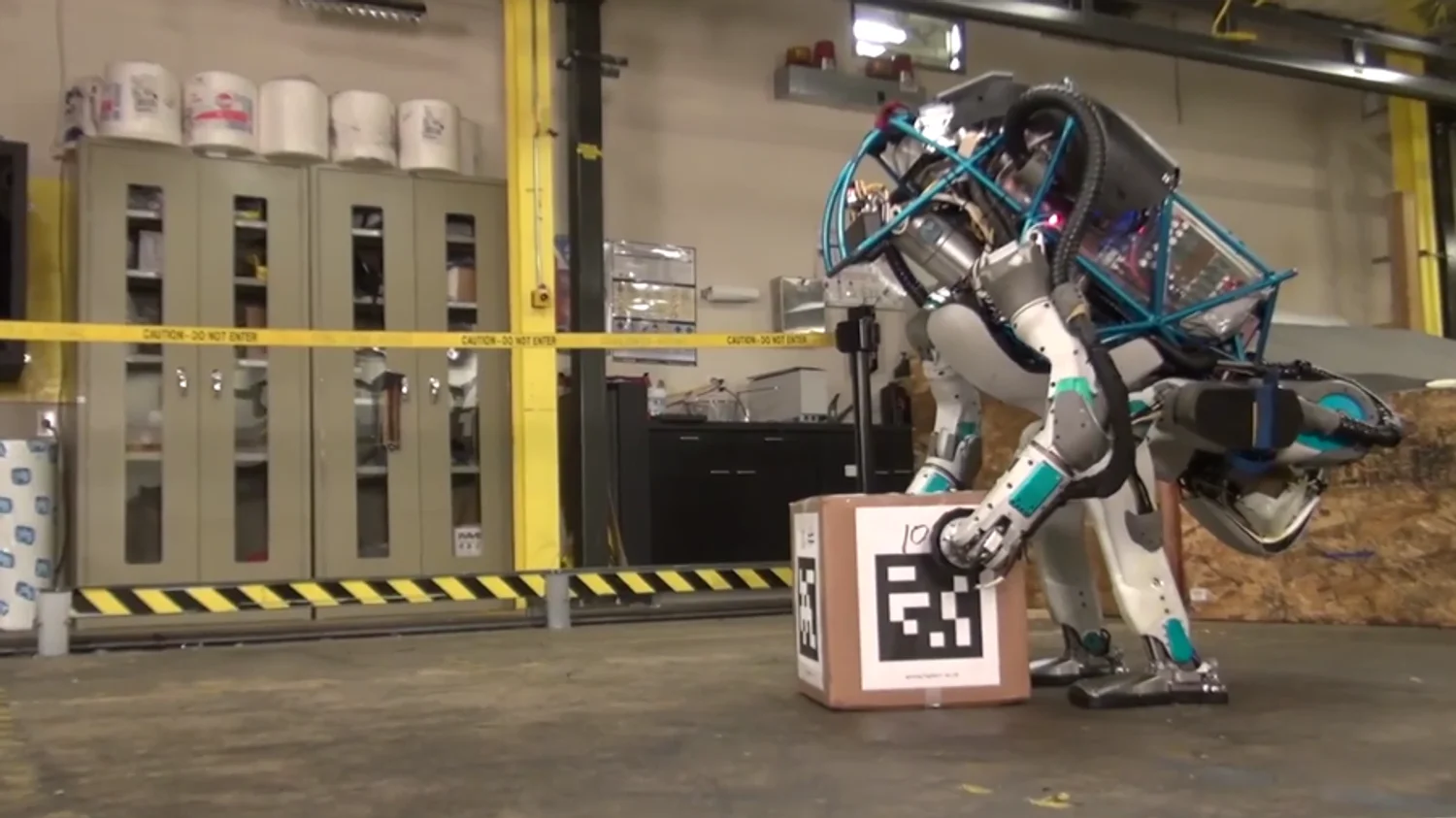
Atlas breaks from rigid robotics norms with joints that rotate fully, enabling superhuman speeds and acrobatic feats like running, flipping, and precise object handling. Unlike predecessors limited by human anatomy, this design allows seamless task transitions, from lifting 50kg loads to dexterous manipulation via neural network-trained fingers. Demonstrations at CES highlighted its "athletic intelligence," where it navigates dynamic environments intuitively, fostering human-robot collaboration that feels natural and responsive.
AI Perception Revolution
Engineers at Boston Dynamics integrated advanced AI for whole-body control, allowing Atlas to learn skills fleet-wide once mastered by one unit. Stereo vision, LiDAR-driven SLAM, and depth sensors create a human-like environmental understanding, powering collision avoidance and adaptive movements. Running on a custom Linux-based real-time stack with SDK support, it processes force feedback from limbs in milliseconds, turning raw data into predictive actions that outpace traditional programming.
Factory Future Activated
Hyundai plans initial Atlas rollout at its Metaplant America in Savannah by 2026, targeting parts sequencing to boost safety in repetitive tasks. Expansion by 2028 will tackle assembly and heavy lifting, scaling to full sites by 2030 for smarter factories. This deployment promises reduced worker strain on monotonous jobs, higher precision in assembly lines, and flexible adaptation to evolving production needs, marking the dawn of practical humanoid integration in automotive giants.
Dexterity Enablers Detailed
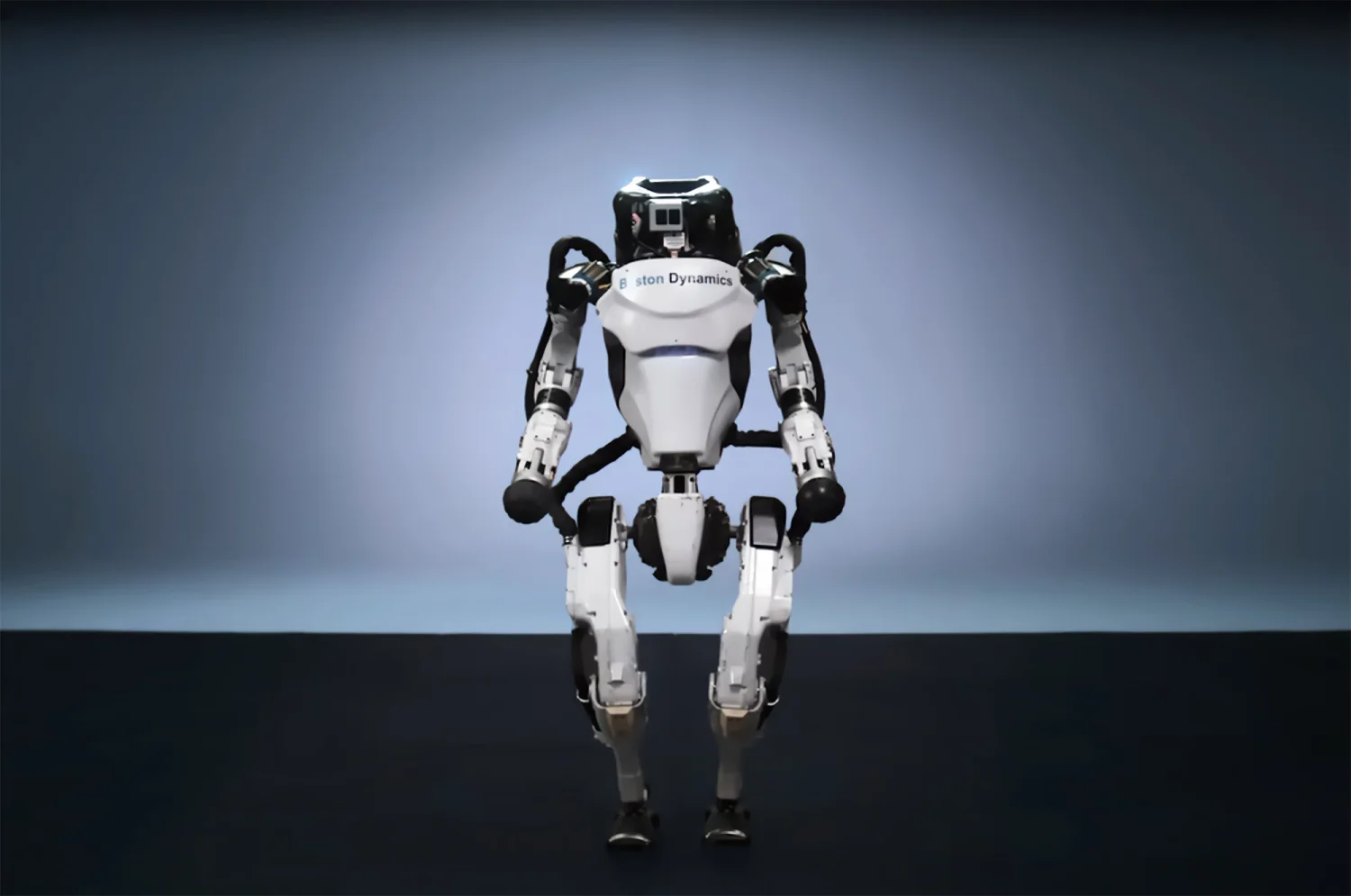
Standing 188cm tall and weighing 89kg, Atlas's bipedal frame supports 5.4km/h sprints, empowering prolonged human-side interactions like guiding assembly or collaborative lifting up to 11kg via grippers. Stereo cameras, LiDAR SLAM, RGB-depth fusion, limb force sensors, IMUs, gyroscopes, and joint monitors enable nuanced dexterity—grasping fragile parts or balancing mid-task. Safety layers like emergency stops and torque limits ensure trustworthy teamwork, while the Linux control stack facilitates custom skill programming for warehouse flows or research parkour.
Rivals Edge Analyzed
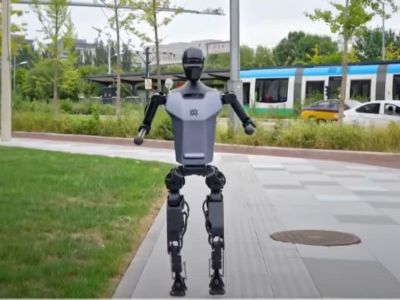
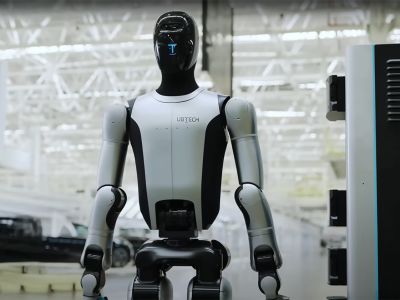
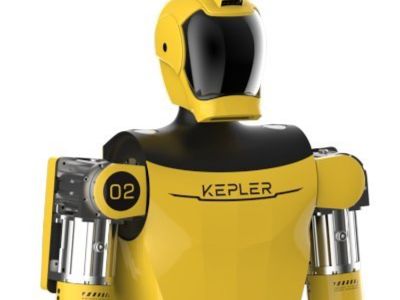
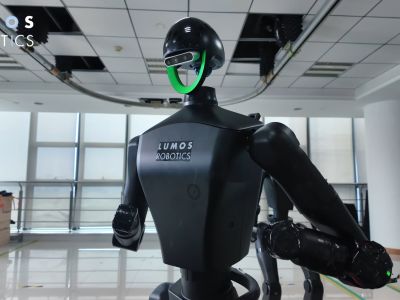
| Robot | Strengths over Atlas | Atlas Advantages | Weaknesses vs. Atlas |
|---|---|---|---|
| K2 Bumblebee | Lighter build for agility | Superior full-joint rotation, AI learning | Less payload (under 11kg grip) |
| DR01 | Cheaper actuators | Naturalistic gait, factory-proven safety | Slower speed (below 5.4km/h) |
| LUS2 | Compact for tight spaces | Heavier lift capacity, sensor fusion | Bulkier frame limits some maneuvers |
| Walker C | Extended battery sessions | Advanced SLAM navigation, Hyundai deployment | Weaker torque sensing precision |
Explore Humanoids
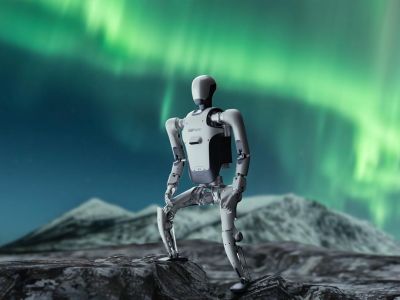
Sources
Related Articles
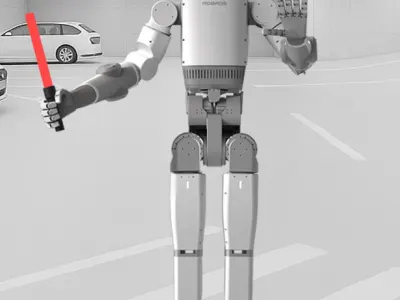
ROBROS Unveils IGRIS-C at CoRL 2025, Positioning Compact Humanoid for Service Industry Transformation

Musk Accelerates Optimus Sales to Public by Late 2027

Figure 02 Showcases Helix-Powered Household Autonomy
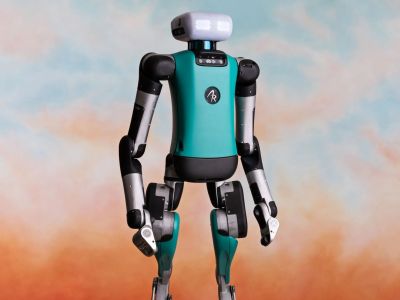
Digit Conquers OSHA Safety Inspection in Ecommerce Warehouse
Related Comparisons
Compare Atlas with similar robots
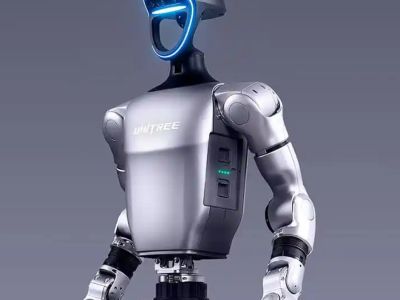
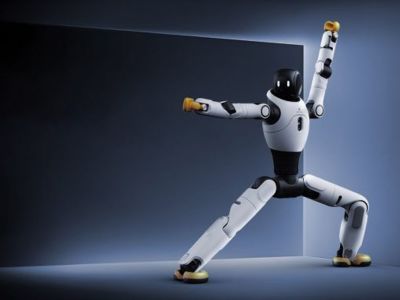
Unitree G1 vs AgiBot X2-N
Compare Unitree G1 vs AgiBot X2 for humanoid mobility, dexterity, autonomy, and payload capacity.
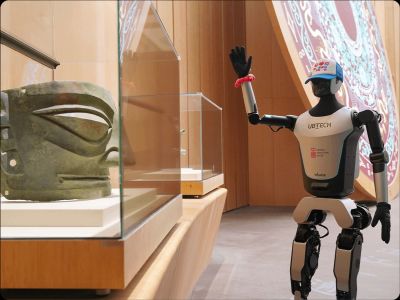
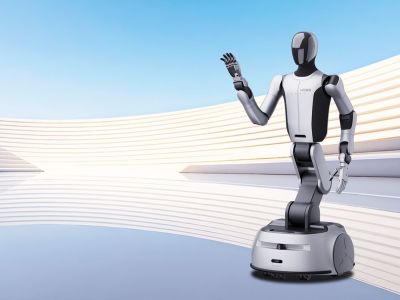
Walker C vs Cruzr S2
In-depth comparison of Walker C and Cruzr S2, covering hardware capabilities, teleoperation, and enterprise readiness.
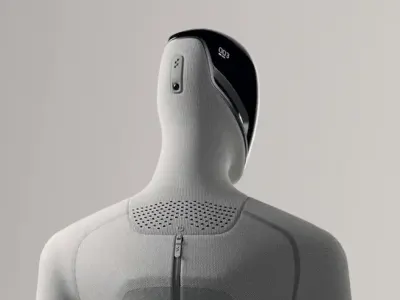
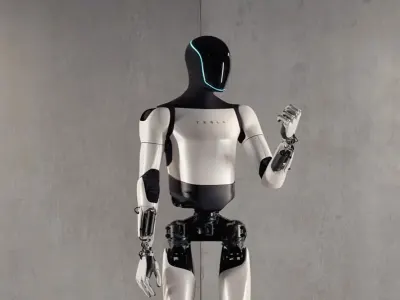
Figure 03 vs Optimus Gen 3
In-depth comparison of Figure 03 and Optimus Gen 3, covering hardware capabilities, teleoperation, and enterprise readiness.
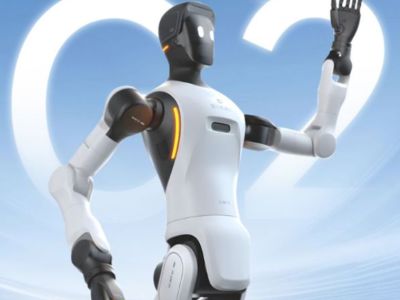
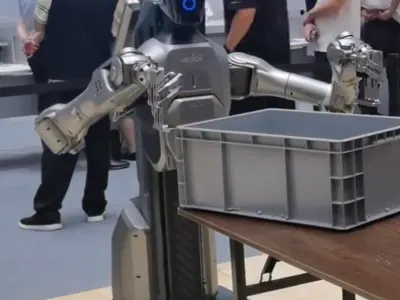
AgiBot G2 vs Cruzr Y1
Compare AgiBot G2 vs Cruzr Y1 for humanoid mobility, dexterity, autonomy, and payload capacity.
Learn More About This Robot
Discover detailed specifications, reviews, and comparisons for Atlas.
View Robot Details →