Blue Robin Unveils P-73 Humanoid Breakthrough
Robot Details
P-73 • Blue RobinPublished
February 18, 2026
Reading Time
2 min read
Author
Origin Of Bots Editorial Team
P-73 Launch Shakes Robotics
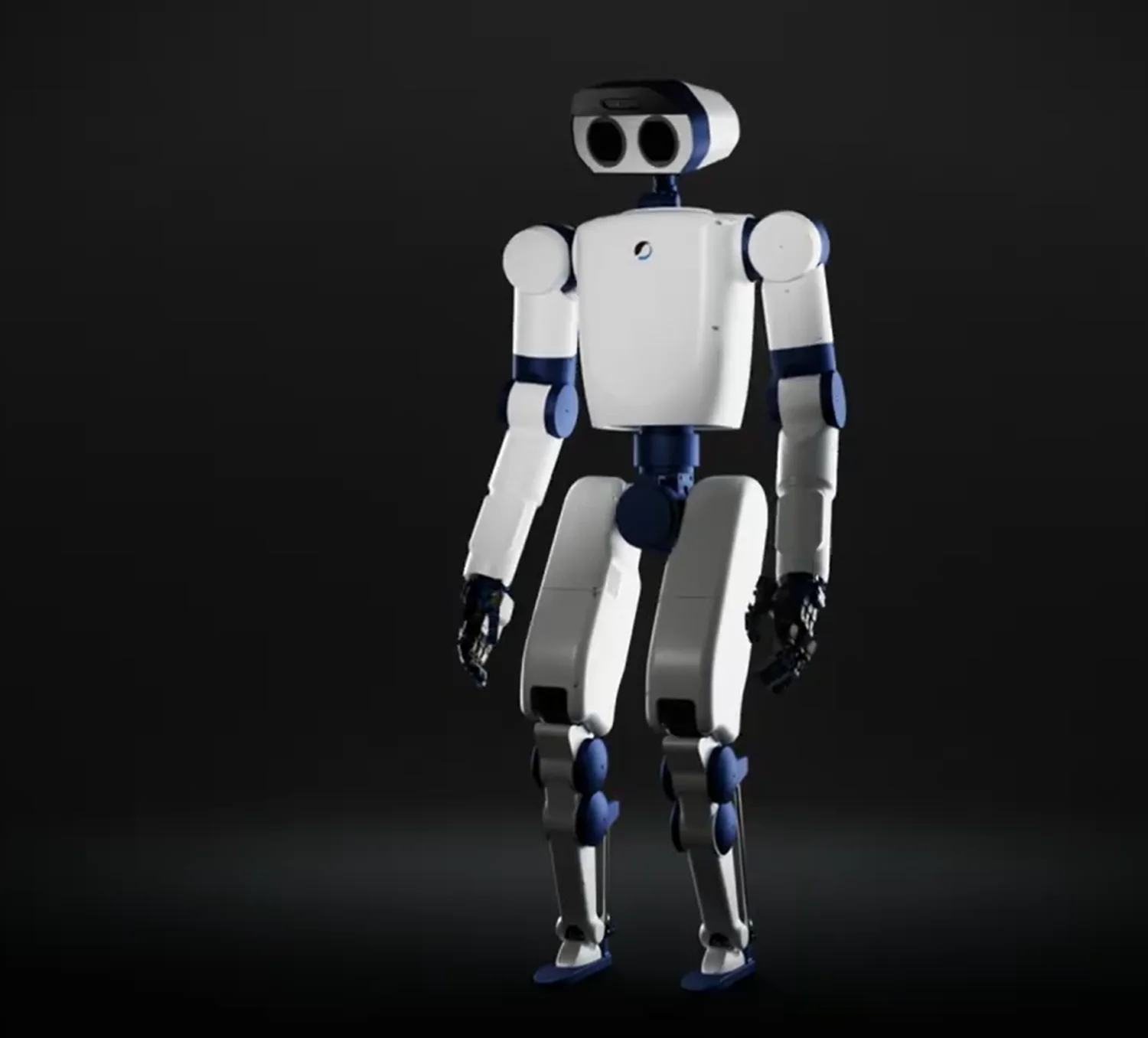
Blue Robin Inc. has introduced the P-73, a cutting-edge humanoid robot emerging from over a decade of bipedal research at Seoul National University's DYROS Lab. This spin-off venture debuted the platform recently, positioning it for transformative roles in factories, care settings, and research labs. Standing tall with human-like proportions, the P-73 promises to redefine human-robot collaboration by blending agile walking, dexterous grasping, and intuitive interaction, addressing labor shortages while enhancing safety in dynamic environments.
Dexterous Arms Transform Tasks
The P-73's dual arms, paired with modular Blue Robin Hands offering 8 degrees of freedom and 10N grip strength, master 16 grasp types for handling fragile items like precision instruments or daily packages. Its avatar system enables seamless motion retargeting, allowing remote operators to guide complex manipulations effortlessly. Meanwhile, imitation learning empowers the robot to adapt grasps on the fly, turning routine object handling into reliable, human-like performance that boosts productivity without constant reprogramming.
Locomotion Tech Redefines Stability
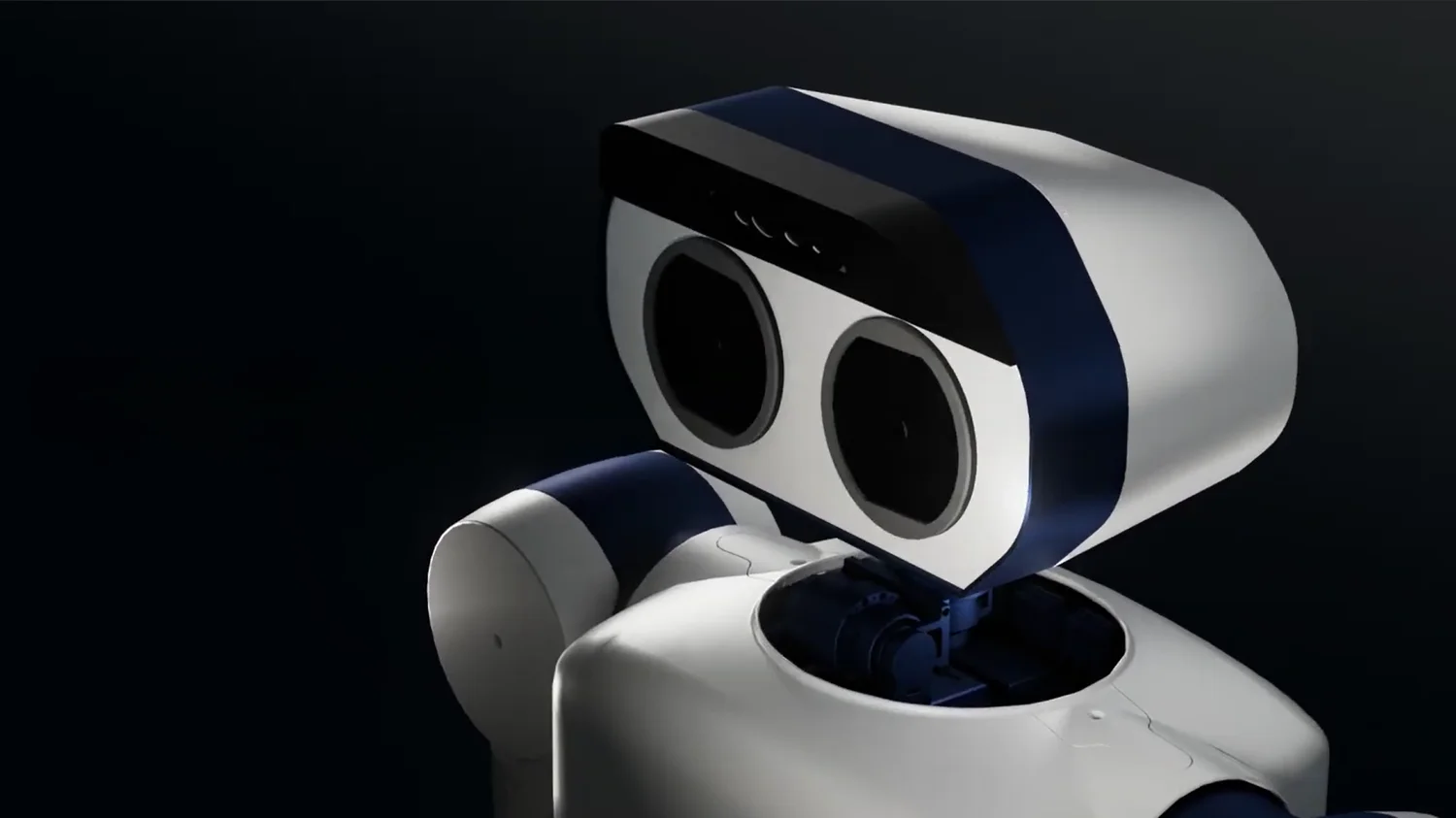
Engineers at Blue Robin pioneered hybrid model-based and learning-based controls for the P-73's 32 degrees of freedom, delivering stable bipedal strides across uneven floors or cluttered spaces. Integrated stereo and depth cameras fuel visual SLAM for precise indoor navigation, while force sensors and IMUs ensure responsive balance adjustments. This fusion propels the robot beyond static wheeled designs, enabling it to weave through human-populated areas with natural gait and quick recovery from perturbations.
Care Factory Synergies Emerge
In factories, the P-73 automates dual-arm assembly lines, lifting 5kg per arm for tools or parts amid collaborative workflows. Care assistance shines through safe people interactions, like handing medications or aiding mobility with gentle support. Researchers leverage its setup for object manipulation studies, while emergency scenarios benefit from its disaster response agility. These applications highlight the robot's versatility, fostering environments where humans focus on creativity as machines tackle repetitive or hazardous duties.
Skill Architecture Unlocks Interactions
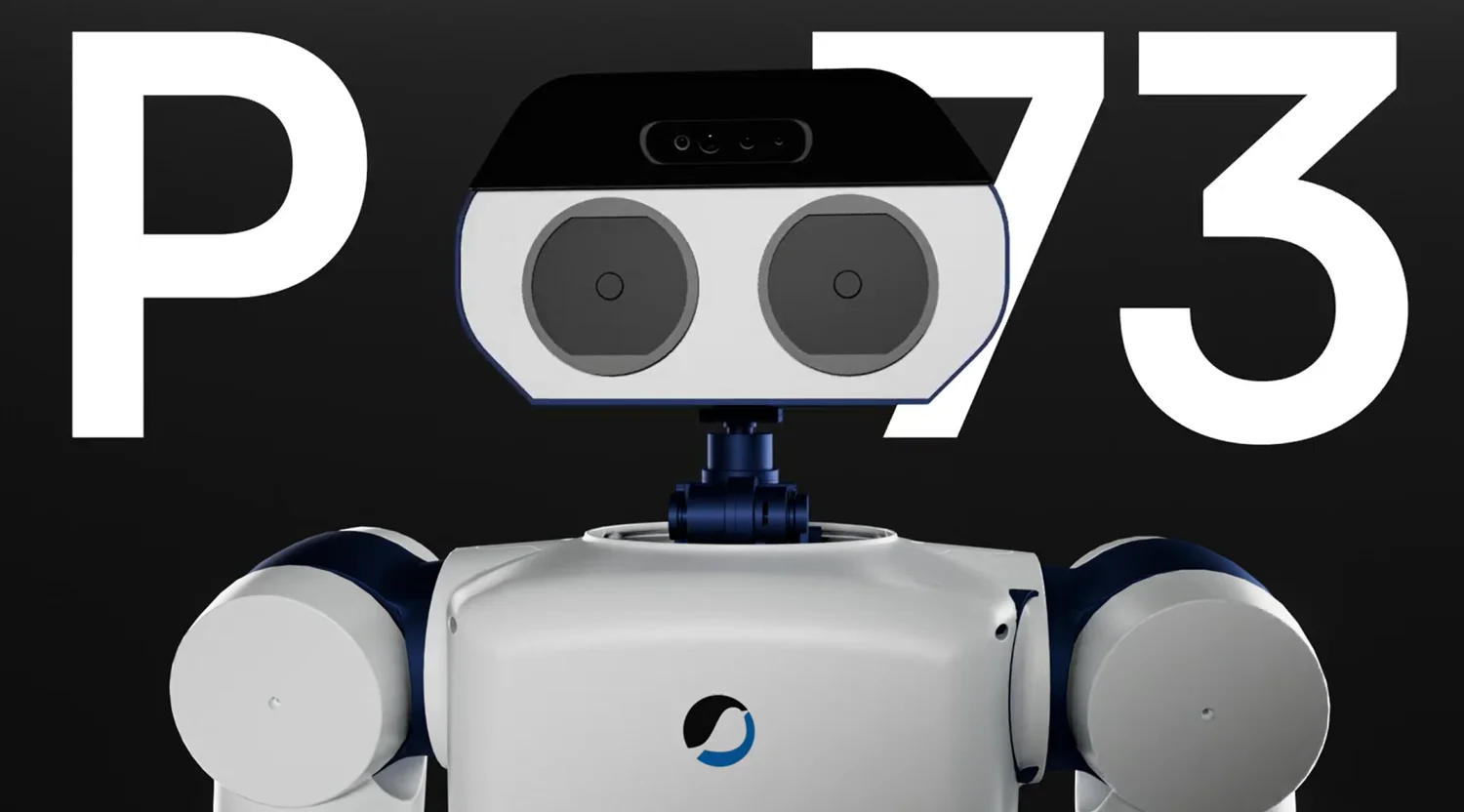
The P-73's compact 173 x 50 x 40 cm frame and 75 kg build support fluid bipedal mobility at 4.5 km/h, letting it shadow caregivers during extended 3-5 year battery sessions without downtime. RGB, stereo, and depth cameras paired with IMU, gyroscope, and force sensors enable nuanced dexterity, such as detecting subtle human cues for collaborative handoffs. Temperature monitoring ensures reliable operation in varied settings, while ROS2 and Python APIs empower developers to script personalized assistance skills, amplifying empathetic human-centric outcomes.
Rivals Faceoff Analysis
| Robot | Strengths over P-73 | P-73 Advantages | Weaknesses vs. P-73 |
|---|---|---|---|
| Martian | Higher payload capacity | Superior bipedal adaptability | Less dexterous hand grasping |
| LUS2 | Faster top speed | Longer 3-5 year battery life | Bulkier frame hinders indoors |
| Jupiter | More arm degrees of freedom | Advanced imitation learning | Inferior SLAM navigation |
| VR-H3 | Cheaper base model | Human-like proportions for interaction | Shorter operational endurance |
Explore Humanoids
Sources
Related Articles
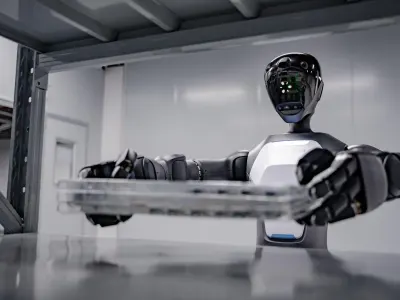
PaXini's Tora One Demonstrates Autonomous Mastery at CES 2026 with Ice Cream Service Task
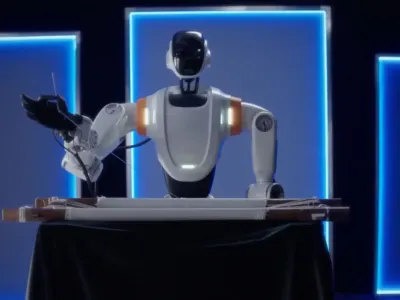
Chinese Robot Masters Hand Embroidery, Tackles Wire Harness Assembly
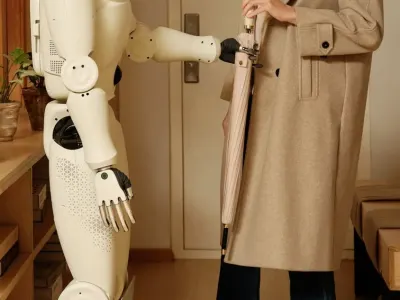
Zeroth's Jupiter Humanoid Debuts Amid M1 Launch Buzz
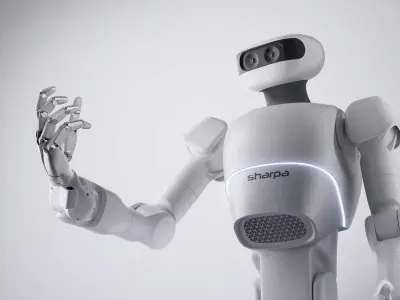
North Masters 30-Step Windmill Assembly at CES 2026
Related Comparisons
Compare P-73 with similar robots
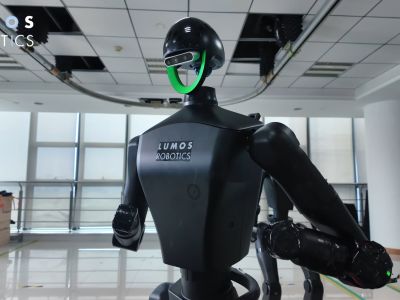
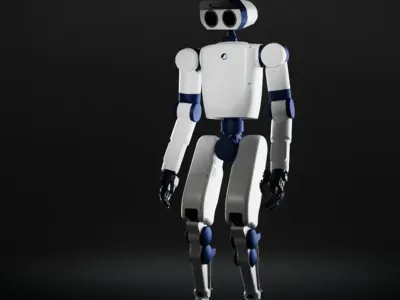
LUS2 vs P-73
Which humanoid robot is better? LUS2 vs P-73 compared for dexterity, AI capabilities, payload, and industrial use cases.
Jupiter vs P-73
Head-to-head: Jupiter vs P-73. Explore differences in speed, sensors, navigation, and software.

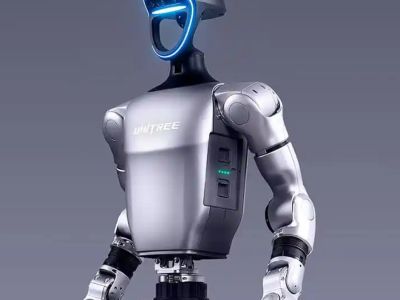
Optimus vs Unitree G1
Compare Optimus vs Unitree G1 for humanoid mobility, dexterity, autonomy, and payload capacity.
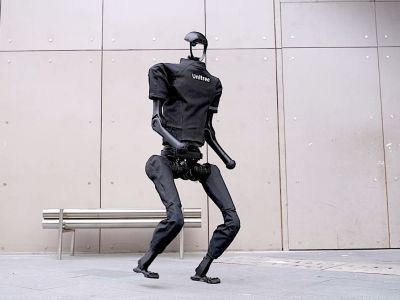
Unitree G1 vs Unitree H1
Head-to-head: Unitree G1 vs Unitree H1 compared on bipedal balance, AI learning, and real-world deployment.
Learn More About This Robot
Discover detailed specifications, reviews, and comparisons for P-73.
View Robot Details →