DLR’s GARMI pushes humanoid teleoperation into elder care and remote assistance
Robot Details
GARMI • German Aerospace Center (DLR)Published
May 27, 2026
Reading Time
3 min read
Author
Origin Of Bots Editorial Team
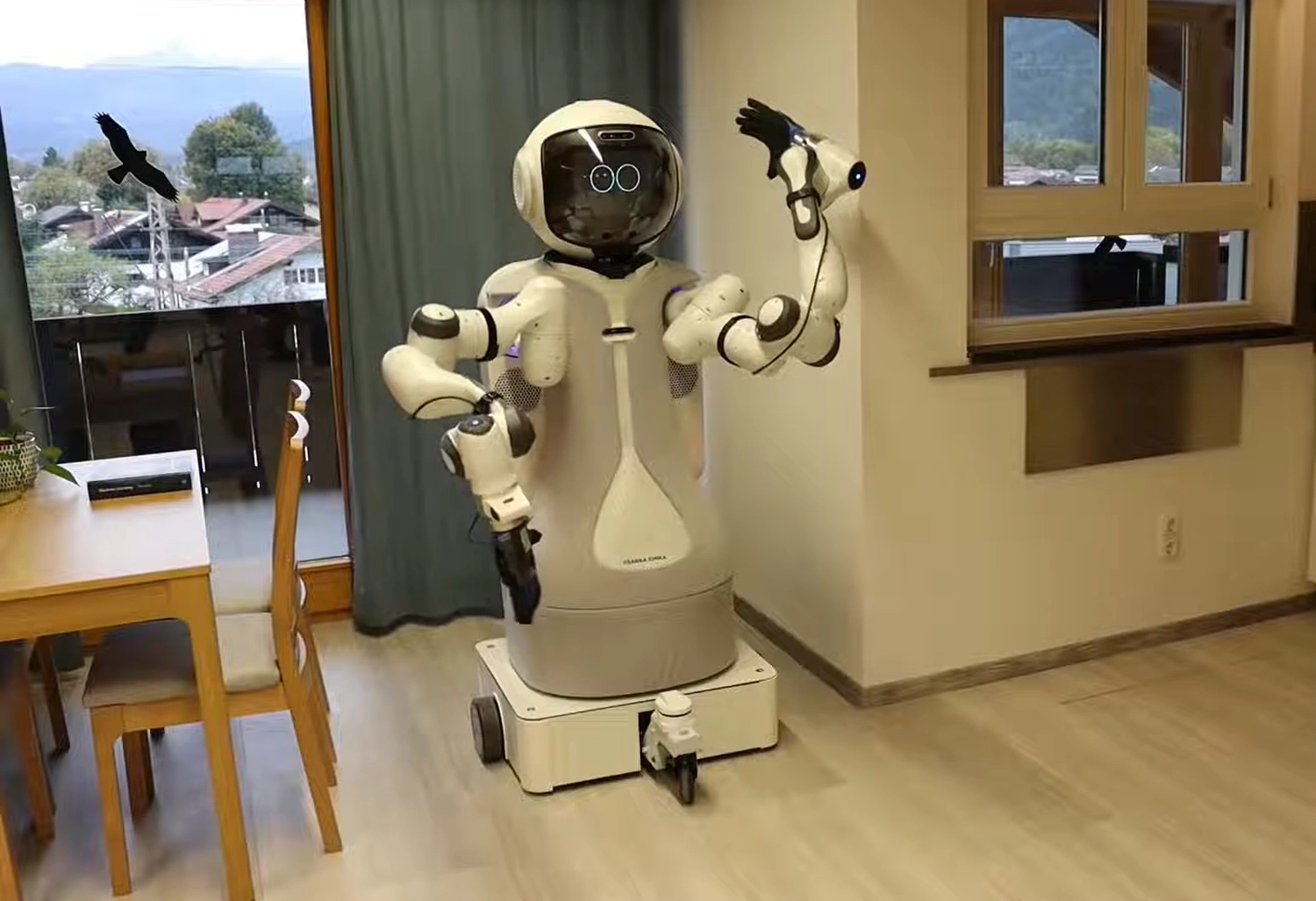
A service robot testbed
Humanoid robots are increasingly being developed to handle full-body motion imitation, balance, and delicate manipulation in human spaces, where teleoperation and safety matter as much as autonomy. At the German Aerospace Center’s Institute of Robotics and Mechatronics, GARMI is presented as a wheeled humanoid platform intended for elderly care, telemedical assistance, rehabilitation, and daily living support, with a design centered on direct human-robot interaction rather than fully autonomous roaming.
Why this matters
GARMI fits a broader shift in humanoids toward systems that can be guided by human operators when precision and trust are more important than open-ended autonomy. Its reported combination of full-body coordination, collaborative mode, force limiting, and sensors for body-state and medical-context data points to a robot built for natural interaction in constrained indoor settings. The practical appeal is not raw speed, but the ability to move safely around people while supporting teleoperation, inspection, and assistance tasks in places where balance and manipulation are difficult to automate. GARMI matters because it treats humanoid intelligence as an interaction problem, not just a locomotion problem.
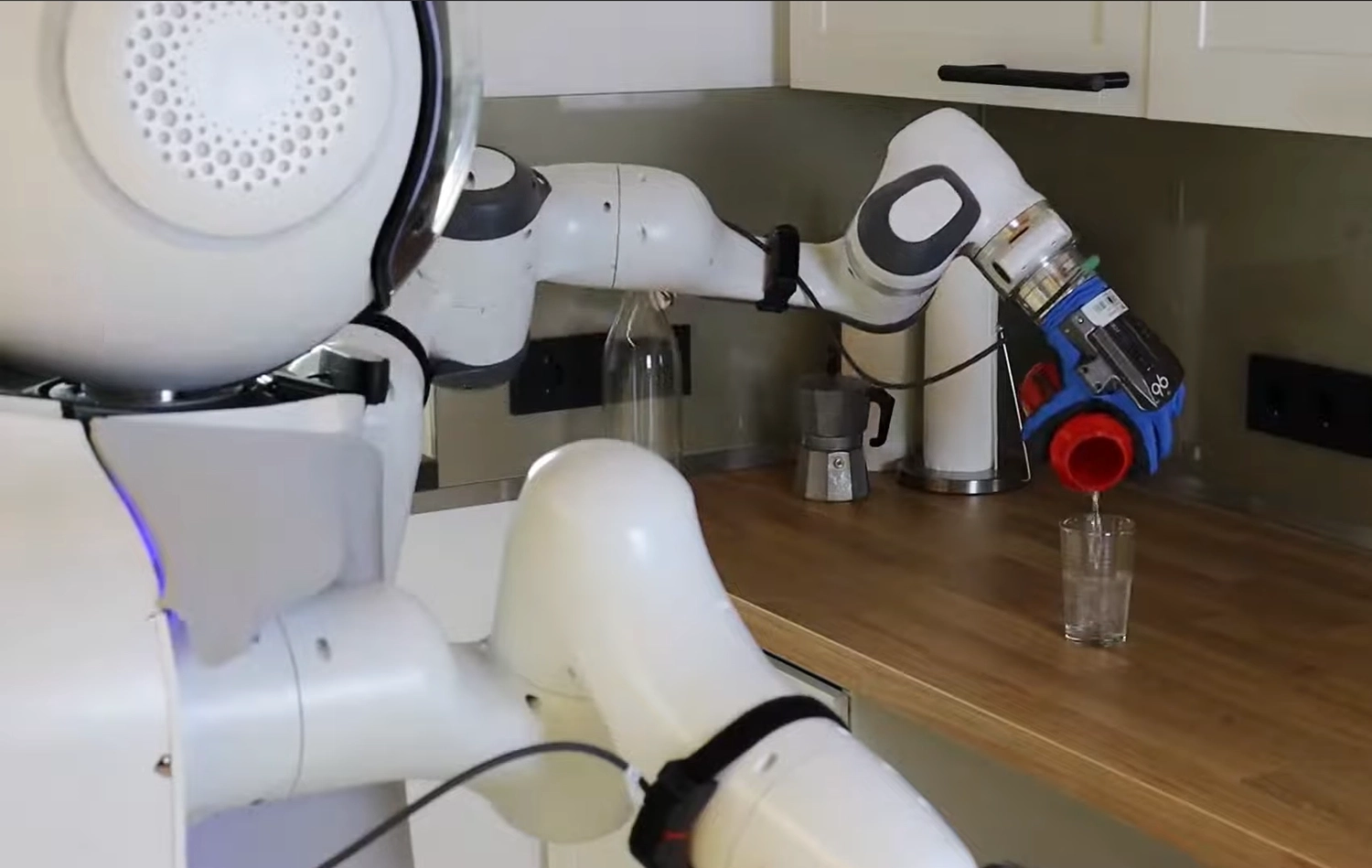
How it works
The basic system flow is human motion input, followed by AI model processing, then joint actuation with balance correction. In practice, that means operator movement or teleoperated intent is translated through software such as ROS2 and Python APIs into coordinated robot motion, while force sensing, torque sensing, IMU data, and vision inputs help the platform adjust posture and stay stable. That architecture is consistent with a humanoid designed for real-time imitation and careful physical interaction, especially indoors.
Care at home
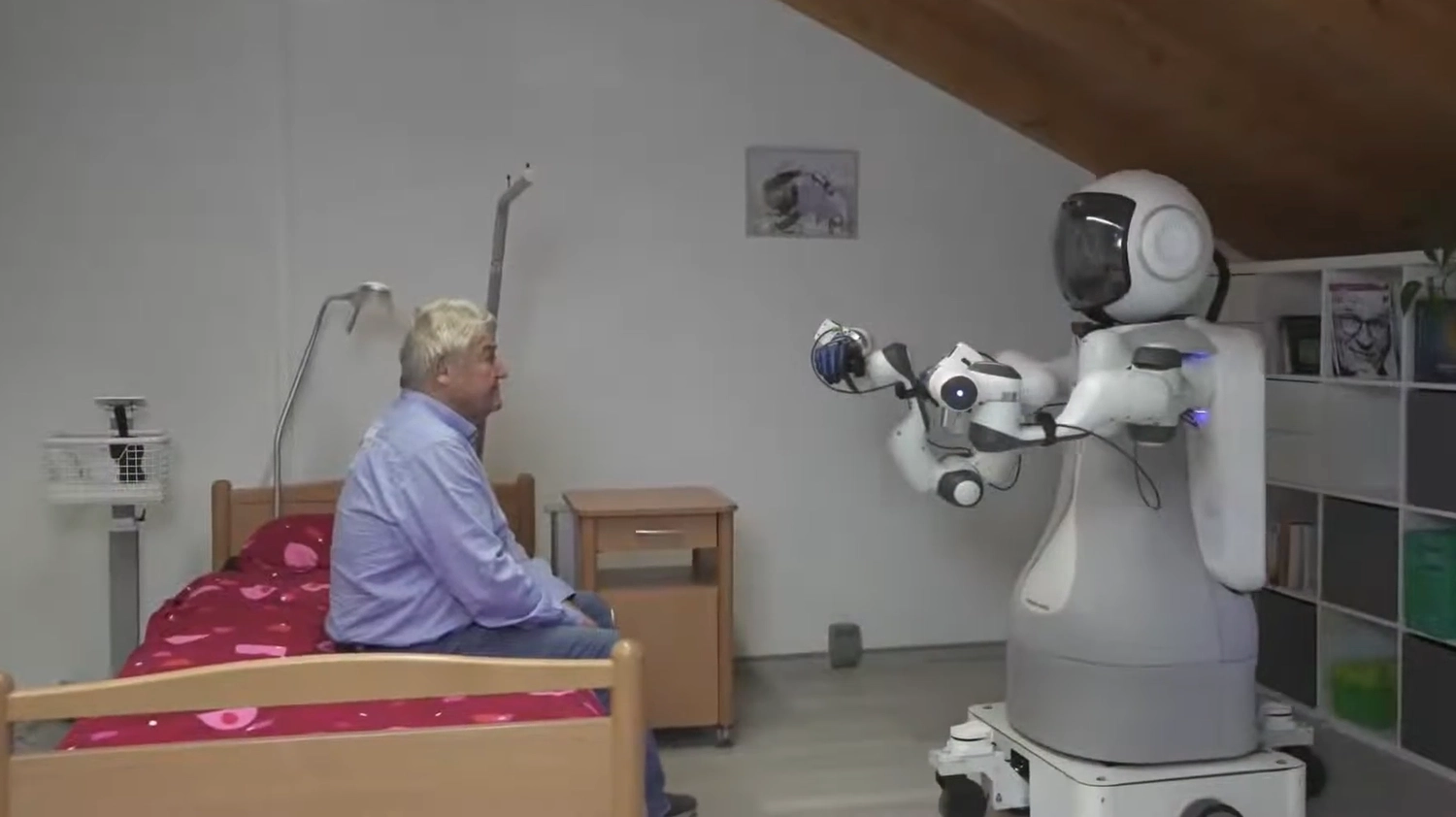
The clearest deployment scenario for GARMI is in-home support for older adults, where the robot can assist with daily routines while preserving direct oversight by a remote human operator. Its medical and interaction-oriented sensors, including ECG, blood pressure monitoring, ultrasound, and IoT inputs, suggest a platform meant to support telemedical assistance and rehabilitation workflows in a single living environment. In that setting, the value is not replacing clinicians or caregivers, but extending their reach into rooms, hallways, and bedside interactions that are difficult to cover continuously.
Capability over numbers
DLR’s published humanoid work describes systems built for human-centric collaboration, and GARMI is reported with wheeled mobility, indoor SLAM and visual SLAM for navigation, and safety functions including collision detection and emergency stop. The listed dimensions of 160 x 50 x 60 cm, weight of 50 kg, and speed of 1.5 km/h / 0.93 mph suggest a compact platform optimized more for controlled indoor movement than rapid traversal. Its battery life is reported at 3 to 5 years, which, if maintained in service, would support long-lived deployment rather than short experimental runs.
Rivals Edge Check
| Robot | Key Advantage | Where GARMI Wins | Target Use |
|---|---|---|---|
| EVE | Service-oriented platform often associated with structured indoor assistance | GARMI’s medical sensing and teleoperation focus better match bedside and care workflows | Assisted service in human-centric spaces |
| Beomni 1.0 | Teleoperation-first humanoid control for remote presence | GARMI adds elder-care framing and a broader sensor suite for health-adjacent tasks | Remote assistance and inspection |
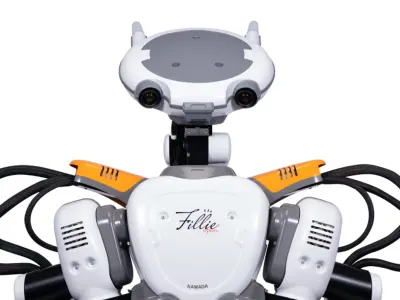
| NEXTAGE Fillie | Compact humanoid manipulation in constrained environments | GARMI is positioned more explicitly for daily living support and telemedical use | Human-centered service support |
| Abi | Humanoid interaction platform aimed at natural engagement | GARMI emphasizes balance, safety, and collaboration features for practical indoor deployment | Rehabilitation and care support |
A teleoperation shift
GARMI also reflects a wider industry signal: humanoids are increasingly being evaluated as remotely guided assistants for indoor work, not as fully autonomous general-purpose machines. That matters because teleoperation-first systems can reach useful deployments sooner in homes, clinics, and labs, where human oversight reduces risk and helps bridge the gap between lab demos and routine service. For DLR, the strategic value is in proving that natural motion, safety, and medical-context sensing can be integrated into one humanoid platform without overpromising autonomy.
Explore Humanoids

Sources
Related Articles
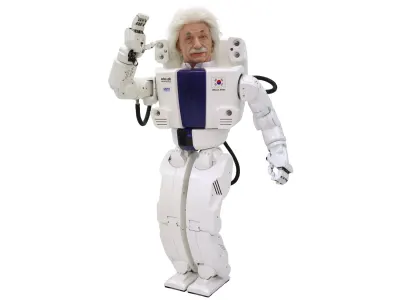
Albert HUBO showed how a humanoid can pair a lifelike head with bipedal motion in a research platform built for human interaction

Hanson Robotics’ Joey Chaos showed how expressive humanoids can hold a conversation, not just strike a pose
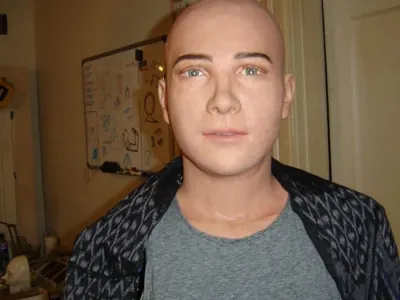
Hanson Robotics’ Jules Shows How Humanoid Robots Are Being Built for Human Interaction, Not Autonomy
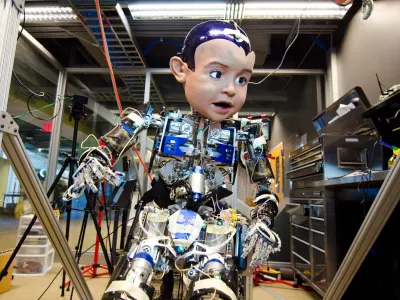
Hanson Robotics’ Diego-San remains a benchmark for toddler-like humanoid research
Related Comparisons
Compare GARMI with similar robots

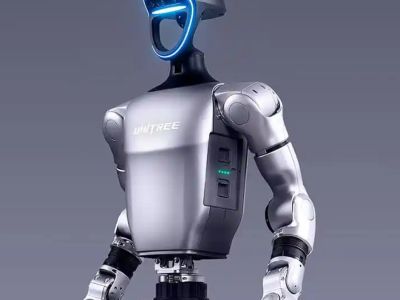
Optimus vs Unitree G1
Compare Optimus vs Unitree G1 for humanoid mobility, dexterity, autonomy, and payload capacity.
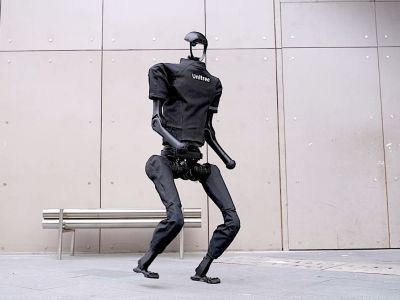
Unitree G1 vs Unitree H1
Head-to-head: Unitree G1 vs Unitree H1 compared on bipedal balance, AI learning, and real-world deployment.
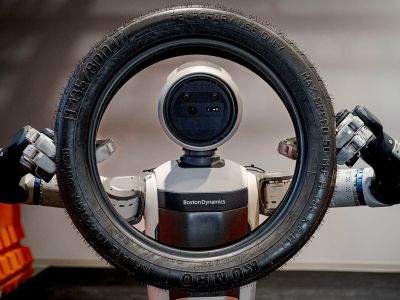
Optimus vs Atlas (Electric Atlas, 2025)
In-depth comparison of Optimus and Atlas (Electric Atlas, 2025), covering hardware capabilities, teleoperation, and enterprise readiness.

Ameca vs Moya
Which humanoid robot is better? Ameca vs Moya compared for dexterity, AI capabilities, and price.
Learn More About This Robot
Discover detailed specifications, reviews, and comparisons for GARMI.
View Robot Details →