Hanson Robotics’ Jules Shows How Humanoid Robots Are Being Built for Human Interaction, Not Autonomy
Robot Details
Jules • Hanson RoboticsPublished
May 25, 2026
Reading Time
3 min read
Author
Origin Of Bots Editorial Team
Human-Centric Purpose
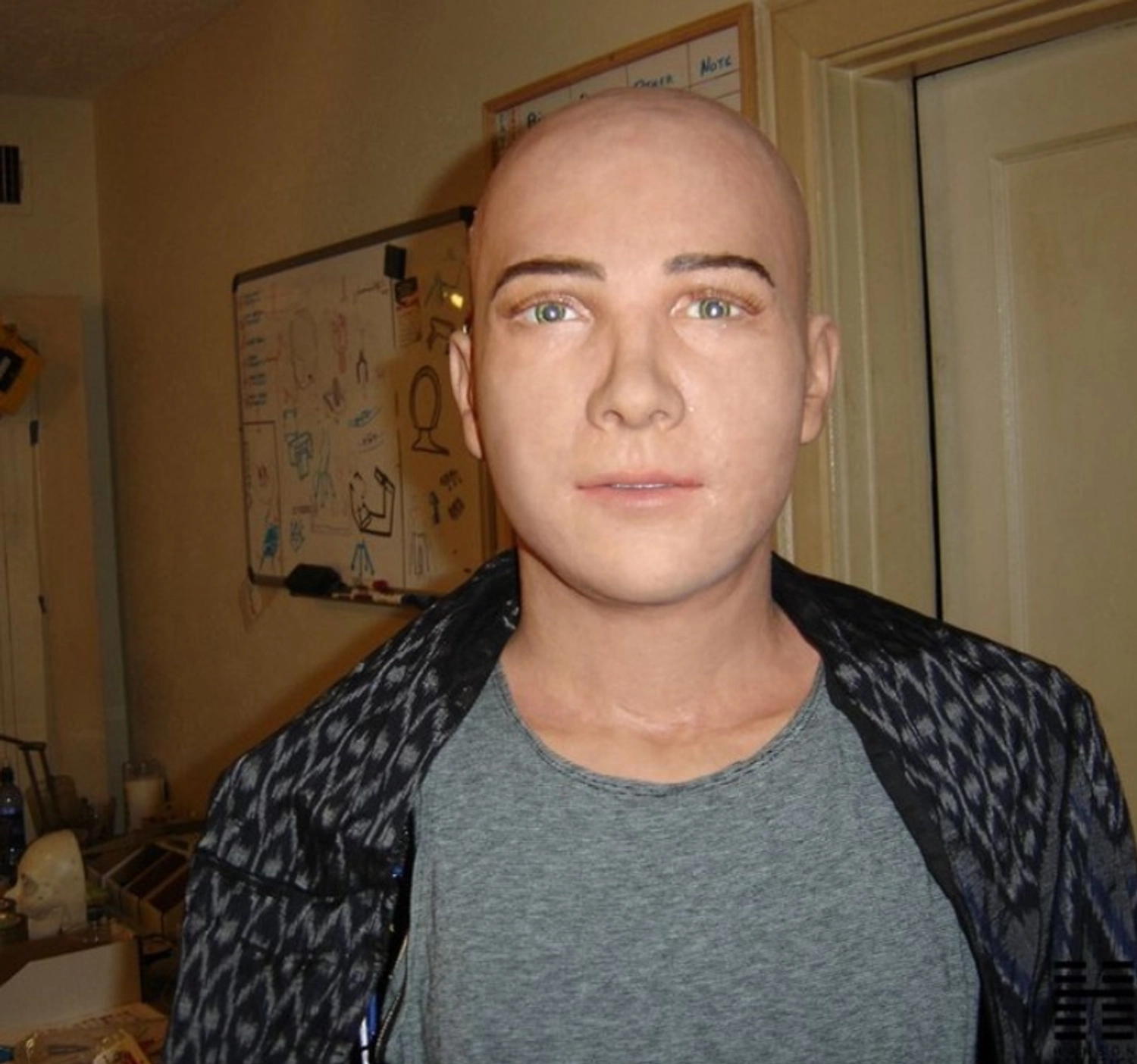
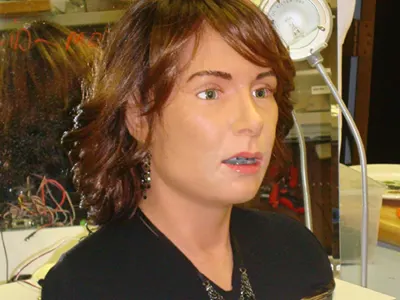
Humanoid robots are still trying to solve a basic problem in robotics: how to interact naturally with people in spaces built for people. Hanson Robotics’ Jules, a conversational character robot, was built and demonstrated as a face-to-face platform for expression, dialogue, and emotion mirroring rather than as a mobile worker. The robot’s public history links it to the University of the West of England and Hanson’s long-running effort to make humanoids that can read and reflect human cues.
Why Jules Stands Out
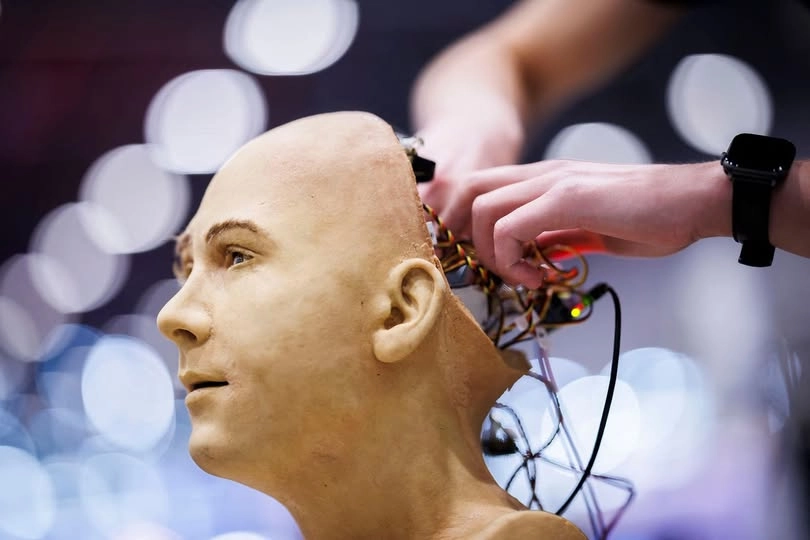
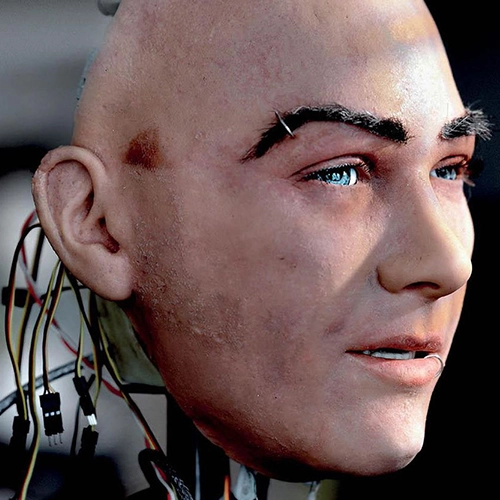
Jules matters because it sits at the intersection of expressive robotics and human-robot interaction research, where the value is less about speed and more about social realism. Its reported Frubber-based facial construction, camera-driven perception, and chatbot integration make it useful for studying how people respond to eye contact, facial mimicry, and conversational timing. Just as importantly, Jules represents a class of humanoid systems that are designed to communicate before they are designed to work independently. Jules is notable for treating facial expression as the core interface, not a side feature.
How It Works
The technical flow is straightforward: human motion or facial input is captured by RGB cameras and interpreted by the robot’s software layer, then converted into motorized facial responses through actuation and balance control systems. In practice, that means the platform is optimized for interaction loops such as gaze, expression matching, and conversation rather than open-ended navigation. The result is a humanoid that functions as an embodied dialogue system, with the body serving the conversation instead of moving through it.
A Lab Setting
The most realistic deployment scenario for Jules is a controlled research lab or robotics classroom studying human responses to lifelike robots. In that setting, researchers can test whether people trust the robot more when it mirrors expressions, how quickly users adapt to its conversational timing, and what kinds of facial cues trigger empathy or discomfort. That makes Jules especially relevant for studies of AI companionship and bio-digital interfaces, where the question is not whether the robot can travel, but whether it can hold attention and sustain a believable interaction.
Reported Capabilities
Publicly available information describes Jules as a relatively compact humanoid head-and-bust system, with reported dimensions around 30 x 20 x 25 and a weight near 5, making it easier to place in a fixed interaction space than to deploy as a roaming robot. Its stationary profile, lack of navigation system, and focus on people interaction reinforce that it is intended as a social interface rather than a field machine. The broader capability set, including RGB cameras, an IMU, gyroscope, collision detection, emergency stop, and proprietary chatbot integration, points to a platform built to support controlled interaction studies and expression research.
Rivals Edge Check
| Robot | Key Advantage | Where Jules Wins | Target Use |
|---|---|---|---|
| HRP-3 | Full-body humanoid research platform with strong posture and locomotion studies | More focused on facial interaction and conversational presence | Academic robotics research |
| Joey Chaos | Expressive humanoid concept for social interaction | More established public-facing research identity and documented use | Human-robot interaction demos |
| Albert HUBO | Humanoid body with robotic dexterity and walking research | Stronger emphasis on emotion display and dialogue | Robotics research and demonstrations |
| Eva | Socially expressive humanoid with engagement focus | Greater focus on facial realism and chatbot-style interaction | Public interaction and studies |
Industry Direction Shift
Jules also reflects a broader industry shift toward teleoperation-first and interaction-first humanoids, where the immediate value comes from controlled environments rather than fully autonomous field work. For companies and labs, that means the near-term benchmark is not whether a robot can replace a worker, but whether it can credibly hold a conversation, mirror expression, and support remote or supervised tasks in human-centric spaces. In that sense, Jules is a reminder that some of the most important humanoid progress is happening at the interface layer.
Explore Humanoids
Sources
Related Articles
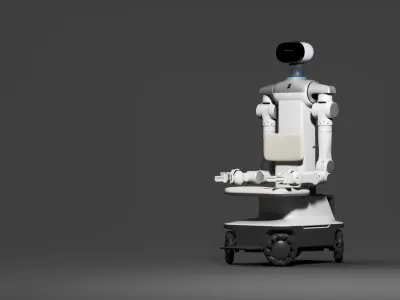
RobotGym’s Qijia Q1 pushes eldercare humanoids toward teleoperation-first service
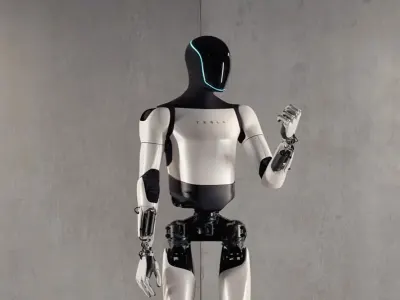
Tesla’s Optimus Gen 3 points to teleoperation-first humanoids as production nears
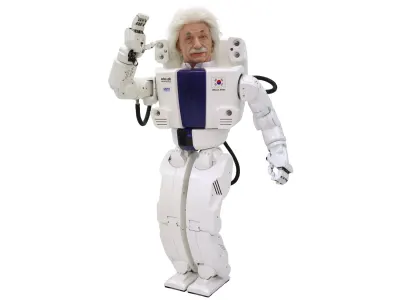
Albert HUBO showed how a humanoid can pair a lifelike head with bipedal motion in a research platform built for human interaction

Hanson Robotics’ Joey Chaos showed how expressive humanoids can hold a conversation, not just strike a pose
Related Comparisons
Compare Jules with similar robots
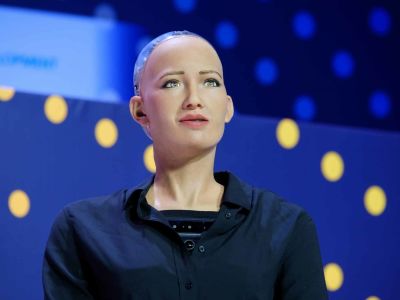

Sophia vs Aria - Robot Girlfriend
Head-to-head: Sophia vs Aria - Robot Girlfriend compared on bipedal balance, AI learning, and real-world deployment.

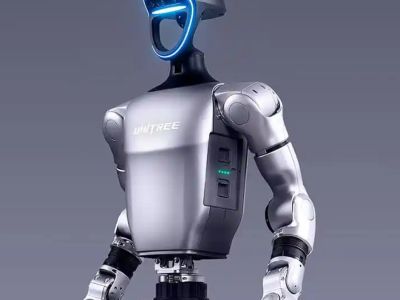
Optimus vs Unitree G1
Compare Optimus vs Unitree G1 for humanoid mobility, dexterity, autonomy, and payload capacity.
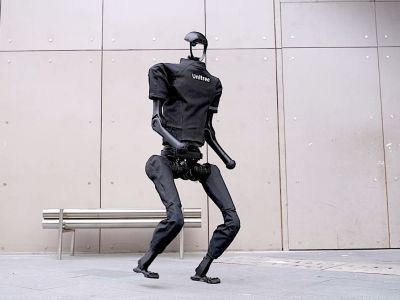
Unitree G1 vs Unitree H1
Head-to-head: Unitree G1 vs Unitree H1 compared on bipedal balance, AI learning, and real-world deployment.
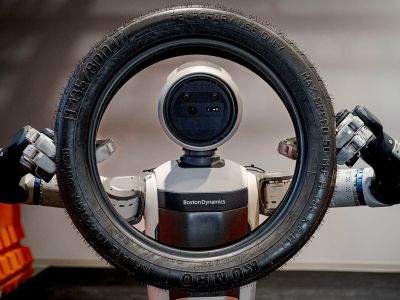
Optimus vs Atlas (Electric Atlas, 2025)
In-depth comparison of Optimus and Atlas (Electric Atlas, 2025), covering hardware capabilities, teleoperation, and enterprise readiness.
Learn More About This Robot
Discover detailed specifications, reviews, and comparisons for Jules.
View Robot Details →