Muks Robotics’ Spaceo M1 Pushes a Teleoperation-First Humanoid Into Service Roles
Robot Details
Spaceo M1 • Muks RoboticsPublished
June 8, 2026
Reading Time
3 min read
Author
Origin Of Bots Editorial Team
Service Robots Move In
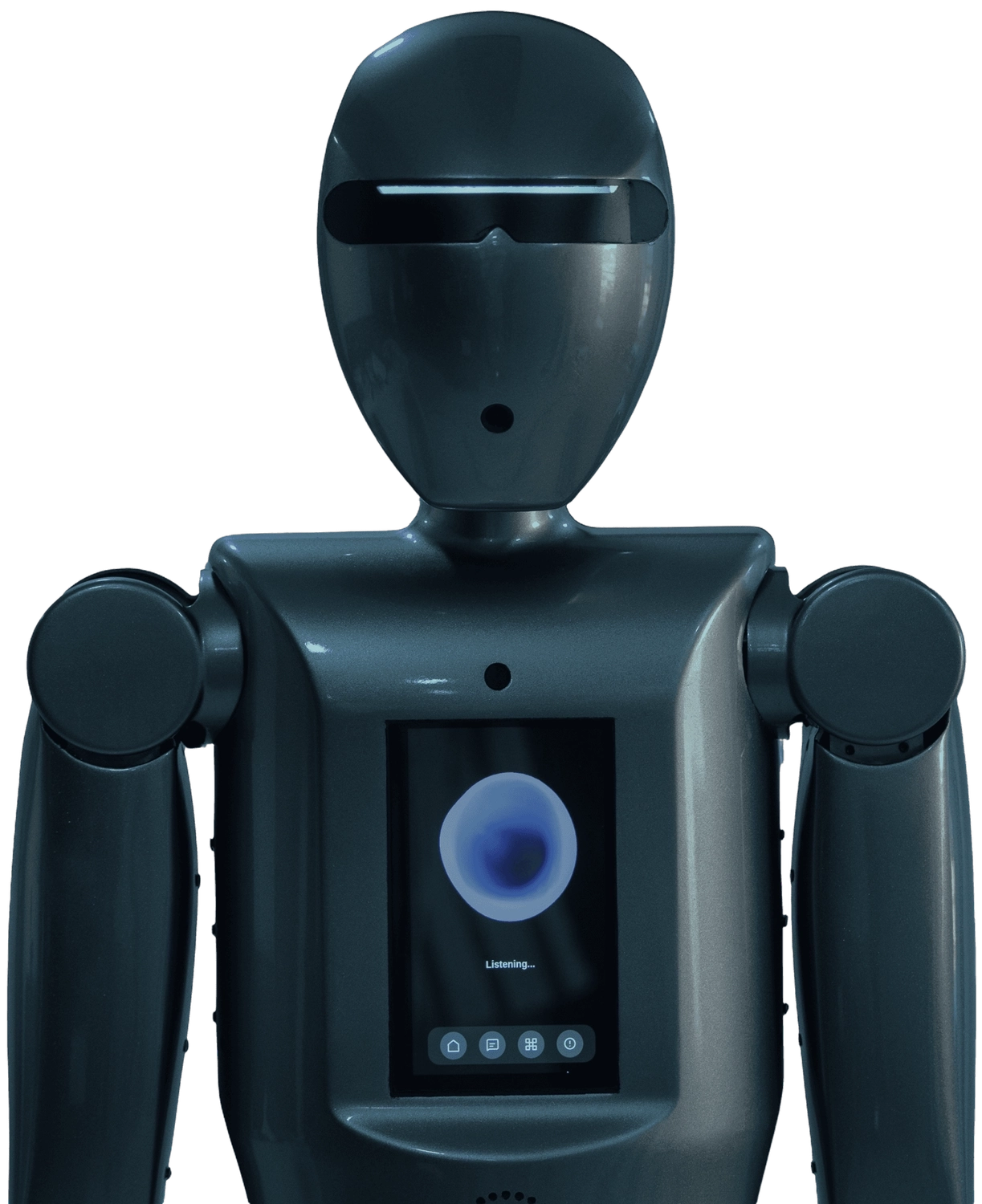
Humanoid robots are being pushed toward human-centric spaces because the hardest part is not walking, but moving naturally, staying balanced, and interacting in real time. Muks Robotics’ Spaceo M1 has been presented as a social humanoid built in India that combines service-oriented mobility with FusionMax Omni-Modal AI, targeting visitor guidance, product explanation, delivery, and queue handling.
Why It Matters
Spaceo M1 stands out less for a single mechanical trick than for how its design connects motion, conversation, and task handling in one platform. Its reported wheeled humanoid form factor, multimodal sensing stack, ROS2-compatible software, and Python APIs point to a machine intended for teleoperation and assisted service rather than lab-only demos. The listed use cases also place it in places where social interaction matters as much as movement, including airports, reception areas, and public-facing lobbies. Spaceo M1 is notable because it treats humanoid work as an interaction problem, not just a locomotion problem.
How It Works
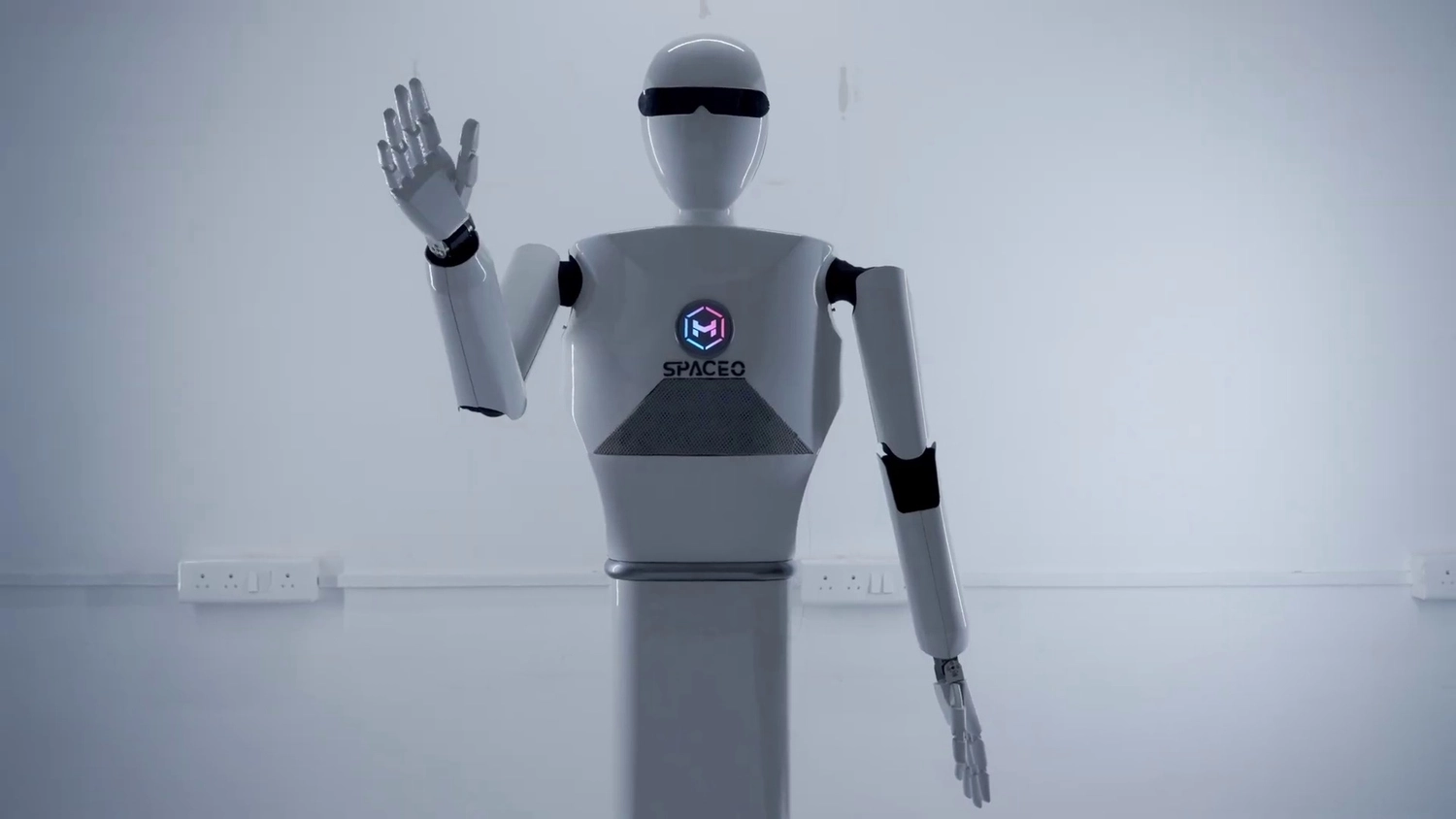
The core system flow is straightforward: human motion input or operator intent goes into AI processing, then the robot translates that into joint actuation and balance correction. In practical terms, its indoor SLAM, LiDAR mapping, and visual SLAM are meant to help it understand where it is, while its sensors feed the control stack with visual and spatial data for navigation and interaction. That architecture fits a teleoperation-first humanoid that must keep moving safely in crowded, human-facing environments.
Airport Assistance
One of the clearest deployment scenarios for Spaceo M1 is airport guidance, where the robot can direct passengers, support queue management, and help with visitor registration in a highly structured indoor space. That setting rewards a humanoid that can speak with people at eye level, move through corridors, and handle repeated information requests without relying on a fixed kiosk. In that role, the robot is not replacing airport systems so much as extending them into a mobile interface that can meet travelers where they are.
What The Specs Enable
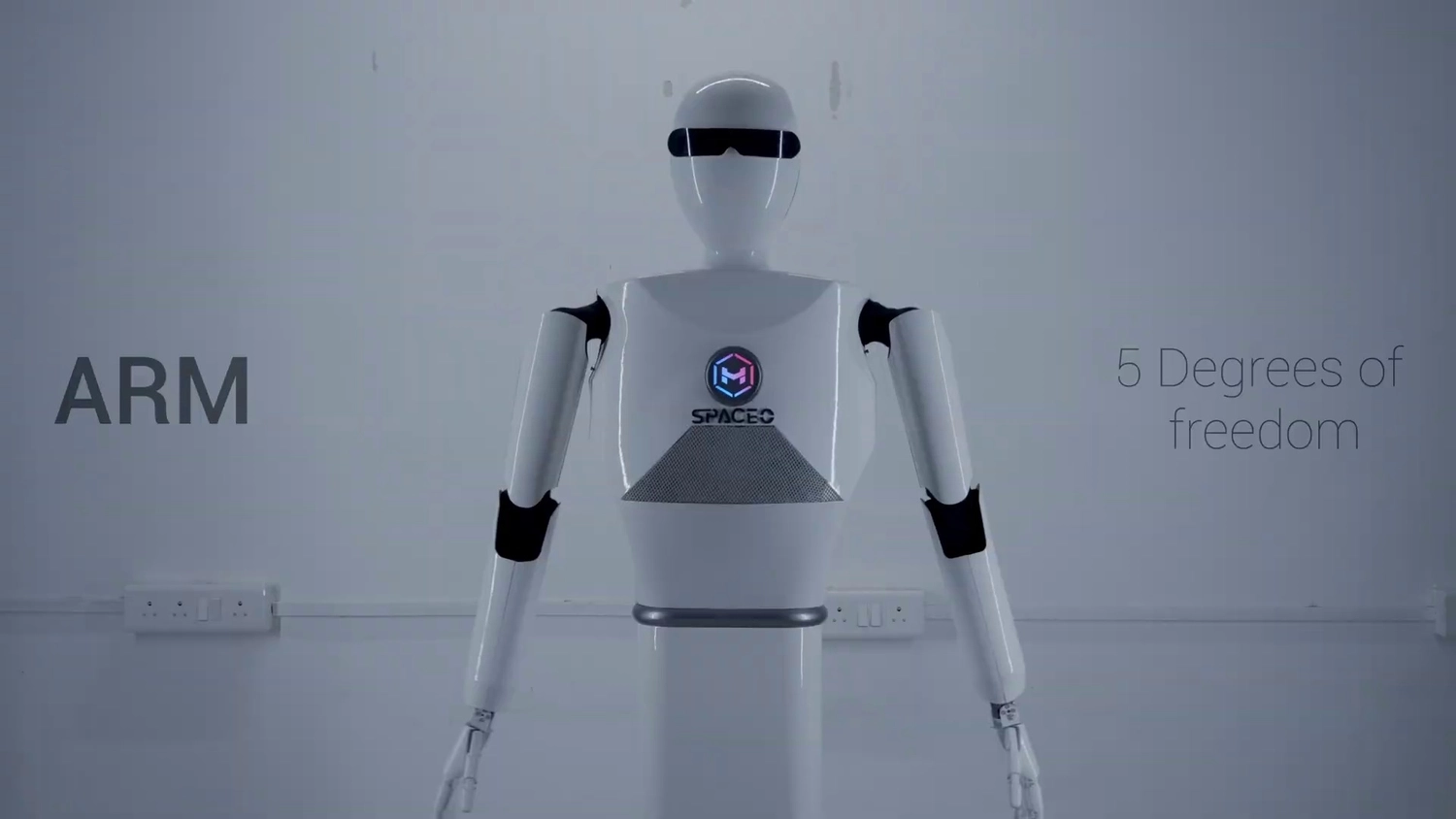
At 162.5 x 42 x 39 cm and 45 kg, Spaceo M1 is sized to fit human spaces without reading as an oversized industrial machine. Its reported 1.5 m/s speed suggests it can keep pace with indoor service flows, while the stated 3-5 year battery life implies a platform designed for long operational cycles. The listed RGB Full HD 60 FPS camera, 3D LiDAR, RGB-D depth camera, microphone array, IMU, and gyroscope support the kind of perception stack needed for navigation, human interaction, and stability in crowded interiors.
Rivals Edge Check
| Robot | Key Advantage | Where Spaceo M1 Wins | Target Use |
|---|---|---|---|
| Tron 2 | Stronger emphasis on embodied motion and humanoid presence | Reports point to clearer service deployment framing and ROS2-ready software | Assisted service and indoor guidance |
| Sourccey | Often positioned around general humanoid experimentation | Spaceo M1 appears more purpose-built for public-facing interaction and teleoperation | Reception and queue support |
| David | Likely stronger in specific lab or demo workflows | Spaceo M1 is presented with broader human-centric use cases and multimodal sensing | Visitor-facing service tasks |
| Zerith H1 | Typically associated with emerging humanoid capability sets | Spaceo M1’s reported navigation stack and Python access suggest faster integration | Indoor service and remote operation |
Industry Direction
The broader signal is that humanoid robotics is moving toward teleoperation-first systems that can work in human spaces before full autonomy is solved. That matters because service, inspection, and reception tasks reward reliability, integration, and supervised control more than acrobatic demonstrations. Spaceo M1 fits that trend by combining humanoid interaction, indoor navigation, and a software stack aimed at practical deployment rather than standalone spectacle.
Explore Humanoids
Related Articles
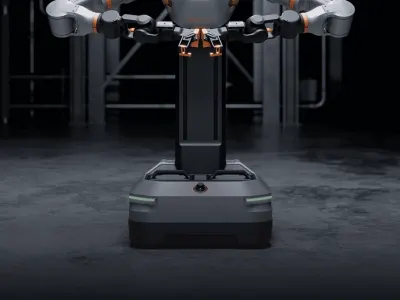
Robot.com’s R Top highlights the shift toward teleoperated humanoids for fixed workstations
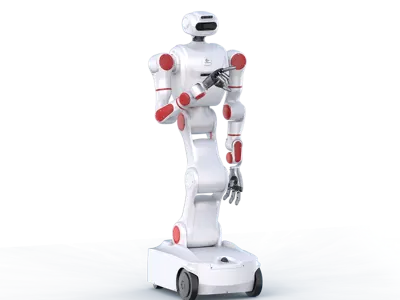
Galbot positions S1 for heavy factory work as wheeled humanoids push into production-line deployment
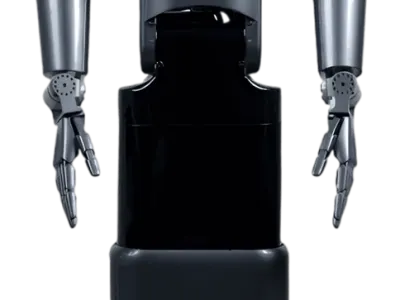
ChangingTek Robotics’ Universal Wheeled Humanoid Robot points to teleoperation-first humanoids for human workspaces
Muks Robotics’ Spaceo Pro pushes humanoid robots toward teleoperation-first industrial work
Related Comparisons
Compare Spaceo M1 with similar robots

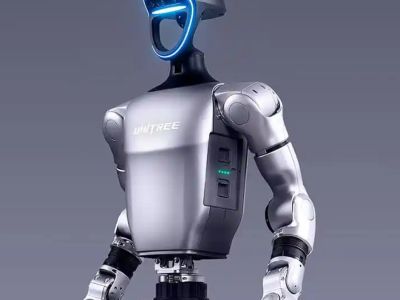
Optimus vs Unitree G1
Compare Optimus vs Unitree G1 for humanoid mobility, dexterity, autonomy, and payload capacity.
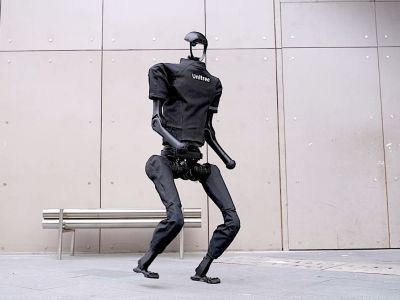
Unitree G1 vs Unitree H1
Head-to-head: Unitree G1 vs Unitree H1 compared on bipedal balance, AI learning, and real-world deployment.
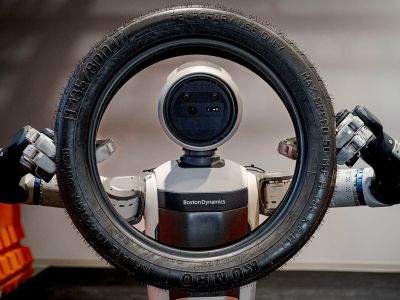
Optimus vs Atlas (Electric 2025)
In-depth comparison of Optimus and Atlas (Electric Atlas, 2025), covering hardware capabilities, teleoperation, and enterprise readiness.
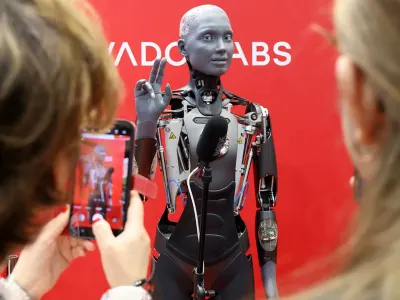
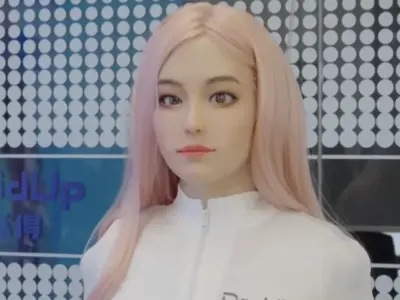
Ameca vs Moya
Which humanoid robot is better? Ameca vs Moya compared for dexterity, AI capabilities, and price.
Learn More About This Robot
Discover detailed specifications, reviews, and comparisons for Spaceo M1.
View Robot Details →