NEURA Robotics Unveils Neuron AI, a Robot Brain That Can Feel, Hear and Remember
Robot Details
4NE-1 Mini • NEURA RoboticsPublished
October 14, 2026
Reading Time
4 min read
Author
Origin Of Bots Editorial Team
A Robot That Listens for the Click
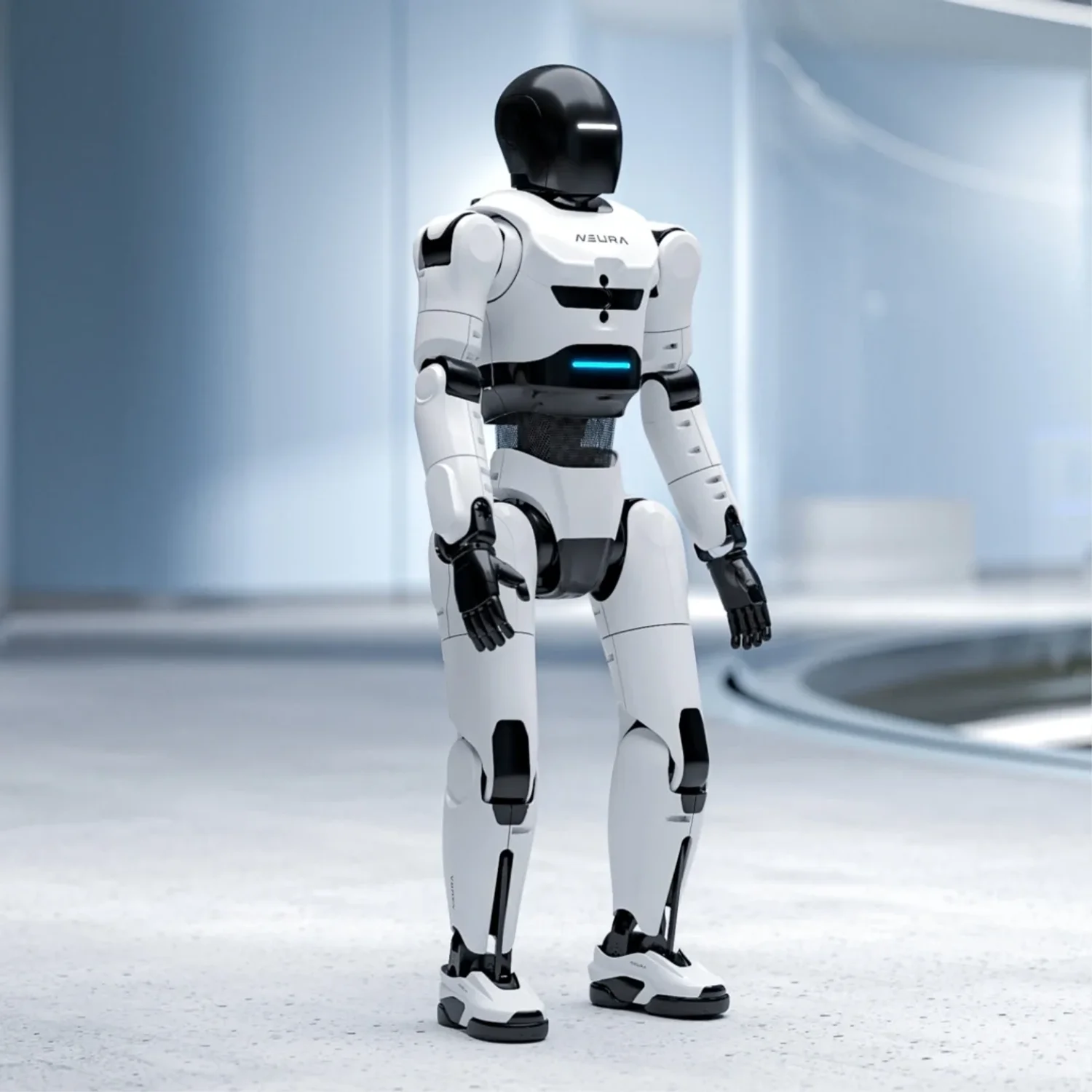
Germany's NEURA Robotics announced Neuron AI on October 14, a new artificial intelligence system designed to act as the brain of its robots. Unlike most robot AI, which relies mainly on cameras, Neuron AI also takes in touch, sound and memory, so a machine can notice what it cannot see.
Why should anyone outside a lab care? Many everyday jobs, from plugging in a cable to doing the laundry, depend on feel and sound as much as sight. A robot that can sense a connector click into place or remember where it left a sock is much closer to being genuinely useful.
Beyond Seeing: A Brain Built From Senses
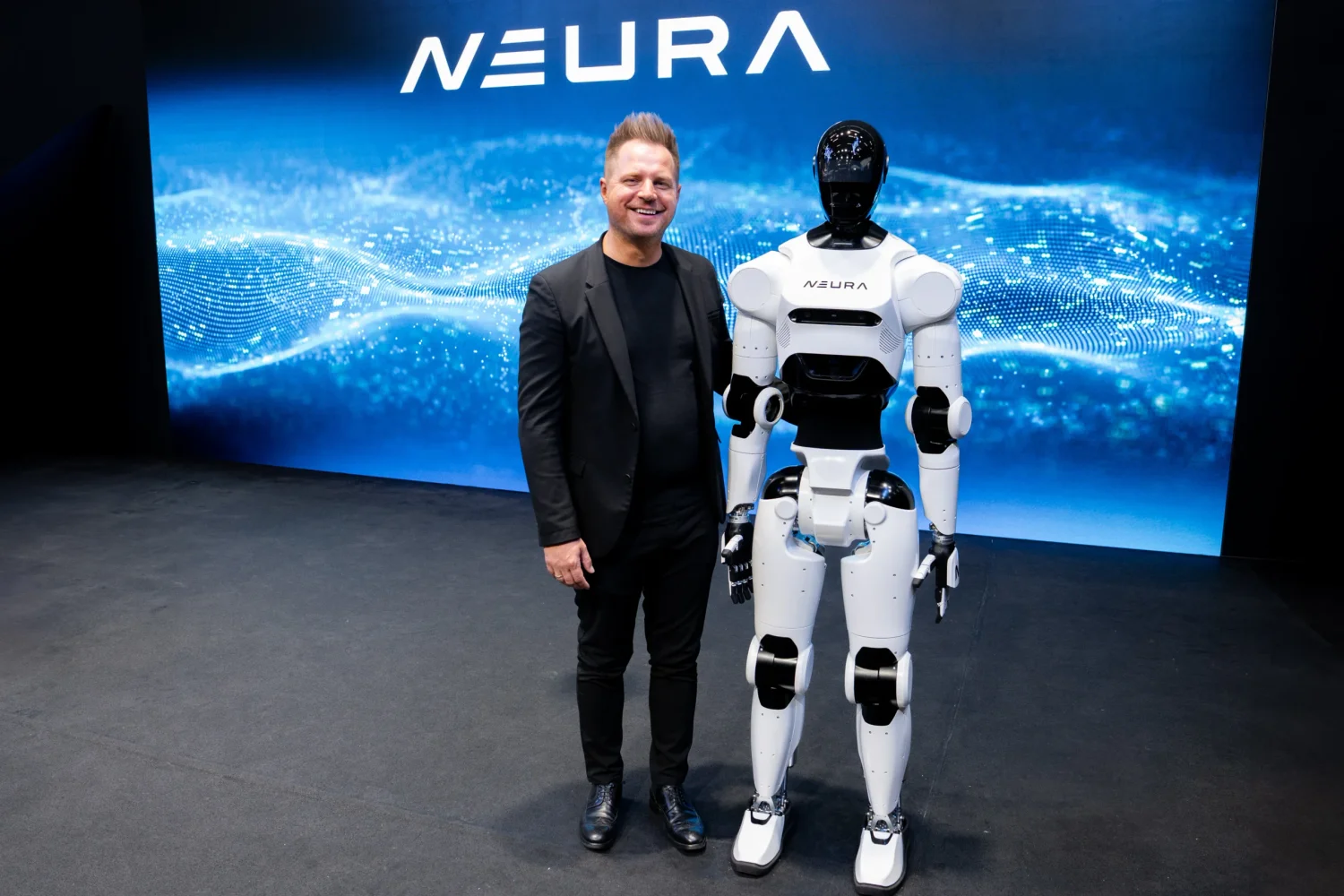
NEURA calls Neuron AI a multimodal foundation model. In plain words, it is one large AI system trained on many types of information at once, rather than separate programs for each sensor. It combines 3D vision, touch and force, audio, the robot's own body position and spoken language.
The company names its design Perception-Language-Action. The idea is that everything the robot senses is placed in one shared picture over time, linked to what it has already done, and turned into a single stream of movements. Instead of reacting to snapshots, the robot follows an unfolding situation.
Why Memory Changes Everything
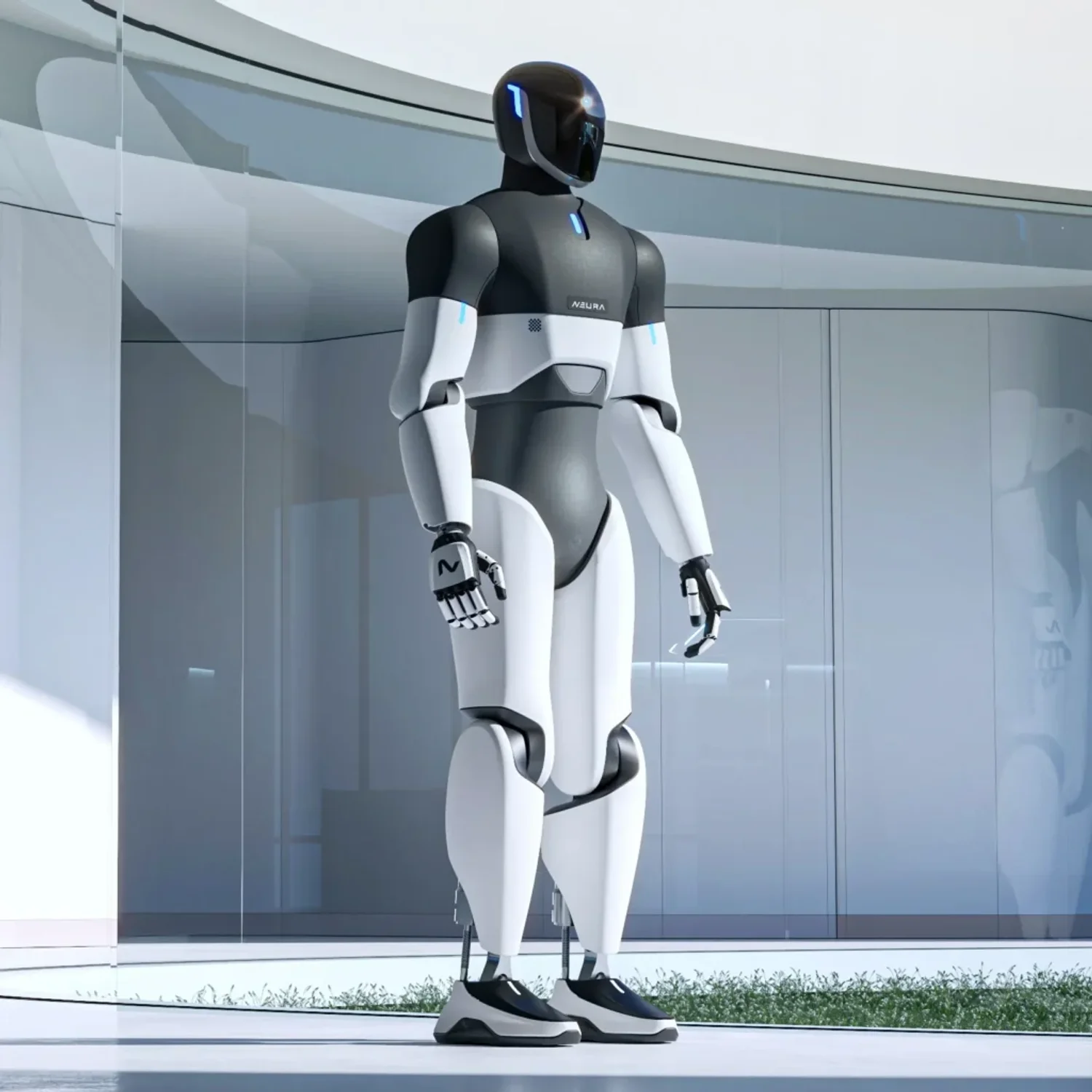
The headline feature is memory. Many robot AI systems effectively forget an object once it leaves the camera's view. NEURA says it changed its architecture and training data so Neuron AI keeps track of things it can no longer see, an ability scientists call object permanence, which babies develop in their first year.
Memory also helps a robot understand cause and effect. If it closed a washing machine door a minute ago, it should know the clothes are inside without peeking. NEURA argues that this kind of continuity is essential for long tasks with many steps, where one forgotten detail can derail everything.
Touch and Sound as Quality Checks
The company gives practical examples of the extra senses at work. Touch and force sensing can reveal whether a screw has actually caught its thread, something hard to judge visually. Sound can confirm that a lock has opened or a plug has clicked home, small signals human workers rely on constantly.
NEURA even suggests audio could help judge the quality of a weld seam, a job where experienced welders often listen as much as they look. These are company claims for now. NEURA has not published independent benchmark results showing how much the extra senses improve success rates.
Eleven Minutes of Laundry, No Help
The first public test is a household chore. At NVIDIA's GTC Berlin conference, running October 20 to 22, NEURA's 4NE1 humanoid, a robot shaped roughly like a person, is set to work through an eleven-minute laundry sequence without any human stepping in to help.
The robot must sort the clothes, load the washing machine and close it, reopen it later, unload the wet laundry and move it into the dryer. Each step depends on remembering the last one, which is why NEURA chose it. A live demo, however, is not the same as reliable everyday use.
Where the Training Data Comes From
Teaching such a system needs enormous amounts of examples. NEURA says it draws on three sources: real robots recording synchronised vision, touch, sound and movement in its training centres, called NEURA Gyms; simulated variations of tasks generated by computer; and people wearing sensor-packed suits who demonstrate tasks for the robots to learn from.
Partners help too. NEURA says data partnerships with the German industrial giants Bosch and Schaeffler add to its own collection. One shared model is trained across five different NEURA robots with different grippers and hands, so a skill learned on one machine can, in principle, help the others.
The German Company Behind It
NEURA Robotics was founded in 2019 and is based in Metzingen, a small town south of Stuttgart. It builds robot arms, mobile robots and humanoids, along with the software that runs them, and it says Neuron AI was developed and trained entirely in-house at its Metzingen headquarters.
Founder and chief executive David Reger argues that an intelligent robot needs a brain that brings its senses together and remembers what happened. The launch also carries a European message. Reger described the system as developed in Germany and built for the world, at a time when American and Chinese firms dominate robot AI.
What Customers Get, and What Is Unknown
NEURA plans to deliver new skills through Neuraverse, its online platform for updating fleets of robots. Customers will be able to fine-tune the model for their own tasks and decide whether to keep those skills private or share them with others, a bit like an app store for robot abilities.
Important questions remain. The announcement gives no price or date for commercial availability, and it does not say whether the AI runs fully on the robot or relies on the cloud. NEURA's preferred yardstick, time-to-skill, will be the real test: how quickly robots learn new jobs and perform them reliably.
Explore Humanoids
Sources
Related Articles
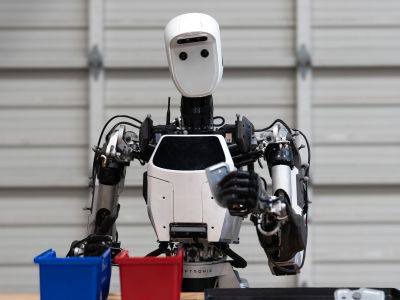
Google's Gemini 4 Argon Watches a Human Play Cornhole, Then Teaches Apptronik's Apollo to Score
Shanghai's RoboParty Open-Sources Its Entire RP1 Humanoid, From Motors to Code
Faraday Future Launches FF Nova, a $2,490 Walking Humanoid for Developers and Schools
SEC Clears Agility Robotics' Path to Nasdaq, Putting Its Digit Humanoid Maker on Track to List
Related Comparisons
Compare 4NE-1 Mini with similar robots
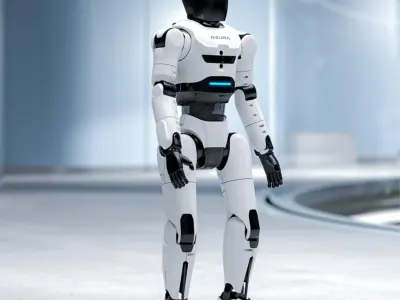
T800 vs 4NE-1 Mini
T800 or 4NE-1 Mini? See which humanoid robot performs better for manufacturing, logistics, and research with comparisons on dexterity, autonomy, and payload.

Optimus vs 4NE-1 Mini
Which humanoid robot is better? Optimus vs 4NE-1 Mini compared for dexterity, AI capabilities, payload, and industrial vs research use cases.
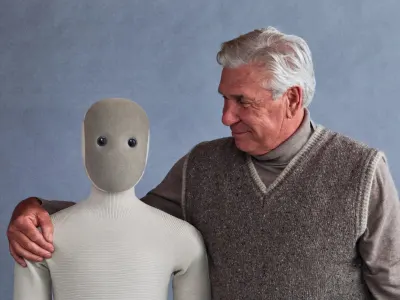
NEO Home Robot vs 4NE-1 Mini
1X NEO Home Robot vs NEURA 4NE-1 Mini: size, payload, battery, AI, price and which humanoid suits household help or classrooms and labs.
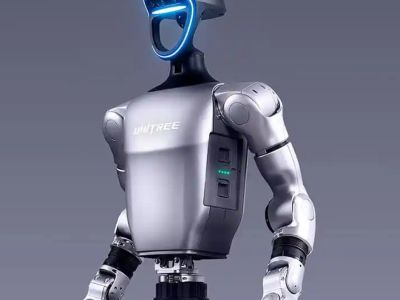
Optimus vs Unitree G1
Compare Optimus vs Unitree G1 for humanoid mobility, dexterity, autonomy, and payload capacity.
Learn More About This Robot
Discover detailed specifications, reviews, and comparisons for 4NE-1 Mini.
View Robot Details →