Simplexity Robotics raises $100M led by Ant Group, unveils iX
Robot Details
Simplexity iX • Simplexity RoboticsPublished
November 23, 2026
Reading Time
4 min read
Author
Origin Of Bots Editorial Team
A $1.6 Billion Vote of Confidence
Simplexity Robotics, a Chinese humanoid robot startup, has raised $100 million in a pre-Series A round led by Ant Group, the fintech giant backed by Jack Ma. The deal values the young company at $1.6 billion, according to reports based on an interview with its chairman, Wang Kai.
For buyers and watchers of the industry, the number matters less than the signal. Investors are now paying billion-dollar prices for robot makers that can show paying customers, not just stage demos, and Simplexity is pitching exactly that.
Who Is Writing the Checks
Existing backers Tencent, HSG and Lanchi Ventures joined the round. Ant Group already holds stakes in other robotics names, including Unitree, Astribot and Zeroth, so this adds another bet to a portfolio that spans several different robot designs.
Spreading money across rivals is a familiar playbook in new technology. It lets a big investor learn which approach wins without committing to one, and it gives each startup a well-funded patron during the expensive years before sales ramp up.
From Car Executives to Robot Builders
Simplexity was founded last summer by Wang Kai, Jia Peng and Wang Jiajia, all former leaders at the electric carmaker Li Auto. Wang says the company passed a $1 billion valuation within months of starting, a pace that would have been unusual for any hardware firm a few years ago.
Their car-industry background shows in the strategy: build the robot, the software and the supply chain together, and sell to factories that already buy automation. Wang describes the formula as foundation models, data sets, supply chain and customers all working together.
Meet iX, the Robot That Pours Your Coffee
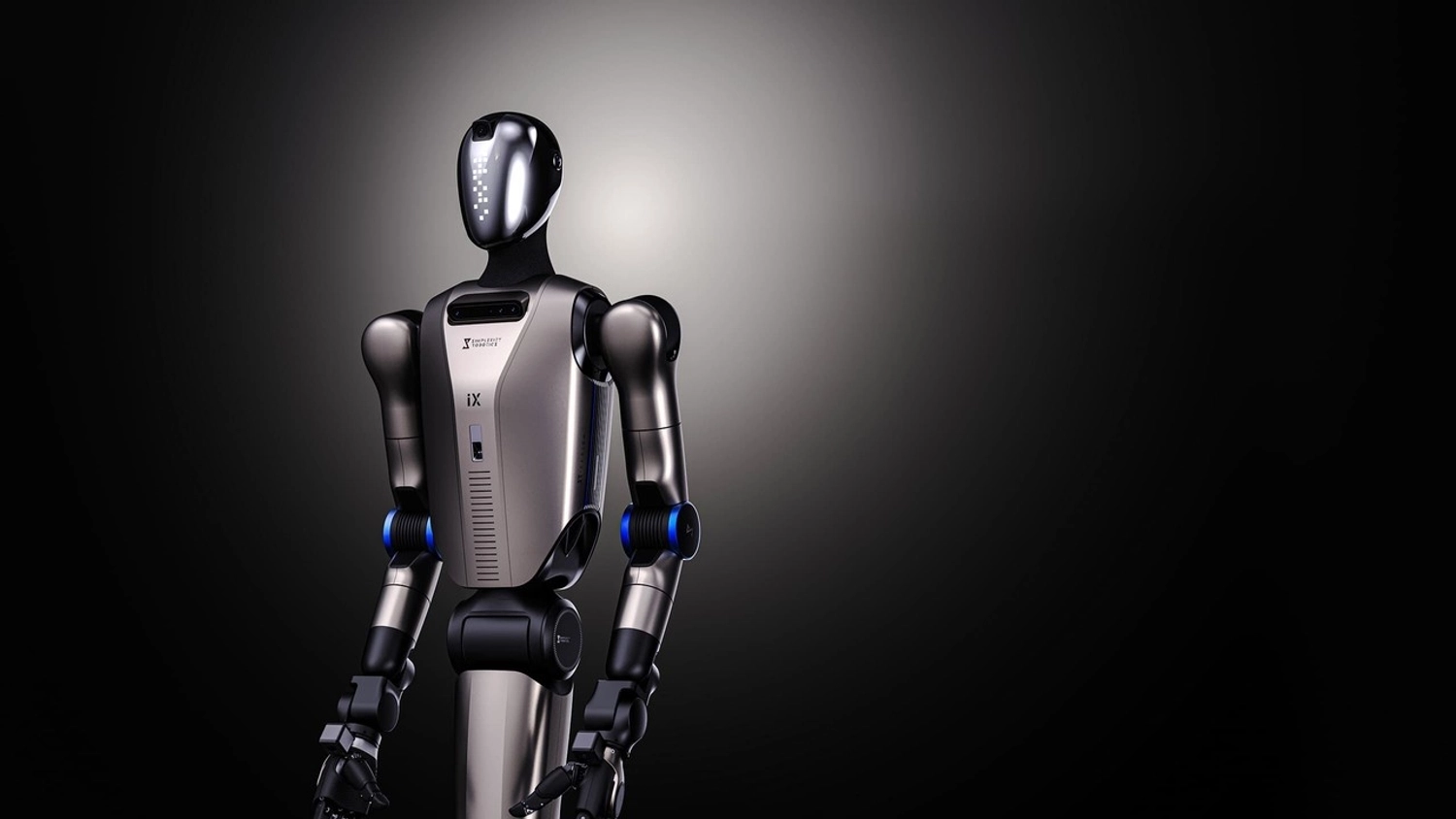
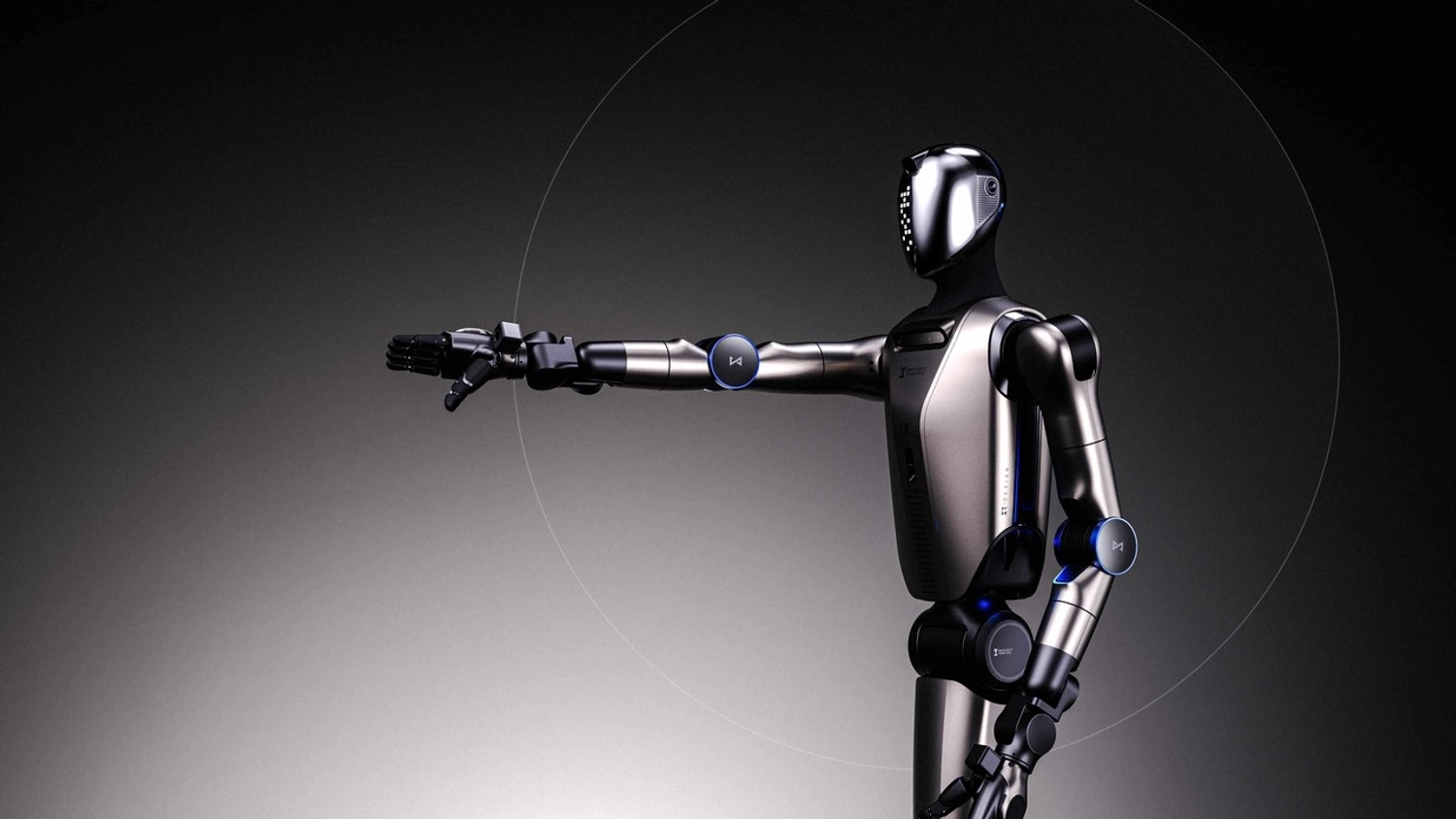
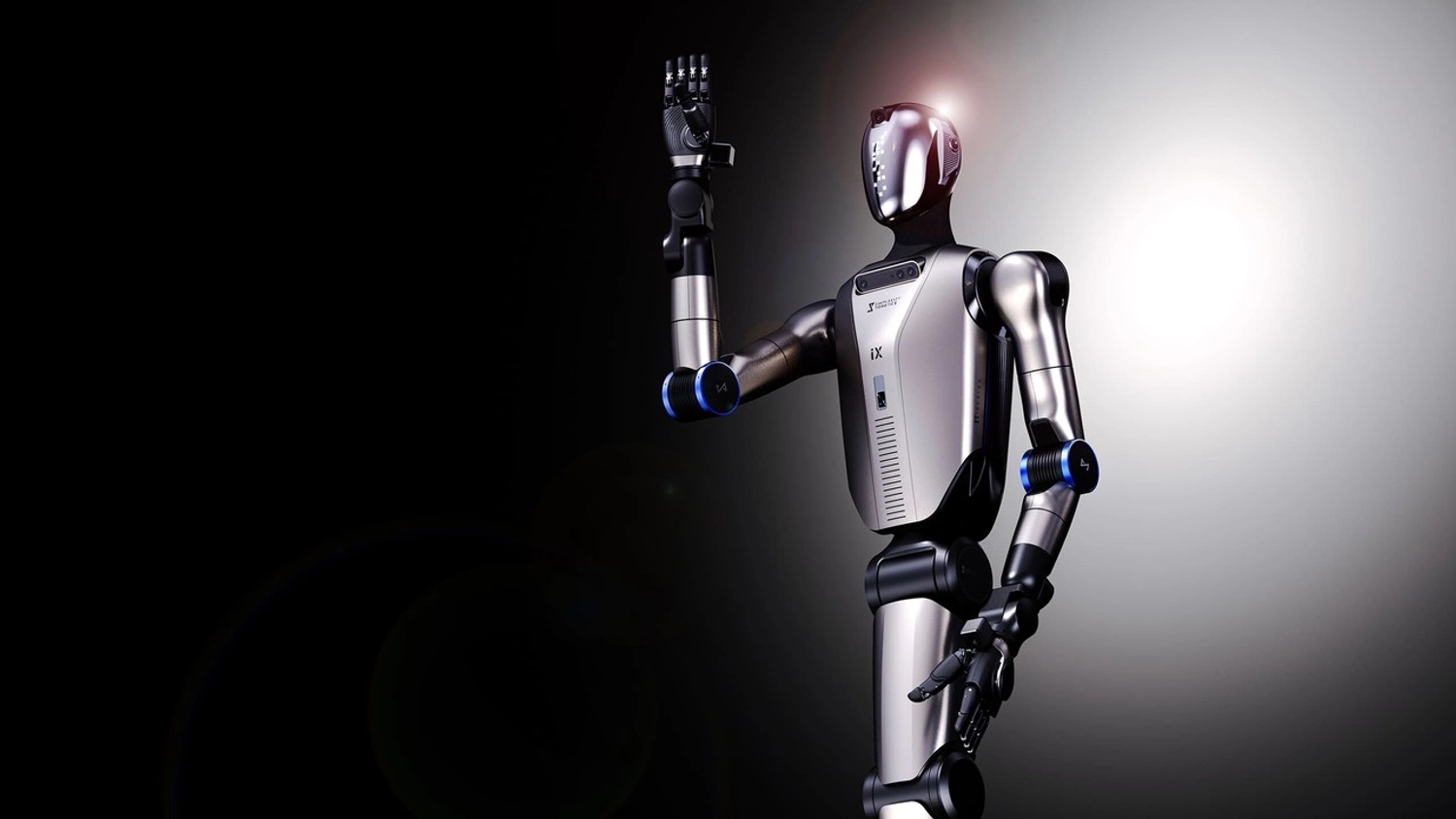
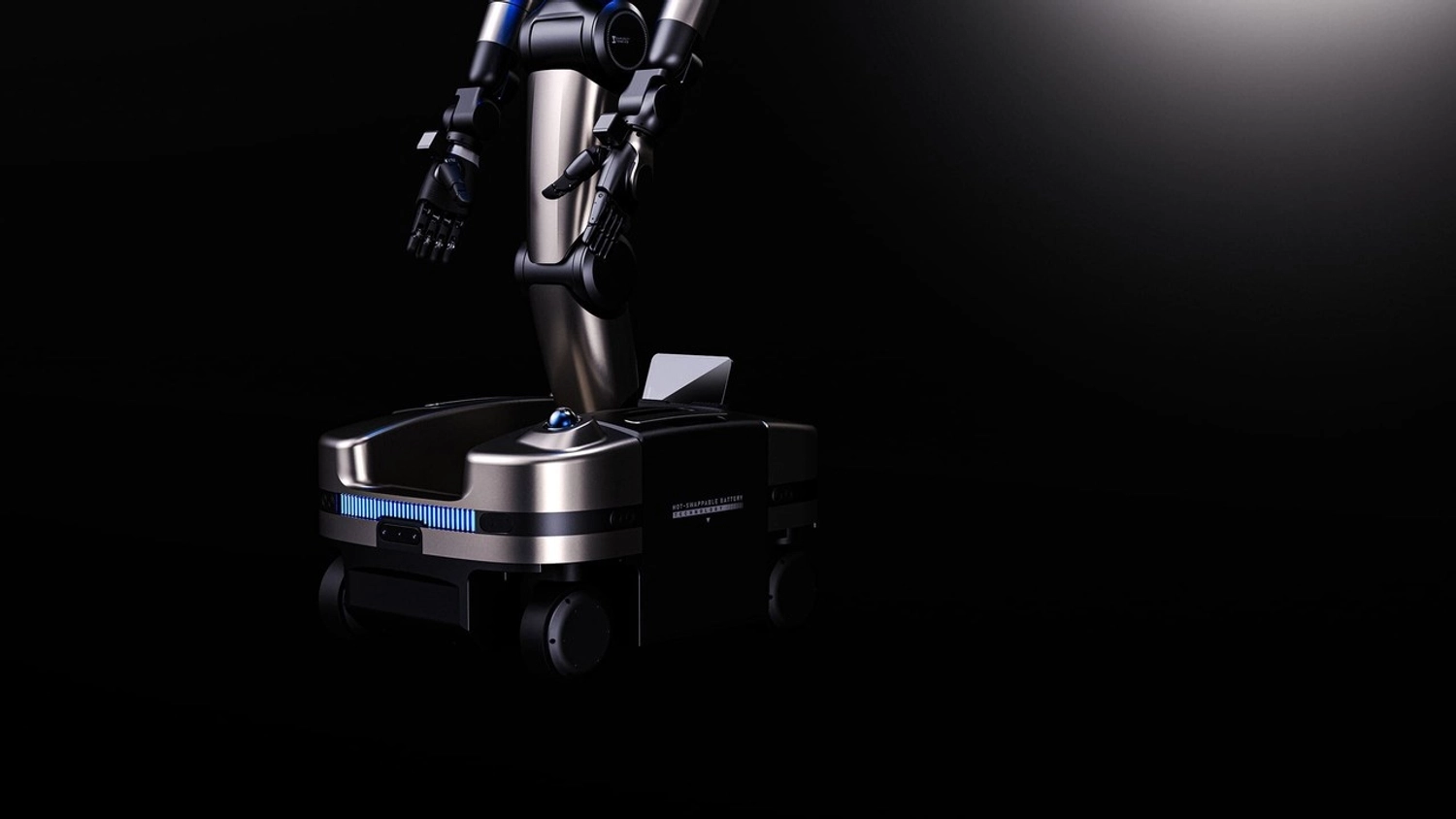
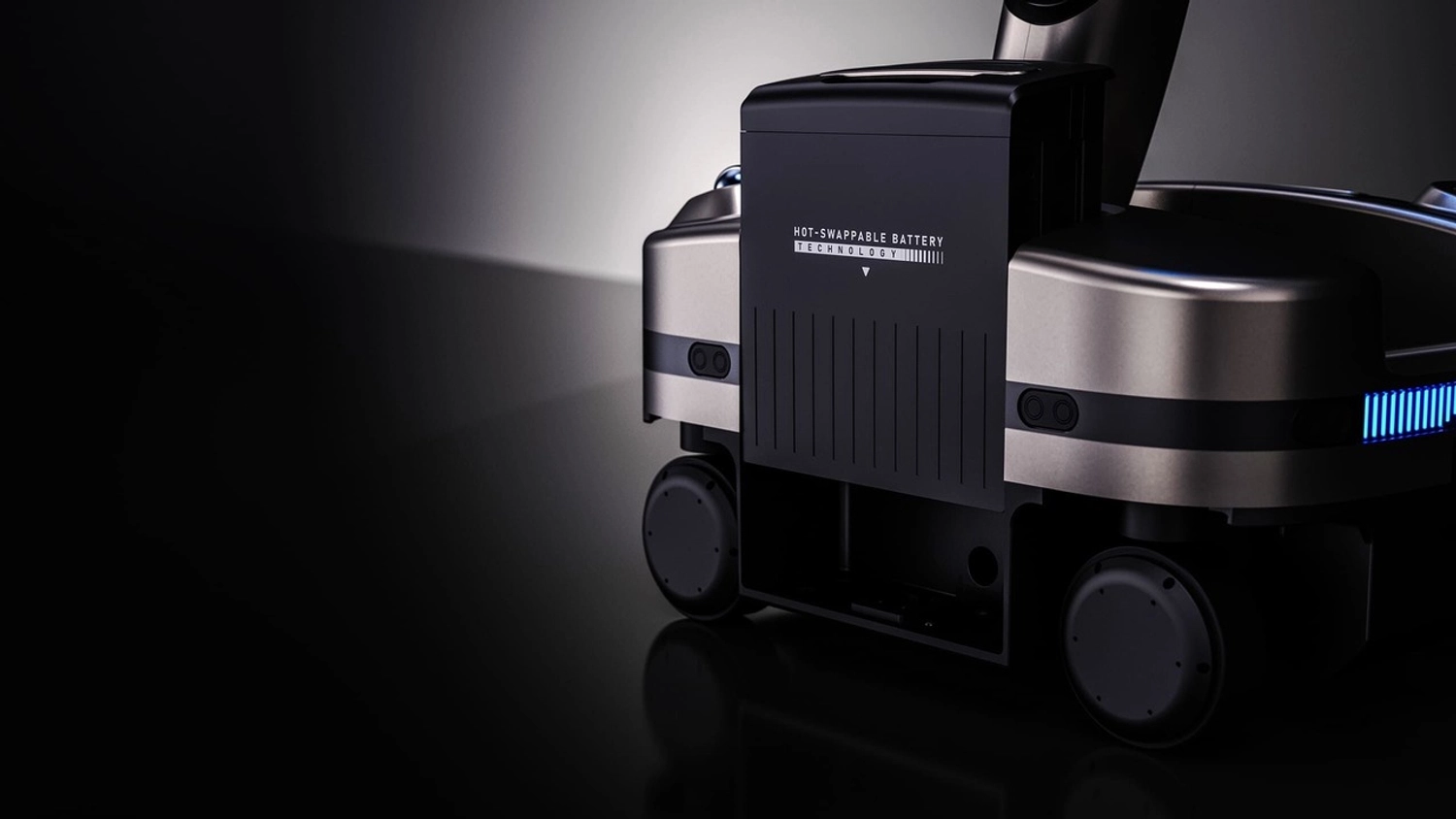
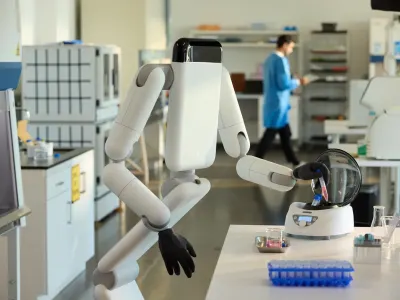
On Monday the company unveiled its second humanoid, called iX. It moves on a wheeled base rather than legs, a design choice that trades the ability to climb stairs for stability and lower cost on flat floors such as shops, lobbies and offices.
Simplexity markets iX for making and serving drinks, picking up and dropping off items, and guiding tours. These are service jobs, a different target from the factory work its first robot was built to handle.
The Robot Already Running a Factory Line
The first Simplexity humanoid also uses a wheeled base, in an industrial setup, and the company says it is deployed in manufacturing, logistics sorting, retail tasks and pharmaceutical packaging. It has also been trained to operate CNC machines, computer-controlled tools that cut, drill and shape metal and other materials.
For one customer, Leaderdrive, the company says it runs what it calls the world's first intelligent CNC robot production line, with robots making precision motion-control parts nonstop. That is the company's own claim and has not been independently verified in the reports.
Who Is Actually Buying
Named early customers include the Korean robotics firm Rlwrld, Tsinghua University and the forklift maker Hangcha Group, with a warehouse sorting line at Hangcha reportedly already running. Suzhou Dongshan Precision Manufacturing and Leaderdrive are also named.
Simplexity is also developing what it says will be China's first modular humanoid arm, whose joint modules can be taken apart and reassembled at different lengths to suit a task. It remains a plan, so buyers should treat it as a roadmap item rather than a product.
What It Means for Buyers and the Industry
China shipped about 97 percent of humanoid units in the first three quarters of 2026, helped by government support and a dense local supply chain. A $100 million round gives Simplexity room to compete on price and delivery speed in that crowded home market.
For anyone comparing humanoids, the lesson is to look at deployments, not demos. Ask which tasks a robot performs today, for which named customers, and how that compares with what is only promised for later.
The Bubble Question
Planners in China have warned about bubble risk in humanoid robotics, with many startups chasing similar customers. Wang accepts the competition and argues it is an advantage: if a robot can sell and survive in China, it can earn bigger margins abroad.
His pitch for the work is blunt. China has roughly 3 million CNC machines, operators average about 45 years old and earn around $20,000 a year, and the shop floors are noisy and dusty. Whether robots can take over that work at scale is what the next year of deployments will answer.
Explore Humanoids
Sources
Related Articles
Boston Dynamics Atlas Lands First Non-Auto Customer in GlobalFoundries
JAKA Lumi 2.0 Patrols a Cluttered Warehouse on Its Own With 96 TOPS of Onboard AI and a Bigger Battery
Foundation's Phantom MK-2 Is a 200-Pound Aluminum Humanoid Hardened for Factories and Battlefields, With a Lower Expected Lease Than Its Predecessor
Genesis AI Raises $500M Series A for Its Eno Humanoid
Related Comparisons
Compare Simplexity iX with similar robots
Unitree H2 vs Booster T2
Unitree H2 vs Booster T2: the H2 is the bigger, stronger full-size humanoid, the T2 the lighter research platform. See the specs side by side.
Unitree H2 vs Atlas (Electric 2025)
Unitree H2 vs Boston Dynamics Atlas electric: size, battery, lifting, joints and sensors compared, with a clear pick by need.
Unitree H2 vs Unitree H1-2
Unitree H2 vs H1-2: the newer H2 adds 4 joints, a larger battery and about 3 hours of runtime; the H1-2 keeps its LiDAR and swappable pack.
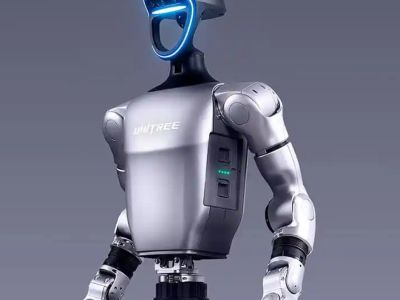
Unitree G1 vs Unitree H1-2
Unitree G1 vs Unitree H1-2: the G1 is the 35 kg lab humanoid with optional hands; the H1-2 is a taller 70 kg robot with stronger arms.
Learn More About This Robot
Discover detailed specifications, reviews, and comparisons for Simplexity iX.
View Robot Details →