UBTech Walker S1 Deploys Widely in Factories, Leads Industrial Use
Robot Details
Walker S1 • UBTECH RoboticsPublished
March 20, 2026
Reading Time
2 min read
Author
Origin Of Bots Editorial Team
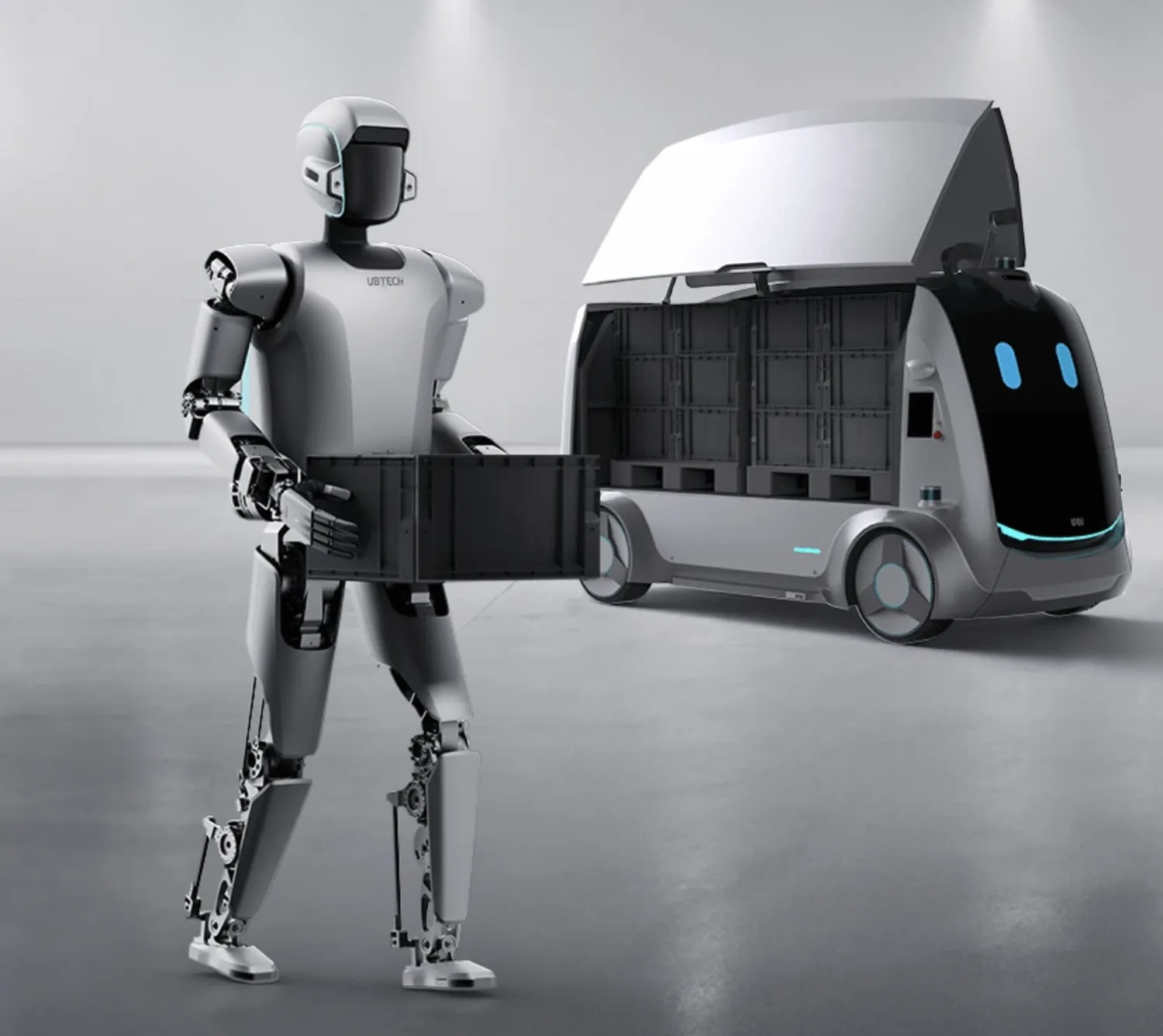
Factory Deployments Surge
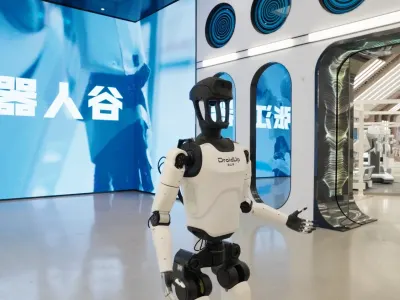
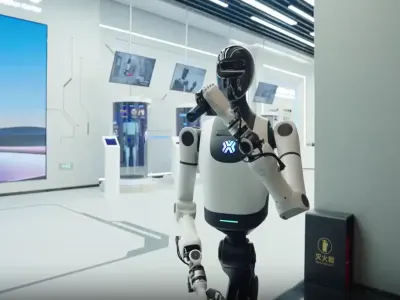
Factories across China are ramping up Walker S1 integrations, with UBTECH Robotics reporting widespread adoption in vehicle assembly lines as of early 2026. These deployments, building on trials started in late 2025, position the bipedal humanoid as a frontline collaborator with human workers and AMRs. By handling repetitive tasks like part positioning and quality checks, Walker S1 boosts throughput by up to 20% in dynamic production environments, proving humanoids can scale beyond prototypes to transform manufacturing workflows.
Intent-Driven Task Mastery
Walker S1 redefines industrial assistance through large language model integration, parsing human instructions into precise actions like tool swaps or assembly sequences. Recent factory demos in January 2026 showcased its ability to adapt mid-task, such as rerouting around obstacles without halting lines. This semantic understanding fosters seamless teaming, where operators issue voice commands for the robot to execute dexterous lifts or inspections, elevating productivity in high-stakes settings.
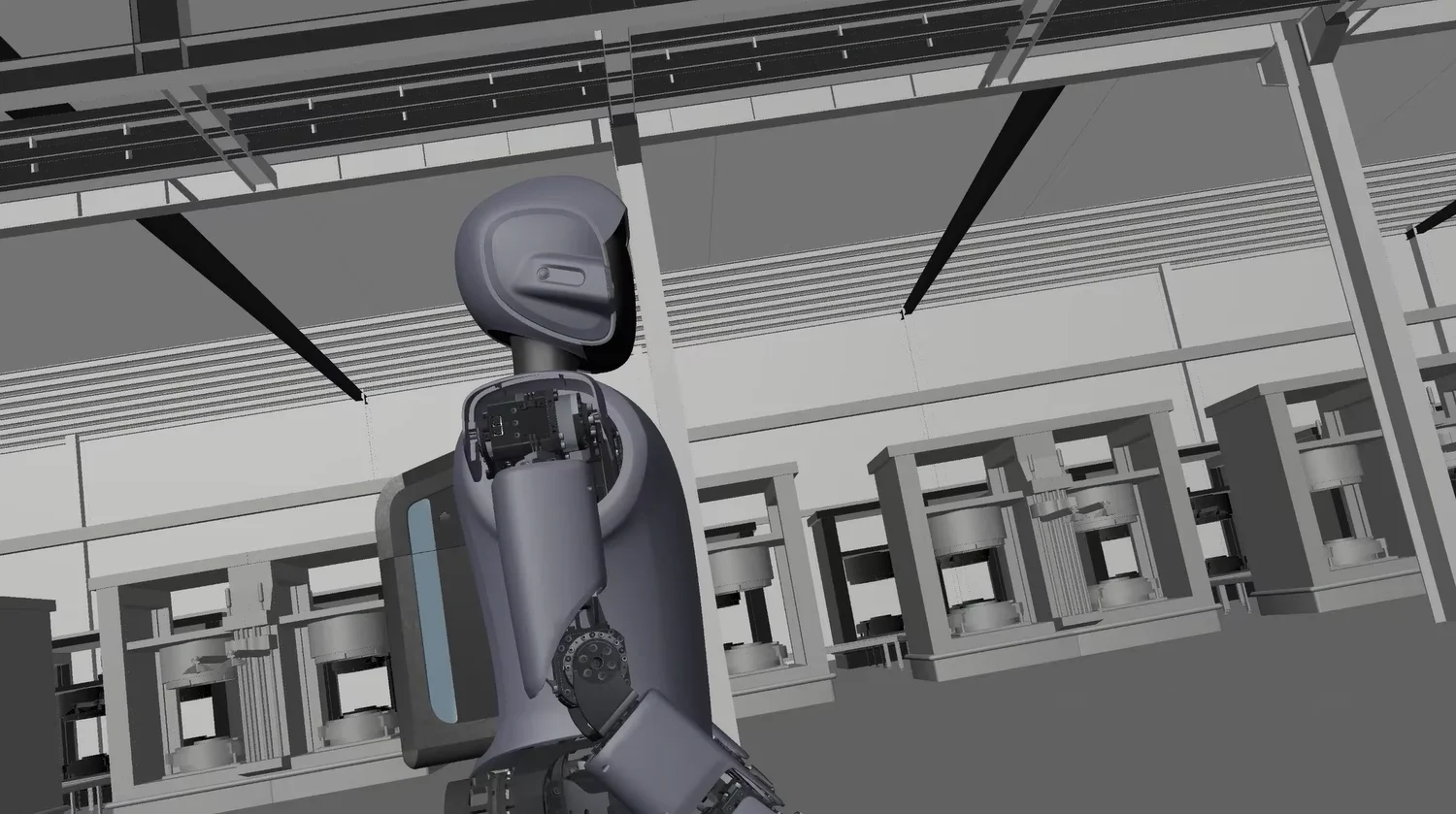
Motion Control Evolution
Engineering advances in learning-based whole-body control enable Walker S1 to maintain balance under heavy loads, a breakthrough validated in February 2026 stress tests. Semantic VSLAM navigation fuses camera data with LiDAR for real-time mapping, allowing confident strides through cluttered aisles. These innovations address core pain points like variable lighting and joint overheating, ensuring reliable performance during extended shifts and setting new benchmarks for humanoid endurance.
Versatile Factory Roles
In logistics, Walker S1 navigates tight spaces to retrieve components, while infrastructure checks leverage its height for overhead scans. Remote operations via Python SDK extend its reach to hazardous zones, as seen in recent pilot programs for pipe inspections. Manufacturing teams praise its collaboration with AGVs, streamlining material flows and reducing ergonomic strains on staff, thus reshaping how factories blend human intuition with robotic precision.
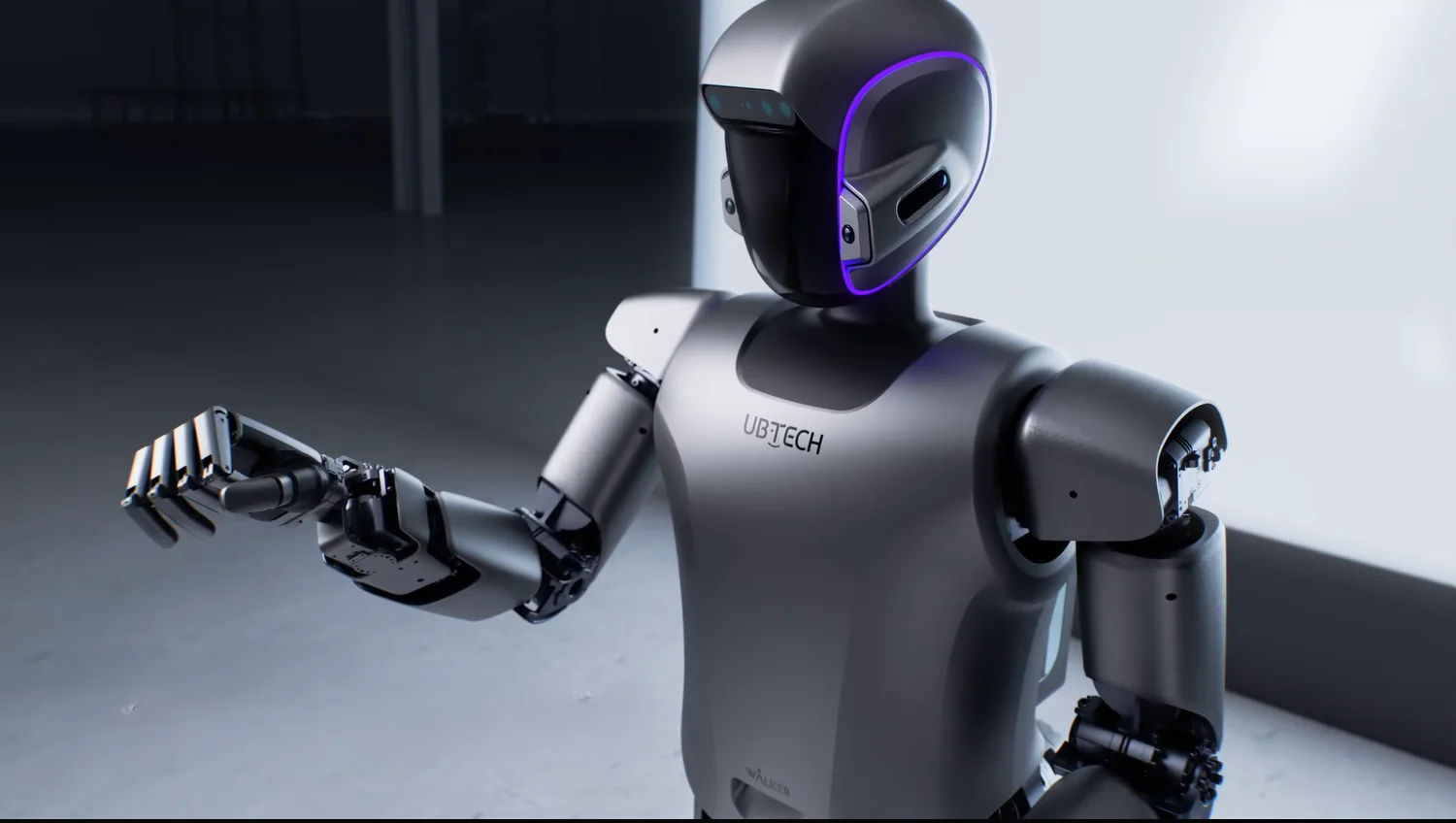
Skill-Enabling Architecture
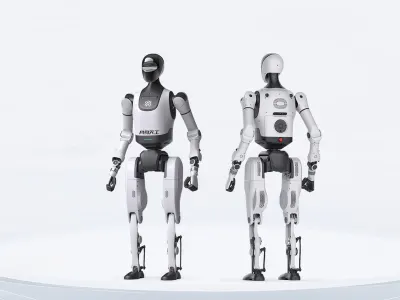
Walker S1's 172 cm height, 55 cm width, and 38 cm depth, paired with 76 kg mass, mimic human proportions for intuitive factory navigation, enabling fluid interactions like handing tools to workers. RGB cameras, depth sensing, LiDAR, IMU, force/torque sensors, gyroscope, accelerometer, and encoders empower dexterous grasps and adaptive gestures during collaborative tasks. Visual SLAM and balance-assisted walking support stable 3.0 km/h traversal or 5.0 km/h bursts, while 5-year battery life sustains prolonged assistance sessions. Linux OS with ROS 2 and Python SDK facilitates custom skills for tools, sensors, or equipment payloads, backed by safety like collision detection and emergency stops.
Rivals Edge Check
| Robot | Key Advantage | Where Walker S1 Wins | Target Use |
|---|---|---|---|
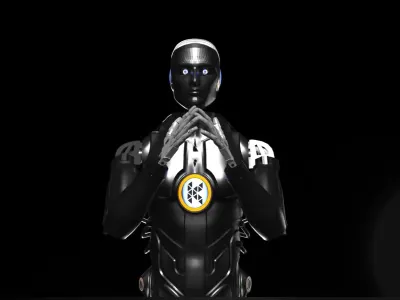
| Kaleido 8.0 | Superior arm torque for heavy lifts | Bipedal stability in dynamic lines | Heavy assembly |
| KUAVO-MY | Faster sprint bursts | Semantic navigation for cluttered floors | Logistics sorting |
| Green | Lighter frame for quick pivots | Endurance battery for full shifts | Inspection patrols |
| Agibot A2 Lite | Compact for tight confines | Whole-body control under loads | Remote handling |
Explore Humanoids


Sources
Related Articles
Tien Kung 2.0 Plus Links Satellite, Streams Live Jan 2026 Trial
Tien Kung 2.0 Lite Masters CES 2026 Autonomous Sorting at Foton Plant
Titan Yi 2.0 Shines with Strong Articulation at CES 2026
Chinese Humanoid Robot Achieves Satellite-Linked Autonomous Operations February 2026
Related Comparisons
Compare Walker S1 with similar robots
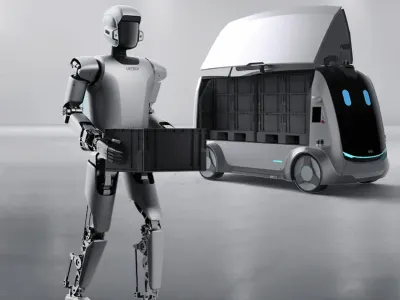
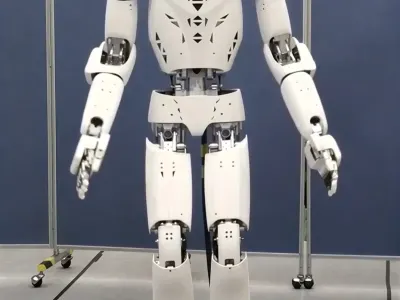
Walker S1 vs Kaleido 8.0
Compare Walker S1 and Kaleido 8.0. Detailed analysis of navigation, battery, sensors, and mobility.

Walker S1 vs AgiBot G2
Walker S1 or AgiBot G2? Compare specs, sensors, navigation, speed, and real-world performance.
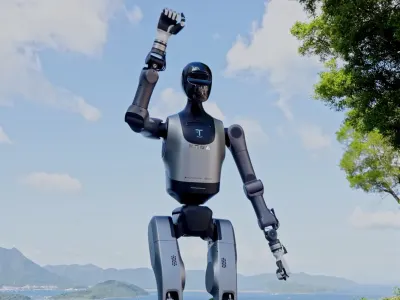
Walker S1 vs Walker Tienkung
Walker S1 or Walker Tienkung? Compare specs, navigation, sensors, and mobility performance.

Walker S1 vs Elf-Xuan 2.0
Head-to-head: Walker S1 vs Elf-Xuan 2.0. Explore differences in navigation, battery life, and sensors.
Learn More About This Robot
Discover detailed specifications, reviews, and comparisons for Walker S1.
View Robot Details →