Voxel Series-1: A Home Robot Trained With Animator Motion Opens $200 Reservations
Robot Details
Voxel Series-1 • Tuesday LabsPublished
October 21, 2026
Reading Time
5 min read
Author
Origin Of Bots Editorial Team
A Robot That Wants to Tidy Your Home
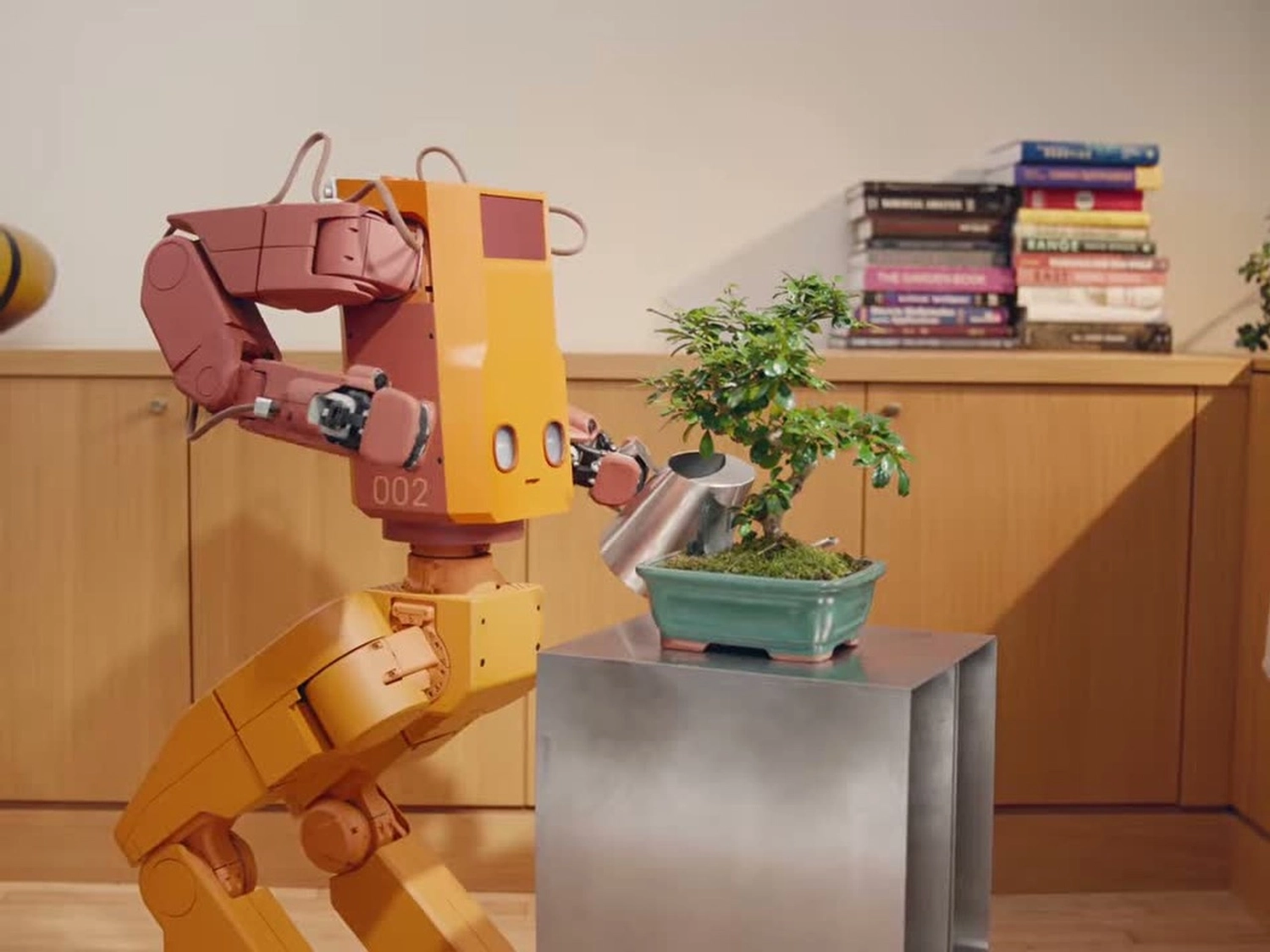
On October 20, 2026, a New York startup called Tuesday Labs introduced Voxel Series-1, a two-legged robot designed to keep a home in order. Alongside a short launch film titled A gentleman in training, the company opened reservations: a fully refundable $200 deposit holds a place in line for a robot it expects to cost about $20,000.
The robot is not coming soon. Tuesday Labs is targeting deliveries in 2028, starting in the United States, and it says the hardware, appearance and abilities may still change before then. Even so, Voxel is one of the first walking robots aimed squarely at ordinary living rooms and kitchens.
A Gentleman in Training
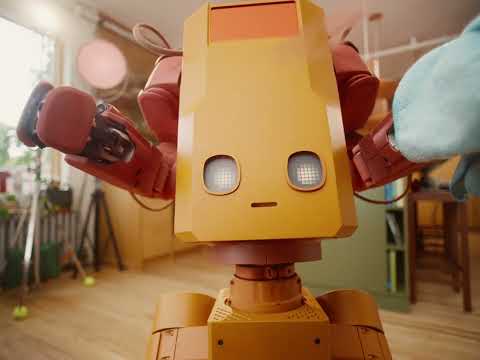
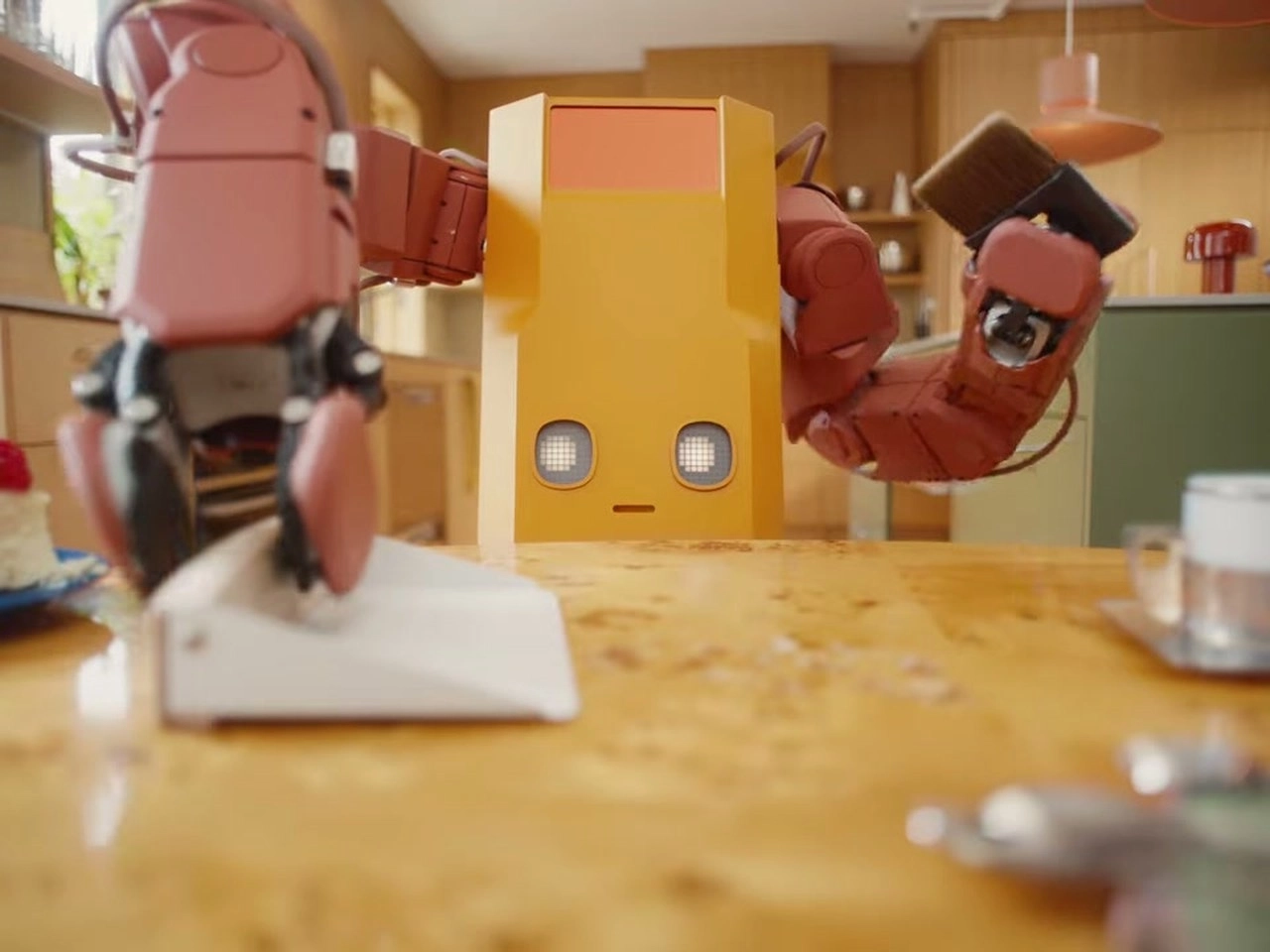
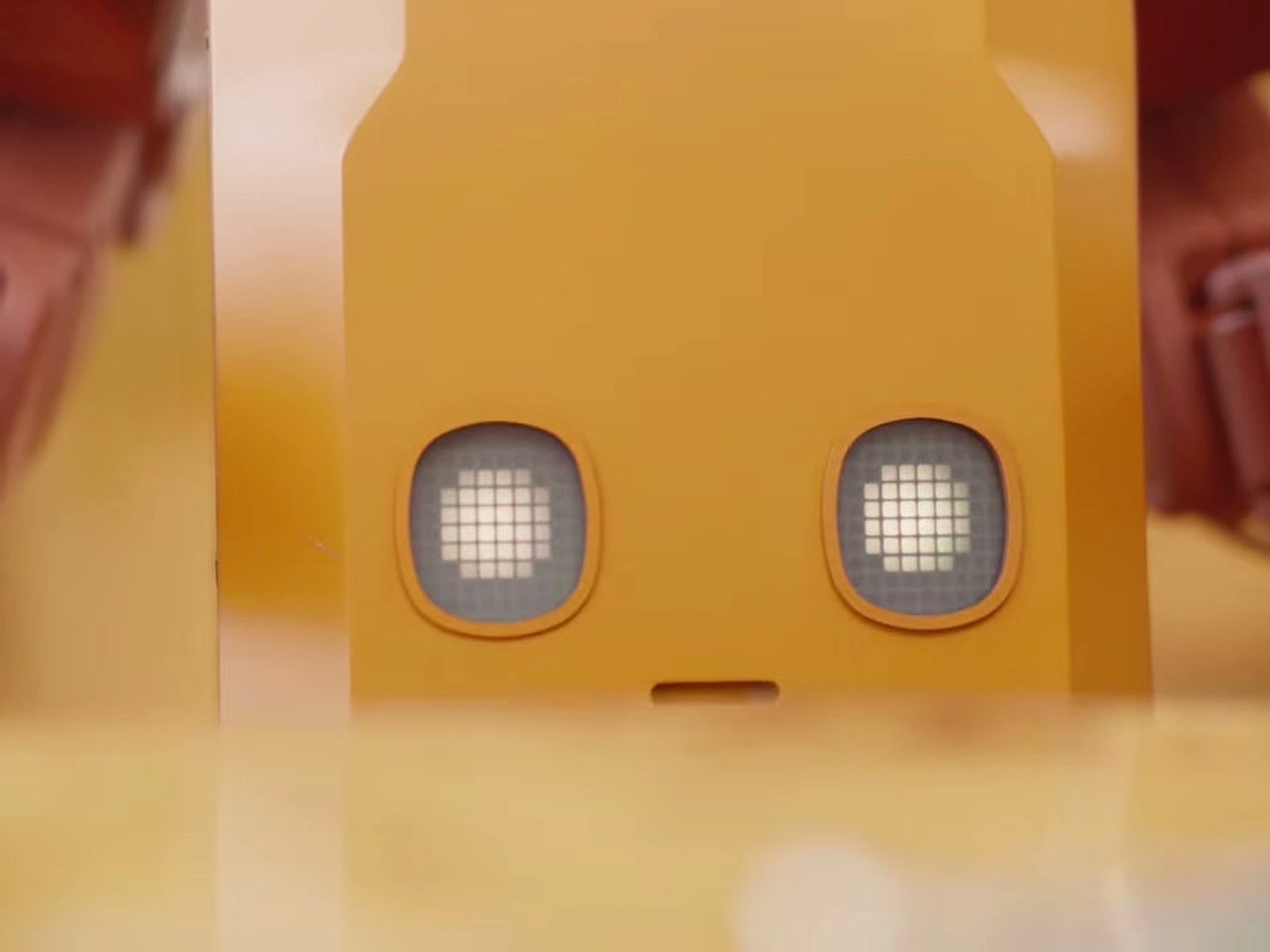
Voxel does not look like most humanoids. It has a boxy mustard-yellow body, dusty-rose arms and a face panel with small illuminated pixel eyes, which gives it the expression of a polite, slightly shy helper. There is no separate neck or head, because the body doubles as the torso and the head.
That look is deliberate. Tuesday Labs works with illustrators, character designers and animators, and the launch film includes title cards stating that it is not CGI. The aim is a robot with personality that feels at home next to a sofa and a bookshelf instead of looking like a factory machine.
Four Jobs at Launch
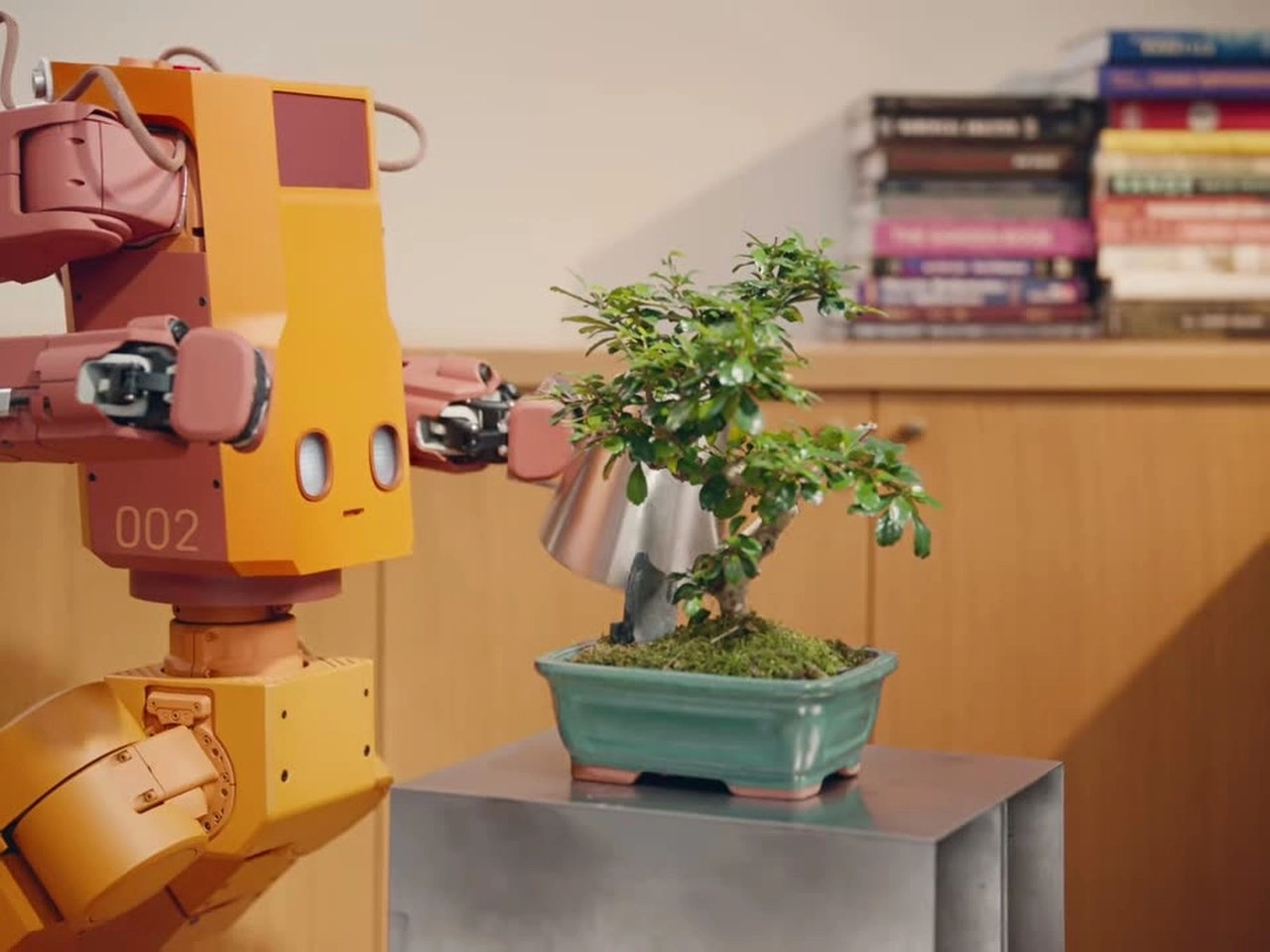
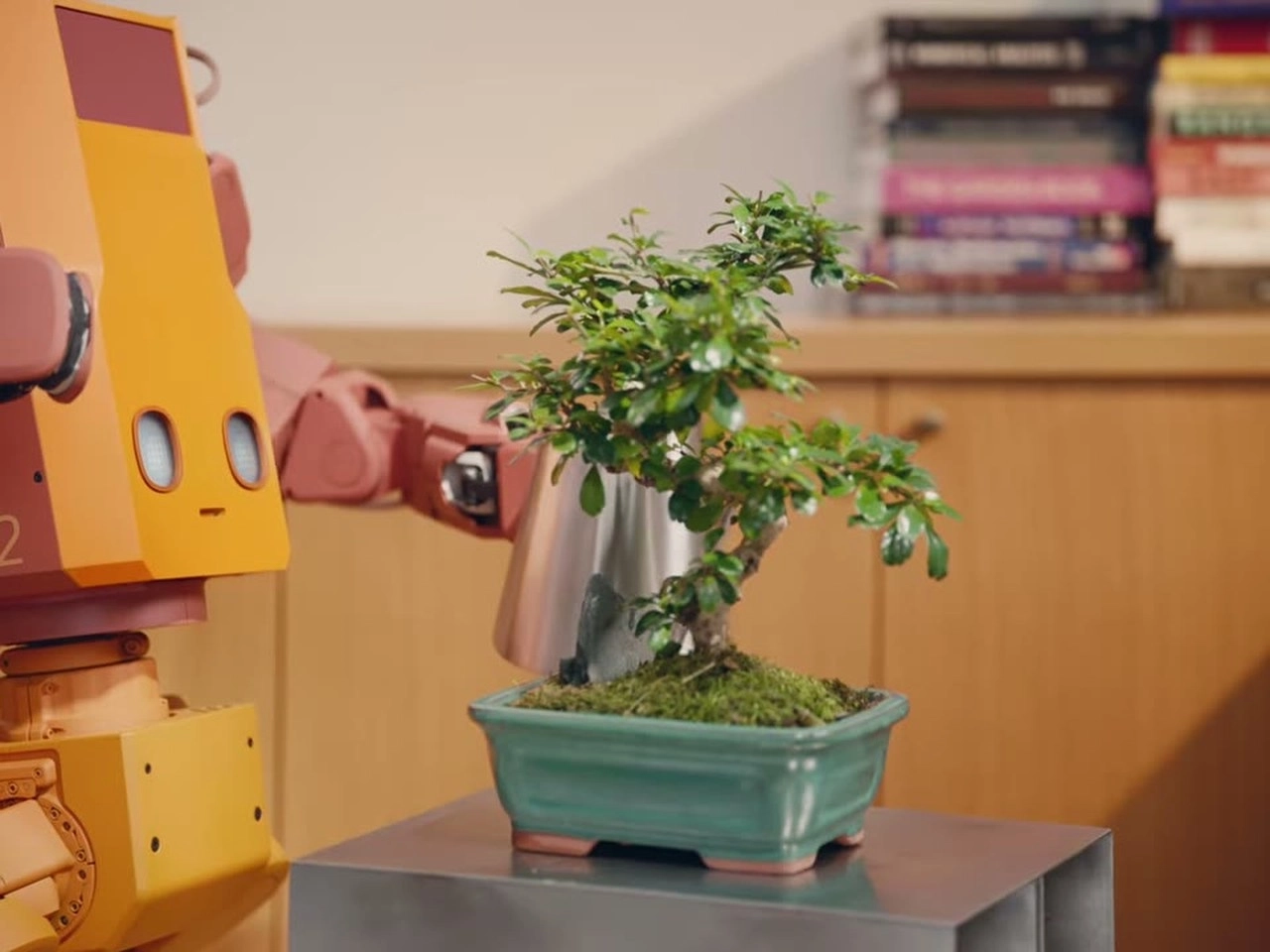
The company describes four launch tasks. Home Reset puts belongings back where they live. Find tells you where an item, such as a lost phone or wallet, was last seen. Fetch brings you things like a book, a drink or your keys, and Tend looks after plants by watering them regularly.
Just as important is what Voxel will not do at launch. Cooking, laundry and childcare are not on the list, and Tuesday Labs says only that further tasks may follow. In the launch film, the robot waters a bonsai tree and hands an instrument to a musician, which shows the careful, gentle style of work it is aiming for.
How Voxel Sees and Remembers
Voxel sees with a pair of stereo color cameras that judge close-range depth, plus a separate wide-field camera that can watch a whole room. Together they let it recognize objects and work out where its hands should go, even when towels, dishes and everyday clutter keep moving around.
The robot also builds a lasting 3D model of the home and of where each item belongs. That memory is what lets it answer a question like where did you last see my keys, and it is the idea behind the find and reset tasks.
Built to Work Around a Home
Homes are full of doors, shelves and counters that were never designed for robots, so Voxel's arms each have seven degrees of freedom and fully actuated wrists. That is the same sort of flexibility a human arm has, and it helps the robot reach around furniture. Its grippers have one degree of freedom, enough to grasp, hold, pull and release.
Its legs are unusual. They are Z-shaped and bend backward at the knee, which lets the robot crouch, adjust its working height and reach into cabinets or under tables. Tuesday Labs has not published a height, weight, battery size or computer specification, so those details remain open.
Walking Like a Character
Voxel's movement is trained with reinforcement learning, a method in which software learns by trial and error in simulation. Its training uses 3D reference animations made by animators with Pixar experience, and the approach is closely related to a well-known technique called DeepMimic that teaches a robot to copy animated motion.
The result is meant to be a walk with personality and good manners. The robot also uses impact-aware feet and motion models that are designed to keep its footsteps quiet, which is a small detail that matters a great deal in a home where people sleep, work and talk.
The Reservation, the Price and the Wait
A reservation costs $200 and is fully refundable. It secures the right to buy from the first production run, but it is not a finished order: buyers see a final price, taxes and delivery fees before they commit. The expected price of about $20,000 is the company's own estimate, not a firm figure.
Delivery is targeted for 2028, and early availability may be limited to certain areas of the United States. That long wait makes Voxel a bet on the future more than a product you can buy tomorrow, and the company says the schedule could slip.
The Company Behind Voxel
Tuesday Labs was founded in 2023 by Rosalind Shinkle, a former Boston Dynamics engineer who worked on the manipulation team for the Spot robot. The company was previously known as Adagy Robotics, went through the Y Combinator program in early 2024 and has raised seed funding from FundersClub and Ludlow Ventures, though it has not said how much.
Reports describe a very small team of about seven people, which helps explain why the company is taking reservations before showing full specifications. For now, Voxel is an appealing idea backed by a clear design philosophy, and the things to watch are real size and battery figures, the first demonstrations in a real home and how the price develops.
Explore Humanoids

Sources
Related Articles
Shanghai's RoboParty Open-Sources Its Entire RP1 Humanoid, From Motors to Code
Faraday Future Launches FF Nova, a $2,490 Walking Humanoid for Developers and Schools
Bitcoin Japan Wins Exclusive Rights to Sell UBTECH's Walker Humanoids in Japan

Unitree H2-X: The Kung Fu Guardian Robot Built to Stand Watch for About Eight Hours
Related Comparisons
Compare Voxel Series-1 with similar robots


Optimus vs Unitree G1
Compare Optimus vs Unitree G1 for humanoid mobility, dexterity, autonomy, and payload capacity.
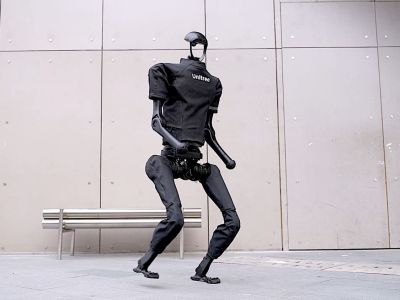
Unitree G1 vs Unitree H1
Head-to-head: Unitree G1 vs Unitree H1 compared on bipedal balance, AI learning, and real-world deployment.
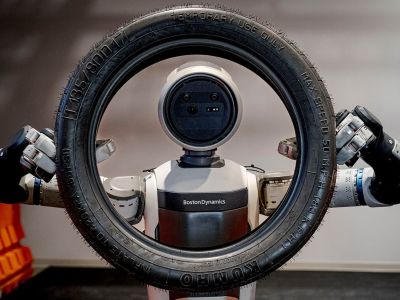
Optimus vs Atlas (Electric 2025)
In-depth comparison of Optimus and Atlas (Electric Atlas, 2025), covering hardware capabilities, teleoperation, and enterprise readiness.
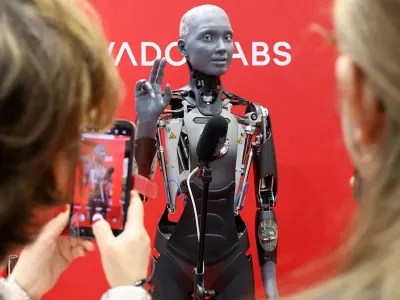

Ameca vs Moya
Which humanoid robot is better? Ameca vs Moya compared for dexterity, AI capabilities, and price.
Learn More About This Robot
Discover detailed specifications, reviews, and comparisons for Voxel Series-1.
View Robot Details →