Bitcoin Japan Wins Exclusive Rights to Sell UBTECH's Walker Humanoids in Japan
Robot Details
Walker S2 • UBTECH RoboticsPublished
October 19, 2026
Reading Time
5 min read
Author
Origin Of Bots Editorial Team

An Unlikely Robot Dealer
A Tokyo-listed company with bitcoin in its name now wants to put humanoid robots on Japanese factory floors. Bitcoin Japan Corporation announced on October 19 that it has signed an exclusive deal with China's UBTECH Robotics to distribute six of its robots in Japan, including the full-size Walker S2 industrial humanoid.
For ordinary people, the deal matters because Japan is short of workers. Its population is ageing and shrinking, and factories and warehouses struggle to fill jobs. Robots shaped like people, able to use the same shelves, carts and tools as human staff, are one answer companies are now betting on.

Six Robots, One Door Into Japan
The agreement, signed on October 16, covers the Walker S2, Walker Tienkung, Tienkung Dex, Sky Walker, Walker C1 and the Cruzr S2 service robot, along with upgrades and successors. Under its terms, UBTECH's group should appoint no other distributor for these products in Japan and supply the country only through Bitcoin Japan.
That exclusivity has a clock attached. It runs for 36 months, starting from the point when the Walker C1 passes Japan's conformity and certification checks, the official tests that confirm a machine is safe and legal to sell. Keeping the rights also depends on Bitcoin Japan hitting performance targets the two sides agreed.

A 165-Year-Old Firm Reinvents Itself
Bitcoin Japan is not a typical robotics player. The company traces its roots to 1861, when it was founded as Marusho Hotta, and it adopted its current name only in November 2025. It launched a new physical AI business on October 1, meaning artificial intelligence that acts in the real world through machines.
Chief executive Phillip Lord framed the UBTECH deal as a move toward running an actual operating business rather than placing a speculative bet. In the announcement he said the company is not simply investing in the future of AI. The firm also says it is restructuring older businesses to cut losses.
Three Ways to Make Money From Machines
The company describes three planned revenue streams. The first is straightforward sales, backed by paid trials and help installing robots into existing production lines. The second is robots as a service, where Bitcoin Japan keeps ownership and rents the machines out, earning extra fees for maintenance, training and support.
The third is the most forward-looking: collecting, cleaning up and licensing data recorded while the robots work, with customer permission. Such real-world data is valuable because AI models that control robots learn from examples. The company stresses that no data revenue or data customer has been confirmed yet.
Where the Robots Would Work First
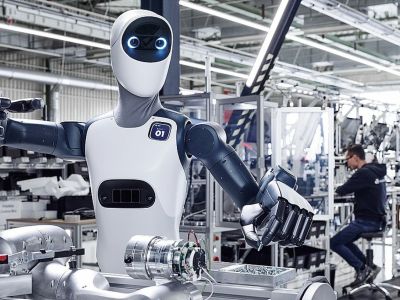
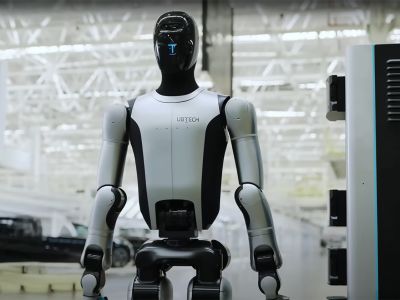
Bitcoin Japan says it will start with manufacturing and logistics, the warehouses and assembly lines where heavy, repetitive tasks such as moving boxes and parts are common. The Walker S2 is UBTECH's flagship industrial humanoid, roughly the size of an adult, and the company began mass producing it in late 2025.
UBTECH brings real scale to the partnership. According to figures quoted in the release, the Hong Kong listed company earned about 1.27 billion yuan in the first half of 2026, more than double a year earlier, and sold 921 full-size humanoids worth about 590 million yuan in that period.
Keeping Personal Data in Japan
Because humanoids carry cameras and sensors, the deal includes rules about information they gather. Personal data collected in Japan must be processed and stored inside Japan. That matters to companies and workers wary of sensitive footage from their workplaces leaving the country, particularly when the robots are made by a Chinese manufacturer.
The agreement does allow some limited collection overseas, for example to support affiliated research or robots owned by Bitcoin Japan working at foreign sites of its Japanese customers. How these rules will be checked in practice, and by whom, is not spelled out in the public announcement.
Plenty Still to Prove
Much of the plan remains on paper. No prices, order numbers or deal value were disclosed, and the company says the impact on its finances for the year ending March 2027 is still being assessed. Until certification is complete, robots can be supplied only for research, testing, data collection and demonstrations.
Bitcoin Japan also lacks a long track record in robotics, so it will need to build engineering and after-sales teams able to keep complex machines running. UBTECH robots had earlier been offered in Japan through another agent, GA Robotics, and how existing arrangements fit with the new exclusive deal was not explained.
The Road From Showroom to Shop Floor
The company has laid out a sequence. First come enquiries and demonstration units, then choosing the initial models and arranging units for certification, starting with the Walker C1. Next it must adapt the robots for Japanese users and set up repair support, before paid customer trials can begin.
Only after those trials does Bitcoin Japan expect full commercial deployment, either through sales or rentals. It has not given a date for that step, saying progress depends on product readiness, certification, customer demand and funding. For now, the deal is a doorway into Japan rather than robots already at work.
Explore Humanoids
Sources
Related Articles
South Korea Clears 20 Robros Humanoids to Work Beside People in Factories and Shipyards
Shanghai's RoboParty Open-Sources Its Entire RP1 Humanoid, From Motors to Code
Faraday Future Launches FF Nova, a $2,490 Walking Humanoid for Developers and Schools
Bitcoin Japan Wins Exclusive Rights to Sell UBTECH's Walker Humanoids in Japan
Related Comparisons
Compare Walker S2 with similar robots
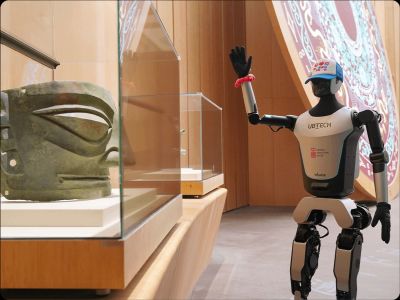
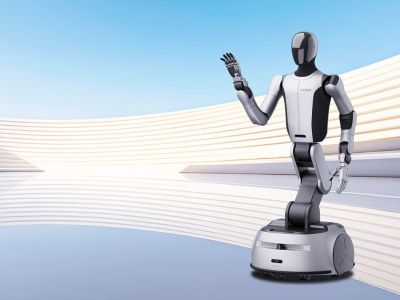
Walker C vs Cruzr S2
Walker C vs Cruzr S2: UBTECH's walking reception humanoid against its wheeled assembly and service humanoid, compared on build, hands and uses.
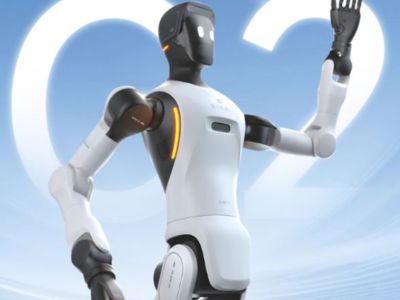
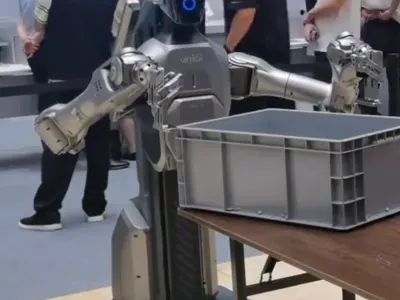
AgiBot G2 vs Cruzr Y1
Compare AgiBot G2 vs Cruzr Y1 for humanoid mobility, dexterity, autonomy, and payload capacity.
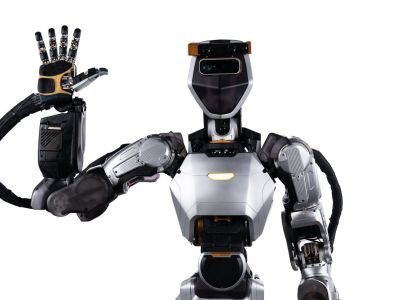
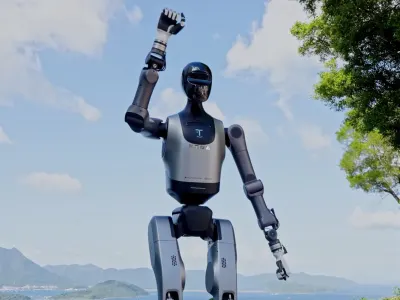
Phoenix vs Walker Tienkung
Compare Phoenix and Walker Tienkung. Detailed analysis of navigation, sensors, and speed.
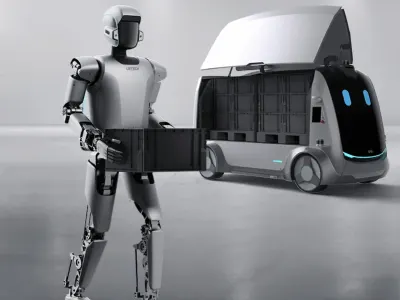
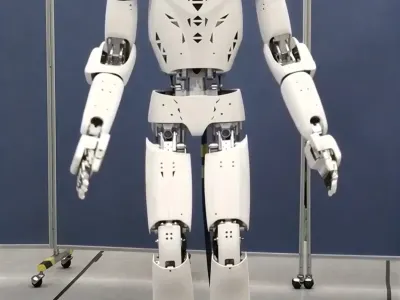
Walker S1 vs Kaleido 8.0
Walker S1 vs Kaleido 8.0: UBTECH's factory humanoid against Kawasaki's robust bipedal humanoid, compared on size, mobility, sensors, AI and best uses.
Learn More About This Robot
Discover detailed specifications, reviews, and comparisons for Walker S2.
View Robot Details →