Figure 03 vs Next-Gen IRON at a glance
Next-Gen IRON is quicker, with a top speed of 1.9 m/s versus 1.2 m/s for Figure 03. Next-Gen IRON has more degrees of freedom (82 against 60 for Figure 03), which allows finer movement. Figure 03 lasts longer on a charge, about 5 hours against 4 hours for Next-Gen IRON. Figure 03 is lighter at 61 kg, compared with 70 kg for Next-Gen IRON.
Which one fits your use?
Based on the uses each robot is built and marketed for. Open a use to see the specs that matter for it.
| Comparing for… | Figure 03 | Next-Gen IRON |
|---|---|---|
| Suited | Suited | |
| Suited | Suited | |
| Suited | Not listed | |
| Suited | Suited | |
| Suited | Not listed |
- Pick Figure 03 for home help and elder care and healthcare settings.
- Both suit research labs, education and training and hospitality, retail and public-facing roles, so compare the specs for that use.
Figure 03 by Figure AI is a humanoid robot designed primarily for home environments, emphasizing advanced tactile sensing and pixel-to-action AI to perform household tasks like cleaning and elderly care support. It is positioned as a scalable, general-purpose home assistant with features such as a multi-camera vision system and soft textile safety covering. Key differentiators include its focus on delicate object manipulation, voice command integration, and a proprietary Helix AI system optimized for unpredictable home layouts.
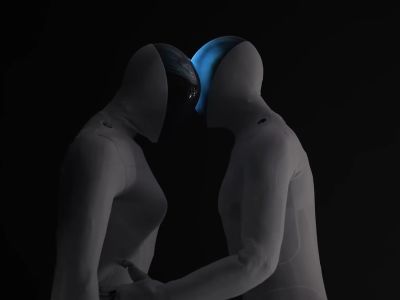
Next‑Gen IRON by XPENG is a humanoid robot targeting broader industrial and commercial use cases including customer guidance, sales, and healthcare support. This model features a more robust sensor suite including LiDAR and stereo cameras, with a higher maximum speed and heavier payload capacity. Its proprietary ROS2-based software and autonomous plus teleoperation control modes set it apart as a more versatile platform for varied operational environments.
Detailed Analysis
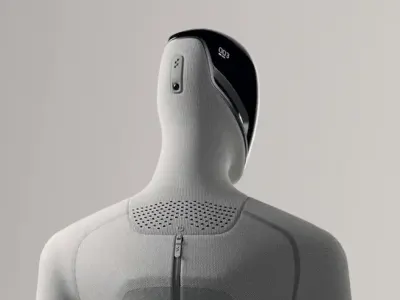
Figure 03
Design & Build Quality
Figure 03 measures 167 x 60 x 50 cm and weighs 45 kg, featuring soft textile coverings and multi-density foam for home safety and maneuverability in tight spaces. In contrast, Next‑Gen IRON is larger at 178 x 50 x 40 cm with a weight of 70 kg, built for industrial durability with force limiting and collision detection safety mechanisms. The lighter, padded design of Figure 03 suits domestic settings, while Next‑Gen IRON's sturdier frame supports heavier tasks.

Next-Gen IRON
Mobility & Navigation
Figure 03 moves at a speed of 4.2 km/h, equipped with vision-language-action AI, SLAM, and mmWave data offload to enhance navigation in dynamic home environments. Next‑Gen IRON offers faster movement at 7 km/h (1.9 m/s), utilizing visual SLAM, LiDAR mapping, and indoor SLAM for precise navigation in larger or more complex commercial spaces. Both robots rely on autonomous control, but Next‑Gen IRON extends capabilities with teleoperation and learned behaviors.
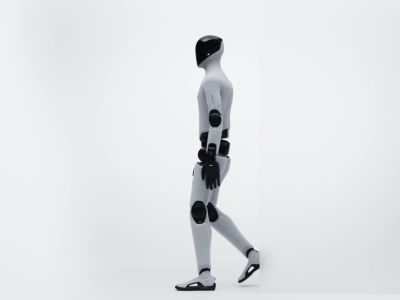
Figure 03
Sensors & Perception
The sensory suite of Figure 03 includes six cameras, a palm camera, tactile fingertip sensors, and an advanced audio system designed for detailed close-range task execution and speech reasoning. Next‑Gen IRON integrates RGB and stereo cameras, LiDAR, ultrasonic and force sensors, IMU, gyroscope, temperature, and embedded touch sensors, offering a broader sensory scope tailored for complex environment mapping and interaction.
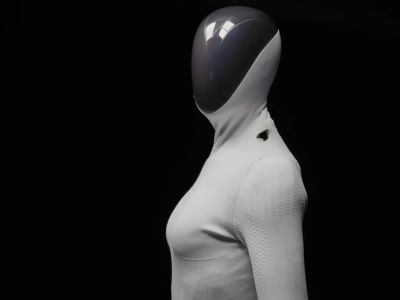
Next-Gen IRON
AI Capabilities
Figure 03 employs the Helix AI system, a vision-language-action neural network that processes visual and linguistic inputs to generate physical actions, enabling advanced household task performance and conversational reasoning. Next‑Gen IRON runs a proprietary OS based on ROS2 supporting Python and C++ APIs, with autonomous, teleoperated, and learned behavior control modes, positioning it as a versatile platform for multiple sectors beyond home use.
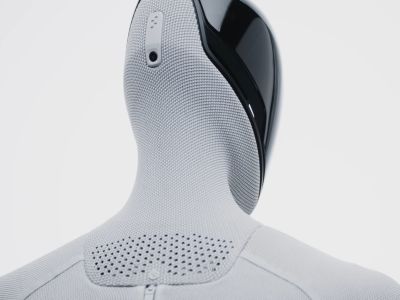
Figure 03
Battery & Power Efficiency
Figure 03’s battery supports a runtime around 5 hours and wireless charging capabilities optimized for home use. Next‑Gen IRON has a 4-year battery lifespan, with no specified runtime details, but its design suggests energy management suitable for intensive industrial or commercial tasks. Both prioritize safety features in battery design.
Next-Gen IRON
Use-Case Suitability
Figure 03 is tailored for home assistance including household chores, elderly care, and light object manipulation, focusing on environments requiring delicate interaction and safety. Next‑Gen IRON suits customer interaction, industrial inspection, sales assistance, and healthcare, designed for more physically demanding and diverse operational contexts.
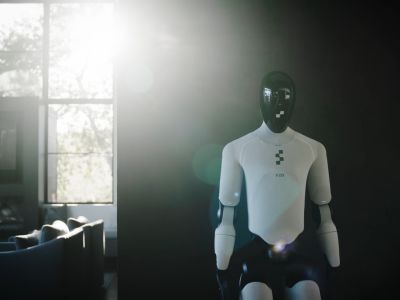
Figure 03
Software Ecosystem
Both robots leverage ROS-based systems—Figure 03 uses Helix AI built on ROS and Linux for open API access in Python and C++, while Next‑Gen IRON operates on a proprietary ROS2 OS with similar API support. Figure 03 emphasizes continuous fleet learning via mmWave data offload, whereas Next‑Gen IRON supports teleoperation and learned behaviors to extend functional adaptability.

Next-Gen IRON
Safety Features
Figure 03 incorporates multi-density foam padding, soft textiles, emergency stop, obstacle avoidance, and pinch point protection for safe domestic use. Next‑Gen IRON includes force limiting, collision detection, emergency stop, and collaborative modes addressing safety in shared human-robot industrial environments.
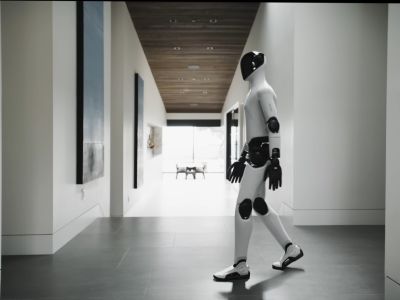
Figure 03
Pricing & Value
Figure 03 is priced between $50,000 and $70,000, making it more accessible for home users seeking advanced tactile manipulation and conversational AI. Next‑Gen IRON ranges from $120,000 to $150,000, reflecting its industrial-grade sensors, faster speed, and versatile control modes geared toward commercial applications.
Capabilities & Operational Tasks
Head-to-head comparison of what Figure 03 and Next-Gen IRON can do, their applications, and capabilities.
What Can Figure 03 & Next-Gen IRON Do?
187 tasks listed for both, 10 only for Figure 03, 1 only for Next-Gen IRON.
Technical Specifications
Figure 03 and Next-Gen IRON differ on 32 of the 54 specifications listed for both.
Functional Utility & Use Cases
4 Comparative Metrics
Manipulation & Load Capacity
4 Comparative Metrics
Kinematic Architecture & Dexterity
4 Comparative Metrics
Related Comparisons
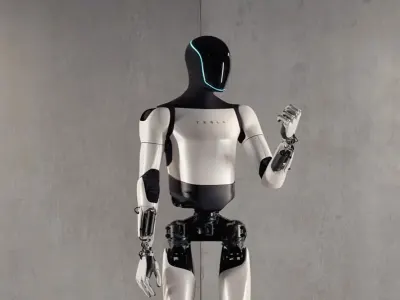
Figure 03 vs Optimus Gen 3
In-depth comparison of Figure 03 and Optimus Gen 3, covering hardware capabilities, teleoperation, and enterprise readiness.
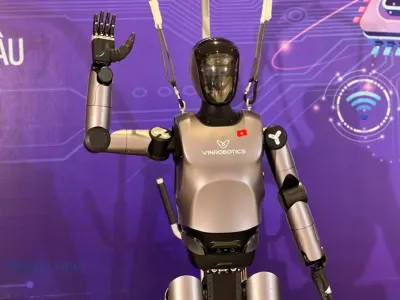
Figure 03 vs VR-H3
Which humanoid robot is better? Figure 03 vs VR-H3 compared for dexterity, AI capabilities, and price.
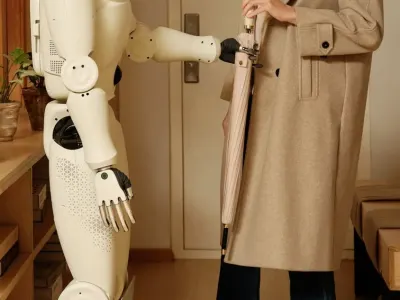
Next-Gen IRON vs Jupiter
Which humanoid robot is better? Next-Gen IRON vs Jupiter compared for dexterity, AI autonomy, payload, and industrial use cases.
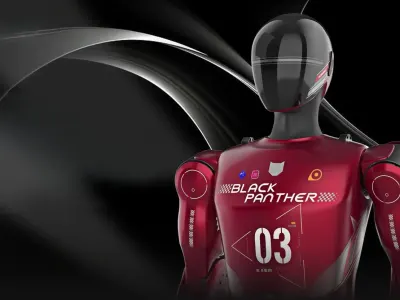
Next-Gen IRON vs Bolt
Compare Next-Gen IRON vs Bolt for humanoid mobility, dexterity, autonomy, and payload capacity in industrial and dynamic use cases.
Verdicts reflect our research and opinion. Confirm specifications with the manufacturer before buying.