Optimus vs Next-Gen IRON at a glance
Next-Gen IRON has more degrees of freedom (82 against 40 for Optimus), which allows finer movement. Optimus is lighter at 57 kg, compared with 70 kg for Next-Gen IRON. Optimus is quicker, with a top speed of 2.2 m/s versus 1.9 m/s for Next-Gen IRON.
Which one fits your use?
Based on the uses each robot is built and marketed for. Open a use to see the specs that matter for it.
| Comparing for… | Optimus | Next-Gen IRON |
|---|---|---|
| Suited | Not listed | |
| Suited | Not listed | |
| Not listed | Suited | |
| Not listed | Suited | |
| Not listed | Suited |
- Pick Optimus for warehouse and logistics work and factory and manufacturing work.
- Pick Next-Gen IRON for research labs, education and training and hospitality, retail and public-facing roles.
Optimus by Tesla represents a cost-effective humanoid robot designed primarily for practical applications such as manufacturing, logistics, elder care, and domestic assistance. Positioned as an autonomous worker robot with advanced mobility and AI learned from Tesla’s full self-driving system, Optimus aims to deliver utility in structured environments with a price range of $20,000–$30,000. Its strengths include efficient navigation powered by Tesla’s vision system, extended operational battery life, and a focus on stable physical task execution.
Next‑Gen IRON by XPENG is a higher-end humanoid robot targeting more interactive and customer-facing roles such as sales assistance, industrial inspection, and healthcare support. With a significantly higher estimated price of $150,000–$250,000, it features advanced sensory perception including LiDAR and tactile skin sensors, and supports autonomous as well as teleoperated control modes. XPENG emphasizes lifelike design and AI based on ROS2 with strong multimodal capabilities, aimed at rich interaction and indoor navigation.
Detailed Analysis
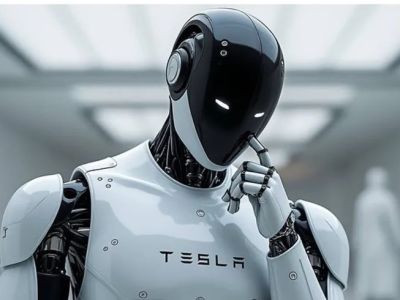
Optimus
Design & Build Quality
Optimus has dimensions of 173 x 55 x 38 cm and weighs 57 kg, designed for a lean, functional build optimized for industrial and domestic environments. In contrast, Next‑Gen IRON is larger at 178 x 50 x 40 cm and heavier at 70 kg, featuring an exoskeleton with composite materials resembling human muscles and embedded tactile skin sensors to enhance interaction realism. XPENG’s design focuses on a more lifelike appearance and tactile engagement, while Tesla prioritizes utility and compliant actuators for safety.
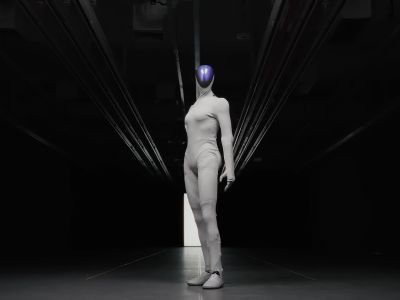
Next-Gen IRON
Mobility & Navigation
Optimus can reach speeds up to 8.06 km/h (2.24 m/s) and utilizes Tesla’s FSD-based vision system combined with stereo cameras and proprioception for fully autonomous navigation in structured settings. Next‑Gen IRON has a slower max walking speed of 7 km/h (1.9 m/s) but uses a richer sensor suite including LiDAR, ultrasonic sensors, and visual SLAM for advanced indoor navigation. Both support autonomous control, but IRON also enables teleoperation and learned behaviors enhancing adaptability in dynamic environments.
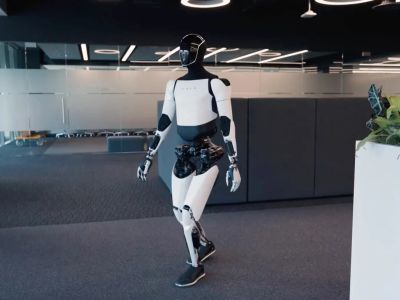
Optimus
Sensors & Perception
Optimus employs RGB and stereo cameras along with IMUs, gyroscopes, force, and temperature sensors to perceive its environment, focusing on robust industrial use cases. XPENG’s Next‑Gen IRON adds LiDAR and ultrasonic sensors as well as touch sensors embedded throughout its skin, delivering enhanced spatial awareness and tactile feedback. This comprehensive sensor array facilitates more natural human-robot interaction and complex environmental mapping.
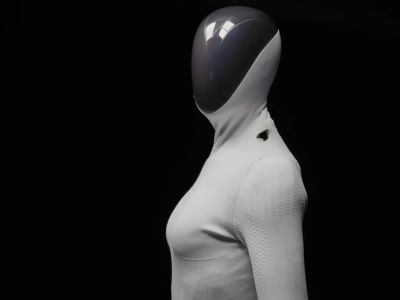
Next-Gen IRON
AI Capabilities
Optimus integrates Tesla’s custom OS with AI algorithms derived from their full self-driving technology, enabling autonomous, vision-based task execution and learning from human demonstrations. Next‑Gen IRON uses a proprietary ROS2-based OS supporting Python and C++ APIs, powered by multiple Turing AI chips delivering over 2200 TOPS, underpinning advanced vision-language-action models and multimodal AI. While both robots feature sophisticated AI, IRON emphasizes interactive and cognitive tasks, whereas Optimus targets reliable physical labor.
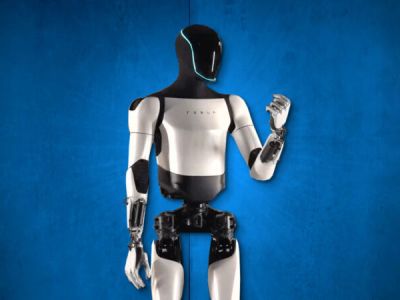
Optimus
Battery & Power Efficiency
Optimus operates approximately 8 hours per full charge, suitable for a work shift in factory or home settings. Next‑Gen IRON’s battery longevity is significantly greater, rated for up to four years, likely due to solid-state battery technology which offers enhanced safety and durability. This difference reflects Optimus’s focus on daily operational cycles and IRON’s potential for long-term deployment with minimal downtime.
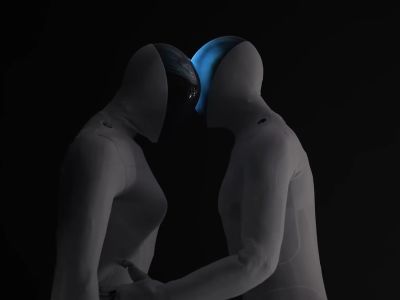
Next-Gen IRON
Use-Case Suitability
Optimus is tailored for repetitive, physically demanding tasks within manufacturing, logistics, elder care, and household assistance, benefiting from its autonomy and speed. Next‑Gen IRON targets customer engagement roles such as sales, guidance, healthcare support, and industrial inspection, leveraging its advanced sensory input and interactive capabilities. Their use cases align with their design philosophy—Optimus for robust labor, IRON for socially interactive and inspection-based activities.
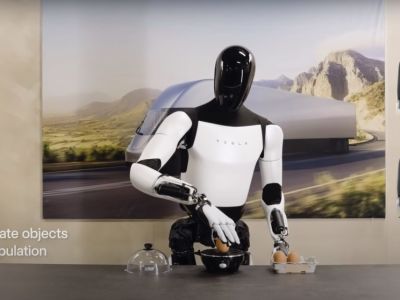
Optimus
Pricing & Value
Optimus is positioned as a more affordable solution with a price range between $20,000 and $30,000, aiming for mass deployment especially in industrial and domestic sectors. Next‑Gen IRON carries a premium price of $120,000 to $150,000, reflecting its advanced sensory equipment, AI compute power, and lifelike design features. This cost disparity highlights differing market strategies and application scopes for each robot.
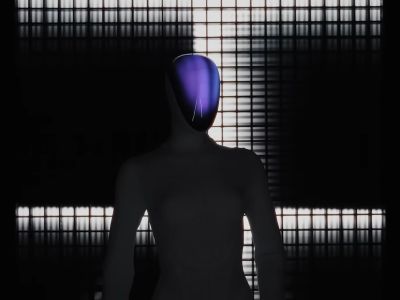
Next-Gen IRON
Safety Features
Both robots incorporate safety mechanisms including emergency stops and collision detection to ensure safe operation around humans. Optimus additionally uses compliant actuators for safer physical interaction, while Next‑Gen IRON offers force limiting and collaborative modes suitable for shared human environments. These features emphasize reliability in operation and user protection in varied contexts.
Capabilities & Operational Tasks
Head-to-head comparison of what Optimus and Next-Gen IRON can do, their applications, and capabilities.
What Can Optimus & Next-Gen IRON Do?
142 tasks listed for both, 6 only for Optimus, 6 only for Next-Gen IRON.
Technical Specifications
Optimus and Next-Gen IRON differ on 31 of the 47 specifications listed for both.
Functional Utility & Use Cases
4 Comparative Metrics
Manipulation & Load Capacity
4 Comparative Metrics
Kinematic Architecture & Dexterity
4 Comparative Metrics
Related Comparisons
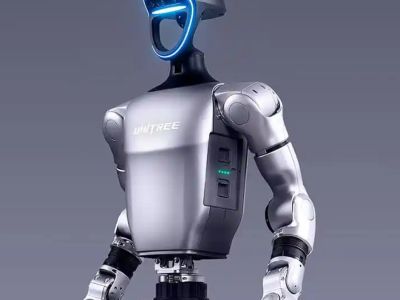
Optimus vs Unitree G1
Compare Optimus vs Unitree G1 for humanoid mobility, dexterity, autonomy, and payload capacity.
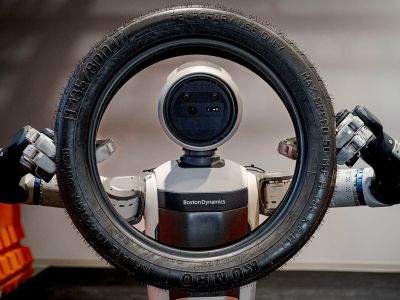
Optimus vs Atlas (Electric 2025)
In-depth comparison of Optimus and Atlas (Electric Atlas, 2025), covering hardware capabilities, teleoperation, and enterprise readiness.
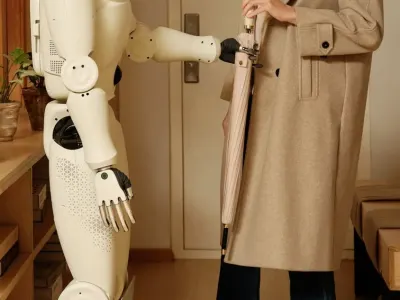
Next-Gen IRON vs Jupiter
Which humanoid robot is better? Next-Gen IRON vs Jupiter compared for dexterity, AI autonomy, payload, and industrial use cases.
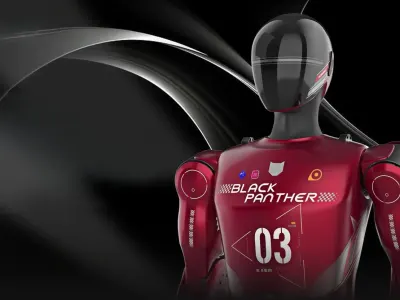
Next-Gen IRON vs Bolt
Compare Next-Gen IRON vs Bolt for humanoid mobility, dexterity, autonomy, and payload capacity in industrial and dynamic use cases.
Verdicts reflect our research and opinion. Confirm specifications with the manufacturer before buying.