
Sirius
AI Chatby Hengbot
ChinaReleased: 2025
Last updated:
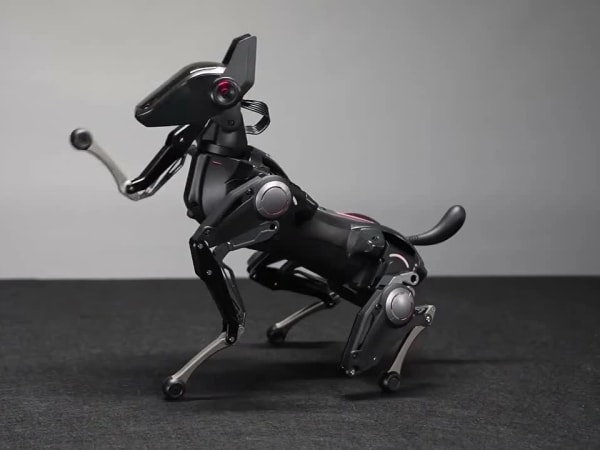
Sirius is a small, trainable AI robot dog from Hengbot in Shenzhen, built to feel more like a real pet than a lab machine. It stands about a quarter of a metre tall, weighs around one kilogram and moves with 14 joints that let it walk, sit, stretch, dance, shake hands and play soccer. An AI head with a camera, microphones and a speaker lets it recognize familiar faces, follow voice commands and chat, and its Creator Studio software lets owners design new moves, expressions and light effects without writing code. Developers can go deeper with an EDU version that adds C/C++ and Python APIs and ROS 2 access.
What Can Sirius Do?
Core operational tasks and activities demonstrated or performed by Sirius.
Real-World Applications of Sirius
Industries, working environments, and deployment suitability for Sirius.
Sirius Capabilities
Inherent physical, perceptual, and cognitive abilities built into Sirius.
Image Gallery
Below images are from Hengbot's official sources


Review Videos
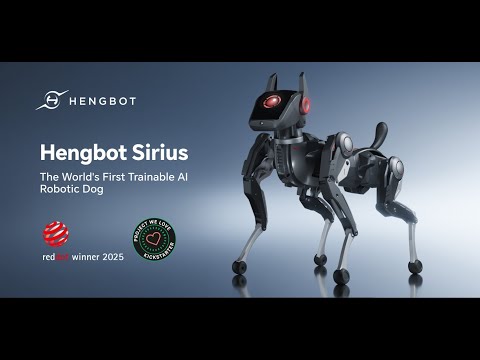
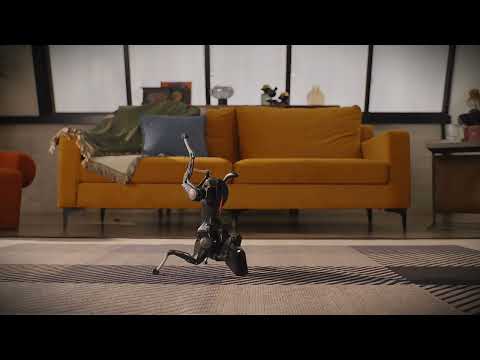
Watch expert reviews and demonstrations of this robot dog
Full Specifications
Other Notable Features
1.8-inch LCD face; RGB light strip and ear LEDs; 8 MP camera; dual microphone array and 2 W speaker; face recognition; 1,000+ motion library; drag-and-drop Creator Studio; swappable personalities and voice packs; large-language-model chat
Sirius vs GENISOM L1 W, Jueying Mini and MARVEL
Sirius overlaps with these alternatives on Education and training and Developer friendly; only Sirius is tagged for Companion and Consumer robotics. Sirius leads this group on weight.
Industries and capabilities are tags, not scores: a tick means the robot is listed for it. Green marks the best figure in a row (lowest weight). Ranges are not ranked.
| Spec | SiriusHengbot | GENISOM L1 WGenisom AI | Jueying MiniDeep Robotics | MARVELKAIST |
|---|---|---|---|---|
| Industries | ||||
| Education and training | Yes | Yes | Yes | No |
| Companion | Yes | No | No | No |
| Consumer robotics | Yes | No | No | No |
| Entertainment and events | Yes | No | No | No |
| Capabilities | ||||
| Developer friendly | Yes | Yes | No | No |
| Speech interaction | Yes | No | Yes | No |
| Walking | Yes | No | Yes | Yes |
| Learning | Yes | Yes | Yes | No |
| Runtime | 40–60 min | 60–120 min | 40 min | — |
| Weight | 1 kg | 20 kg | 23 kg | 8 kg |
| Size Class | mini | mini | medium | mini |
Notes such as conditions or alternate figures are left out and values are shown in common units; open each page for the full specs. Browse all robot dogs
Similar Robot Dogs
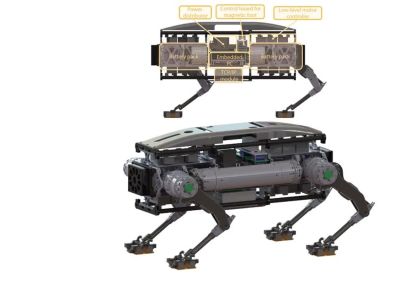
Robot dogs of a similar size, stage and terrain ability


Humanoid Robots You Might Like
Explore humanoid robots, the two-legged cousins of robot dogs

Drones You Might Like
Explore camera drones and flying robots

Frequently Asked Questions
Get answers to common questions about this robot