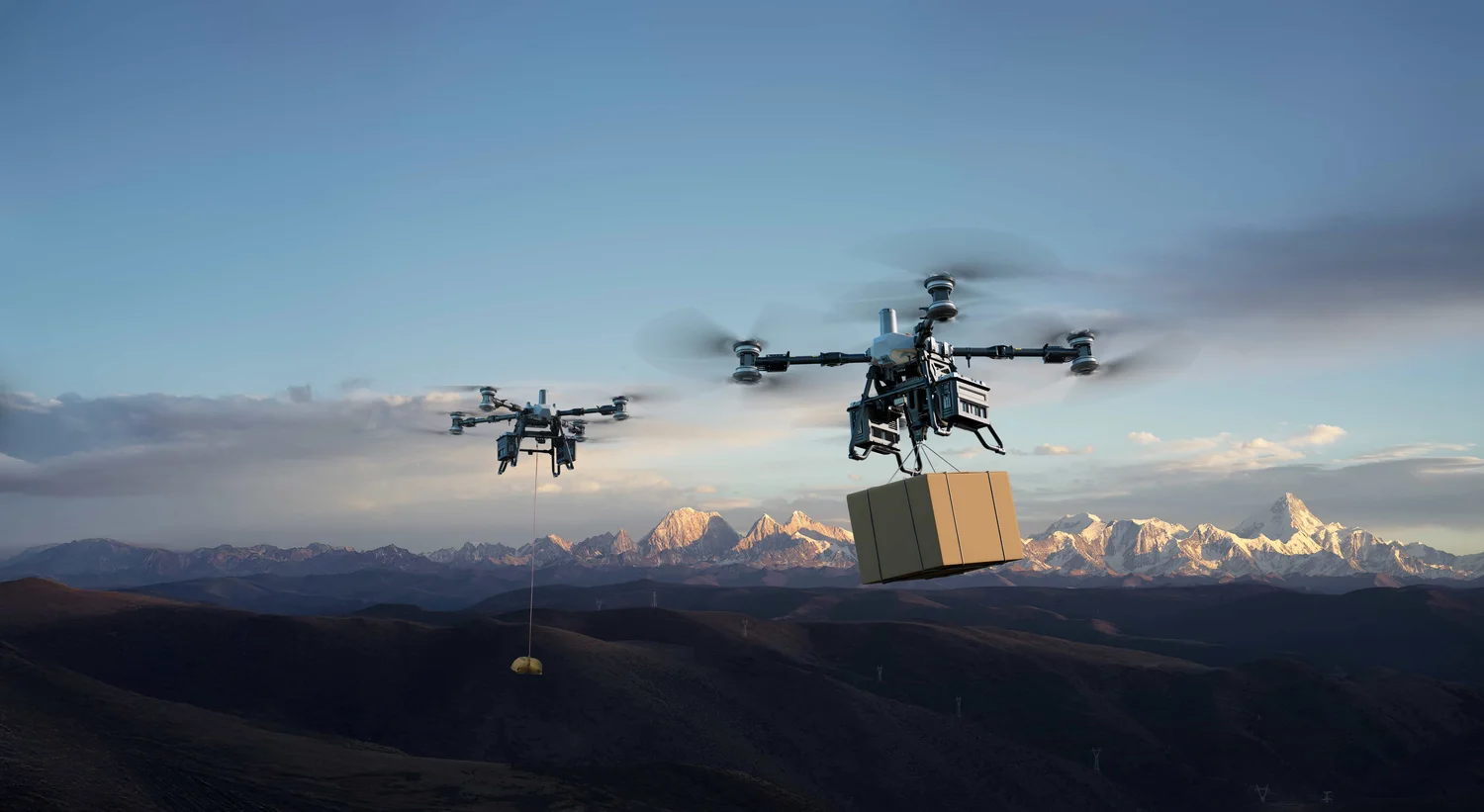
DJI FlyCart 100
The DJI FlyCart 100 is a heavy-lift delivery drone designed for industrial, emergency, and logistical applications requiring substantial payload capacity and rugged performance. It supports a maximum takeoff weight of 149.9 kg and can carry up to 100 kg with a single battery or 85 kg with dual batteries. The drone features a coaxial four-axis, eight-blade rotor system with 62-inch carbon fiber propellers, delivering high thrust and stability. It operates effectively at altitudes up to 6,000 meters and in temperatures from -20°C to 40°C. Equipped with advanced safety systems including LiDAR, millimeter-wave radar, a five-direction vision array, and a built-in parachute, it ensures obstacle avoidance and safe descent. The FlyCart 100 supports ultra-fast charging, hot-swappable batteries, and offers two payload delivery methods: a winch system with a 30-meter retractable cable and an electric hook. Its IP55 rating and wind resistance up to 12 m/s make it suitable for challenging environments.
Quick Overview & Key Facts
DJI FlyCart 100 is a drone Camera system developed by DJI in China and launched in 2025. Starting price is estimated at $12,500 - $18,800. It is currently ranked #7 in most-viewed drones on Origin of Bots. It features a payload capacity of Cargo payload (up to 100 kg), winch-delivered or hook-attached. Operating battery runtime is rated at Up to 40 minutes (Estimated based on battery capacity and payload). Primary applications include Heavy cargo delivery, industrial logistics, emergency supply transport, remote area deliveries. Featured in editorial articles including “DJI FlyCart 100 Revolutionizes Heavy-Lift Drone Delivery”.
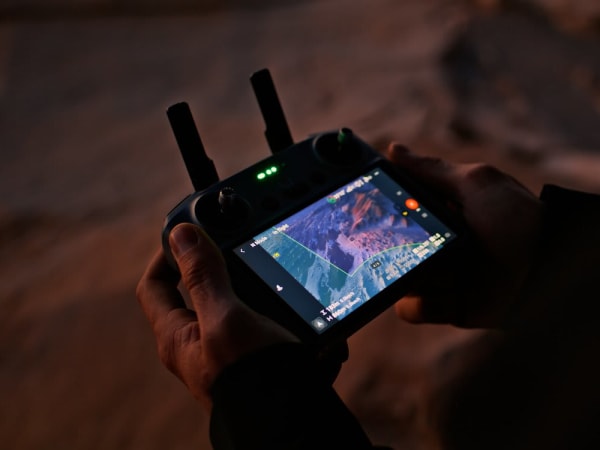
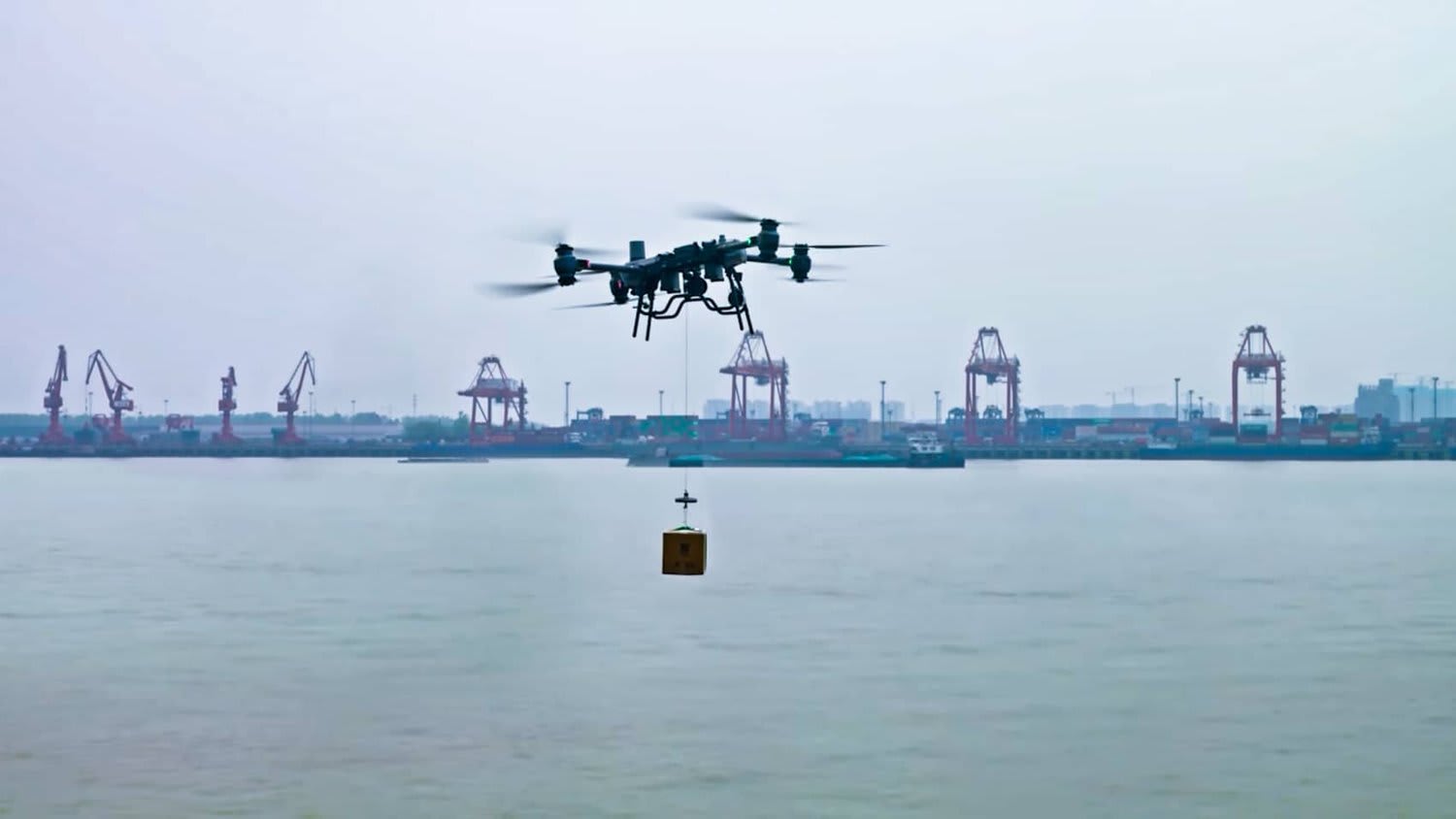
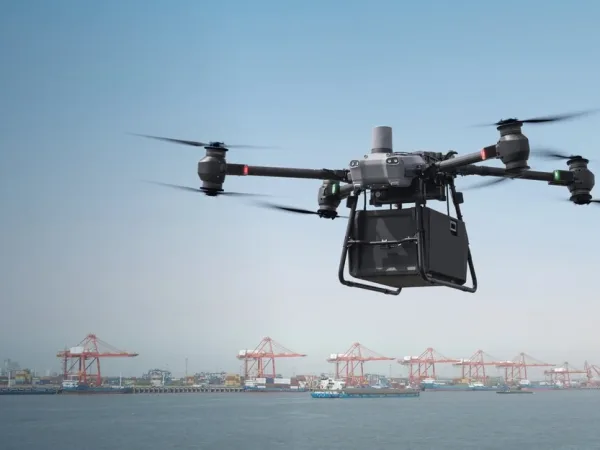
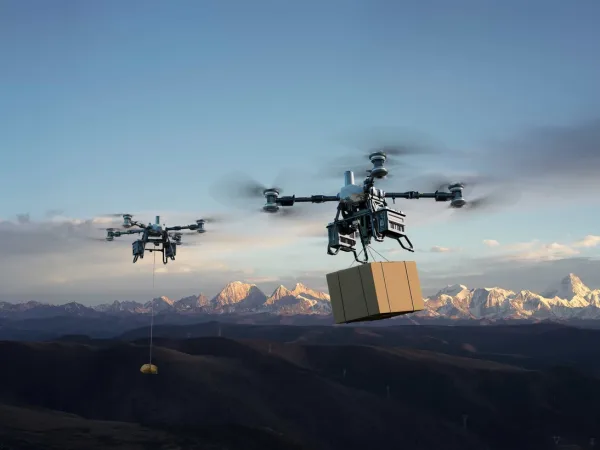
Image Gallery
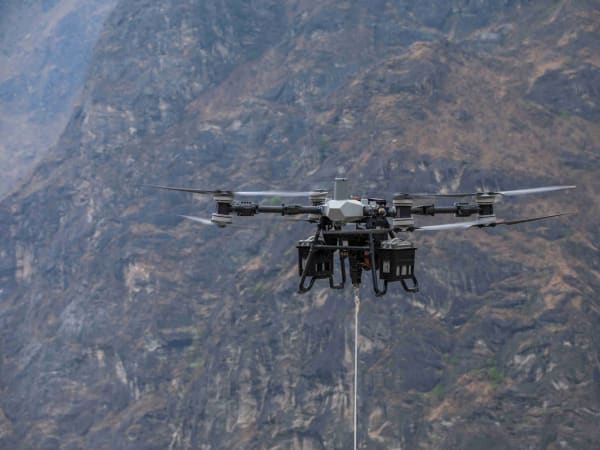
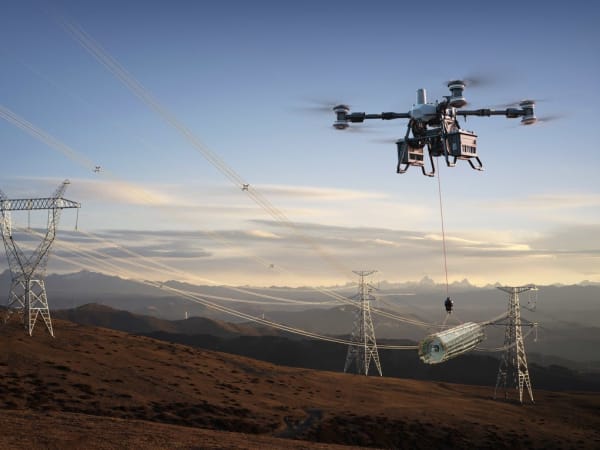
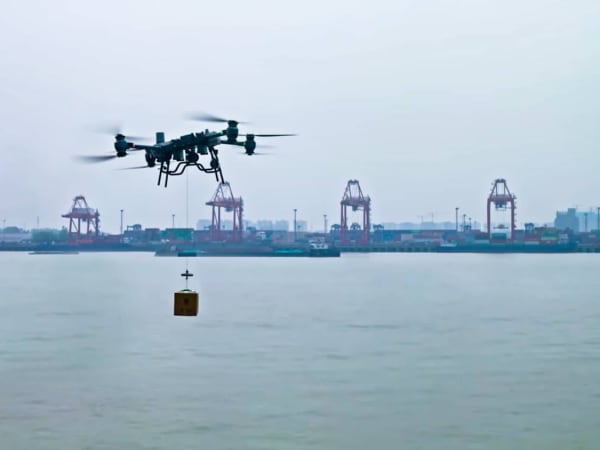
Below images are from DJI's official sources
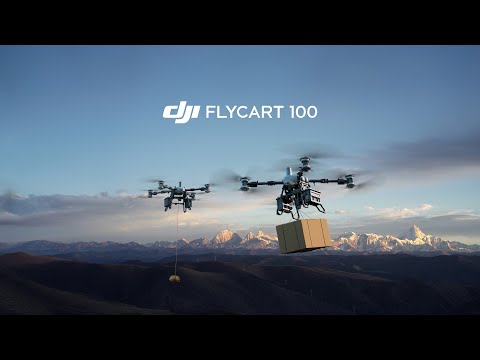
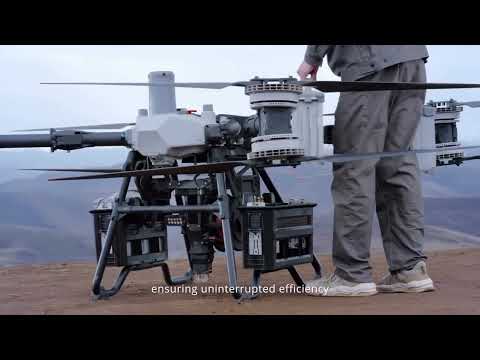
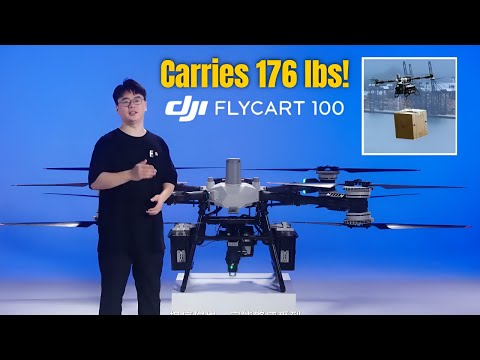
Review Videos
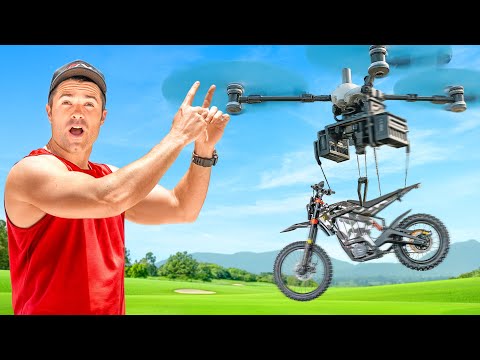
Watch expert reviews and demonstrations of this robot
Robot Specifications
Latest News About DJI FlyCart 100
Stay updated with the latest articles and developments
Compare This Robot With Others
See how DJI FlyCart 100 stacks up against other leading robotics models in detailed side-by-side technical comparisons.
More Robots from DJI
Explore other robots from this manufacturer
More Drones
Discover more robots in the same category

Robots From Other Categories
Discover complementary robots from different categories that work well together


Frequently Asked Questions
Get answers to common questions about this robot
Q1. What are DJI FlyCart 100's primary capabilities?
The FlyCart 100 is a heavy-lift delivery drone capable of carrying up to 80 kg payload, flying up to 12 km with dual batteries, equipped with advanced obstacle detection, all-weather operation, and a smart winch system for precise cargo handling.
Q2. How to operate DJI FlyCart 100?
Operation involves pre-flight checks, battery installation (dual or single), setting flight routes via DJI Delivery Hub software, and controlling via remote or autonomous modes with real-time monitoring of cargo and environment.
Q3. What is the maximum carrying capacity of DJI FlyCart 100?
It can carry up to 80 kg with a single battery for shorter distances or 65 kg with dual batteries for longer flights, supporting heavy logistics needs.
Q4. How long can DJI FlyCart 100 operate on a single charge?
The drone can fly approximately 7 minutes on a single battery and up to 14 minutes using dual batteries under maximum takeoff weight conditions.
Q5. What safety features does DJI FlyCart 100 have?
It includes LiDAR, millimeter-wave radar, a five-direction vision array for 360° obstacle detection, an integrated parachute slowing descent to 6 m/s, pedestrian and vehicle protection, and IP55 dust and water resistance.
Q6. How to maintain DJI FlyCart 100?
Regularly inspect propellers, motors, and winch system; keep batteries charged and pre-heated in cold conditions; clean sensors and airframe; update software; and perform routine diagnostics via DJI software.
Q7. What surfaces can DJI FlyCart 100 navigate?
Designed for aerial delivery, it operates over varied terrains including urban, mountainous, and industrial sites, capable of stable flight in winds up to 12 m/s and altitudes up to 6,000 meters.
Q8. How does DJI FlyCart 100 handle obstacles?
It uses a combination of LiDAR, millimeter-wave radar, and a penta-vision camera array with an obstacle avoidance algorithm to detect and avoid obstacles in all directions during flight.
Q9. What is DJI FlyCart 100's maximum speed?
While exact top speed is not specified, it is optimized for stable heavy-lift flight rather than speed, with winch cable retraction at 1.2 m/s for precise cargo handling.
Q10. What are common use cases for DJI FlyCart 100?
Ideal for heavy cargo delivery in remote or difficult terrain, infrastructure inspection, emergency supply drops, construction sites, and industrial logistics where landing is impractical.
Q11. How to reset DJI FlyCart 100?
Reset procedures typically involve powering down, removing and reinserting batteries, and using the DJI control software to perform a system reboot or factory reset if needed.
Q12. How to control DJI FlyCart 100?
Control is via DJI’s remote controller or autonomous flight planning software, with real-time telemetry and AR-assisted obstacle awareness for manual or automated operation.
Q13. How to connect DJI FlyCart 100 to Wi-Fi?
Connect through the DJI control app by selecting the drone’s onboard Wi-Fi network or via the DJI Delivery Hub software, enabling firmware updates and data transfer.
Q14. What is DJI FlyCart 100's warranty?
DJI typically offers a one-year limited warranty covering manufacturing defects; extended service plans may be available for enterprise users.
Q15. How to update DJI FlyCart 100's software?
Software updates are performed via the DJI app or Delivery Hub platform by connecting the drone to Wi-Fi or USB, downloading the latest firmware, and following on-screen installation prompts.
User Comments (No Login needed)
Share your thoughts, experiences, or questions about this robot.
Comments are reviewed before posting.