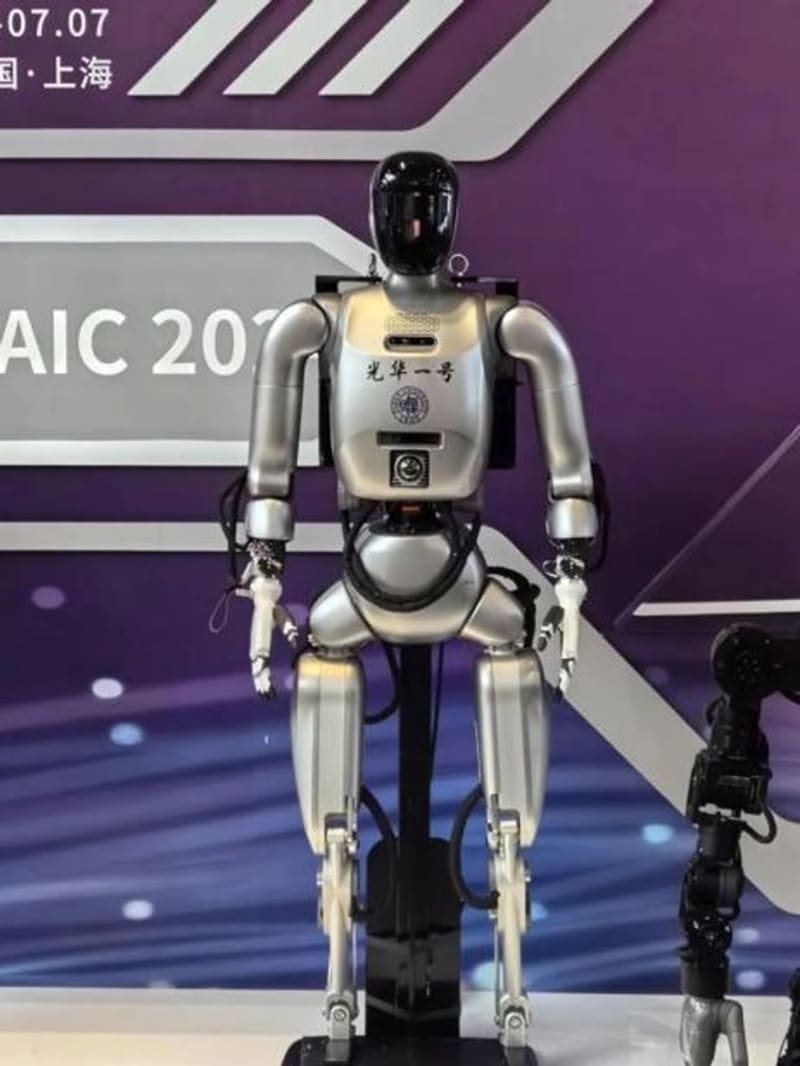
Guanghua No. 1
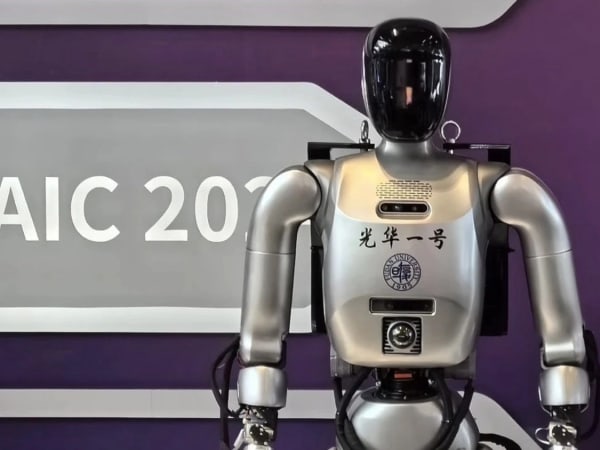
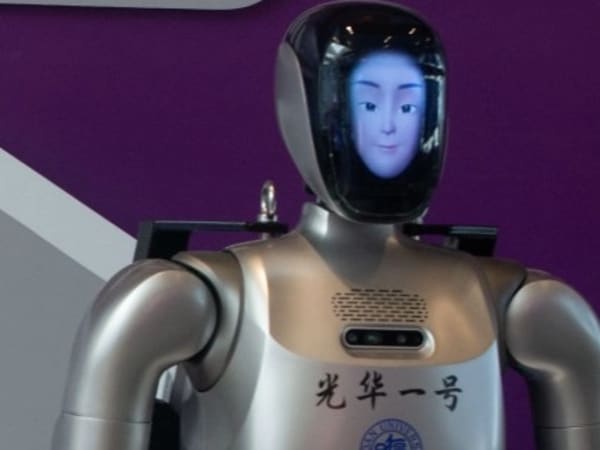
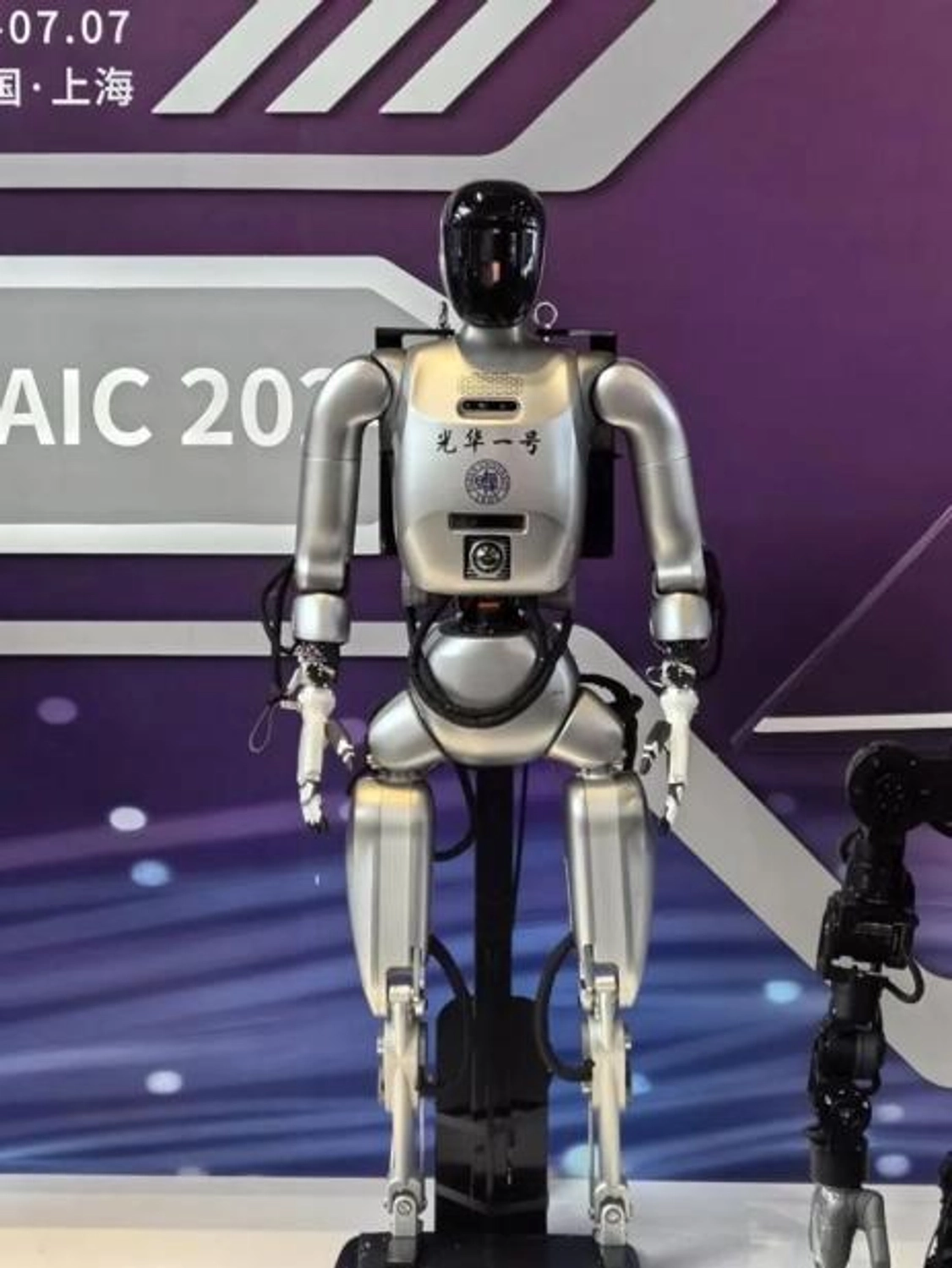
Guanghua No. 1 is an advanced emotional humanoid robot engineered by Fudan University for elderly care and healthcare companionship. Standing at human height with 45 intelligent joints and a hierarchical generative brain model, it achieves fluid bipedal walking, arm swinging, and upright posture while manipulating objects delicately. A facial screen displays four core emotions—happiness, anger, sadness, and joy—powered by brain-inspired algorithms mimicking dopamine rewards and multilevel incentives for human-like perception and response. Designed to interpret human expressions, it provides empathetic, personalized assistance like helping seniors out of bed or to the restroom. Multilingual support in six languages enhances global applicability, addressing aging populations through emotional intelligence beyond mechanical tasks, fostering family-like warmth in interactions.
Quick Overview & Key Facts
Guanghua No. 1 is a humanoid system developed by Fudan University in China and launched in 2024. Starting price is estimated at USD 14,000-20,000. It is currently ranked #274 in most-viewed humanoid robots on Origin of Bots. It supports People interaction, precision instruments. Operating battery runtime is rated at 4 hours on full charge. Primary applications include Assisting elderly with bed mobility, restroom accompaniment, emotional companionship in hospitals. Featured in editorial articles including “Fudan’s Guanghua No. 1 pushes humanoid robots toward elder care, not general-purpose autonomy”.
What Can Guanghua No. 1 Do?
Core operational tasks and activities demonstrated or performed by Guanghua No. 1.
Real-World Applications of Guanghua No. 1
Industries, working environments, and deployment suitability for Guanghua No. 1.
Guanghua No. 1 Capabilities
Inherent physical, perceptual, and cognitive abilities built into Guanghua No. 1.
Download Media Cards
Story CardExport high-resolution story cards summarizing Guanghua No. 1's operational tasks, real-world applications, and capabilities.
Image Gallery
Below images are from Fudan University's official sources
Review Videos
Watch expert reviews and demonstrations of this robot
Robot Specifications
Latest News About Guanghua No. 1
Stay updated with the latest articles and developments
More Humanoid Robots
Discover more robots in the same category

Robots From Other Categories
Discover complementary robots from different categories that work well together


Frequently Asked Questions
Get answers to common questions about this robot
Q1. What is Guanghua No. 1, and what problem is it designed to solve?
Guanghua No. 1 is an emotionally responsive humanoid robot developed by Fudan University's Academy for Engineering and Technology to address elderly care needs in aging populations.
Q2. What are the main capabilities and key features of Guanghua No. 1?
It features facial expression display for emotions like happiness and sadness, upright walking, and a hierarchical generative brain model for human-like responses and movements.
Q3. Who is Guanghua No. 1 built for, and which industries can benefit from it?
Designed as a health companion for the elderly, it targets healthcare and elderly care sectors, with interest reported from aging societies in Singapore, Japan, and Russia.
Q4. Is Guanghua No. 1 a commercial product or still a research prototype?
As of 2026, it remains under iterative software development following its 2024 unveiling, positioned as a university research project advancing toward applications.
Q5. Is Guanghua No. 1 currently available for purchase, and when is it expected to ship?
Not yet commercially available; developers announced plans for hospital trials in Shanghai by late 2024, with ongoing testing in provinces like Jiangsu and Zhejiang.
Q6. How does Guanghua No. 1 actually work in real-world environments?
It interprets human expressions via brain-inspired algorithms to generate empathetic responses, supporting tasks like assisting with bed mobility in elderly care settings during tests.
Q7. When was Guanghua No. 1 announced or officially launched?
Unveiled by Fudan University at the 2024 World Artificial Intelligence Conference in Shanghai on July 4, marking its public debut.
Q8. How is Guanghua No. 1 different from other robots in the same category?
It is the only university-developed humanoid among 18 showcased at WAIC 2024, emphasizing emotional intelligence inspired by dopamine reward mechanisms for elderly companionship.
Q9. Does Guanghua No. 1 require additional development or customization after purchase?
Currently in software iteration and testing phases, any deployment would involve further refinement for specific healthcare scenarios according to developers.
Q10. What is the future roadmap or planned upgrades for Guanghua No. 1?
Plans include hospital demonstrations and expanded testing for elderly assistance tasks, aiming to enhance safety, accuracy, and multilingual support in six languages.
User Comments (No Login needed)
Share your thoughts, experiences, or questions about this robot.
Comments are reviewed before posting.