Fudan’s Guanghua No. 1 pushes humanoid robots toward elder care, not general-purpose autonomy
Robot Details
Guanghua No. 1 • Fudan UniversityPublished
June 2, 2026
Reading Time
3 min read
Author
Origin Of Bots Editorial Team
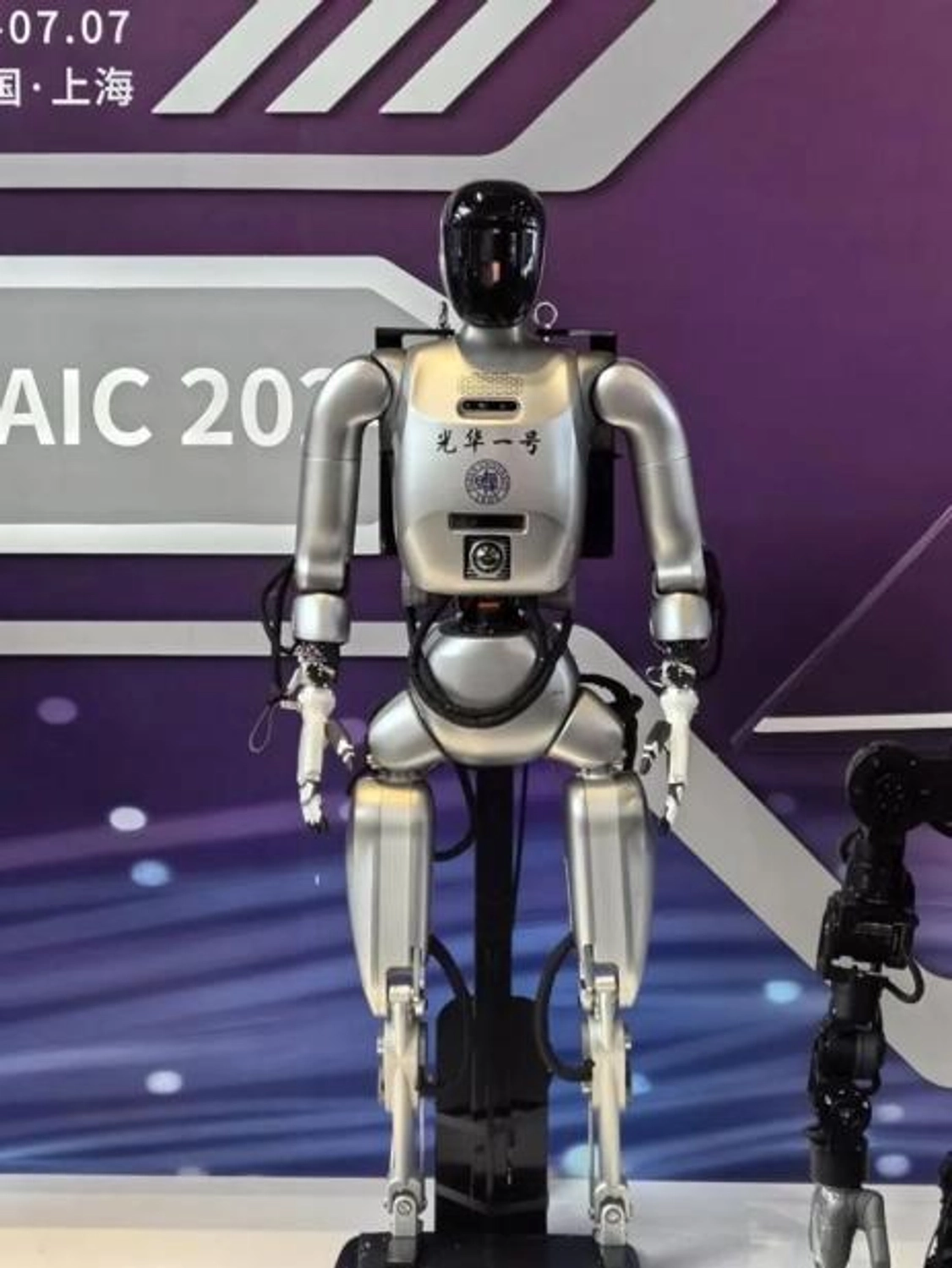
Care Comes First
Humanoid robots are increasingly being framed as tools for human-centric spaces, where balance, safe motion, and interaction matter as much as raw strength. Fudan University’s Guanghua No. 1 was unveiled at the 2024 World Artificial Intelligence Conference in Shanghai as an emotional humanoid robot designed for elderly care and healthcare support, with facial expressions and upright walking highlighted in the demo.
Why It Stands Out
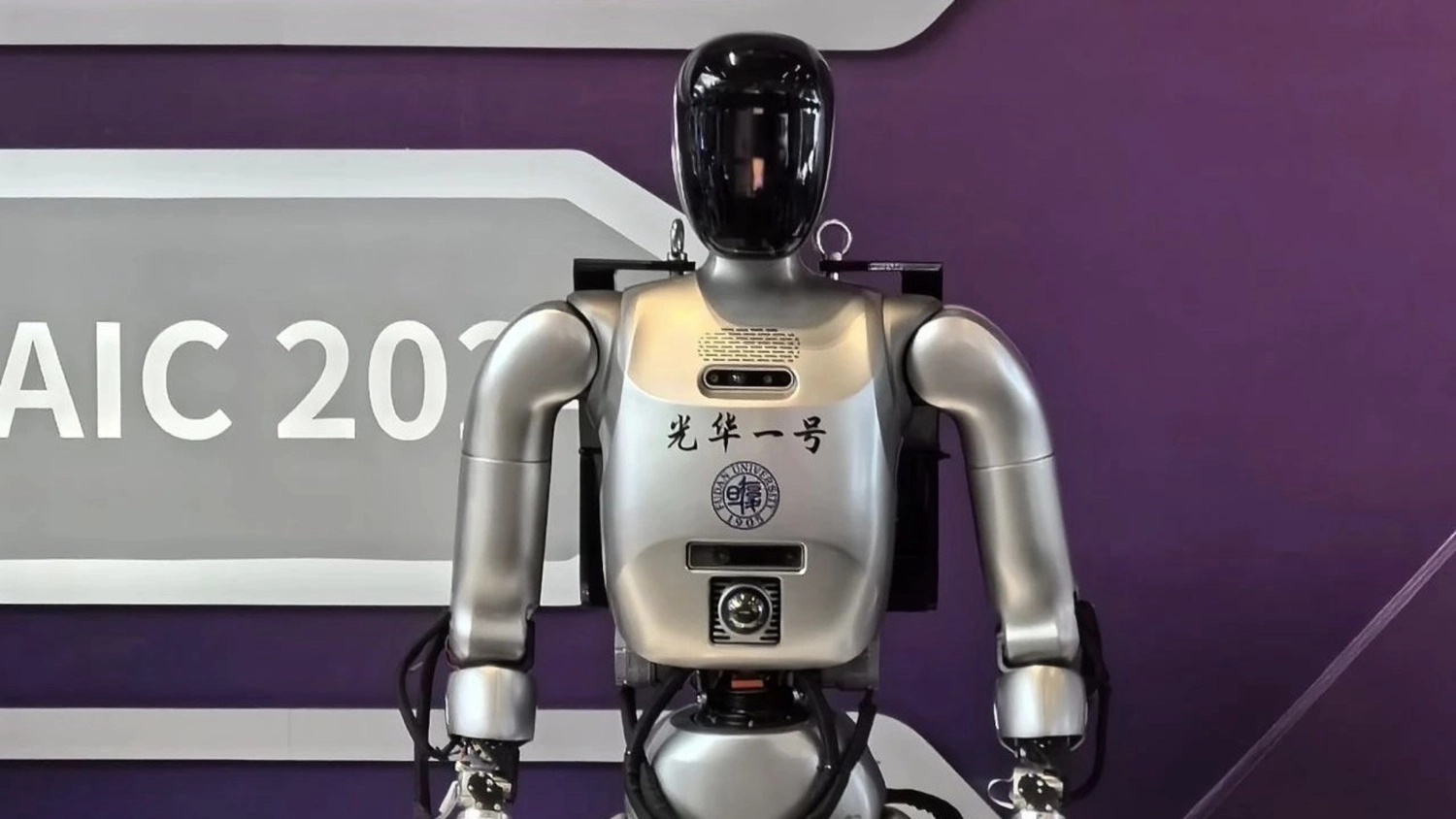
What makes Guanghua No. 1 notable is not just that it walks, but that its design centers on bedside assistance, emotional signaling, and close-range interaction in environments where people need reassurance as much as physical help. Reports from the unveiling say it was built around elder care use cases, with developers emphasizing tasks such as helping someone get out of bed or accompany them to the restroom, which places the robot in the growing teleoperation-first segment of humanoids rather than the more speculative fully autonomous category. Its facial display, emotion-oriented behavior model, and human-scale proportions are all aimed at making interactions feel less mechanical in hospitals and care settings. Guanghua No. 1 is a caregiving interface first, and a mobility platform second.
How It Works
The reported system flow is straightforward: human motion input and interaction cues are processed by an AI model, then translated into joint movement, balance correction, and facial expression. Fudan’s descriptions point to a hierarchical generative embodied brain model and motivation-inspired algorithms that coordinate perception and action, which is meant to help the robot move smoothly while responding to people in real time. In practical terms, the value is not a pre-scripted routine but the ability to maintain stable motion and expressive feedback during close human contact.
Bedside Assistance
The most concrete deployment scenario so far is elder care inside hospitals and care facilities, especially tasks that require gentle physical proximity rather than long-range autonomy. The team has said it is testing the robot for helping elderly people get out of bed and accompanying them to the bathroom, which makes the robot’s safety and interaction design more important than speed or outdoor navigation. That use case also explains why the project has leaned heavily on emotional expression: in a caregiving setting, trust and comfort can be operational requirements, not cosmetic features.
What the Build Enables
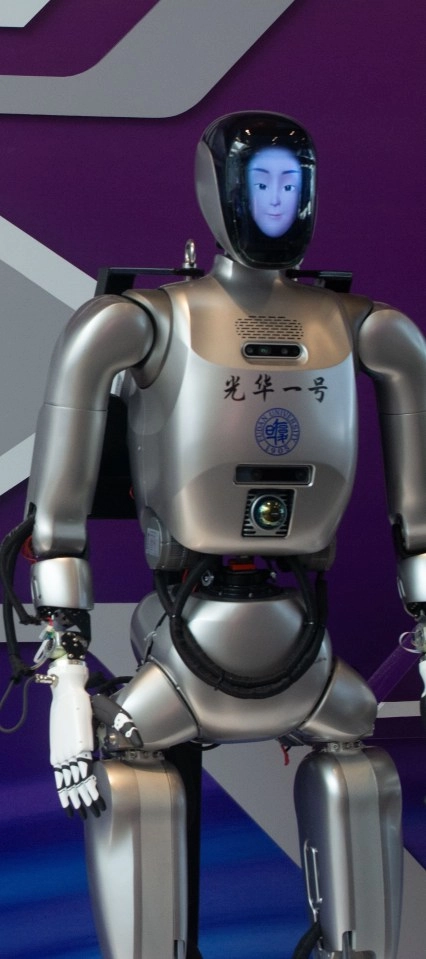
Verified reports describe Guanghua No. 1 as standing 165 cm tall, weighing 62 kg, and using 45 intelligent joints, a combination that supports human-scale posture and controlled movement in tight indoor spaces. The robot is also reported to display four core emotions on a facial screen, while its motion stack is described as emphasizing upright walking and fluid arm movement. Fudan’s public descriptions further point to a brain-inspired control approach built for emotionally responsive interaction, although the exact performance envelope has not been independently published.
Rivals Edge Check
| Robot | Key Advantage | Where Guanghua No. 1 Wins | Target Use |
|---|---|---|---|
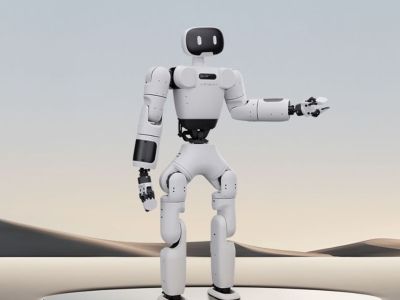
| AgiBot X1 | Broad humanoid platform positioning | More explicit focus on elder care, emotional interaction, and bedside support | Service and teleoperation |
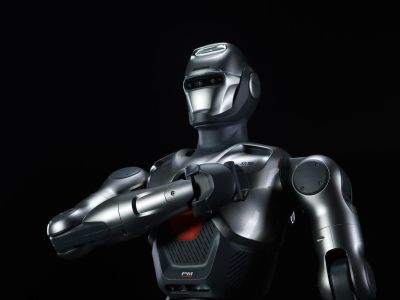
| PM01 | Compact humanoid design emphasis | Human-scale caregiving posture and emotional signaling for close-contact settings | Assisted service |
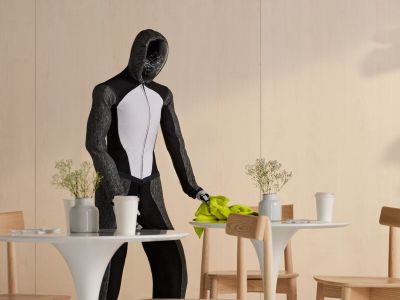
| NEO Beta | Home-oriented humanoid concept | More directly tailored to hospital and elderly care workflows | Human-centric assistance |
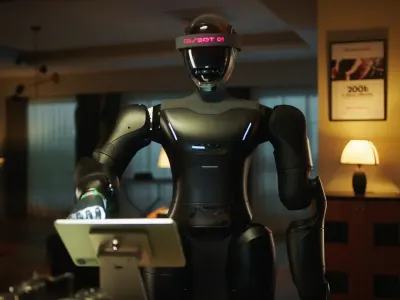
| CASBOT 01 | General humanoid mobility and manipulation | Stronger narrative around empathetic interaction and care-specific tasks | Care and remote support |
Industry Direction
Guanghua No. 1 signals that the humanoid sector is moving from showcase walking demos toward task-specific robots designed around human contact, supervision, and remote operation. For universities and early-stage builders, the competitive question is no longer just whether a robot can balance, but whether it can earn trust in a room with patients, caregivers, and family members present. That shift favors systems that combine manipulation, emotional cues, and operator-friendly control over robots that rely mainly on pre-programmed motion libraries.
Explore Humanoids
Sources
Related Articles

Hanson Robotics’ Joey Chaos showed how expressive humanoids can hold a conversation, not just strike a pose
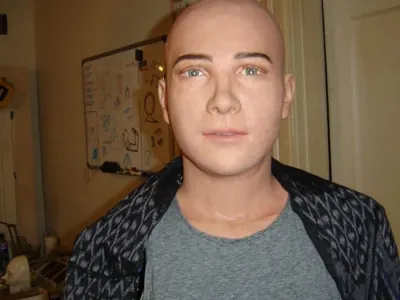
Hanson Robotics’ Jules Shows How Humanoid Robots Are Being Built for Human Interaction, Not Autonomy
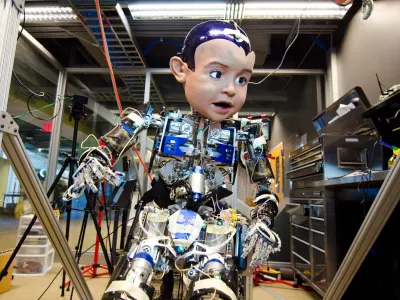
Hanson Robotics’ Diego-San remains a benchmark for toddler-like humanoid research
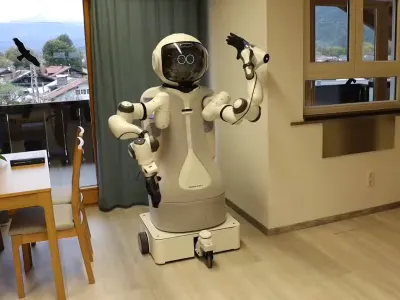
DLR’s GARMI pushes humanoid teleoperation into elder care and remote assistance
Related Comparisons
Compare Guanghua No. 1 with similar robots

Optimus vs Unitree G1
Compare Optimus vs Unitree G1 for humanoid mobility, dexterity, autonomy, and payload capacity.
Unitree G1 vs Unitree H1
Head-to-head: Unitree G1 vs Unitree H1 compared on bipedal balance, AI learning, and real-world deployment.
Optimus vs Atlas (Electric 2025)
In-depth comparison of Optimus and Atlas (Electric Atlas, 2025), covering hardware capabilities, teleoperation, and enterprise readiness.
Ameca vs Moya
Which humanoid robot is better? Ameca vs Moya compared for dexterity, AI capabilities, and price.
Learn More About This Robot
Discover detailed specifications, reviews, and comparisons for Guanghua No. 1.
View Robot Details →