TARS
AI ChatLast updated:
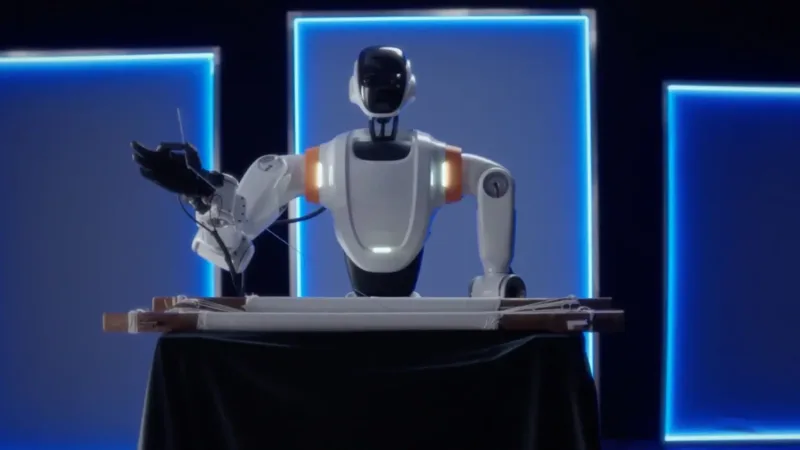
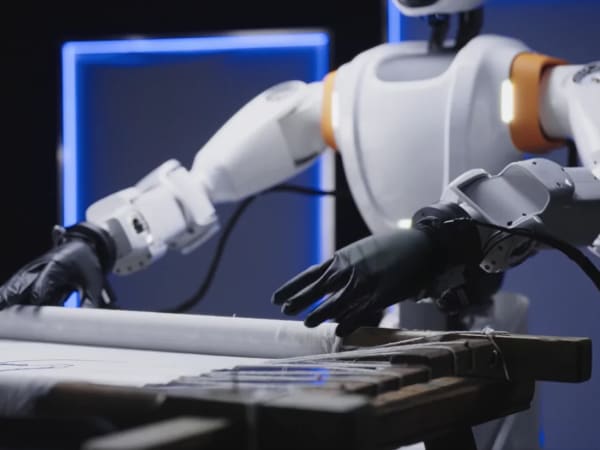
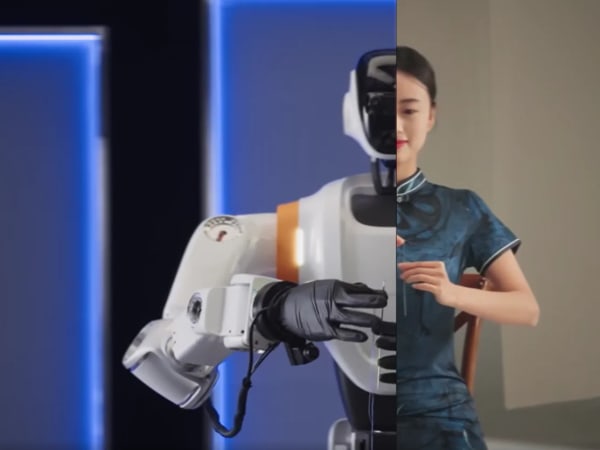
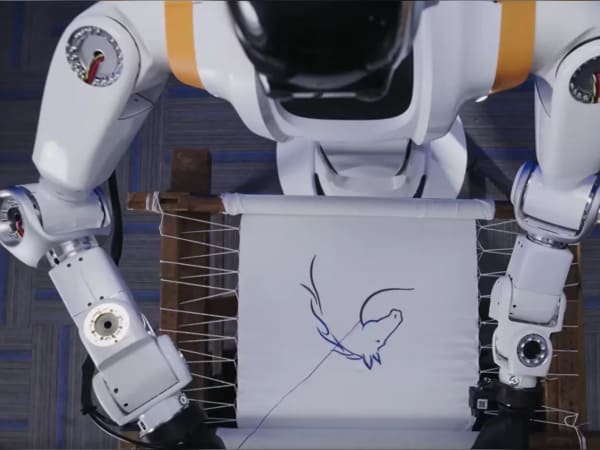
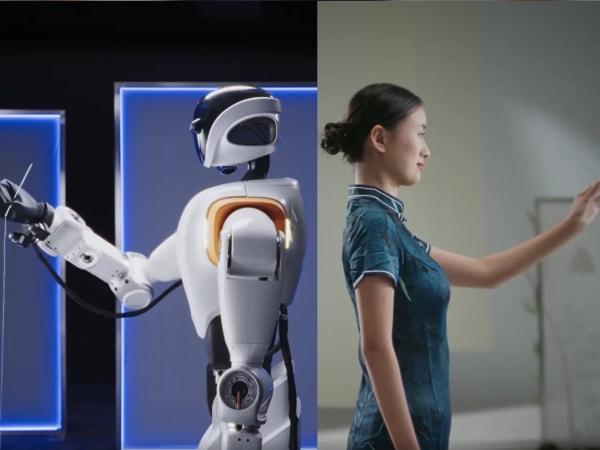
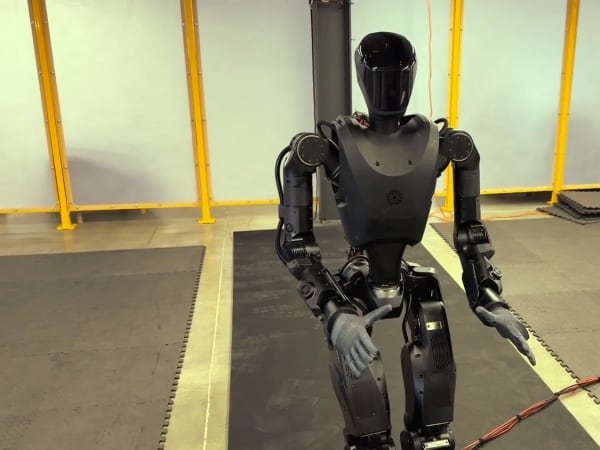
TARS is an advanced humanoid robot developed by Tars Robotics, a Chinese startup specializing in embodied AI for precision manufacturing. Standing at 167 cm with 35 degrees of freedom, it excels in bipedal locomotion and bi-manual dexterity, demonstrated by world-first achievements like hand embroidery and wire harness assembly requiring sub-millimeter precision and adaptive force control. Equipped with stereoscopic RGBD cameras, IMU for balance, and tactile sensors, TARS integrates the SenseHub platform and TARS 2.0 Zero AI World Engine for learning general physical skills from real-world data. Its electric servo actuators and harmonic gears enable stable manipulation of flexible materials, while 5G-A connectivity supports low-latency teleoperation. Designed for industrial automation, it bridges AI decision-making with physical execution, targeting logistics, manufacturing upgrades, and scalable production with human-safe collaboration.
Quick Overview & Key Facts
TARS is a humanoid robot made by TARS Robotics in China, launched in 2025 and built for hand embroidery, wire harness assembly, and flexible manufacturing. Its estimated price is USD 95,000. Featured in “Chinese Robot Masters Hand Embroidery, Tackles Wire Harness Assembly”.
- Dimensions
- 160 to 175 cm
- Weight
- 80 kg
- Top speed
- 3 km/h
- Handles
- Precision instruments, flexible materials, tools
- Battery runtime
- 3 hours
- Charging time
- 4 hours
- Sensors
- RGBD stereoscopic cameras, IMU, gyroscope, tactile matrices, force sensors
- Operating environment
- Indoor
What Can TARS Do?
Core operational tasks and activities demonstrated or performed by TARS.
Real-World Applications of TARS
Industries, working environments, and deployment suitability for TARS.
TARS Capabilities
Inherent physical, perceptual, and cognitive abilities built into TARS.
Image Gallery
Below images are from TARS Robotics's official sources
Review Videos
Watch expert reviews and demonstrations of this robot



Robot Specifications
Values without a Confirmed badge are compiled from public sources and may not be manufacturer-verified.
Not yet published by TARS Robotics: warranty terms, safety certifications, EMC compliance, IP rating, noise level, expected lifespan, maintenance schedule, firmware version and 7 more.
Robot Timeline
Key milestones in this robot's development and rollout
TARS raises a $120 million angel round, the largest in China's embodied-AI sector at the time.
Source: TechNode ↗
TARS completes a $122 million Angel+ round led by Meituan's strategic arm, taking total funding to $242 million.
Source: TechNode ↗
TARS raises $455 million in a Pre-A round co-led by GL Ventures, HSG and Meituan, China's largest single humanoid financing round.
Source: OLA China ↗
Latest News About TARS
Stay updated with the latest articles and developments

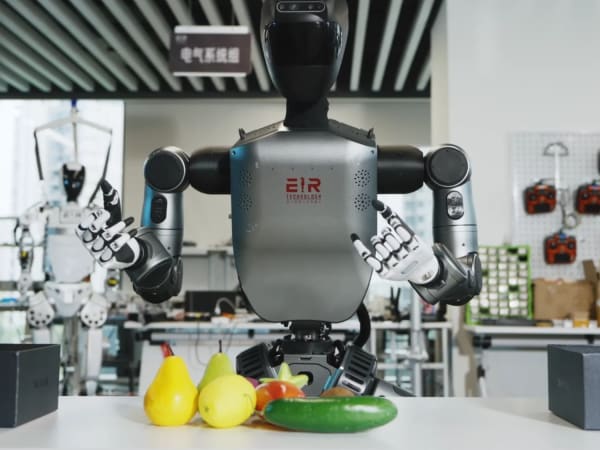
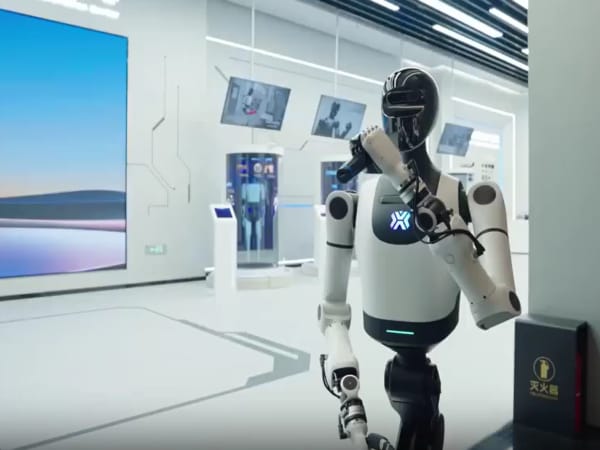
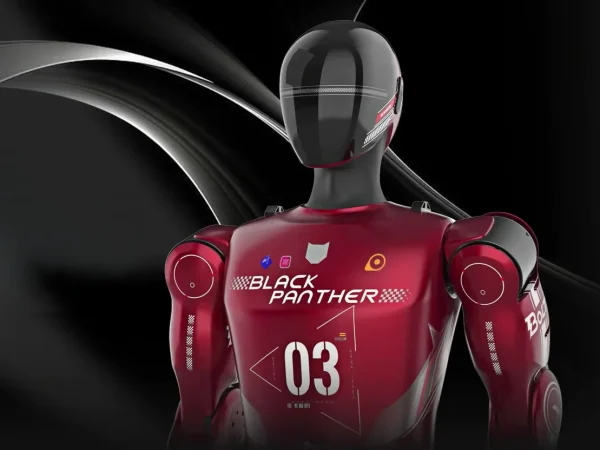
TARS vs SkyWalker 2, Titan Yi 2.0, Bolt and Phantom MK1
TARS overlaps with these alternatives on Dangerous or high-risk work and Hazardous environments. TARS leads this group on runtime but trails on max speed and weight.
Industries and capabilities are tags, not scores: a tick means the robot is listed for it. Green marks the best figure in a row (highest max speed and runtime; lowest weight). Ranges are not ranked.
| Spec | TARSTARS Robotics | SkyWalker 2EIR Technology | Titan Yi 2.0X-Humanoid | BoltMirrorMe Technology | Phantom MK1Foundation |
|---|---|---|---|---|---|
| Industries | |||||
| Dangerous or high-risk work | Yes | Yes | No | No | No |
| Hazardous environments | Yes | Yes | Yes | No | Yes |
| Construction | Yes | Yes | Yes | Yes | Yes |
| Research and development | Yes | Yes | Yes | Yes | Yes |
| Capabilities | |||||
| Task planning | Yes | Yes | No | Yes | No |
| Adaptation | Yes | Yes | Yes | Yes | Yes |
| Autonomous task execution | Yes | Yes | Yes | Yes | Yes |
| Balance and stability | Yes | Yes | Yes | Yes | Yes |
| Max Speed | 0.83 m/s | 1.94 m/s | 2 m/s | 10 m/s | 1.7 m/s |
| Runtime | 3 h | 3 h | 2–4 h | 3–5 h | — |
| Weight | 80 kg | 55 kg | 55 kg | 75 kg | 80 kg |
| Released | 2025 | 2025 | 2025 | 2026 | 2025 |
Notes such as conditions or alternate figures are left out and values are shown in common units; open each page for the full specs. Browse all Humanoid Robots
More Humanoid Robots
Discover more robots in the same category
Robots From Other Categories
Discover complementary robots from different categories that work well together

Frequently Asked Questions
Get answers to common questions about this robot
Q1. What is TARS, and what problem is it designed to solve?
TARS is a humanoid robot developed by TARS Robotics, a Shanghai-based company. According to the manufacturer, it addresses challenges in precision manufacturing through AI-driven fine-motor control for tasks like bi-manual manipulation.
Q2. What are the main capabilities and key features of TARS?
TARS features AI integration for dexterous physical control, demonstrated in tasks such as two-hand stitching. It supports connectivity options including 5G-A, Ethernet, and Wi-Fi, with a Linux-based operating system.
Q3. Who is TARS built for, and which industries can benefit from it?
TARS targets industrial automation, logistics, and manufacturing sectors. The manufacturer positions it for environments requiring precise manipulation and human-safe operation.
Q4. Is TARS a commercial product or still a research prototype?
As of 2025, TARS is classified as a prototype. It has been showcased with demonstrations but lacks verified commercial deployment.
Q5. Is TARS currently available for purchase, and when is it expected to ship?
TARS is listed at $95,000 but remains in prototype stage. Shipping timelines are not specified, pending transition from prototype to commercial availability.
Q6. How does TARS actually work in real-world environments?
TARS operates using electric servo actuators and AI for low-latency response in human-safe settings. It employs RGB-depth cameras and onboard processing for tasks in industrial spaces.
Q7. When was TARS announced or officially launched?
TARS was unveiled by TARS Robotics around 2024. No official commercial launch date has been confirmed as of 2025.
Q8. How is TARS different from other robots in the same category?
TARS emphasizes AI-powered precision for fine tasks like stitching, distinguishing it in the humanoid segment focused on industrial dexterity. It competes with models using similar servo and gear technologies.
Q9. Does TARS require additional development or customization after purchase?
As a prototype, TARS likely requires integration and customization for specific applications. The manufacturer indicates potential for external LLM and system adaptations.
Q10. What is the future roadmap or planned upgrades for TARS?
TARS Robotics has announced plans to advance from prototype demonstrations toward commercial industrial use. Details on specific upgrades remain undisclosed as of 2025.
Rating and Reviews
Share your experience and help others decide!
Loading...
User Reviews
No user reviews. Be the first one to review!
User Comments (No Login needed)
Share your thoughts, experiences, or questions about this robot.
Comments appear after moderator review.