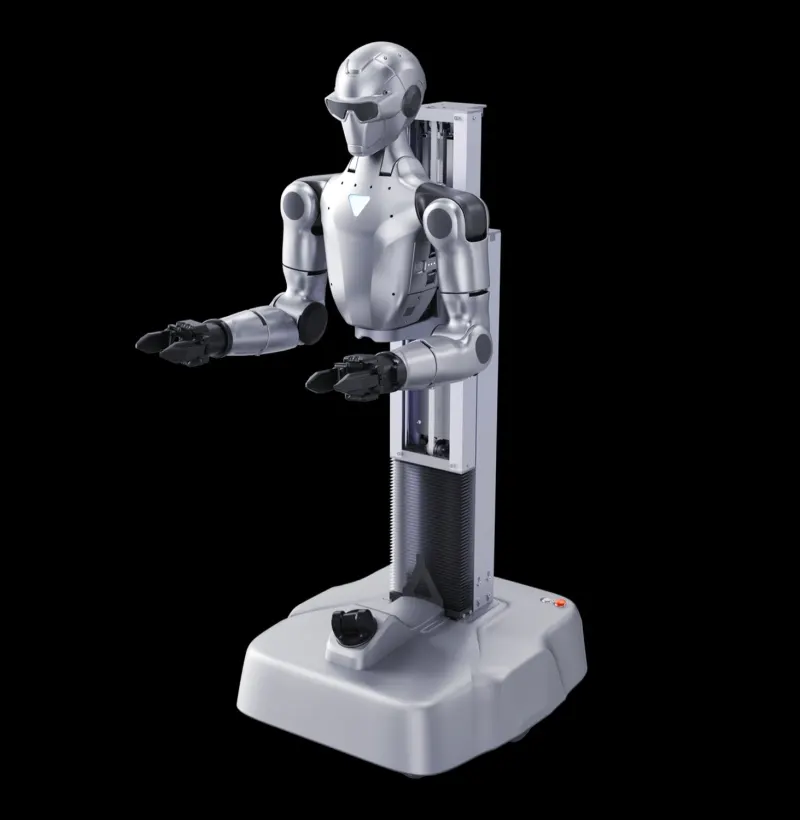
Unitree R1-A7-D
AI ChatLast updated:
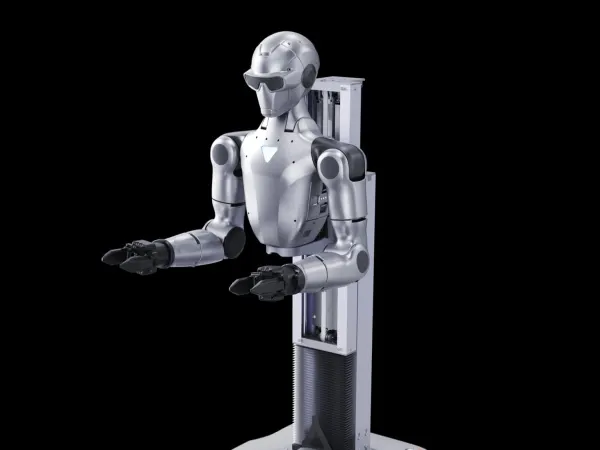
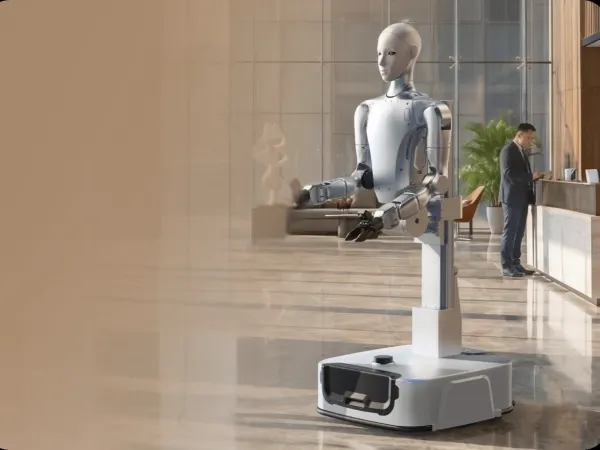
Unitree R1-A7-D is the wheeled 7-axis-arm configuration of Unitree Robotics' R1-D dual-arm humanoid platform. It combines two 7-axis arms, a waist and a two-axis head with binocular cameras on a LiDAR-equipped self-raising mobile base that stretches from 683 mm to 1,600 mm. The arms reach 555 mm and carry about 2–4 kg, with end-clamp accuracy of ±0.1 mm, and a two-finger gripper or a three- or five-finger dexterous hand can be fitted. Voice interaction, stereo vision and an onboard AI processor let developers build manipulation and embodied-AI applications through Unitree's open interfaces, and an optional NVIDIA Orin module adds more compute.
Quick Overview & Key Facts
Unitree R1-A7-D is a humanoid robot made by Unitree Robotics in China, launched in 2026 and built for voice-guided and vision-guided manipulation, light pick-and-place, and research and education. Its estimated price is USD 11,290.
- Dimensions
- Shrunk 683 × 520 × 440 mm; raised 1,600 × 520 × 440 mm
- Weight
- Approx. 32 kg
- Mobility
- Dual-arm humanoid on a wheeled self-raising base
- Payload capacity
- About 2–4 kg per arm
- Battery runtime
- About 1.5 h on battery
- Sensors
- Binocular head camera (146° × 124° field of view, 60 mm eye spacing), optional wrist camera, 4-microphone array, chassis LiDAR
- Operating environment
- Indoor workstation, lab, education and light-industrial settings
What Can Unitree R1-A7-D Do?
Core operational tasks and activities demonstrated or performed by Unitree R1-A7-D.
Real-World Applications of Unitree R1-A7-D
Industries, working environments, and deployment suitability for Unitree R1-A7-D.
Unitree R1-A7-D Capabilities
Inherent physical, perceptual, and cognitive abilities built into Unitree R1-A7-D.
Download Media Cards
Story CardExport high-resolution story cards summarizing Unitree R1-A7-D's operational tasks, real-world applications, and capabilities.
Image Gallery
Below images are from Unitree Robotics's official sources
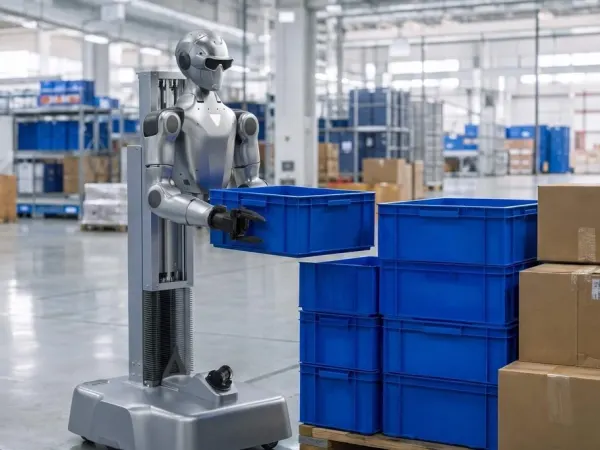
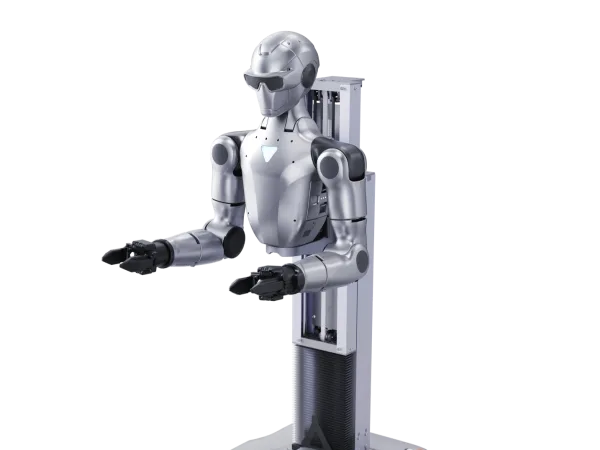
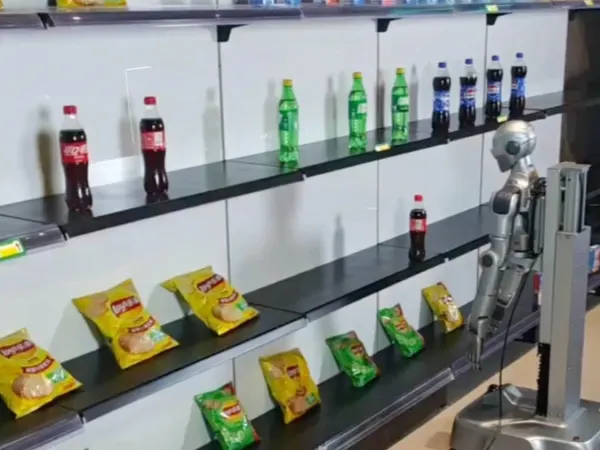
Robot Specifications
Values without a Confirmed badge are compiled from public sources and may not be manufacturer-verified.
Not yet published by Unitree Robotics: safety certifications, EMC compliance, IP rating, noise level, expected lifespan, maintenance schedule, firmware version, hardware ports and 3 more.
More Robots from Unitree Robotics
Explore other robots from this manufacturer



More Humanoid Robots
Discover more robots in the same category


Robots From Other Categories
Discover complementary robots from different categories that work well together

Frequently Asked Questions
Get answers to common questions about this robot
Q1. What is Unitree R1-A7-D, and what problem is it designed to solve?
Unitree R1-A7-D is a compact dual-arm humanoid upper body from Unitree Robotics, part of its R1-D platform. It carries two arms, a head with stereo cameras and a waist on a wheeled self-raising base.
Q2. What are the main capabilities and key features of Unitree R1-A7-D?
It picks up and hands over light objects, follows voice commands, sees through binocular cameras, and can be fitted with grippers or dexterous hands.
Q3. Who is Unitree R1-A7-D built for, and which industries can benefit from it?
It is aimed at developers, researchers, educators and companies that want an affordable dual-arm platform for manipulation and embodied-AI work.
Q4. Is Unitree R1-A7-D a commercial product or still a research prototype?
It is a commercial product listed on Unitree's official site with open interfaces for the arms, audio, lighting and vision.
Q5. Is Unitree R1-A7-D currently available for purchase, and when is it expected to ship?
Unitree lists it on its official store. Availability and pricing change, so check the store or ask Unitree or a reseller.
Q6. How does Unitree R1-A7-D actually work in real-world environments?
A head processor with onboard AI computing handles vision, and a body processor runs the arms and base, with an optional add-on module for heavier AI workloads.
Q7. When was Unitree R1-A7-D announced or officially launched?
Unitree introduced the R1-D platform as a dual-arm member of its R1 family.
Q8. How is Unitree R1-A7-D different from other robots in the same category?
Compared with the walking R1, this platform drops the legs for a fixed or wheeled base and puts the effort into the arms and head.
Q9. Does Unitree R1-A7-D require additional development or customization after purchase?
Most buyers add a gripper or hand and write their own programs through the open interfaces.
Q10. What is the future roadmap or planned upgrades for Unitree R1-A7-D?
Unitree has not published a roadmap for the platform beyond its current four configurations.
Rating and Reviews
Share your experience and help others decide!
Loading...
User Reviews
No user reviews. Be the first one to review!
User Comments (No Login needed)
Share your thoughts, experiences, or questions about this robot.
Comments appear after moderator review.