Atlas Production Sold Out for 2026 Hyundai Deployments
Robot Details
Atlas (Electric Atlas, 2025) • Boston DynamicsPublished
March 21, 2026
Reading Time
2 min read
Author
Origin Of Bots Editorial Team
Hyundai Orders Locked
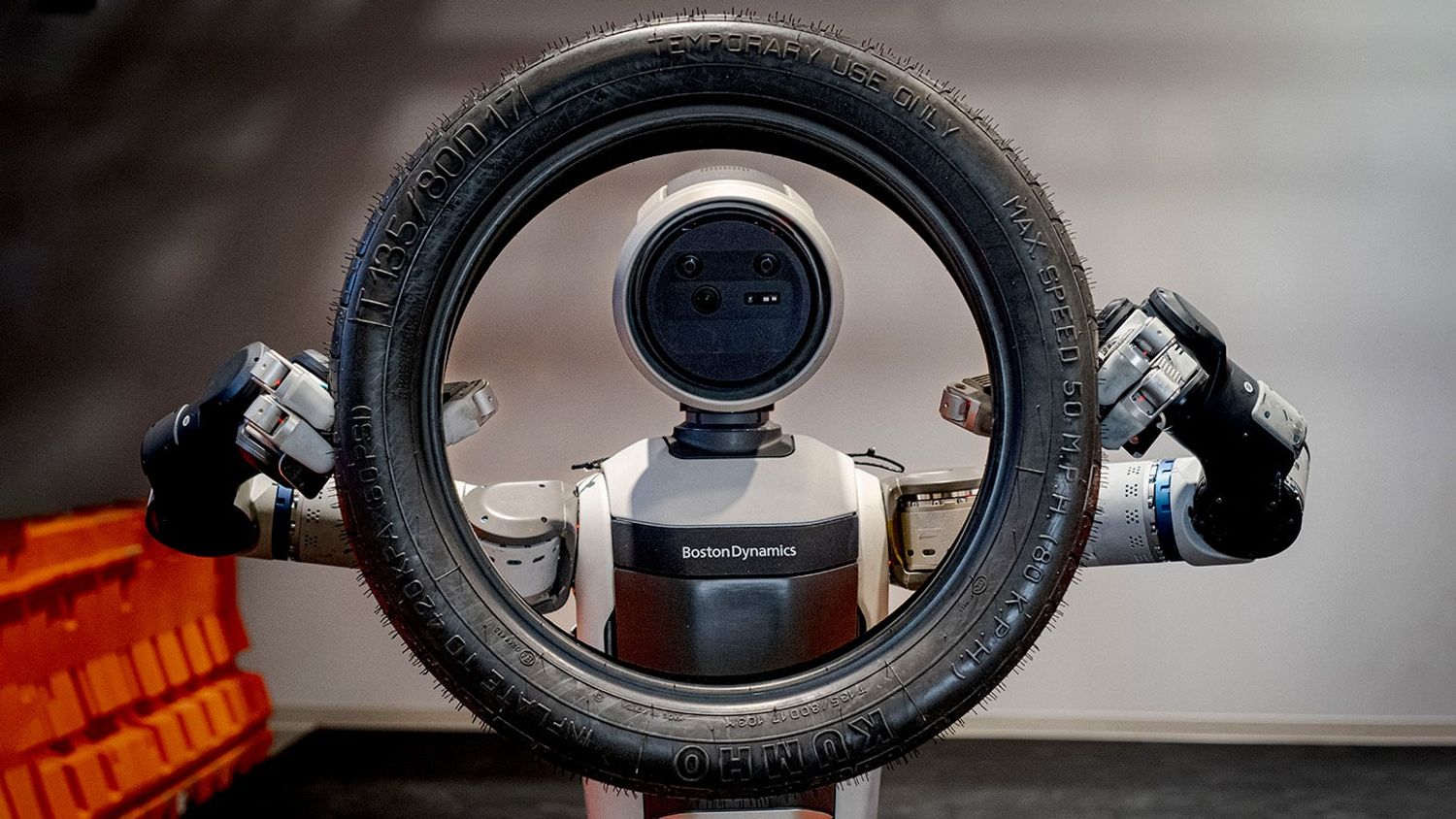
Boston Dynamics reports all production slots for its Electric Atlas humanoid robots filled through 2026, with Hyundai securing the bulk for factory trials starting next quarter. This surge follows successful CES 2026 demonstrations in January, where Atlas handled automotive parts autonomously, signaling Hyundai's push to deploy fleets in assembly lines by mid-year. Demand outpaces supply amid rising industrial automation needs, forcing other buyers to wait until 2027. Analysts see this as a tipping point, transforming Hyundai's plants with robots that work alongside humans without halting output.
Agility Redefined
Electric Atlas disrupts traditional robotics by executing parkour-level maneuvers in cluttered factories, adapting instantly to shifting pallets or fallen crates. Recent trials in February 2026 showcased it recovering from slips while carrying 30 kg loads, a feat rooted in 56 degrees of freedom for fluid, human-like twists and reaches up to 2.3 meters. This dexterity enables seamless team integration, boosting productivity without rigid programming, as teams train it via simple demos rather than code.
Electric Power Surge
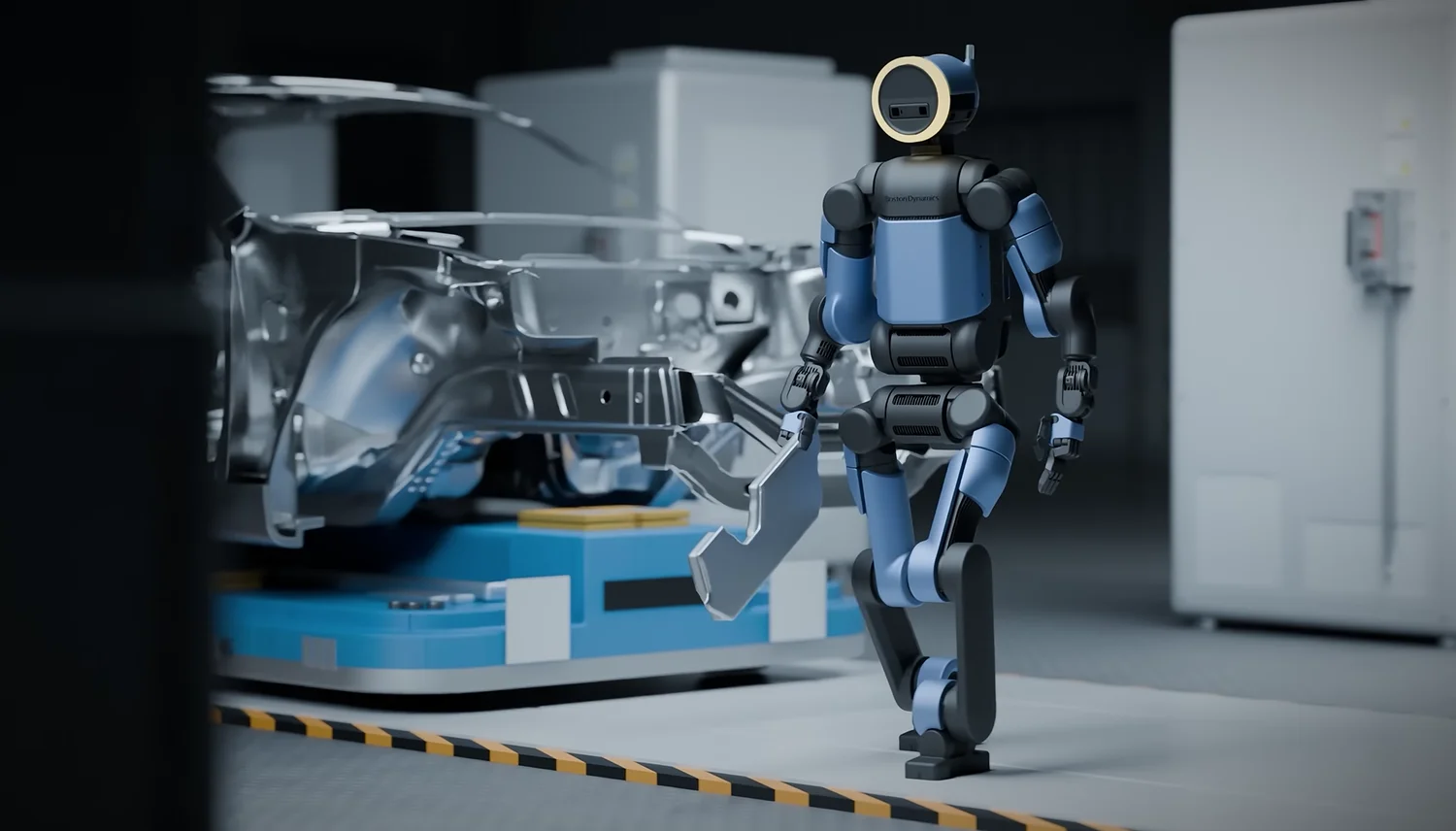
Engineers swapped hydraulics for efficient electric actuators, slashing energy use while amplifying torque for sustained heavy lifts. Demonstrated at CES 2026, Atlas autonomously swaps batteries in under 3 minutes, ensuring non-stop shifts in -20°C to 40°C environments. IP67 sealing withstands washdowns, making it rugged for real factories. This shift achieves continuous operation, where older models faltered, positioning Atlas as the endurance leader for 24/7 deployments.
Factory Roles Evolve
Hyundai plans Atlas for sorting engine components and tote transport in dynamic lines, cutting downtime by 40% in simulations. Beyond autos, it tackles warehouse picking and hazardous inspections, learning tasks fleet-wide via shared AI. Public demos in early 2026 highlighted its role in education, training workers on collaborative setups. These applications redefine labor, freeing humans for oversight while robots handle repetitive strains.
Dexterity Enablers
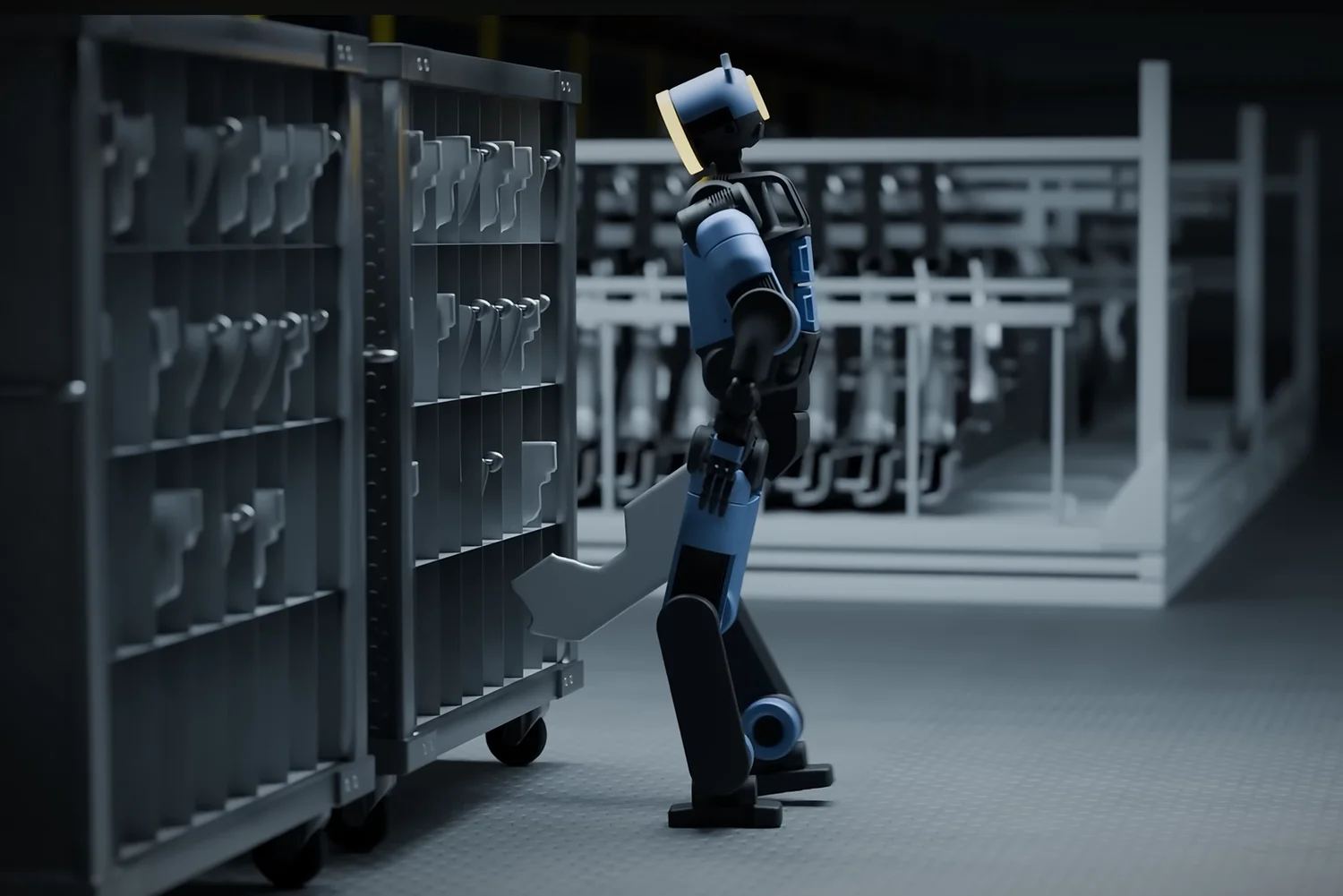
Standing 190 cm tall, 76 cm wide, and 50 cm deep at 90 kg, Electric Atlas mirrors human proportions for intuitive collaboration, sprinting at 9 km/h to keep pace with operators. RGB cameras, stereo vision, LiDAR, depth, force/torque, IMU, and gyro sensors deliver precise grasping and balance, enabling dexterous picks in tight spaces. SLAM navigation with GPS handles indoor-outdoor shifts flawlessly. High-cycle lithium packs promise 5-7 years of intensive interaction, while compliant actuators and emergency stops ensure safe proximity work. Linux-based OS with ROS APIs empowers custom skills for human-centric tasks.
Rivals Outpaced
| Robot | Key Advantage | Where Atlas (Electric Atlas, 2025) Wins | Target Use |
|---|---|---|---|
| Mornine | Compact frame for tight spaces | Superior 56 DoF for complex manipulation and recovery | Warehouse picking |
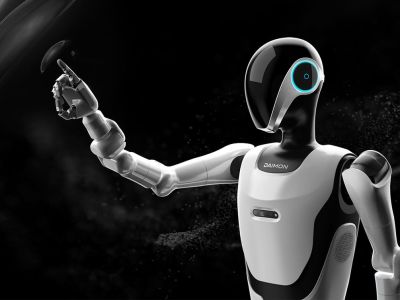
| Daimon One | Lower initial cost | Autonomous battery swap for 24/7 uptime without pauses | Light assembly lines |
| D9 | Faster short bursts | 9 km/h sustained speed plus IP67 durability in washdowns | Automotive part handling |
| GR-3 | Basic obstacle detection | Advanced SLAM/GPS for dynamic factory navigation | Hazardous material transport |
Explore Humanoids


Sources
Related Articles

NEO Gamma Pre-Orders Open: $20K Home Robots Ship 2026
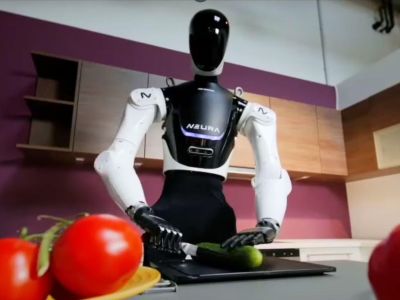
4NE1 Gen 3.5 Masters Live CES 2026 Demos with Porsche Design
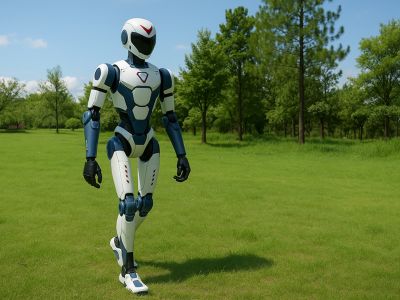
Unitree R1 Showcases Kung Fu Demos at CES 2026
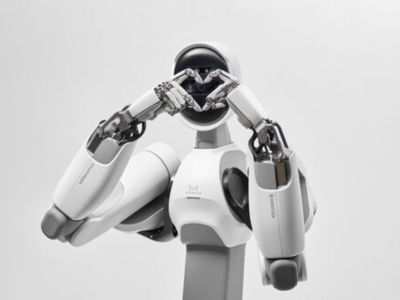
ALLEX Wows CES 2026 with 40N Handshake Demos, NVIDIA Talks
Related Comparisons
Compare Atlas (Electric Atlas, 2025) with similar robots
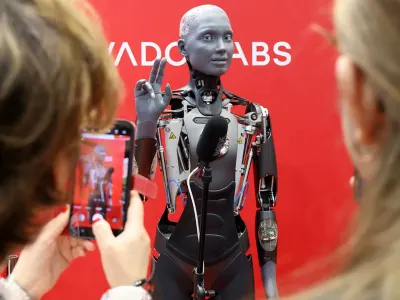

Ameca vs Moya
Which humanoid robot is better? Ameca vs Moya compared for dexterity, AI capabilities, and price.
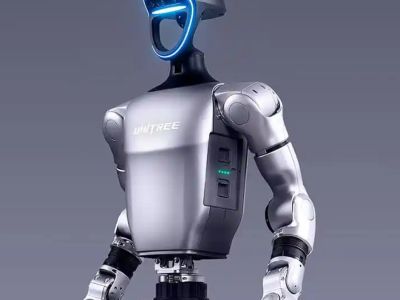
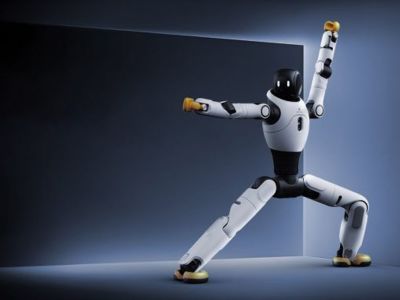
Unitree G1 vs AgiBot X2-N
Compare Unitree G1 vs AgiBot X2 for humanoid mobility, dexterity, autonomy, and payload capacity.
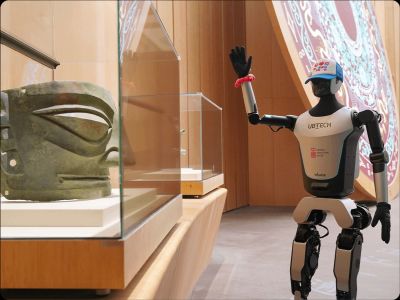
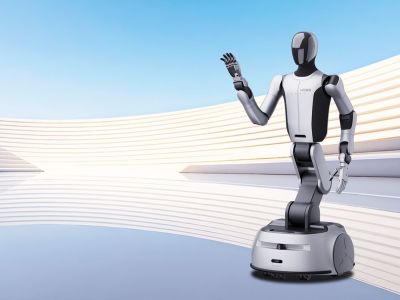
Walker C vs Cruzr S2
In-depth comparison of Walker C and Cruzr S2, covering hardware capabilities, teleoperation, and enterprise readiness.

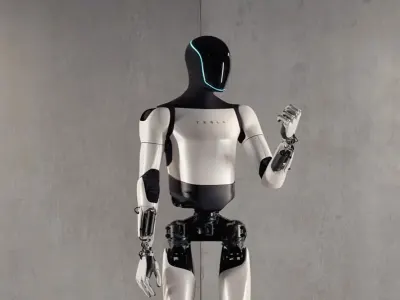
Figure 03 vs Optimus Gen 3
In-depth comparison of Figure 03 and Optimus Gen 3, covering hardware capabilities, teleoperation, and enterprise readiness.
Learn More About This Robot
Discover detailed specifications, reviews, and comparisons for Atlas (Electric Atlas, 2025).
View Robot Details →