DEEP Robotics Tests DR02 Humanoids Directing Traffic in Hangzhou's Pouring Rain
Robot Details
DR02 • Deep RoboticsPublished
October 8, 2026
Reading Time
5 min read
Author
Origin Of Bots Editorial Team
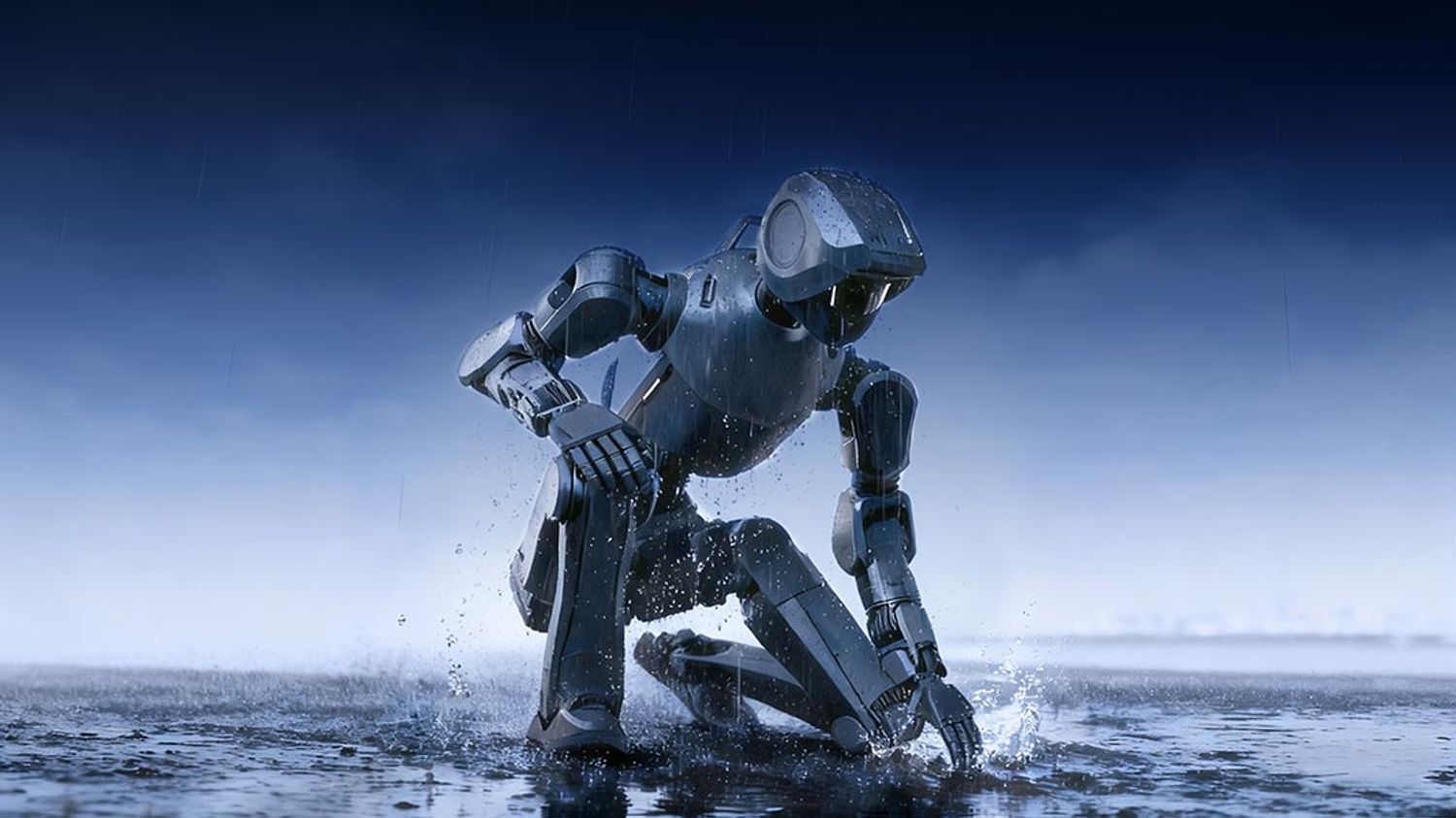
A Traffic Officer That Doesn't Mind the Rain
Drivers and cyclists in Hangzhou, China, met an unusual traffic helper in early October: a human-sized robot waving them through busy intersections in heavy rain. DEEP Robotics, a local robot maker, announced on October 8, 2026, that it had trialled its DR02 humanoid robots in the city's Xihu District.
The tests matter because most humanoid robots are kept indoors, away from water and dust that can ruin their electronics. A robot that can stand at a crossroads in a downpour hints at a future where machines take on some of the dull, uncomfortable outdoor jobs that people currently do in all weathers.
Where the Robots Went to Work
According to the company, the robots were posted at crowded intersections along Zheda Road and West Wenyi Road in Lingyin Subdistrict, an area near Zhejiang University. Others were sent to Xixi National Wetland Park, a popular nature reserve that draws large crowds of tourists.
The timing was deliberate. The trials ran during a period of heavy visitor and vehicle traffic, and much of it took place under sustained rain. DEEP Robotics said it wanted to collect data on how the machines cope with continuous operation in wet conditions, not just a quick photo opportunity on a sunny day.
Hand Signals, Spoken Warnings and Tourist Tips
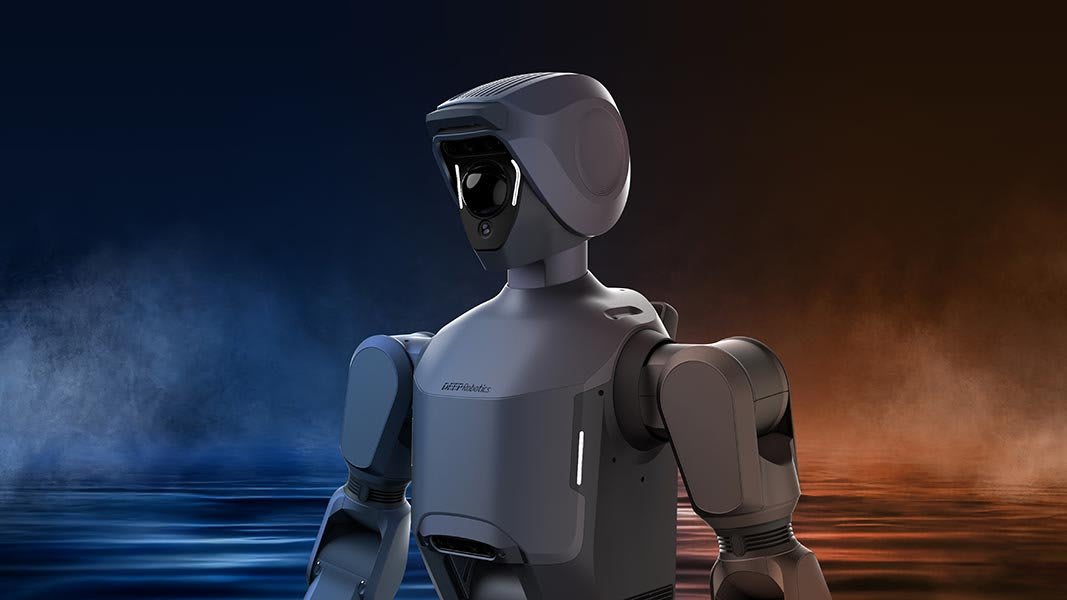
At the intersections, the robots directed traffic with arm signals and adjusted where they stood as conditions changed. They also issued spoken safety reminders. DEEP Robotics says its camera system can spot e-bike riders without helmets, overloaded scooters, pedestrians crossing outside the lines and cars that stop past the white line.
In the wetland park the job was gentler. The robots acted as guides, answering visitors' questions about routes, public transport and nearby sights in several languages, though the company did not say which ones. Human staff, according to the release, remained in charge of handling accidents and enforcing serious violations.
Built for Storms and Freezing Mornings
The key to all this is weatherproofing. The DR02 carries an IP66 rating, an international standard meaning it is sealed against dust and can withstand powerful jets of water. When DEEP Robotics first unveiled the robot in October 2025, it said the DR02 can work in temperatures from minus 20 to 55 degrees Celsius.
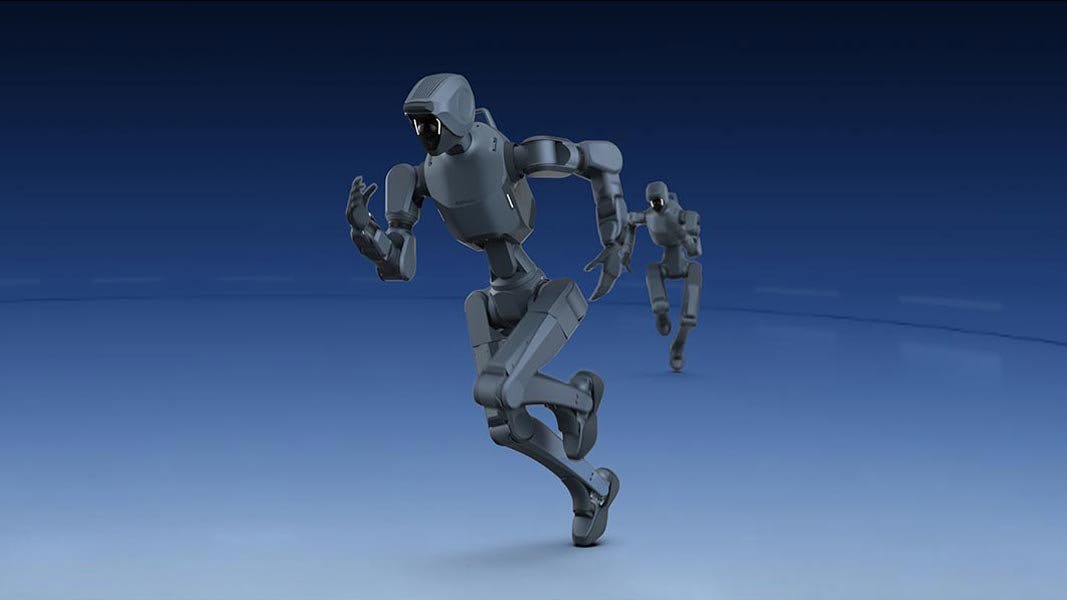
Physically, the DR02 stands 1.75 metres tall, about the height of an average man, and weighs around 65 kilograms. The company says it walks at 1.5 metres per second, a brisk human pace, climbs slopes of up to 20 degrees and can lift 10 kilograms in each arm.
How a Robot Finds Its Way Through Traffic
To move safely among cars and people, the DR02 relies on a set of sensors. Lidar, which measures distance by bouncing laser light off objects, works alongside depth sensors and wide-angle cameras to build a picture of its surroundings. An onboard computer rated at 275 trillion operations per second processes that stream of data.
DEEP Robotics claims the robot can cross intersections on its own and steer around pedestrians and vehicles. Its arms and legs are also modular, meaning damaged limbs can be swapped out quickly. That design choice matters for outdoor work, where knocks, scrapes and water damage are more likely than on a factory floor.
A Four-Legged Specialist Reaches for Two Legs
DEEP Robotics is based in Hangzhou's Xihu District, the same area where the trials took place. The company built its name on four-legged robot dogs used to inspect power stations, tunnels and industrial plants, and those machines still earn most of its money.
Humanoids are a newer and much smaller part of its business. Reporting on the company's stock market listing documents said it had sold only a single DR-series humanoid in a year. Public trials like this one double as a showcase, helping the company prove the DR02 can handle real-world conditions.
What the Company Didn't Say
The announcement leaves important gaps. DEEP Robotics described a batch of robots but did not say how many took part, how long each one worked, or whether human operators were supervising them remotely. It also shared no figures on how often the robots navigated correctly or misread a situation.
It is also worth noting that the account comes from a paid press release rather than independent reporting. The company presents the trials as product testing, not a contract with the city or a replacement for human traffic officers. Until outside observers see longer deployments, the results are best read as an encouraging first step.
From Street Corner to City Services
DEEP Robotics says it will keep testing humanoids in real settings and is exploring other roles in traffic management, public services and the daily running of cities. Its stated aim is to take over repetitive tasks so that staff can focus on work that needs human judgment.
For residents, the more immediate question is whether a robot at the crossroads actually makes streets safer, or simply draws curious looks. The answer will depend on longer trials with published results. For now, Hangzhou has offered a glimpse of humanoids stepping out of the showroom and into the rain.
Explore Humanoids
Sources
Related Comparisons
Compare DR02 with similar robots

Optimus vs Unitree G1
Compare Optimus vs Unitree G1 for humanoid mobility, dexterity, autonomy, and payload capacity.
Unitree G1 vs Unitree H1
Head-to-head: Unitree G1 vs Unitree H1 compared on bipedal balance, AI learning, and real-world deployment.
Optimus vs Atlas (Electric 2025)
In-depth comparison of Optimus and Atlas (Electric Atlas, 2025), covering hardware capabilities, teleoperation, and enterprise readiness.

Ameca vs Moya
Which humanoid robot is better? Ameca vs Moya compared for dexterity, AI capabilities, and price.
Learn More About This Robot
Discover detailed specifications, reviews, and comparisons for DR02.
View Robot Details →