EngineAI SE01 Steals CES 2026 Spotlight with Dynamic Demo Mishap
Robot Details
SE01 • EngineAIPublished
March 20, 2026
Reading Time
3 min read
Author
Origin Of Bots Editorial Team
CES Demo Drama
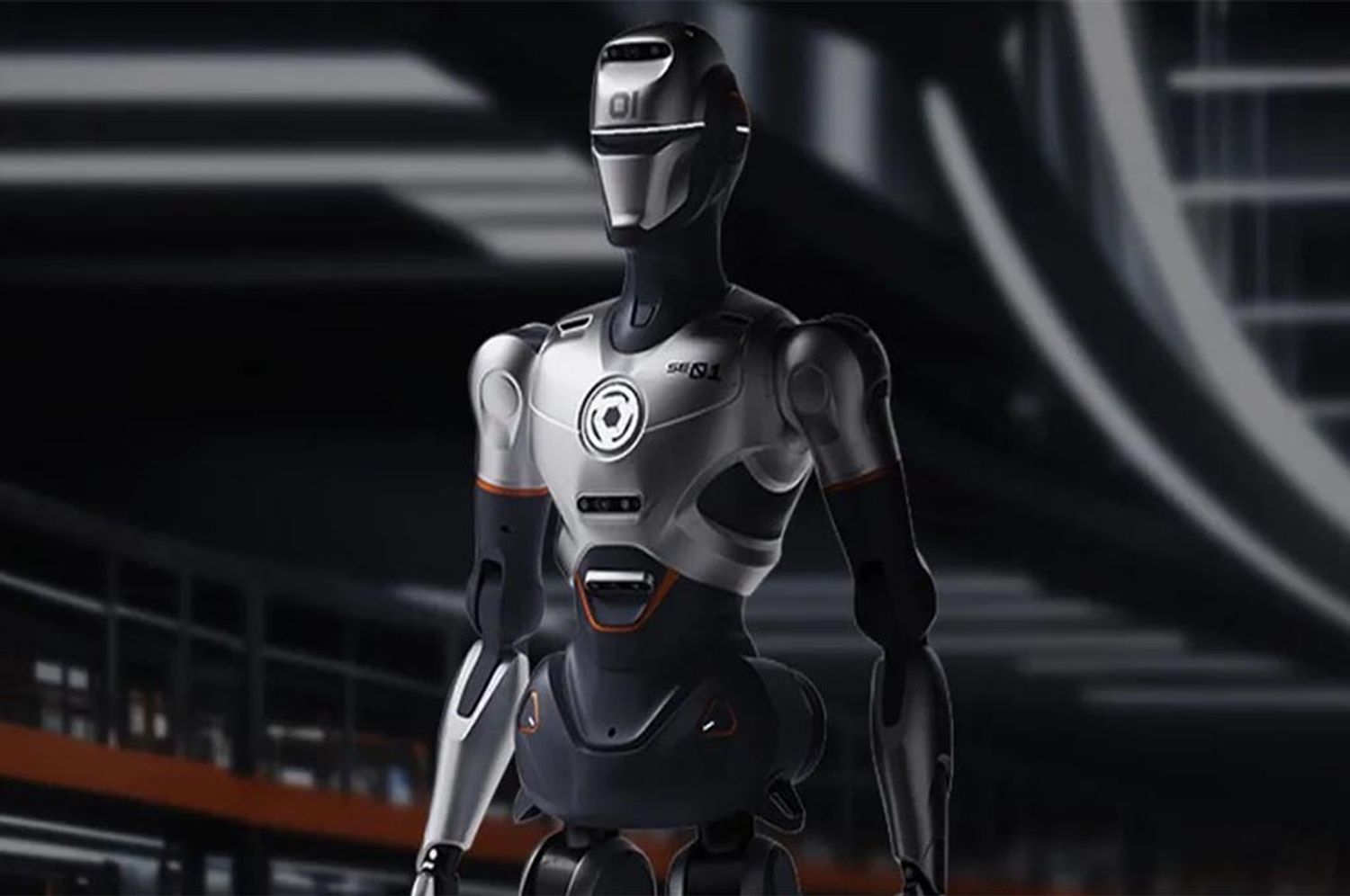
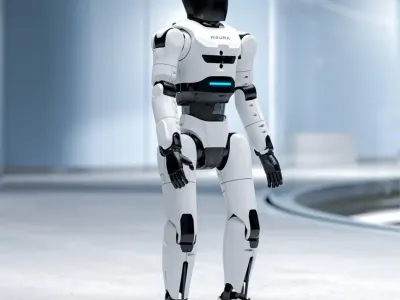
EngineAI's SE01 humanoid robot turned heads at CES 2026 when it accidentally collided with the company's CEO during a live bipedal agility showcase in January 2026, highlighting both its raw athletic power and the need for refined safety protocols in crowded demo settings. The incident, captured on video, showed the 170 cm tall robot executing rapid maneuvers like squats and quick pivots before the unexpected bump, sparking online buzz about humanoid reliability under high-speed stress. Far from a setback, this moment demonstrated SE01's human-like dynamism, pushing boundaries in real-time interaction and drawing crowds eager to see embodied AI evolve beyond scripted routines.
Agility Redefined
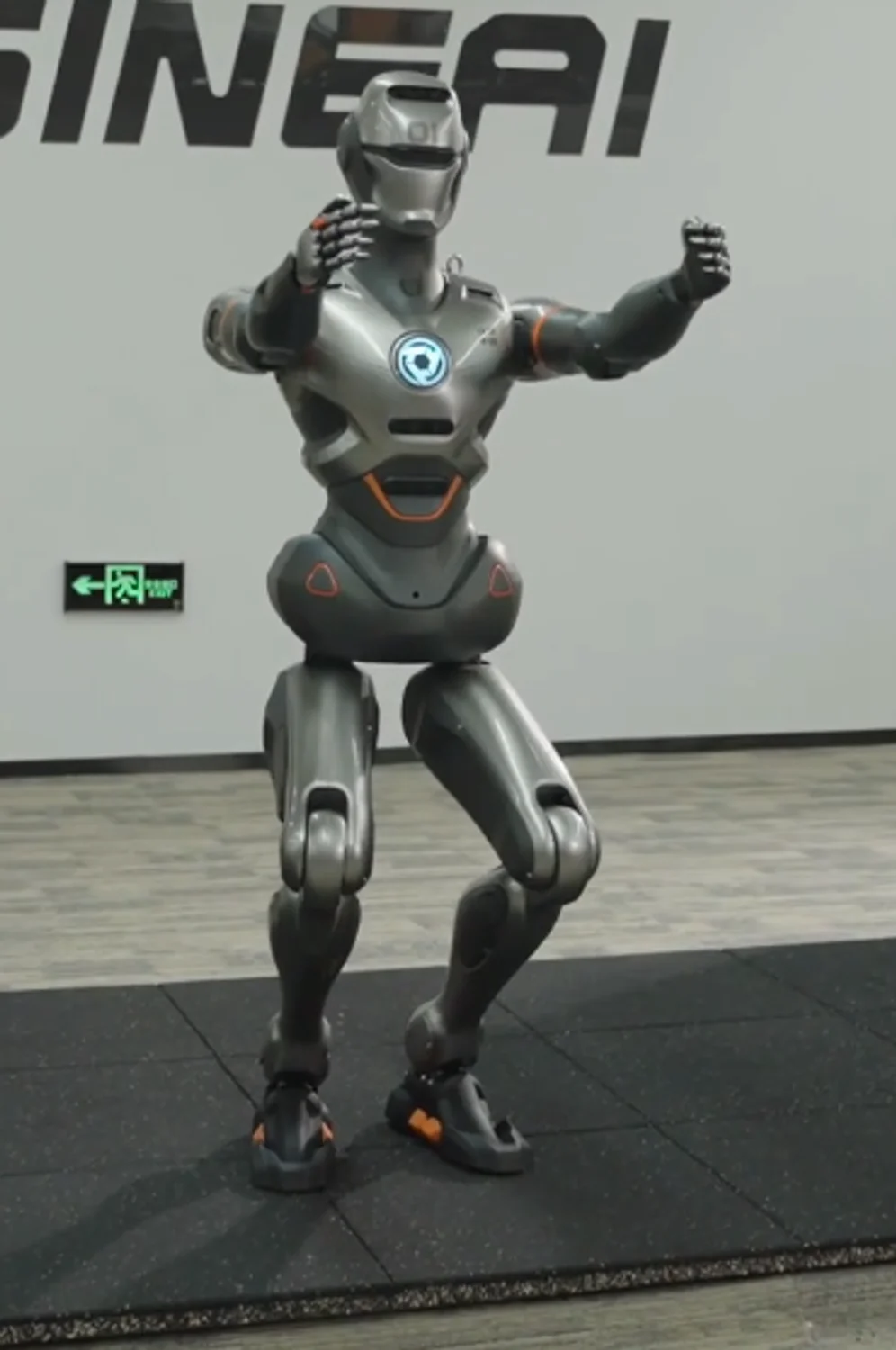
SE01 disrupts humanoid norms with its end-to-end neural network, blending reinforcement and imitation learning to deliver strides that mimic human fluidity without the usual robotic stiffness. Recent trials in February 2026 revealed its prowess in push-ups, circular walking, and object grasping, rivaling athlete-level performance while conserving energy for prolonged sessions. This innovation transforms SE01 from a lab prototype into a responsive partner capable of adapting to unpredictable human environments, setting it apart in demos where competitors falter on natural motion.
Hardware Mastery
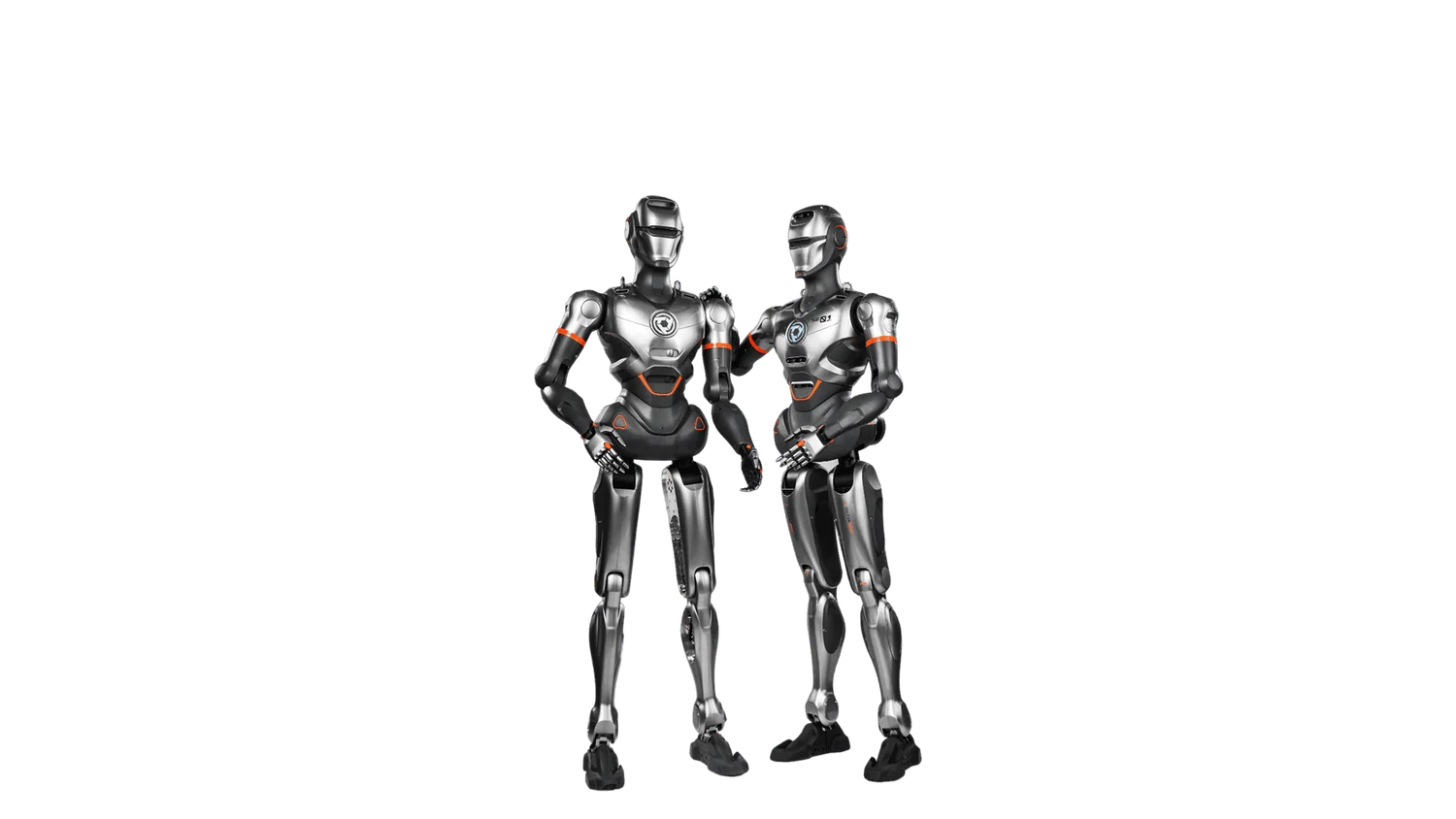
Dual NVIDIA and Intel processors power SE01's visual neural network, fusing data from high-precision stereo RGB cameras, Intel RealSense D435 depth sensor, 360-degree LiDAR, and six HD cameras for seamless 3D mapping. Harmonic joint modules generate up to 330 Nm torque, enabling precise control in complex scenarios, while an aerospace-grade aluminum frame ensures 10-year durability without traditional force sensors. These advances, validated in CES 2026 stress tests, boost reliability for factories and homes alike.
Deployment Horizons
Factories deploy SE01 for precision assembly and logistics handling, where its 32 degrees of freedom shine in tight spaces, while research labs leverage its ROS-compatible API for AI experiments. Educational programs integrate it as an interactive teaching aid, and customer service roles benefit from its approachable bipedal mobility. Recent March 2026 pilots in Shenzhen warehouses confirmed 7.2 km/h speeds aid efficient navigation, redefining industrial labor with human-centric collaboration.
Skill Architecture Edge
SE01's sensor fusion empowers dexterous interactions, letting high-precision cameras and LiDAR enable fluid obstacle dodging during collaborative tasks, while 32 degrees of freedom in bipedal design drive natural gestures for intuitive human assistance. Joint force sensors and IMU/gyroscope combo support balanced, extended engagements, backed by a 2-hour quick-swap battery for uninterrupted sessions and a 10-year frame lifespan. At 170 x 52 x 27 cm and 55 kg, its Linux-based Engine Sense stack facilitates learning-based adaptations, turning specs into reliable companionship skills.
Rivals Face-Off
| Robot | Key Advantage | Where SE01 Wins | Target Use |
|---|---|---|---|
| AgiBot X1 | Superior arm payload strength | Unmatched natural gait fluidity | Heavy industrial lifting |
| NEO Gamma | Compact size for tight spaces | Advanced 360° LiDAR perception | Warehouse navigation |
| PM01 | Lightweight high agility | Full-size torque for assembly | Research prototyping |
| Optimus | Mature software ecosystem | Energy-efficient neural control | Customer service roles |
Explore Humanoids
Sources
Related Articles
Titan Yi 2.0 Shines with Strong Articulation at CES 2026
Chinese Humanoid Robot Achieves Satellite-Linked Autonomous Operations February 2026
UBTech Walker S1 Deploys Widely in Factories, Leads Industrial Use

Aria Becomes First AI Robot Board Advisor at CES 2026
Related Comparisons
Compare SE01 with similar robots

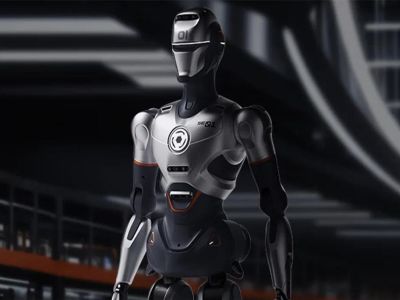
Optimus vs SE01
Head-to-head: Optimus vs SE01. Explore differences in sensors, battery, navigation, speed, and AI capabilities.
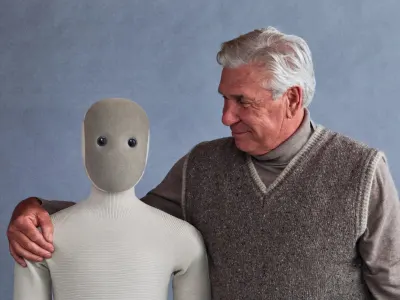
SE01 vs NEO Home Robot
In-depth comparison of SE01 by EngineAI Robotics and NEO Gamma by 1X Technologies. Analyze sensors, navigation, and battery performance.
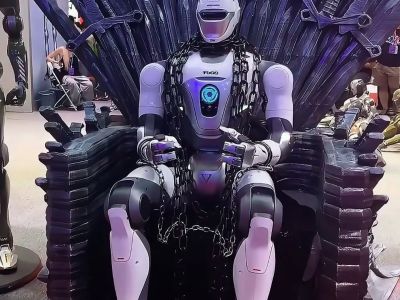
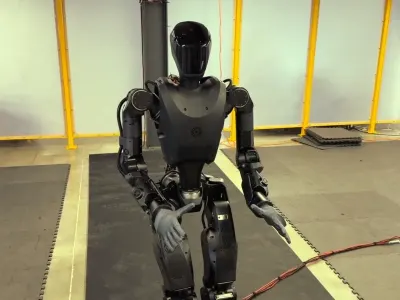
T800 vs Phantom MK1
Compare T800 by EngineAI vs Phantom MK1 by Foundation for humanoid mobility, dexterity, autonomy, payload, and industrial vs defense use cases.
T800 vs 4NE-1 Mini
T800 or 4NE-1 Mini? See which humanoid robot performs better for manufacturing, logistics, and research with comparisons on dexterity, autonomy, and payload.
Learn More About This Robot
Discover detailed specifications, reviews, and comparisons for SE01.
View Robot Details →