Geek+ unveils Gino 1, a warehouse humanoid built for picking, packing and inspection
Robot Details
Gino 1 • Geek+Published
June 7, 2026
Reading Time
3 min read
Author
Origin Of Bots Editorial Team
Warehouse labor gap
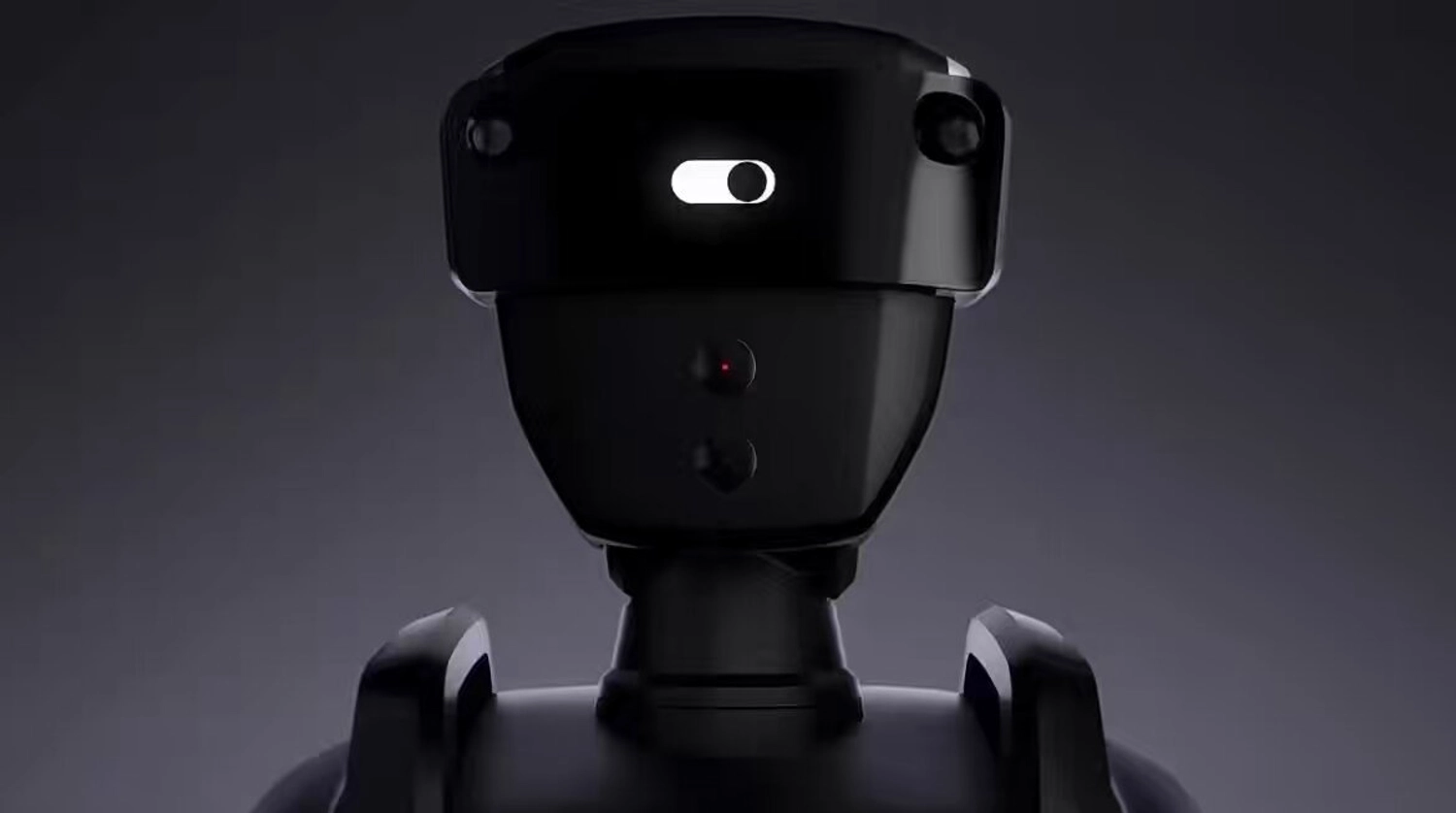
Humanoid robots are being pushed toward tasks that demand human-like reach, balance, and object handling in spaces built for people. Geek+ has now unveiled Gino 1, a dual-armed warehouse humanoid that the company says is designed to handle picking, packing, tote moving, inspection, and inventory work through its Geek+ Brain platform.
Why this matters
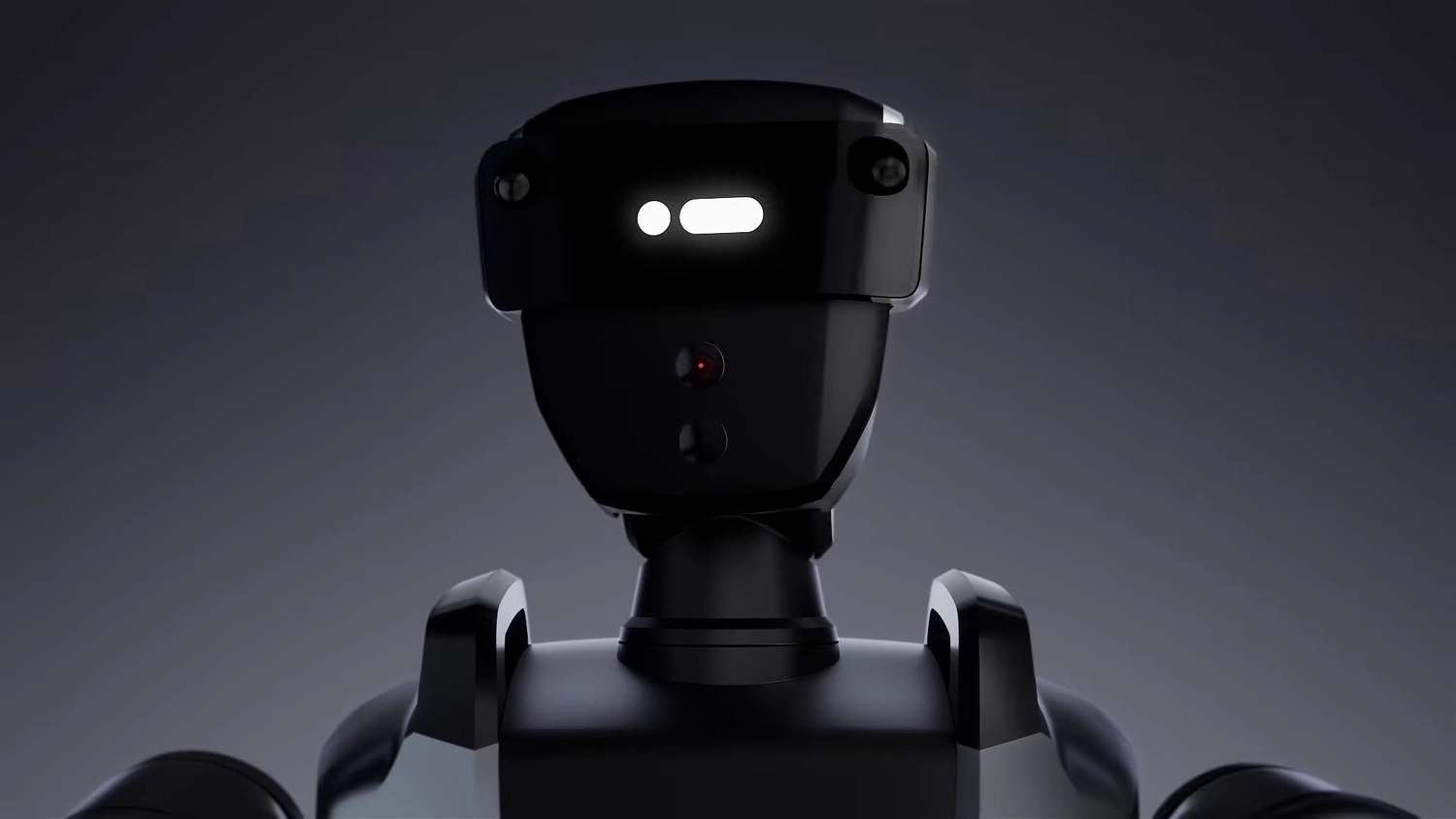
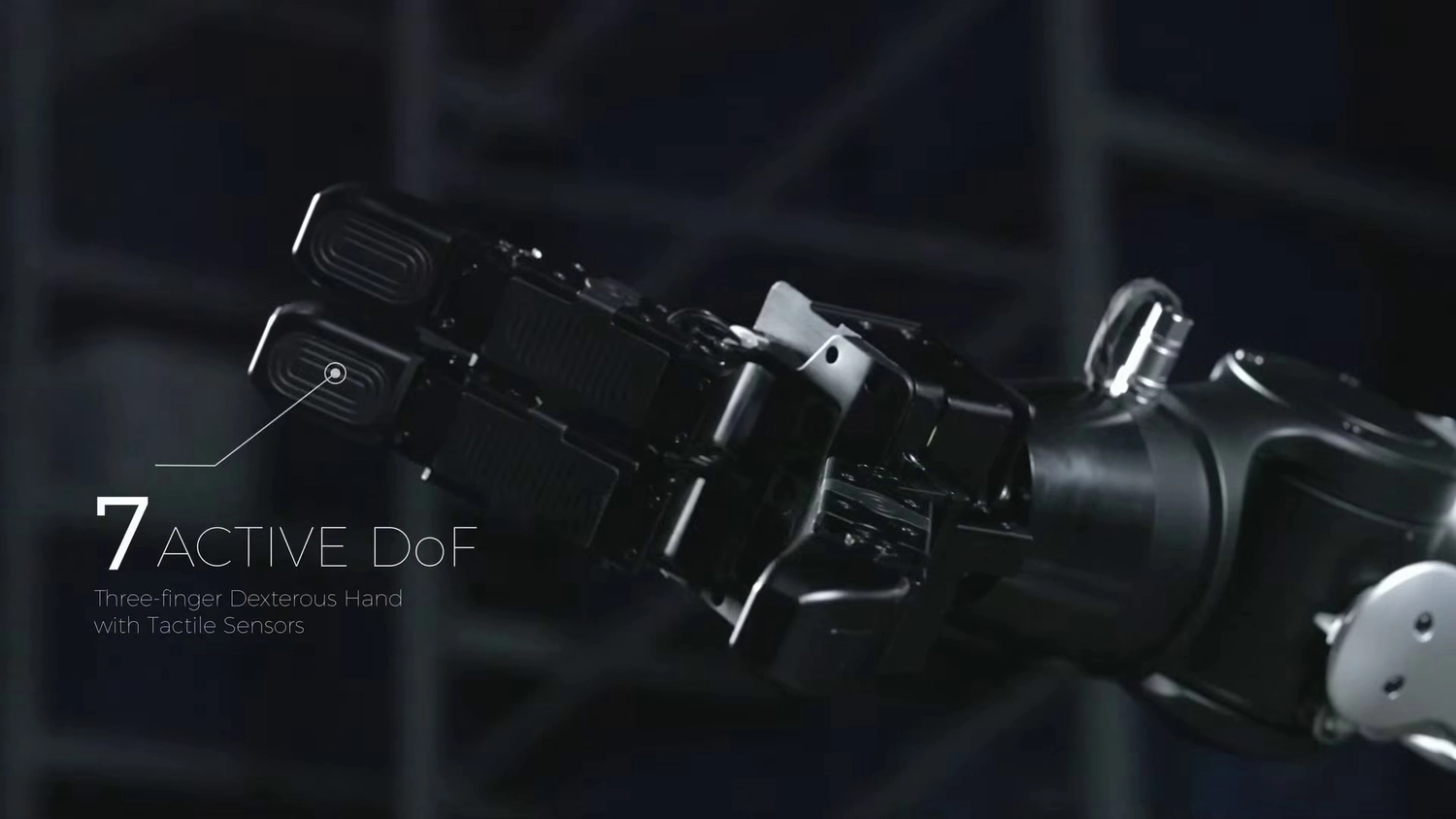
Gino 1 matters because it is aimed at the hardest part of warehouse automation: the manual work that still changes form from one bin, box, or tote to the next. Its dual seven-degree-of-freedom arms, force-controlled manipulation, tactile sensing, and mobile base point to a system built for coordinated full-body work rather than fixed-motion repetition. The combination of warehouse-native training data and embodied intelligence also suggests Geek+ is positioning the robot for teleoperation and assisted execution in human-centric spaces, where natural interaction and balance correction matter more than raw speed. Gino 1 is notable less for a single spec than for packaging manipulation, mobility, and control into one warehouse-focused humanoid.
How it works
The basic flow is human motion input, then AI model processing, then joint actuation and balance correction, which is the core loop for a humanoid like Gino 1. Geek+ says the system is powered by Geek+ Brain, which uses operational data and simulation-based reinforcement learning to turn perception from cameras and sensors into coordinated arm, hand, and chassis movements. In practice, that means the robot is intended to translate what it sees and what an operator or policy model selects into controlled grasping, walking, and recovery motions.
Picking in aisles
A realistic deployment scenario is tote and box picking in a warehouse aisle where the robot must identify items, approach the shelf, grasp mixed package types, and place them into the right tote without disrupting nearby workers. Geek+ describes Gino 1 as a general-purpose warehouse robot for complex multi-task workflows, which makes that kind of mixed picking and packing lane the clearest near-term fit. The value here is not replacing every warehouse machine, but handling the changing edge cases that still slow down manual stations.
Reported capabilities
Gino 1 is reported to stand 168 cm tall, weigh 63 kg, and move at up to 1.5 m/s, a size and pace that support warehouse aisle navigation rather than heavy industrial lifting. Its sensor package is described as including RGB cameras, stereo cameras, 3D LiDAR, ultrasonic sensors, IMU, gyroscope, force sensors, tactile sensors, and temperature sensors, which together support perception, balance, and safe contact-rich work. The software stack is described as a proprietary OS with Geek+ Brain, plus ROS2 integration and Python APIs, which would make it easier to connect warehouse workflows to robotics software already in use.
Rivals Edge Check
| Robot | Key Advantage | Where Gino 1 Wins | Target Use |
|---|---|---|---|
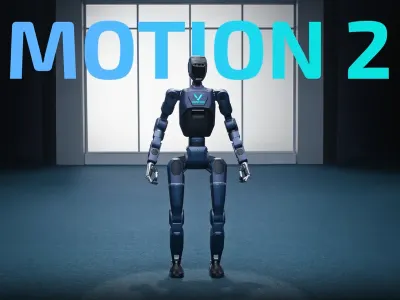
| Motion 2 | Strong focus on general humanoid motion and task flexibility | Warehouse-specific tooling and logistics-oriented manipulation | Assisted warehouse work |
| Eggie | Compact humanoid form suited to human-centric environments | Dual-arm warehouse workflow design and Geek+ operational integration | Service and inspection |
| Next‑Gen IRON | Emphasis on dexterous interaction and human-like movement | Purpose-built packaging, tote handling, and picking context | Teleoperation and handling |
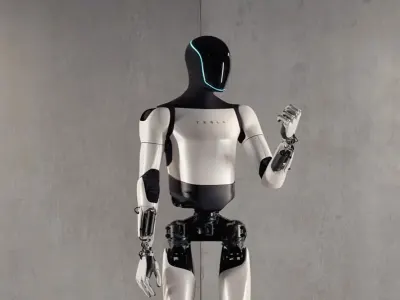
| Optimus Gen 3 | Broad general-purpose humanoid ambition | More targeted warehouse-native deployment and software stack | General labor tasks |
Market direction
Gino 1 also signals that humanoid adoption may move first through teleoperation-assisted workflows rather than fully autonomous general labor. That is a practical shift for warehouses, where operators can supervise exceptions while the robot handles repetitive picking, packing, and inspection sequences in spaces that already exist. If Geek+ can prove repeatable uptime and integration at scale, the real market story will be less about humanoids as spectacle and more about humanoids as controlled labor infrastructure.
Explore Humanoids


Related Articles
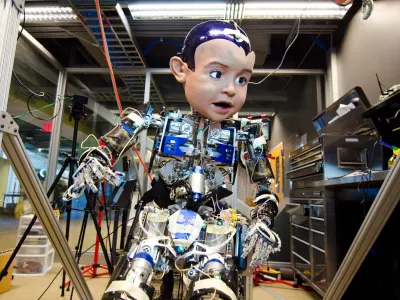
Hanson Robotics’ Diego-San remains a benchmark for toddler-like humanoid research
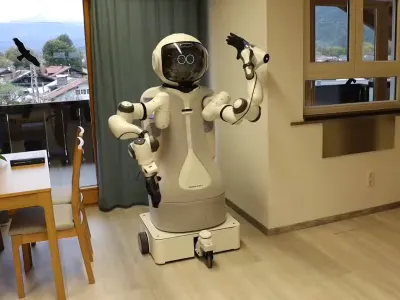
DLR’s GARMI pushes humanoid teleoperation into elder care and remote assistance
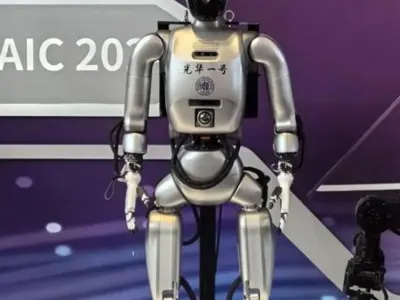
Fudan’s Guanghua No. 1 pushes humanoid robots toward elder care, not general-purpose autonomy
Unitree’s H2 Plus pushes humanoids toward teleoperation-first research
Related Comparisons
Compare Gino 1 with similar robots

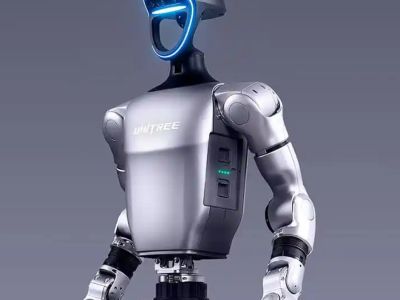
Optimus vs Unitree G1
Compare Optimus vs Unitree G1 for humanoid mobility, dexterity, autonomy, and payload capacity.
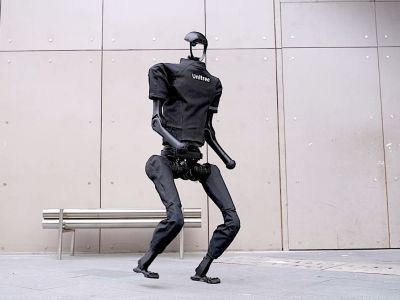
Unitree G1 vs Unitree H1
Head-to-head: Unitree G1 vs Unitree H1 compared on bipedal balance, AI learning, and real-world deployment.
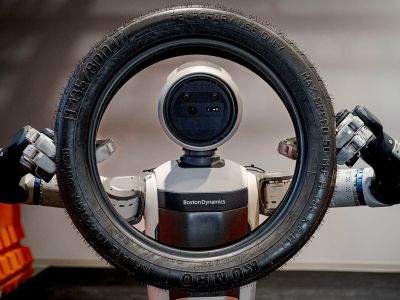
Optimus vs Atlas (Electric 2025)
In-depth comparison of Optimus and Atlas (Electric Atlas, 2025), covering hardware capabilities, teleoperation, and enterprise readiness.
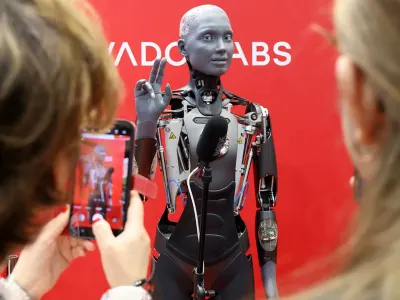

Ameca vs Moya
Which humanoid robot is better? Ameca vs Moya compared for dexterity, AI capabilities, and price.
Learn More About This Robot
Discover detailed specifications, reviews, and comparisons for Gino 1.
View Robot Details →