Unitree’s H2 Plus pushes humanoids toward teleoperation-first research
Robot Details
Unitree H2 Plus • Unitree RoboticsPublished
June 2, 2026
Reading Time
3 min read
Author
Origin Of Bots Editorial Team
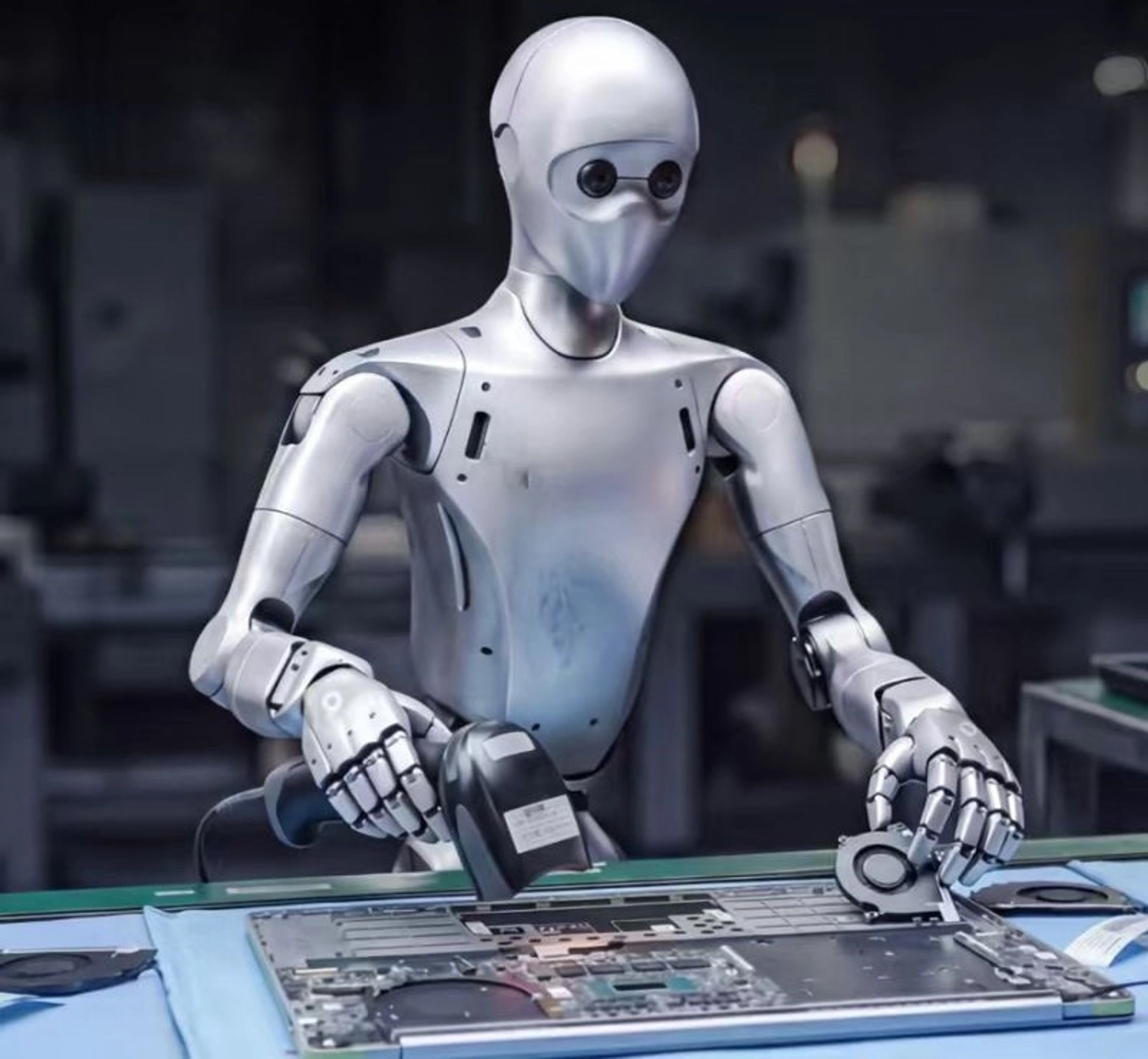
A humanoid reference
Unitree Robotics has announced the H2 Plus, a humanoid reference robot built around the H2 chassis and shown as a research platform for dexterous manipulation, sensing, and onboard AI control. The company’s positioning matters because humanoids are increasingly being evaluated not as general-purpose workers, but as machines for real-time motion imitation, teleoperation, and human-centric tasks in controlled environments.
Why it matters
The H2 Plus is notable for combining a human-scale body with multi-view sensing, whole-body control, and five-finger hands in one integrated platform, which is exactly the stack researchers need to study natural-looking movement and coordinated manipulation. It also reflects a broader shift in humanoids: the near-term value is not full autonomy, but better operator-in-the-loop performance, faster development cycles, and more realistic interaction studies. Just as important, the reference-robot framing lowers integration friction for labs that want a single system rather than assembling sensors, hands, compute, and control software separately. The result is a platform aimed at proving whether humanoids can move beyond demo choreography into repeatable human guidance workflows. H2 Plus is about making humanoid control more usable, not just more capable.
How it works
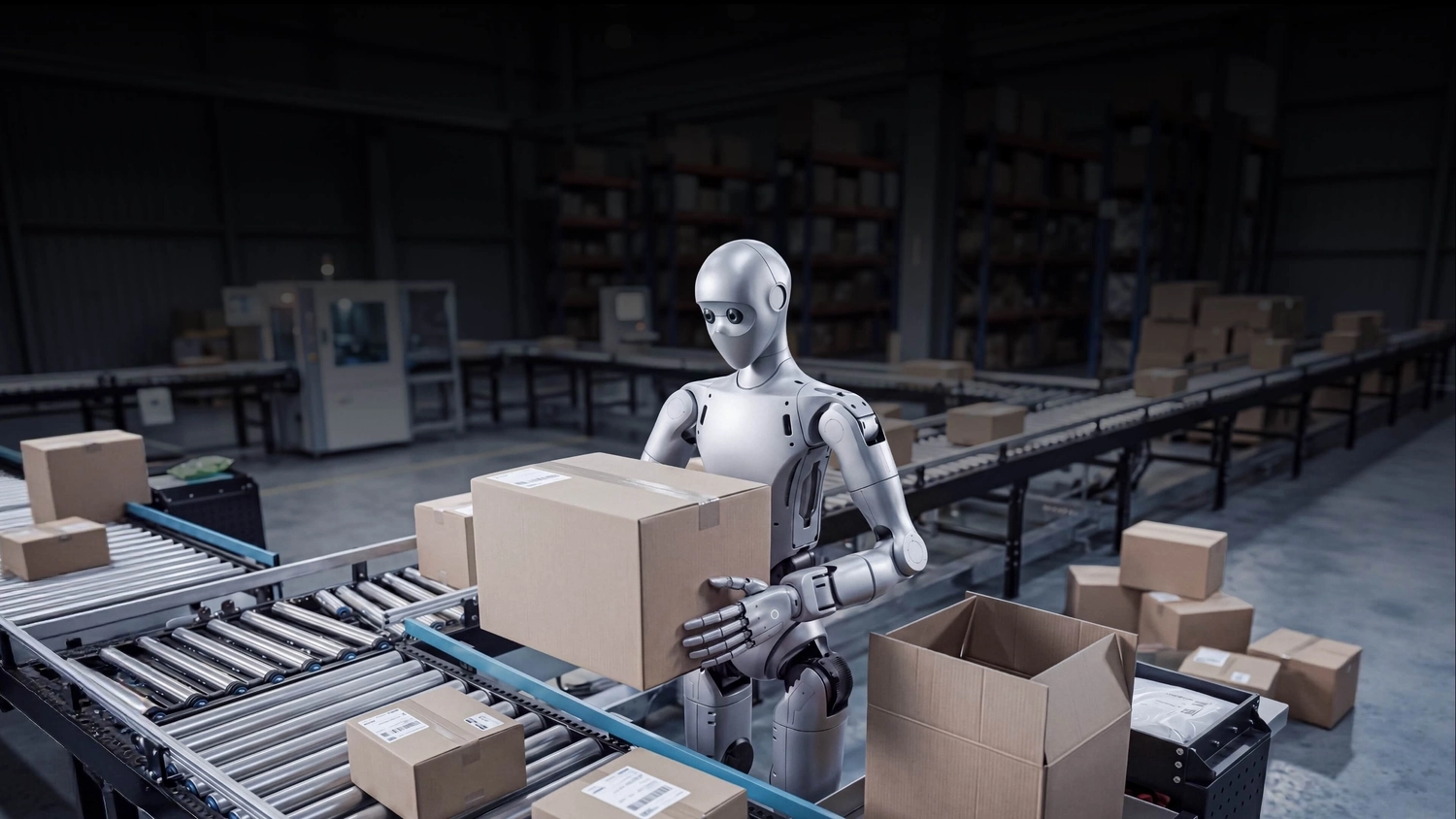
The H2 Plus workflow is straightforward: human motion input goes into AI model processing, then the robot converts that into joint actuation with balance correction. Unitree’s own materials describe a system built around stereo vision, wrist cameras, an IMU, and onboard real-time inference and control, which fits a teleoperation and imitation pipeline rather than a fully autonomous one. In practice, that means the robot is designed to perceive the operator’s intent, translate it into coordinated full-body motion, and continuously stabilize itself while moving.
Factory trial ground
A realistic near-term deployment is factory-side teleoperation for light handling and inspection in human-designed spaces. In that setting, the H2 Plus can be used to test whether a humanoid can open doors, carry tools, or manipulate objects where human reach and balance matter more than raw speed. That makes it useful as a proving ground for assisted service workflows, especially where remote operation is safer or easier than sending people into repetitive or awkward positions.
Built for reach
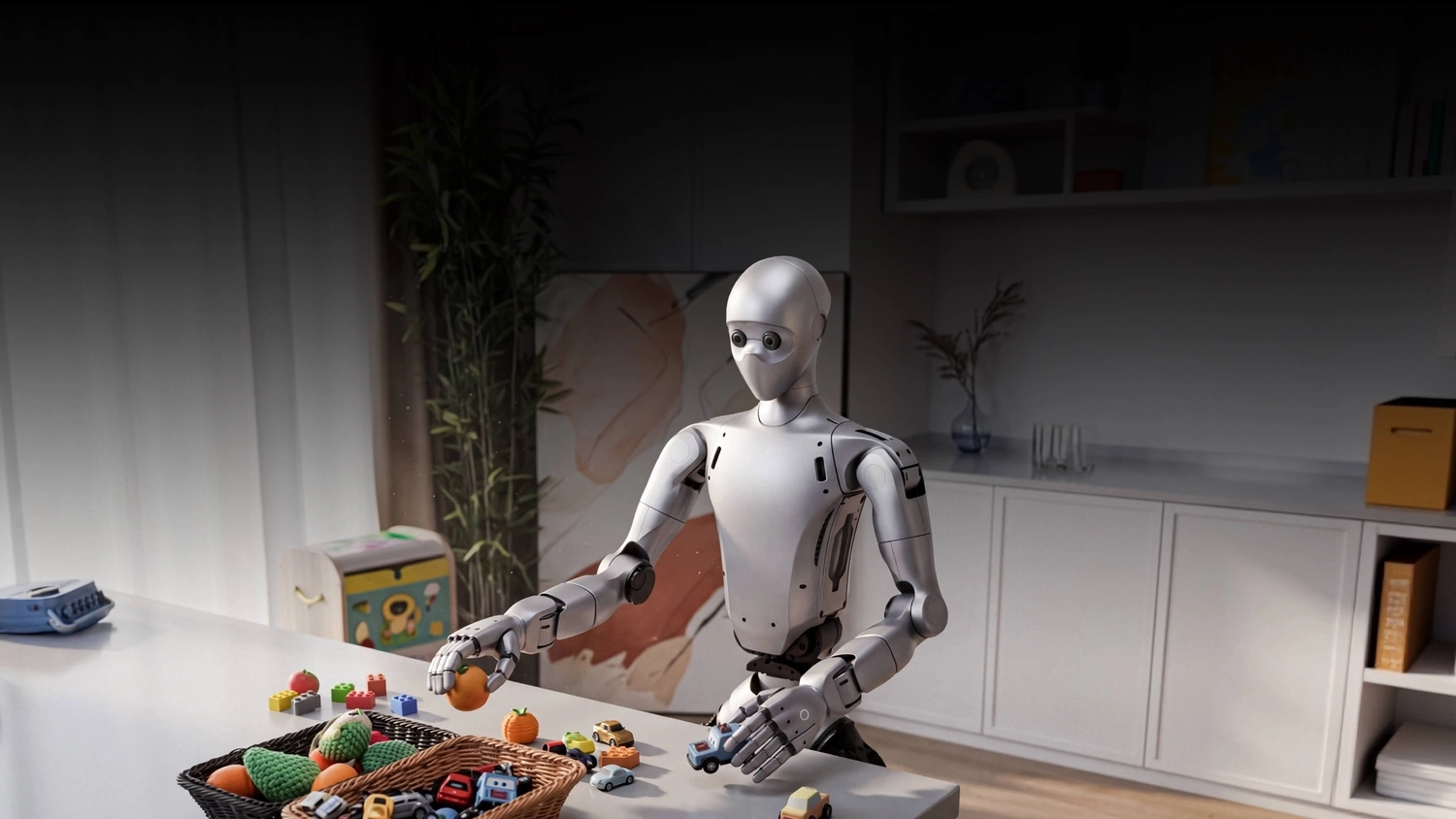
The reported dimensions of 182 cm x 45.6 cm x 21.8 cm and a weight of about 70 kg give the H2 Plus a human-like frame that is easier to evaluate in environments built for people. Its 31 degrees of freedom support full-body coordination, while the stated arm payload of about 7 kg rated and 15 kg peak helps frame the robot as a manipulation platform rather than a light toy. The listed sensor stack, including binocular and wide-FOV vision, joint encoders, force and torque sensing, temperature sensing, and proprioceptive sensing, supports balance and interaction tasks that depend on feedback rather than pre-scripted motion. The base platform’s described movement speed of up to under 2 m/s, or roughly under 7.2 km/h, keeps the focus on controlled mobility instead of high-speed travel.
Rivals Edge Check
| Robot | Key Advantage | Where Unitree H2 Plus Wins | Target Use |
|---|---|---|---|
| Eggie | Compact design for closer-range interaction | Human-scale body and broader manipulation setup suit teleoperation research | Consumer or light interaction |
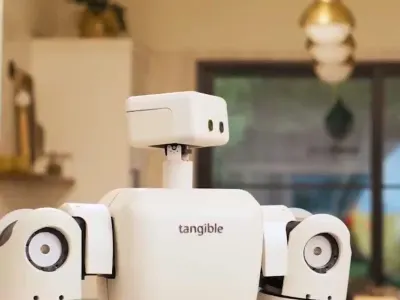
| NEO Home Robot | Home-oriented assistance positioning | More suitable for full-body motion research and operator-guided control | Domestic assistance |
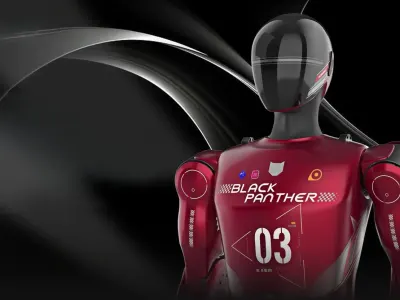
| Bolt | Agility-focused mobility profile | Better aligned to humanoid manipulation and sensing experiments | Mobility demonstrations |
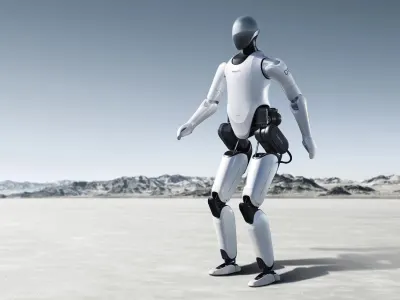
| CyberOne 2026 Version | AI-led humanoid branding | H2 Plus is positioned as a more concrete research reference platform | General humanoid R&D |
Industry direction
H2 Plus signals that humanoid competition is moving toward teleoperation-first platforms with clearer developer tooling and better sensing, rather than robots that depend on pre-programmed motion libraries. That matters because the market is still trying to prove reproducibility, operator usability, and safety in human spaces, not just headline-grabbing movement. If that trend holds, the winners will be the systems that make human guidance feel seamless while preserving balance, coordination, and manipulation fidelity.
Explore Humanoids

Related Articles
Hanson Robotics’ Jules Shows How Humanoid Robots Are Being Built for Human Interaction, Not Autonomy
Hanson Robotics’ Diego-San remains a benchmark for toddler-like humanoid research
DLR’s GARMI pushes humanoid teleoperation into elder care and remote assistance
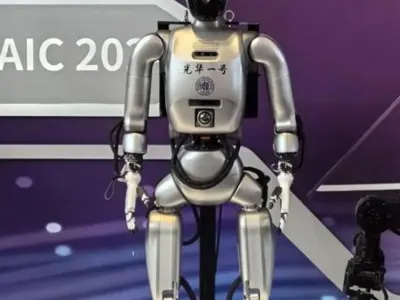
Fudan’s Guanghua No. 1 pushes humanoid robots toward elder care, not general-purpose autonomy
Related Comparisons
Compare Unitree H2 Plus with similar robots

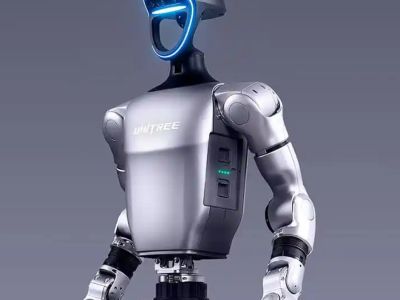
Optimus vs Unitree G1
Compare Optimus vs Unitree G1 for humanoid mobility, dexterity, autonomy, and payload capacity.
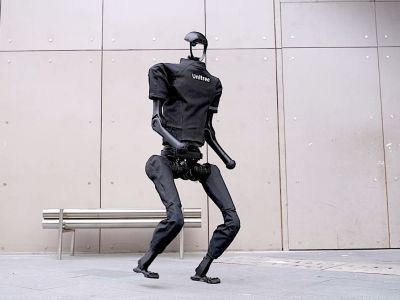
Unitree G1 vs Unitree H1
Head-to-head: Unitree G1 vs Unitree H1 compared on bipedal balance, AI learning, and real-world deployment.
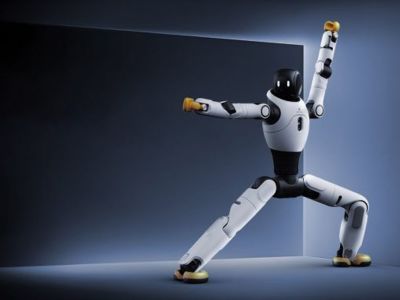
Unitree G1 vs AgiBot X2-N
Compare Unitree G1 vs AgiBot X2 for humanoid mobility, dexterity, autonomy, and payload capacity.
GR-1 vs Unitree H1-2
Head-to-head: GR-1 vs Unitree H1-2 compared on bipedal balance, AI learning, and real-world deployment for research and care.
Learn More About This Robot
Discover detailed specifications, reviews, and comparisons for Unitree H2 Plus.
View Robot Details →