Generative Bionics Plans Italian Physical AI Data Factory to Train Its GENE.01 Humanoid
Robot Details
GENE.01 • Generative BionicsPublished
October 23, 2026
Reading Time
4 min read
Author
Origin Of Bots Editorial Team

A Factory for Teaching Robots
This week, Genoa-based Generative Bionics announced plans to build a Physical AI Data Factory in Italy. The first site is a 5,000-square-meter hub, about the size of a football pitch, and the company says it will be one of Europe's largest physical AI training facilities for humanoid robots.
It is not a factory that makes robots. It is a place where robots practice real work and generate the experience that AI models need to learn from. The company says the facility will be operational by the fourth quarter of 2027, so for now it remains a plan.
Why Robots Are Starved for Data
Chatbots learned to write by reading enormous amounts of text from the internet. Generative Bionics points out that robots have no comparable library showing how to move, grip and react in the physical world, and that gap is what the new facility is meant to fill.
Daniele Pucci, the company's CEO, told The Robot Report that a robot is not only vision and not only language. It also needs position, velocity, acceleration, temperature and contact forces, a far richer stream of information than a camera feed alone.
Practice, Simulate, Repeat
The company describes a loop it calls real-to-sim-to-real. Robots perform tasks in realistic industrial settings, the data is used to build a digital twin, a computer replica of the space, and models trained there are sent back to the robots for checking.
In simulation, the same task can be repeated across thousands of variations in layout, objects, materials and failure modes that would be impractical to recreate physically. Results from real work then feed the next round of training, so each pass is meant to improve the last.
The Robot at the Center: GENE.01
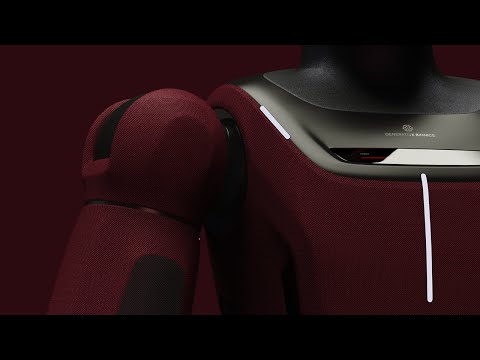
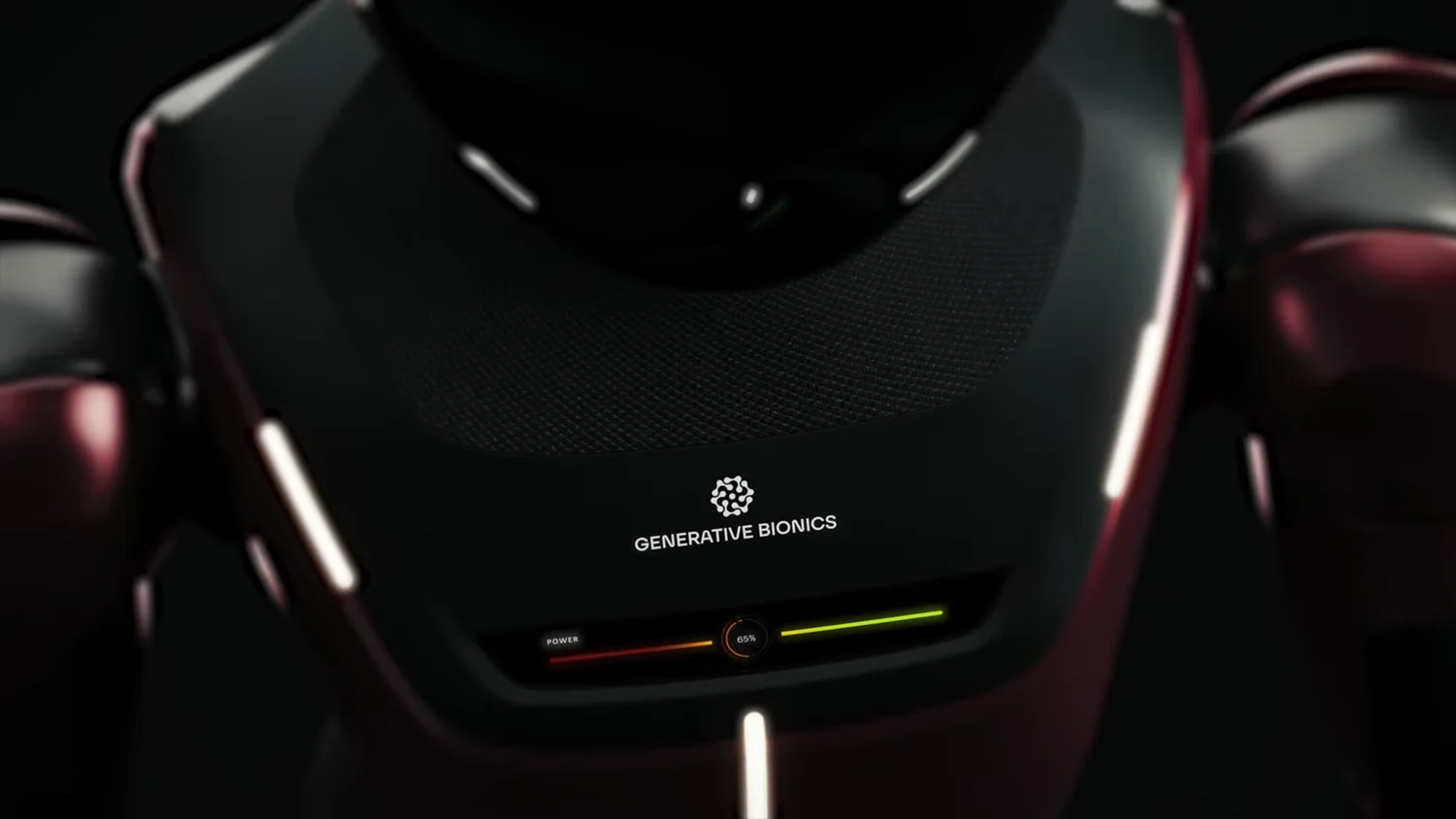
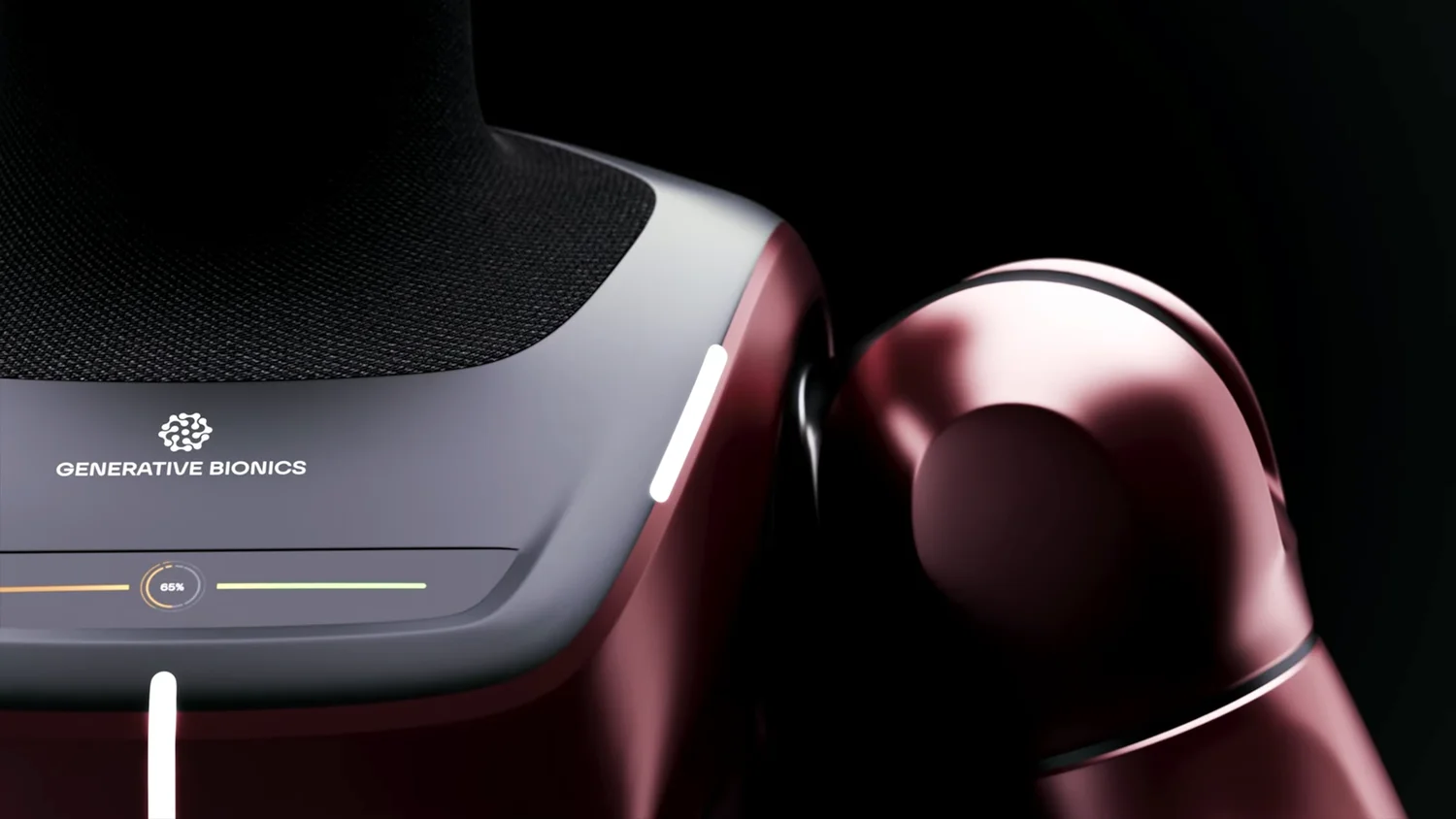
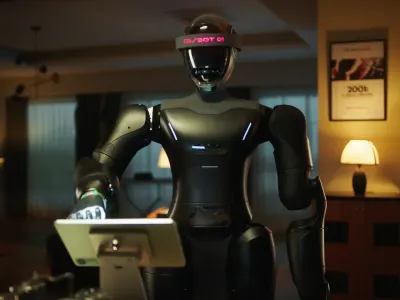
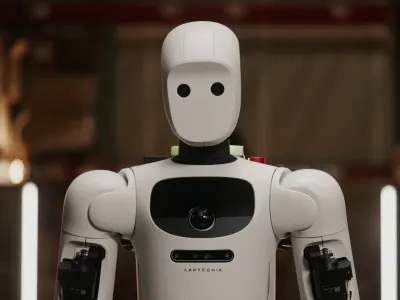
The facility is built around GENE.01, Generative Bionics' industrial humanoid. Fleets of the robot will work continuously in environments chosen with industrial partners, so the company can configure and validate each one before it reaches a customer site.
The data will include vision and motion, plus signals from the robot's full-body multimodal skin, a sensing layer that can feel contact across its body. The company says this data will train world action models and test perception, control, safety behavior and task execution together.
A Chip Giant Powers the Brain
Advanced Micro Devices, better known as AMD, will serve as Generative Bionics' AI infrastructure partner. The network will run on AMD Helios, a rack-scale computing system the company says will process physical and synthetic data and train models.
That computing muscle also runs the thousands of digital-twin scenarios in parallel. The partnership builds on an earlier technology collaboration between the two companies, according to Generative Bionics.
Europe's Case for Its Own Robots
Generative Bionics frames the project as a matter of European sovereignty, meaning that the data, models and know-how behind Europe's industrial humanoids should be generated, trained and validated on the continent. It plans a second site elsewhere in Europe and a third serving global markets.
Pucci argues Europe's edge lies in its industry, built on roughly 40 years of automation. In the CEO's view, that gives European firms a competitive advantage in capturing the physical data needed to train their own models.

Safety First, Say the Founders
Pucci also took aim at the flood of humanoid demos from China. The CEO said many Chinese robots are not certified to enter industrial settings, and that many existing solutions are essentially for entertainment, a segment the company respects.
Generative Bionics says it takes safety and certification seriously because it plans to go business-to-business first. These are the company's own views, and the claim about competitors was not independently tested in the reporting.
What Has to Happen Next
The plan is ambitious and arrives well before the doors open. The facility is due in late 2027, and the second and third sites have no dates yet, so the project's value will depend on whether it delivers data that truly improves how GENE.01 works.
Pucci said the company wants to be the European champion in physical AI, and is closely examining the supply chain for its future manufacturing. Data, robots and models are the three things Pucci says Europe must invest in, and this announcement addresses the first.

Explore Humanoids
Related Articles
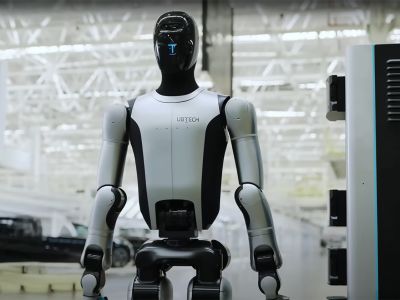
Bitcoin Japan Wins Exclusive Rights to Sell UBTECH's Walker Humanoids in Japan

Unitree H2-X: The Kung Fu Guardian Robot Built to Stand Watch for About Eight Hours
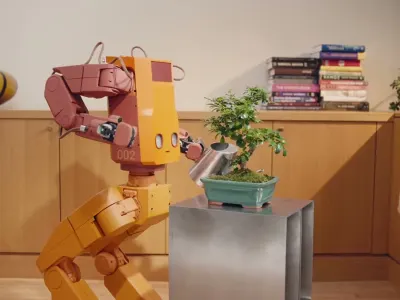
Voxel Series-1: A Home Robot Trained With Animator Motion Opens $200 Reservations
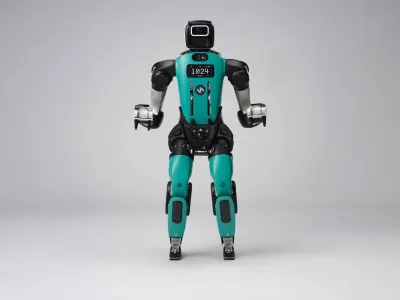
Agility Robotics Picks NVIDIA IGX Thor as the Brain of Its Digit 5 Humanoid
Related Comparisons
Compare GENE.01 with similar robots

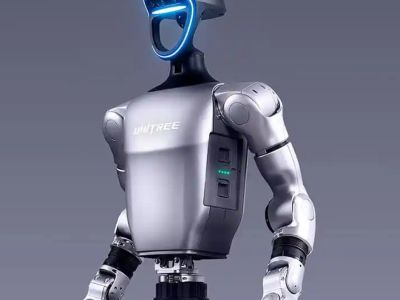
Optimus vs Unitree G1
Compare Optimus vs Unitree G1 for humanoid mobility, dexterity, autonomy, and payload capacity.

Unitree G1 vs Unitree H1
Head-to-head: Unitree G1 vs Unitree H1 compared on bipedal balance, AI learning, and real-world deployment.
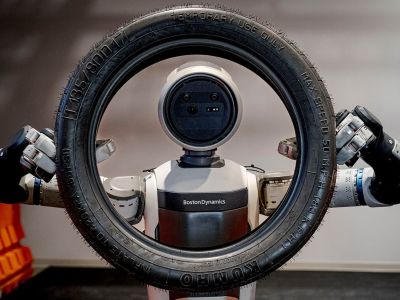
Optimus vs Atlas (Electric 2025)
In-depth comparison of Optimus and Atlas (Electric Atlas, 2025), covering hardware capabilities, teleoperation, and enterprise readiness.

Ameca vs Moya
Which humanoid robot is better? Ameca vs Moya compared for dexterity, AI capabilities, and price.
Learn More About This Robot
Discover detailed specifications, reviews, and comparisons for GENE.01.
View Robot Details →