Agility Robotics Picks NVIDIA IGX Thor as the Brain of Its Digit 5 Humanoid
Robot Details
Digit 5 • Agility RoboticsPublished
October 22, 2026
Reading Time
4 min read
Author
Origin Of Bots Editorial Team
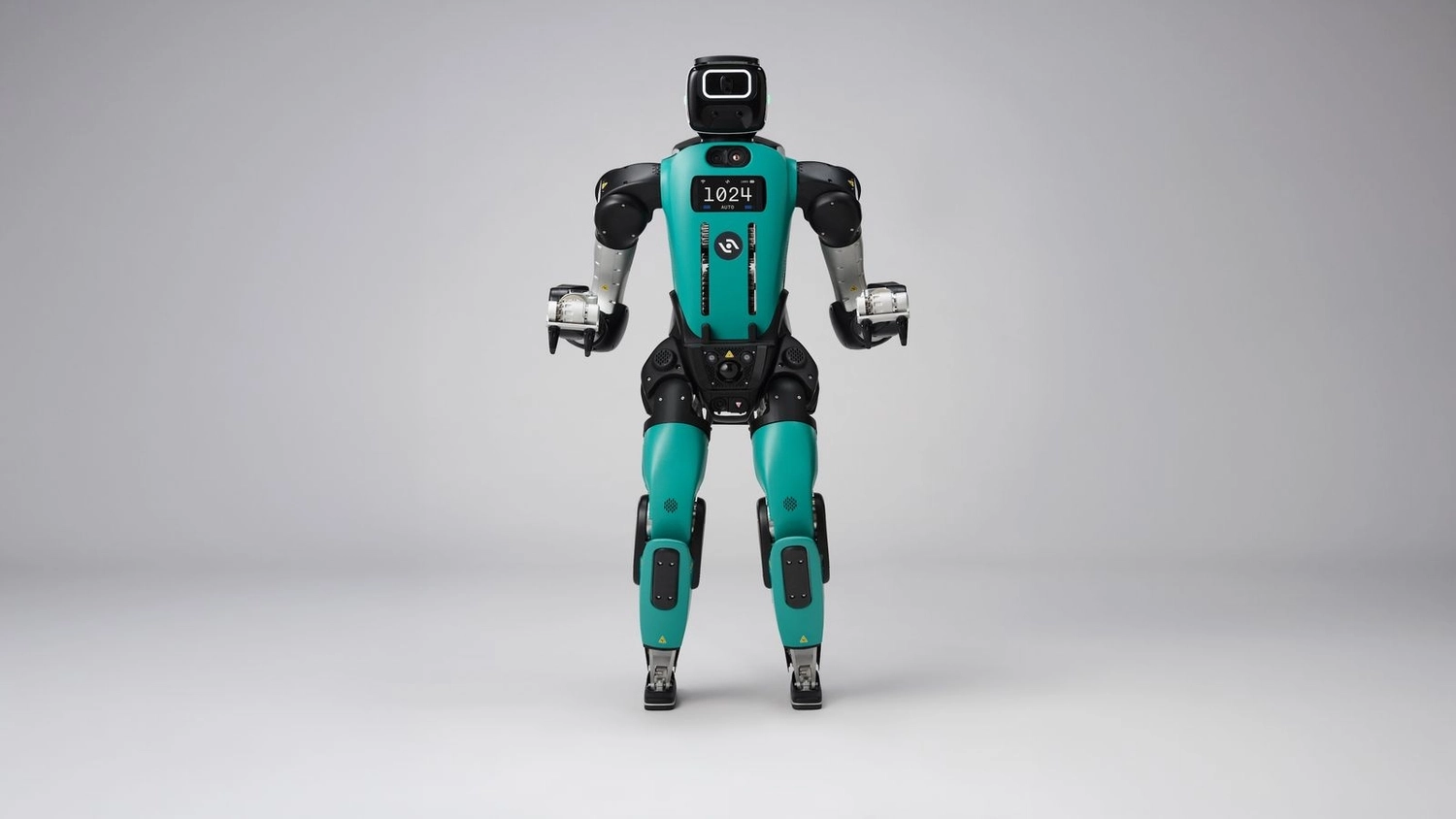
NVIDIA Becomes the Brain Supplier for Digit 5
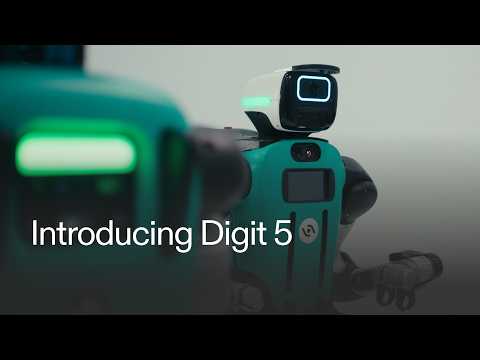
On October 22, 2026, Agility Robotics announced that its next humanoid, Digit 5, will use NVIDIA's IGX Thor modules as its onboard computer. For the version Agility plans to sell broadly, NVIDIA will be the only supplier of that computing hardware, the chips that act as the robot's brain.
The choice matters because the computer decides how fast a robot can see, think and react. By settling on one platform, Agility is betting that a single, well-tested set of chips will be easier to build, certify and support than a mix of parts, especially as it prepares to sell the robot in large numbers.
What an IGX Thor Module Actually Does
IGX Thor is a computing module built on NVIDIA's Blackwell chip design and aimed at industrial machines. It runs the artificial intelligence that lets a robot interpret camera images, plan its next step and move its limbs, all on board rather than relying on a distant data center.
It also carries a Functional Safety Island, a separate safety processor that keeps working even if the main brain makes a mistake. NVIDIA says the design is meant to meet widely used safety standards, and the module comes with up to ten years of enterprise software support, which factories tend to value.
Safety Is the Real Selling Point
Agility says the pairing is about safety as much as speed. NVIDIA announced a package called Halos for Robotics on June 22, 2026, and Agility is the first company to build parts of it into its own proprietary safety system, according to Agility's announcement.
Part of that system is safe human detection, the ability to notice a nearby person and slow or stop. Agility is folding IGX Thor and additional Halos AI models into that feature. A robot that works beside people must prove it can protect them before most factories will let it near their staff.
A Lab That Checks the Robot Before the Inspectors Do
Agility will also take part in the NVIDIA Halos AI Systems Inspection Lab. NVIDIA describes it as an accredited facility that reviews safety software, AI components and cybersecurity before a robot goes to outside certifiers for formal approval.
The lab references established standards such as IEC 61508 and ISO 13849, and the certification bodies named include TÜV Rheinland, UL Solutions and TÜV SÜD. It is not a final stamp of approval. It is a rehearsal meant to catch problems before the official audits begin.
The Robot Being Upgraded
Digit 5 was unveiled on September 15, 2026. Agility lists it at 5 feet 11 inches tall, about the height of a tall adult, and 284 pounds. It can reach up to 7.2 feet and repeatedly lift up to 50 pounds, enough for a heavy tote or a case of goods.
Its battery lasts about 90 minutes and recharges in 9 minutes, a design that favors quick top-ups over long shifts. Agility says Digit 5 is built to work cooperatively around people without the cages and barriers that traditional industrial robots usually need.
Orders, Hours and a Stock Market Plan
Agility reported more than $300 million in multi-year Digit 5 customer orders as of May 2026, though these depend on contractual milestones being met. Its previous model, Digit 4, has logged more than 65,000 operating hours at customer sites including GXO, Schaeffler, Amazon and Toyota Motor Manufacturing Canada.
The company is also merging with Churchill Capital Corp XI, a blank-check company, and expects the deal to close in the fourth quarter of 2026. If it does, the combined business will trade on Nasdaq as Agility Robotics, giving it fresh capital to scale production.
Timelines and Open Questions
Agility says early access to Digit 5 should begin in the first half of 2027, with availability widening over the following six to nine months to manufacturing, warehouse and distribution operators. General availability is expected by the end of 2027.
Those are plans, not guarantees. Humanoid robots have a history of slipping schedules, and real-world safety certification can take longer than expected. The decisive test will be whether Digit 5 works reliably beside people at customer sites over thousands of hours, not in a launch demonstration.
What Comes Next
Agility's move shows how the humanoid industry is organizing around shared building blocks. As more robot makers adopt the same chips and safety tools, customers may find it easier to compare machines, and regulators may find them easier to assess.
For ordinary people, the payoff would be quieter and more practical than science fiction: more warehouse and factory tasks handled by machines that have been designed from the start to stay out of harm's way. Whether that promise holds will become clear through the 2027 rollout.

Sources
Related Articles
Shanghai's RoboParty Open-Sources Its Entire RP1 Humanoid, From Motors to Code
Bitcoin Japan Wins Exclusive Rights to Sell UBTECH's Walker Humanoids in Japan

Unitree H2-X: The Kung Fu Guardian Robot Built to Stand Watch for About Eight Hours
Voxel Series-1: A Home Robot Trained With Animator Motion Opens $200 Reservations
Related Comparisons
Compare Digit 5 with similar robots

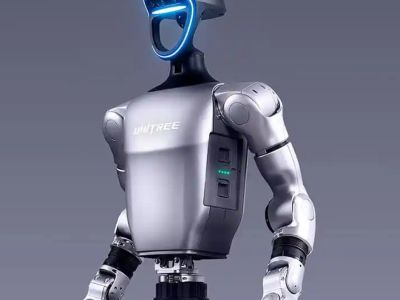
Optimus vs Unitree G1
Compare Optimus vs Unitree G1 for humanoid mobility, dexterity, autonomy, and payload capacity.
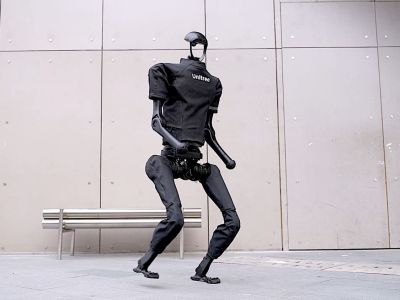
Unitree G1 vs Unitree H1
Head-to-head: Unitree G1 vs Unitree H1 compared on bipedal balance, AI learning, and real-world deployment.
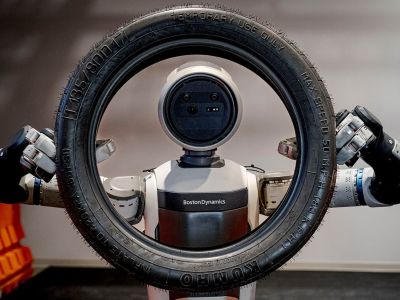
Optimus vs Atlas (Electric 2025)
In-depth comparison of Optimus and Atlas (Electric Atlas, 2025), covering hardware capabilities, teleoperation, and enterprise readiness.


Ameca vs Moya
Which humanoid robot is better? Ameca vs Moya compared for dexterity, AI capabilities, and price.
Learn More About This Robot
Discover detailed specifications, reviews, and comparisons for Digit 5.
View Robot Details →