Little Sophia Redefines Educational Robotics for Young Learners
Robot Details
Little Sophia • Hanson RoboticsPublished
January 23, 2026
Reading Time
3 min read
Author
Origin Of Bots Editorial Team
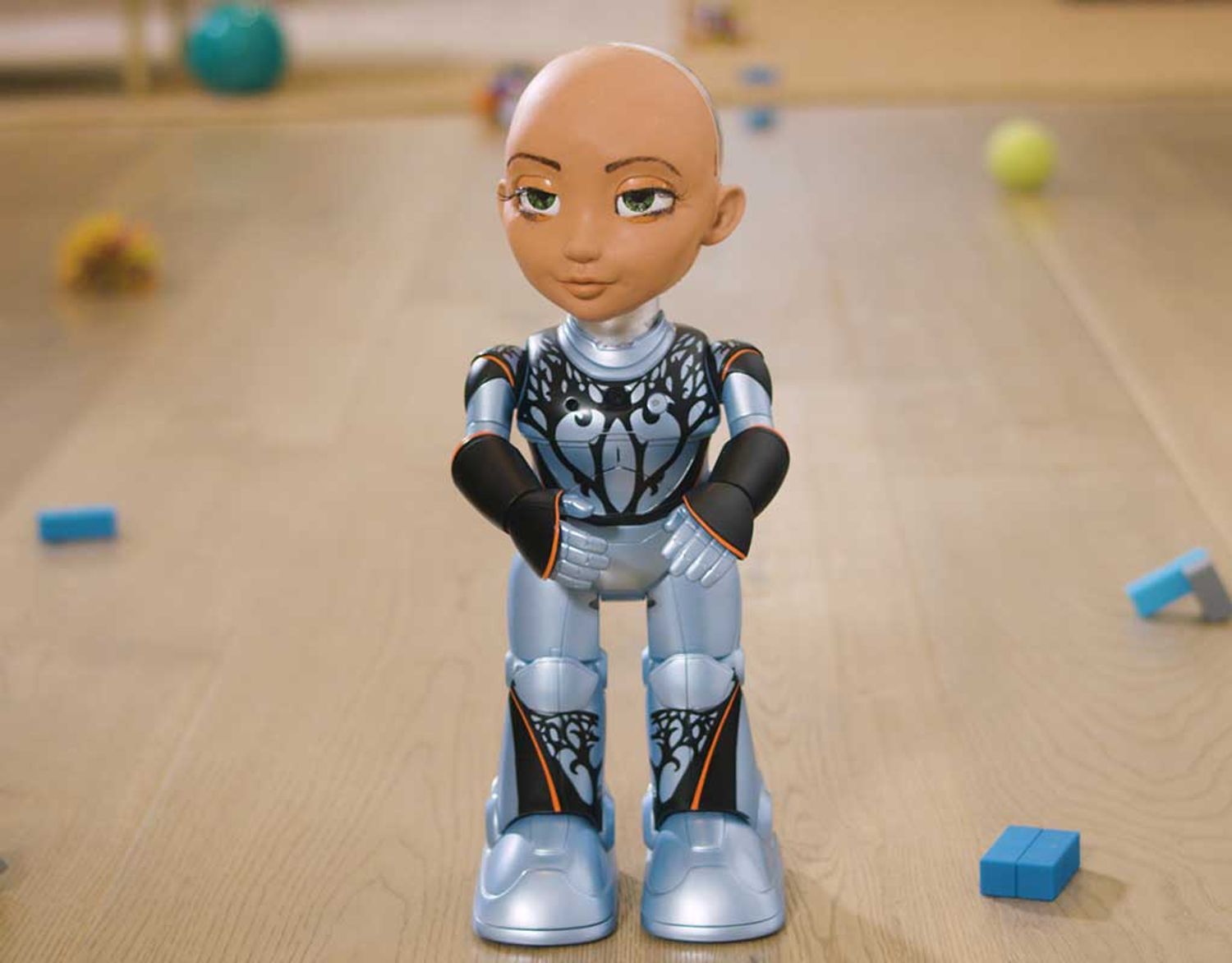
A 14-Inch Game Changer Arrives
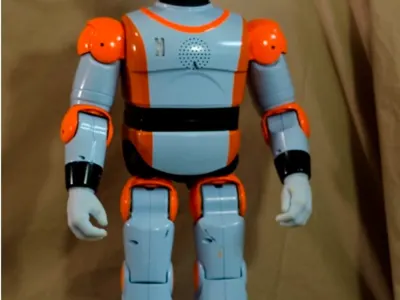
Hanson Robotics has unveiled Little Sophia, a 14-inch humanoid robot designed to transform how children engage with STEM, coding, and artificial intelligence. Created by the same team behind the internationally recognized Sophia robot, Little Sophia targets learners aged 8 and up with an integrated platform that combines expressive facial interactions, conversational AI, and hands-on programming capabilities. The robot's release marks a significant shift in educational robotics, moving beyond traditional coding toys to deliver a sophisticated yet accessible companion that responds conversationally, tells jokes, sings, dances, and walks independently.
Expression Meets Interaction
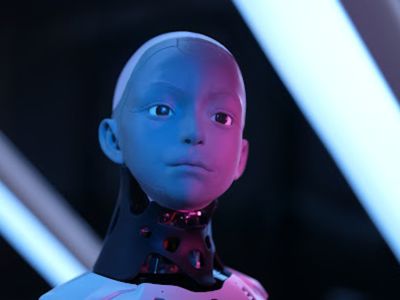
What distinguishes Little Sophia from competing educational robots is her capacity for nuanced facial expression combined with genuine conversational engagement. Unlike most educational robots that rely on pre-scripted responses, Little Sophia actively participates in dialogue, demonstrating curiosity and playfulness that mirrors human interaction patterns. Her expressive face, engineered with the same humanoid design philosophy as her larger counterpart, enables her to display a wide spectrum of emotions during storytelling sessions and interactive games. This emotional dimension transforms learning from passive instruction into dynamic relationship-building between child and machine.
Engineering Meets Accessibility
The engineering architecture powering Little Sophia balances sophistication with affordability through mobile computing integration and modular motor systems. Each movement—from facial expressions to bipedal walking—operates through precision-engineered motor control systems paired with sensory feedback mechanisms including potentiometers and current sensors. This allows developers to verify motion accuracy and adjust behavior in real time. The robot's control architecture leverages Python SDK access, enabling programmers to manipulate individual servo motors and integrate IMU-based balance detection. This technical accessibility democratizes robotics education, allowing students to understand and modify the robot's behavior at multiple complexity levels.
Learning Through Embodied AI
Little Sophia's practical applications extend beyond entertainment into measurable educational outcomes. The robot serves as a tangible entry point for coding education, AI interaction, and robotics projects, allowing children to program behaviors, observe real-world consequences, and iterate solutions. Interactive storytelling sessions leverage her conversational abilities to maintain engagement during extended learning periods. Her ability to recognize and track faces creates opportunities for personalized interaction, where the robot adapts responses based on individual learner characteristics. This embodied approach—where abstract concepts become visible through physical movement and emotional expression—addresses learning science research showing that kinesthetic and social-emotional engagement significantly improves retention.
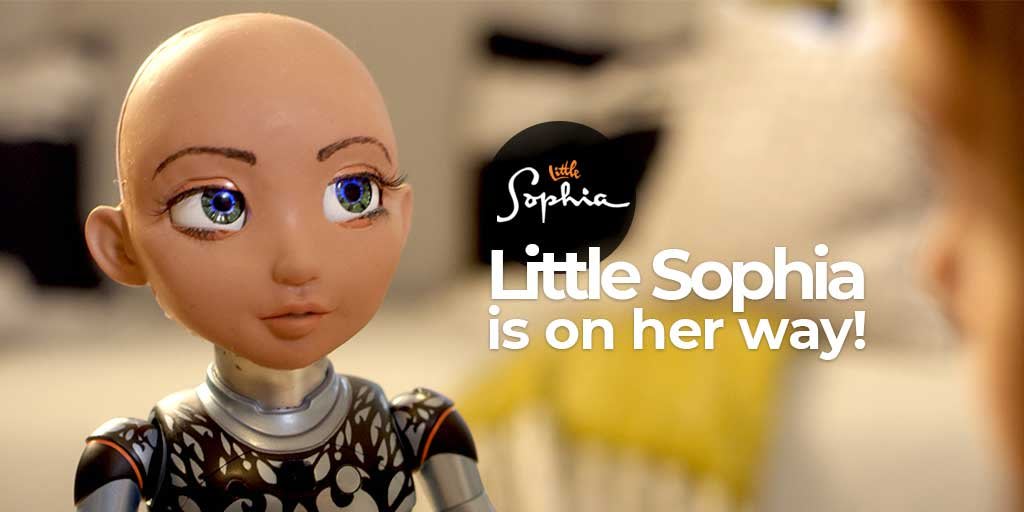
Skill Architecture & Capability Summary
Little Sophia's technical foundation integrates multiple sensing and actuation systems to enable sophisticated interaction skills. Her facial expression capability derives from distributed motor control across her humanoid face structure, allowing her to convey emotional nuance during conversations and storytelling. Bipedal walking functionality, powered by two degrees of freedom in her body, enables directional movement including forward walking, backward motion, and turning. Her sensory array—comprising RGB camera, depth camera, IMU accelerometer, microphone array, and facial recognition sensors—creates spatial awareness and voice comprehension necessary for responsive dialogue. The Python SDK provides direct access to motor control, allowing educators and students to program custom behaviors. A proprietary operating system manages real-time interaction, while battery architecture supports extended engagement sessions suitable for classroom environments and home use.
Versus Rivals Breakdown
| Robot | Strengths over Little Sophia | Little Sophia Advantages | Weaknesses vs. Little Sophia |
|---|---|---|---|
| Olaf | Potentially lower cost, simpler mechanics | Superior facial expressiveness, conversational AI, bipedal walking capability | Limited humanoid design, less sophisticated interaction |
| Unitree H1 | Advanced locomotion, industrial-grade actuators | Designed for education, accessible price point, expressive face | H1 targets research/industry, not consumer education market |
| Annie | Specialized task automation capabilities | Focused on child engagement, storytelling integration, face recognition | Annie lacks humanoid design, limited emotional expression |
| Walker X | Larger payload capacity, extended range | Compact form factor suitable for children, sophisticated AI dialogue, interactive games | Walker X designed for industrial use, not educational companion role |
Explore Humanoids


Sources
Related Articles
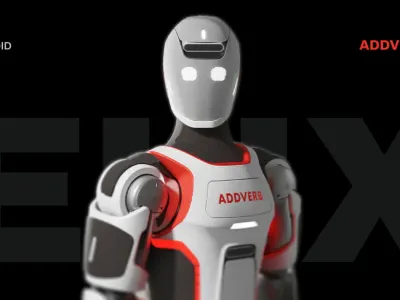
Addverb's ELIXIS Humanoid Masters 41-DOF Industrial Tasks

UBTECH Walker X Debuts in Aircraft Assembly Pilot
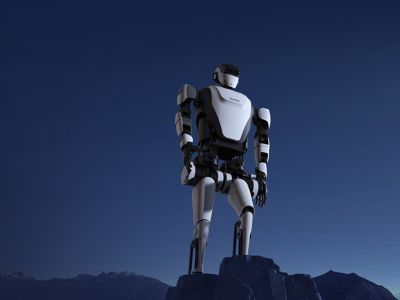
Leju's KUAVO-MY Ignites Torch Relay at National Games

Pudu D9 Humanoid Flexes 352Nm Torque, 20kg Payload
Related Comparisons
Compare Little Sophia with similar robots
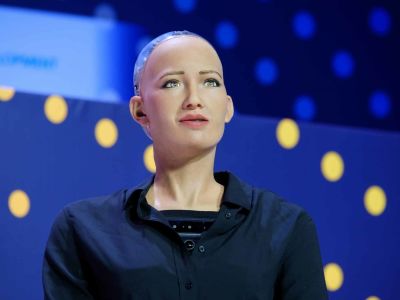

Sophia vs Aria - Robot Girlfriend
Head-to-head: Sophia vs Aria - Robot Girlfriend compared on bipedal balance, AI learning, and real-world deployment.

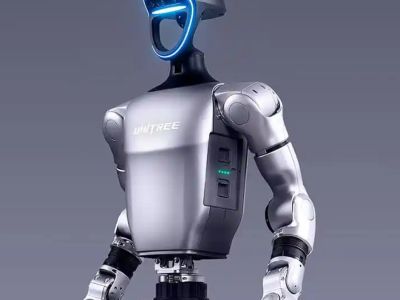
Optimus vs Unitree G1
Compare Optimus vs Unitree G1 for humanoid mobility, dexterity, autonomy, and payload capacity.
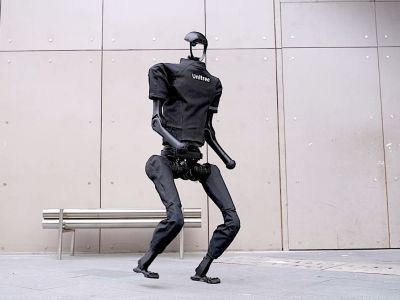
Unitree G1 vs Unitree H1
Head-to-head: Unitree G1 vs Unitree H1 compared on bipedal balance, AI learning, and real-world deployment.
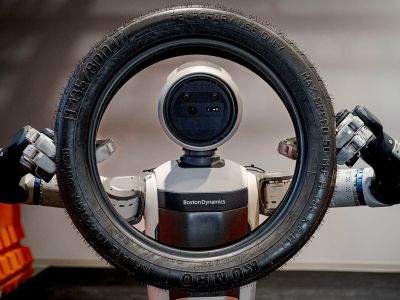
Optimus vs Atlas (Electric 2025)
In-depth comparison of Optimus and Atlas (Electric Atlas, 2025), covering hardware capabilities, teleoperation, and enterprise readiness.
Learn More About This Robot
Discover detailed specifications, reviews, and comparisons for Little Sophia.
View Robot Details →