Leju's KUAVO-MY Ignites Torch Relay at National Games
Robot Details
KUAVO 4PRO (KUAVO-MY) • Leju RoboticsPublished
January 23, 2026
Reading Time
2 min read
Author
Origin Of Bots Editorial Team
Torch Milestone Debut
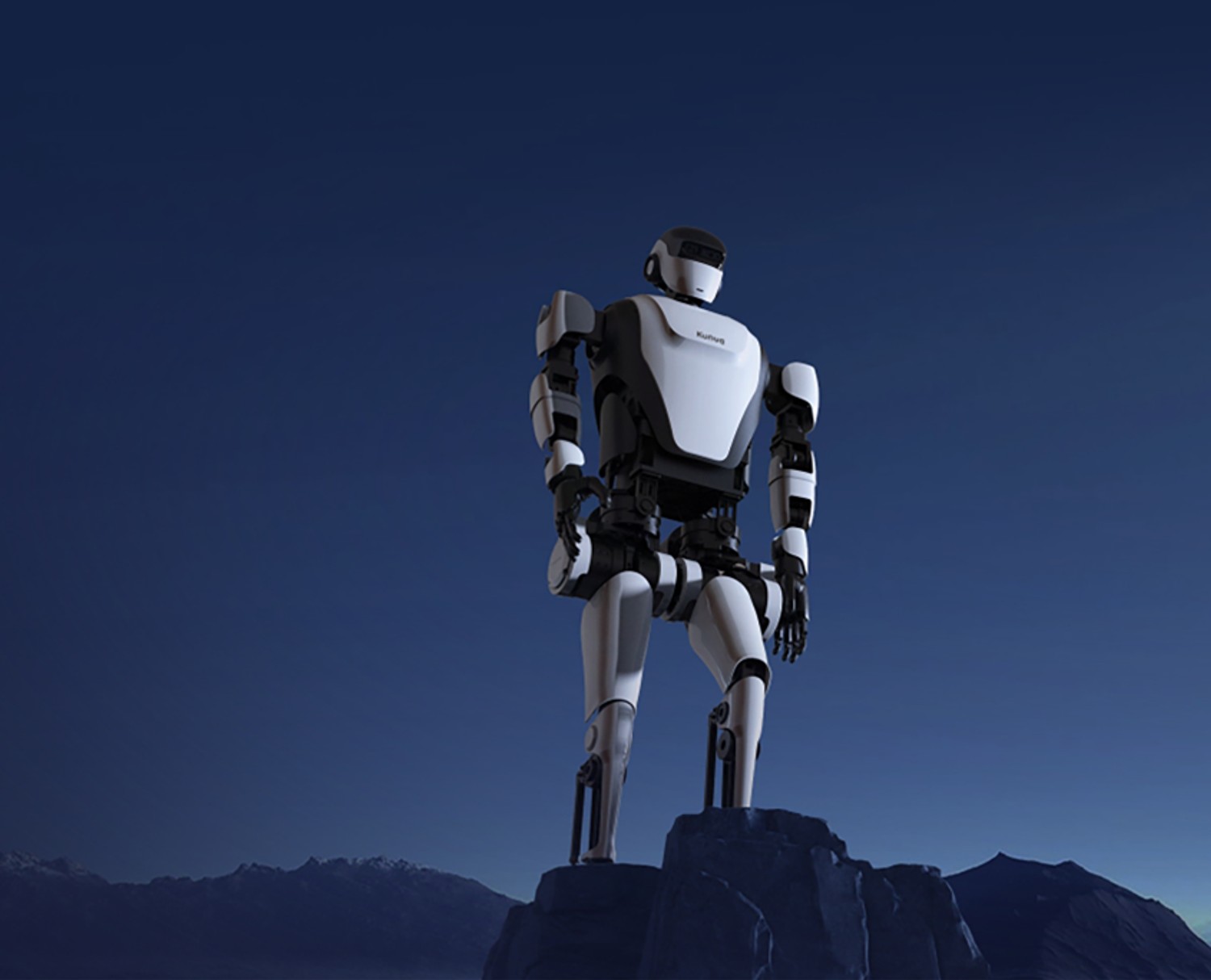
Leju Robotics grabbed headlines when its KUAVO-MY humanoid robot lit the torch relay flame at the National Games, marking a historic first for robotic participation in such a high-profile sporting event. This seamless performance showcased the robot's precision dexterity and crowd interaction skills, captivating thousands of spectators. Engineers programmed KUAVO-MY to mimic human torchbearers with fluid arm motions and balanced strides, symbolizing China's push toward embodied AI in public spectacles. The event underscores Leju's rapid commercialization drive, transitioning lab prototypes into real-world performers that engage audiences emotionally.
Crowd Mastery Revealed
KUAVO-MY excelled in dynamic crowd navigation during the relay, using real-time perception to weave through participants while maintaining eye contact and gesturing naturally. Its imitation learning algorithms absorbed torch-handling demos in minutes, delivering personalized waves and cheers that felt authentically human. This capability transforms passive demos into interactive experiences, ideal for exhibitions where robots boost visitor engagement. Leju highlights how such skills foster trust, paving the way for KUAVO-MY in event hosting and guided tours.
Balance Tech Triumphs
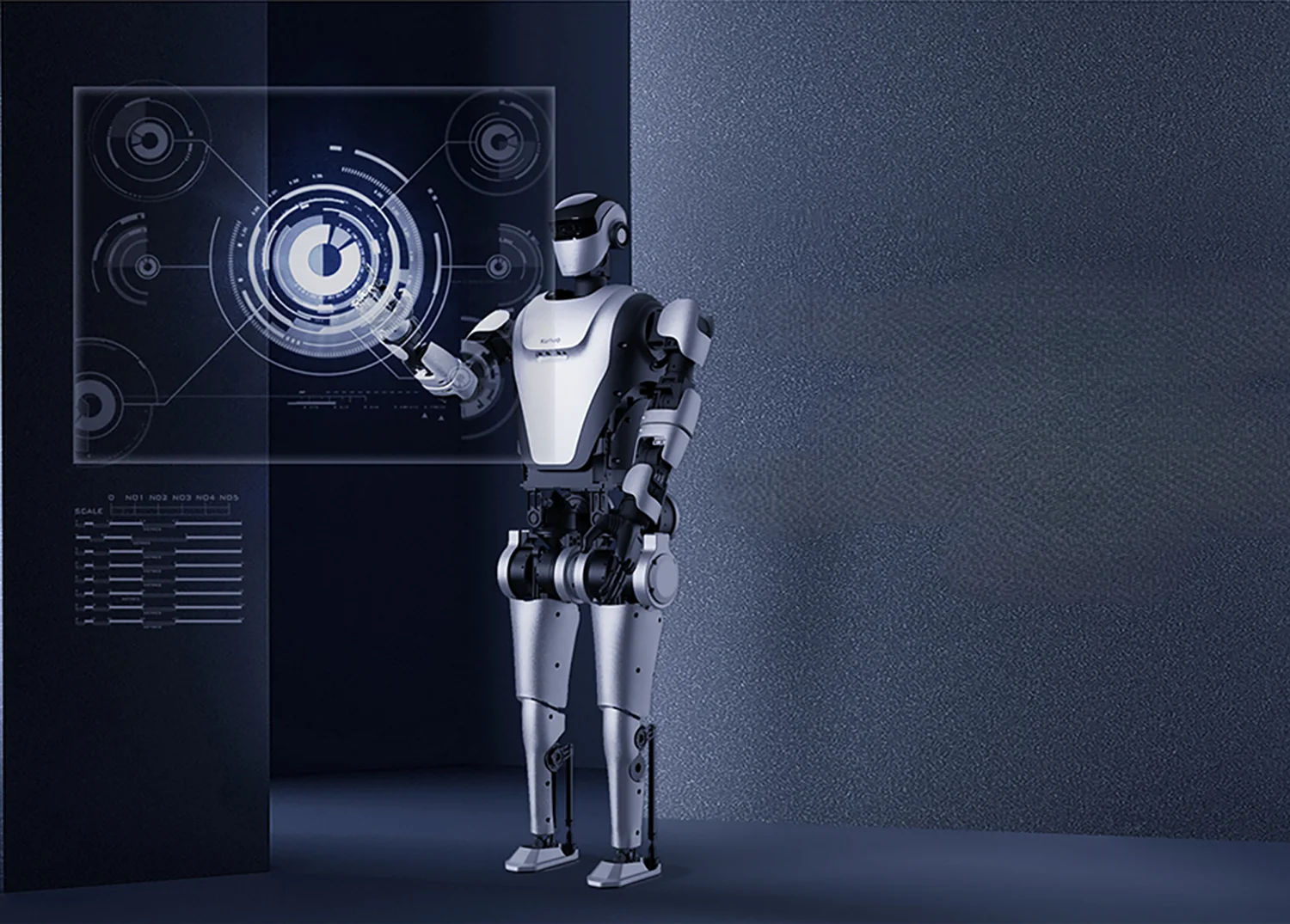
Engineers at Leju engineered KUAVO-MY's bipedal stability to conquer uneven stadium paths, blending visual perception with high-torque joints for steady torch elevation amid cheers. Powered by an open-source controller on KaihongOS, it executes omnidirectional steps up to 4.6 km/h, adapting to grass or sand-like surfaces. This fusion of reinforcement learning and precise feedback control enables full-body coordination, from leg pivots to arm extensions, redefining reliability in unpredictable environments.
Beyond Stadium Spotlights
Post-relay, KUAVO-MY eyes expansions into factory logistics and smart guidance, as seen in its FAW Hongqi deployments for sorting tasks. In commercial venues like malls, it delivers tailored explanations via integrated AI models, slashing response times for queries. Leju envisions remote operations for inspections, where its human-like presence enhances oversight without fatigue, blending service precision with empathetic interactions to elevate operational flows.

Dexterity Enablers Unpacked
KUAVO-MY's 26 degrees of freedom, split across 14 arm and 12 leg joints, empower nuanced grasping for tools or torches, mimicking human reach in tight spaces. High-torque actuators at 360 Nm drive natural bipedal strides at 0.4 m/s, with runs of up to 5 km/h, and its 60 V battery lasts about an hour of walking. An Orbbec Gemini 335L depth camera and a Livox Mid-360 LiDAR let it map venues for collision-free guidance, while an emergency stop and joint temperature monitoring keep shared human-robot zones safe.
Rivals Face-Off
| Robot | Strengths over KUAVO-MY | KUAVO-MY Advantages | Weaknesses vs. KUAVO-MY |
|---|---|---|---|
| AgiBot X2-N | Higher payload (15kg), faster top speed | Superior imitation learning for tasks | Lacks open-source flexibility |
| GR-2 | 22 degrees of freedom (28 with head and hands), 166 cm frame | Better torque density, terrain agility | Inferior battery life |
| ALLEX | Advanced facial expressions, lighter (40kg) | Stronger commercial OS integration | Weaker manipulation score |
| RB-Y1 | Cheaper entry price, modular wheels | Omnidirectional bipedal precision | Shorter runtime per charge |
Explore Humanoids
Sources
Related Articles
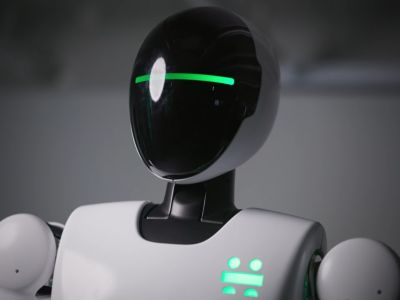
Friday Rolls Out: Wheeled Humanoid Masters 20-DoF Grasping
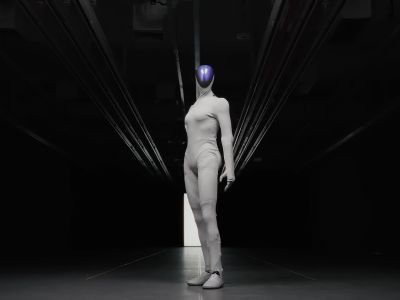
XPeng Rolls Out First Auto-Grade IRON Prototype
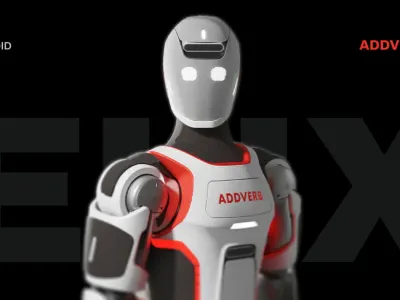
Addverb's ELIXIS Humanoid Masters 41-DOF Industrial Tasks

UBTECH Walker X Debuts in Aircraft Assembly Pilot
Related Comparisons
Compare KUAVO 4PRO (KUAVO-MY) with similar robots
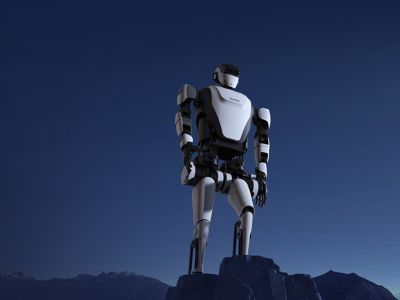
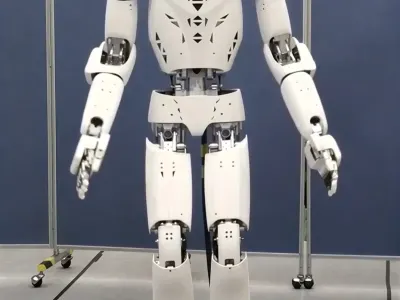
KUAVO 4PRO (KUAVO-MY) vs Kaleido 8.0
KUAVO-MY vs Kaleido 8.0: Leju's research and service humanoid against Kawasaki's robust bipedal humanoid, compared on size, mobility, sensors, AI and best uses.
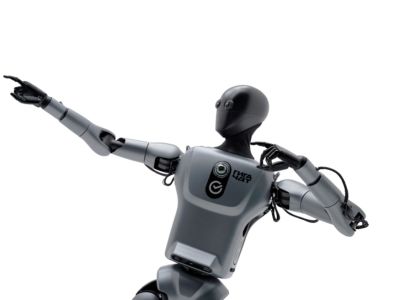
KUAVO 4PRO (KUAVO-MY) vs Green
KUAVO-MY vs Green: Leju's research humanoid on KaihongOS against Sber's GigaChat robot, compared on hands, sensors, AI and uses.
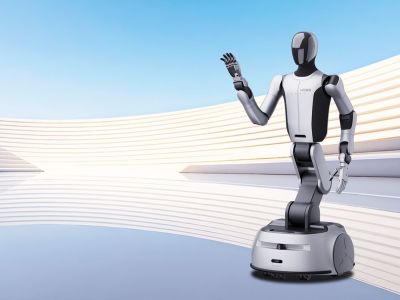
KUAVO 4PRO (KUAVO-MY) vs Cruzr S2
KUAVO-MY vs Cruzr S2: Leju's research and service humanoid against UBTECH's wheeled assembly and service humanoid, compared on specs and uses.
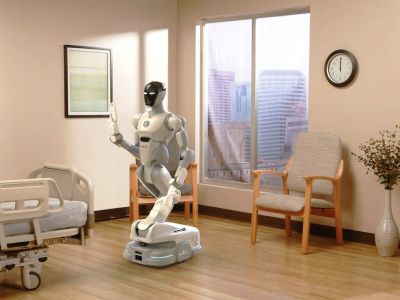
KUAVO 4PRO (KUAVO-MY) vs AlphaBot 2
KUAVO-MY vs AlphaBot 2: Leju's research and service humanoid against AI² Robotics' wheeled VLA humanoid, compared on size, mobility, sensors, AI and best uses.
Learn More About This Robot
Discover detailed specifications, reviews, and comparisons for KUAVO 4PRO (KUAVO-MY).
View Robot Details →