XPeng Rolls Out First Auto-Grade IRON Prototype
Robot Details
Next-Gen IRON • XPENGPublished
January 23, 2026
Reading Time
3 min read
Author
Origin Of Bots Editorial Team
Prototype Milestone Achieved
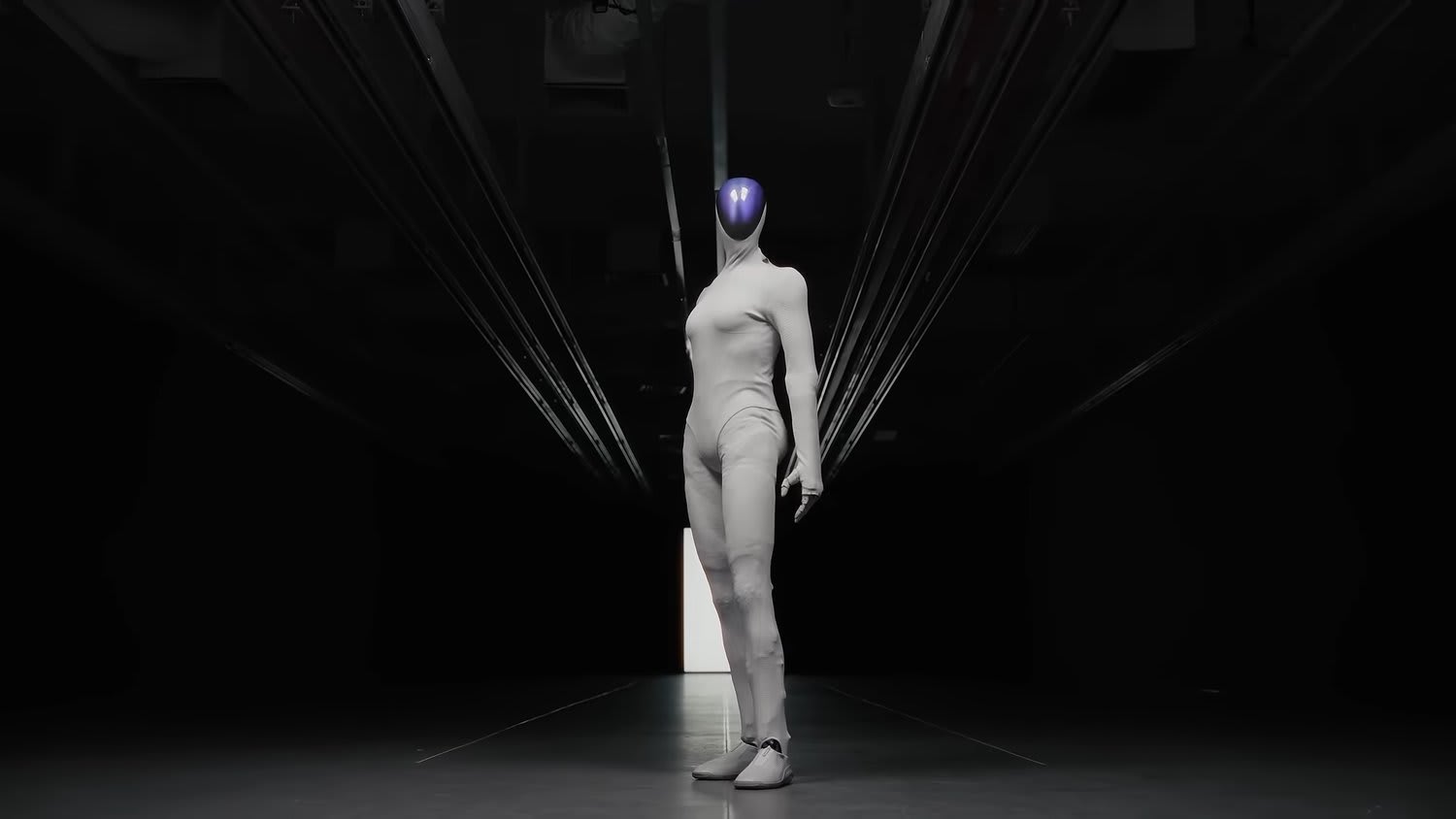
XPeng has produced its first humanoid robot prototype engineered to automotive-grade standards, marking a pivotal step toward mass production in 2026. Unveiled as the Next-Gen IRON at recent tech events, this machine integrates vehicle-derived precision manufacturing and rigorous testing protocols typically reserved for electric cars. CEO He Xiaopeng highlighted its lifelike catwalk demo, where fluid strides and human-like posture fooled onlookers until unzipped on stage. Deployed internally for factory tasks, it accelerates XPeng's pivot from EVs to embodied AI, promising seamless human-robot collaboration in commercial settings.
Bionic Design Revolution
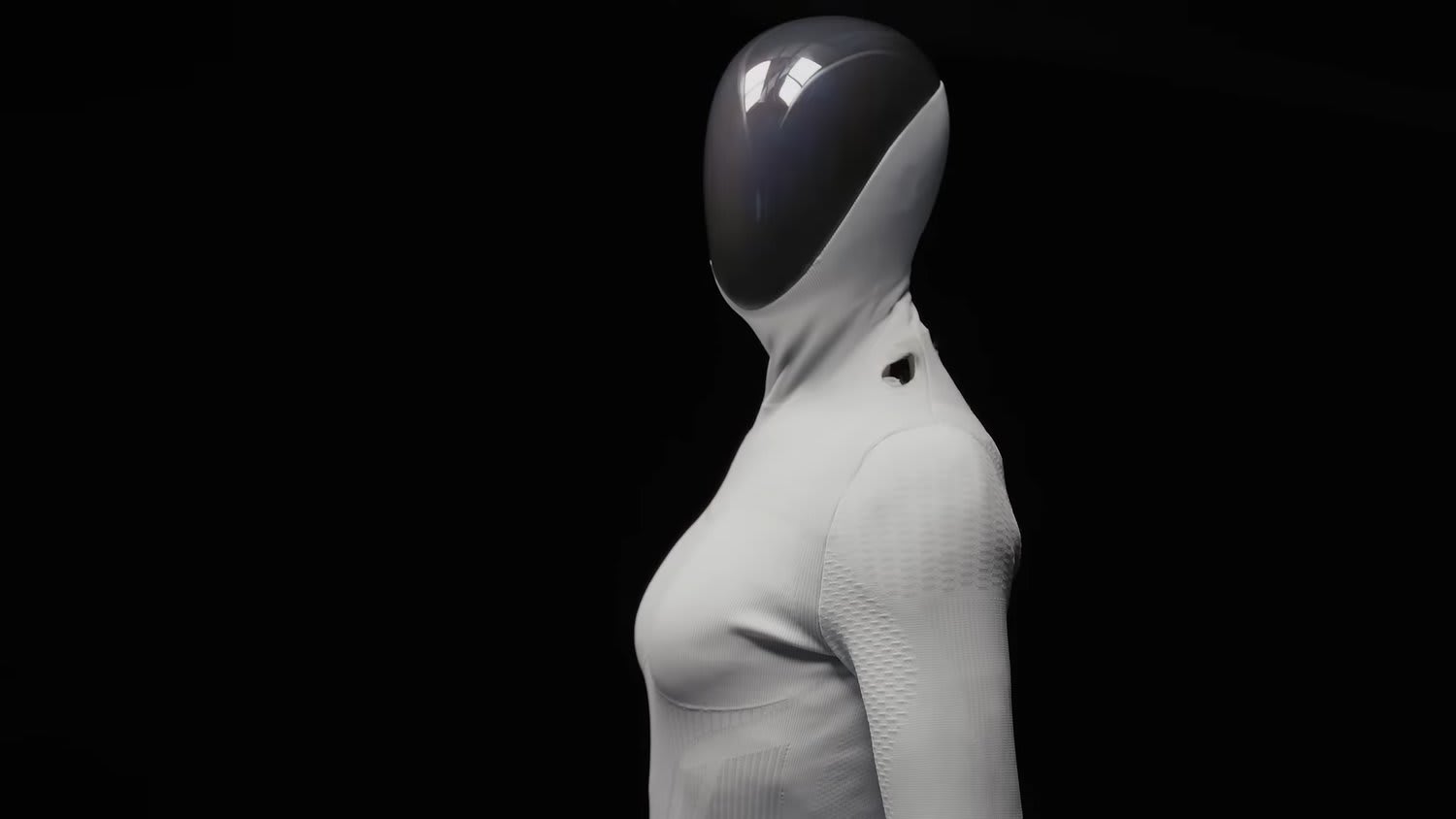
Next-Gen IRON redefines humanoid form with a spine mimicking human anatomy, bionic muscles for supple motion, and full-body flexible skin that enhances safe interactions. Customizable physiques, including male and female variants under 170 cm, allow tailored deployments. A head-mounted 3D curved display pairs with embedded sensors for expressive communication, while 22-DoF hands grasp fragile items like eggs or unscrew caps with pinpoint accuracy. This hardware synergy enables natural gestures that build trust in shared spaces, transforming robots from rigid tools into intuitive partners.
AI Compute Leap
Three Turing AI chips deliver 2250 TOPS, the industry's highest for humanoids, powering a second-generation Vision-Language-Action model for real-time dialogue, perception, and task execution. All-solid-state batteries slash weight by 30 percent while boosting energy density and safety, sustaining operations far longer than lithium rivals. This stack supports autonomous bipedal walking and adaptive decisions, drawing from XPeng's auto AI expertise to handle dynamic environments. Early tests show it iterating via cloud updates, evolving smarter weekly.
Deployment Horizons Expand
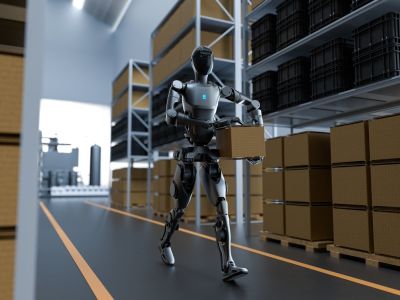
Initially targeting factories for assembly and inspection alongside Baosteel partners, Next-Gen IRON eyes retail guidance, warehouse sorting, and healthcare aid. Its 20 kg payload handles tools or packages delicately, while collaborative modes enable side-by-side work with humans. In EV lines, it streamlines precision tasks; in stores, it assists sales with conversational fluency. This versatility positions it as a commercial workhorse, prioritizing industrial reliability over home novelty to drive scalable adoption.
Interaction Skills Unleashed
Standing 178 cm and weighing 70 kg, Next-Gen IRON's bipedal mobility hits 7 km/h, letting it navigate crowds for extended customer guidance sessions fueled by a four-year battery life. RGB, stereo cameras, LiDAR, and ultrasonic arrays with IMU, gyroscope, force, temperature, and skin-embedded touch sensors enable dexterous human interactions, like handing precision instruments or sensing collaborative touches. Visual SLAM and indoor mapping power fluid paths, while force-limiting safety, collision avoidance, and emergency stops ensure gentle partnerships. Proprietary ROS2-based OS with Python/C++ APIs fosters research platforms for healthcare support or sales demos.
Rivals Face-Off
| Robot | Strengths over Next-Gen IRON | Next-Gen IRON Advantages | Weaknesses vs. Next-Gen IRON |
|---|---|---|---|
| X-Man F1 | Higher payload (35 kg) for heavy lifting | Superior AI compute (2250 TOPS) and battery life | Less dexterous hands (16 DoF) |
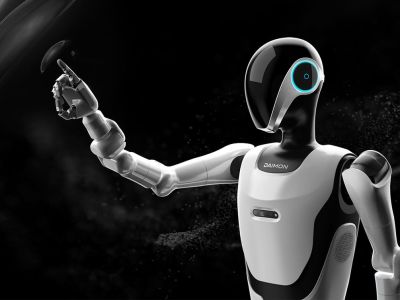
| Daimon One | Faster speed (8 km/h) in open areas | Automotive-grade build and solid-state safety | Bulkier frame limits tight-space agility |
| DR02 | Cheaper price point for quick scaling | Bionic skin/sensors for safer interactions | Shorter runtime (2 hours per charge) |
| Annie | Advanced facial expressions for retail | Mass-production readiness and 82 total DoF | Narrower sensor suite misses force feedback |
Explore Humanoids


Sources
Related Articles
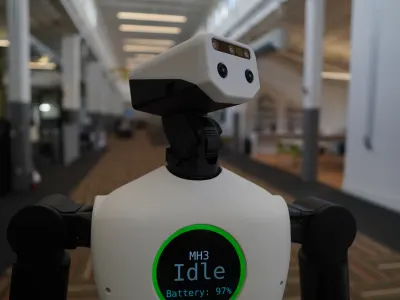
Mirsee's MH3 Redefines Hazmat Response with Precision Teleoperation and Extended Runtime
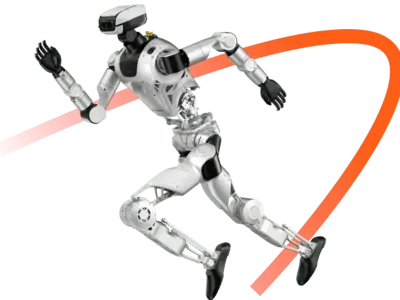
LimX Oli Powers Up with COSA OS Brain
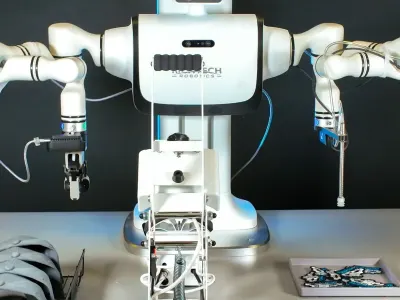
Richtech's Dex Humanoid Makes CES Debut, Targeting Industrial Deployments in 2026
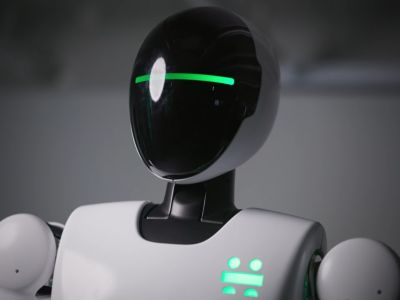
Friday Rolls Out: Wheeled Humanoid Masters 20-DoF Grasping
Related Comparisons
Compare Next-Gen IRON with similar robots

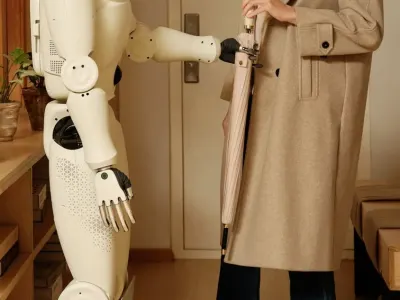
Next-Gen IRON vs Jupiter
Which humanoid robot is better? Next-Gen IRON vs Jupiter compared for dexterity, AI autonomy, payload, and industrial use cases.
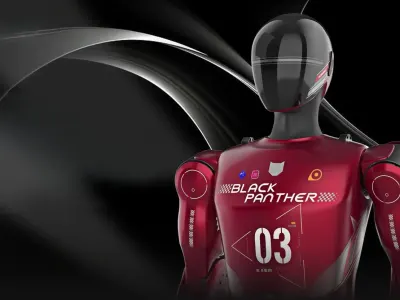
Next-Gen IRON vs Bolt
Compare Next-Gen IRON vs Bolt for humanoid mobility, dexterity, autonomy, and payload capacity in industrial and dynamic use cases.

Next-Gen IRON vs Moya
In-depth comparison of Next-Gen IRON by XPENG and Moya by DroidUp, covering hardware capabilities, teleoperation, and enterprise readiness.
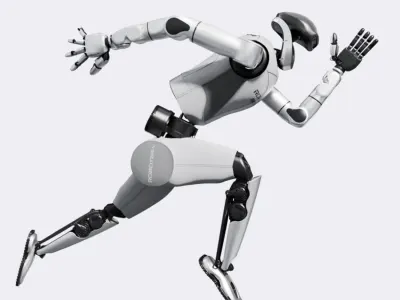
Robot Era L7 vs Next-Gen IRON
Head-to-head: L7 vs Next-Gen IRON. Explore differences in speed, sensors, navigation, and AI capabilities.
Learn More About This Robot
Discover detailed specifications, reviews, and comparisons for Next-Gen IRON.
View Robot Details →