MiPA Hits Market with Dishwasher Unloading, Health Monitoring Skills
Robot Details
MiPA • NEURA RoboticsPublished
March 23, 2026
Reading Time
2 min read
Author
Origin Of Bots Editorial Team
MiPA Reservations Open
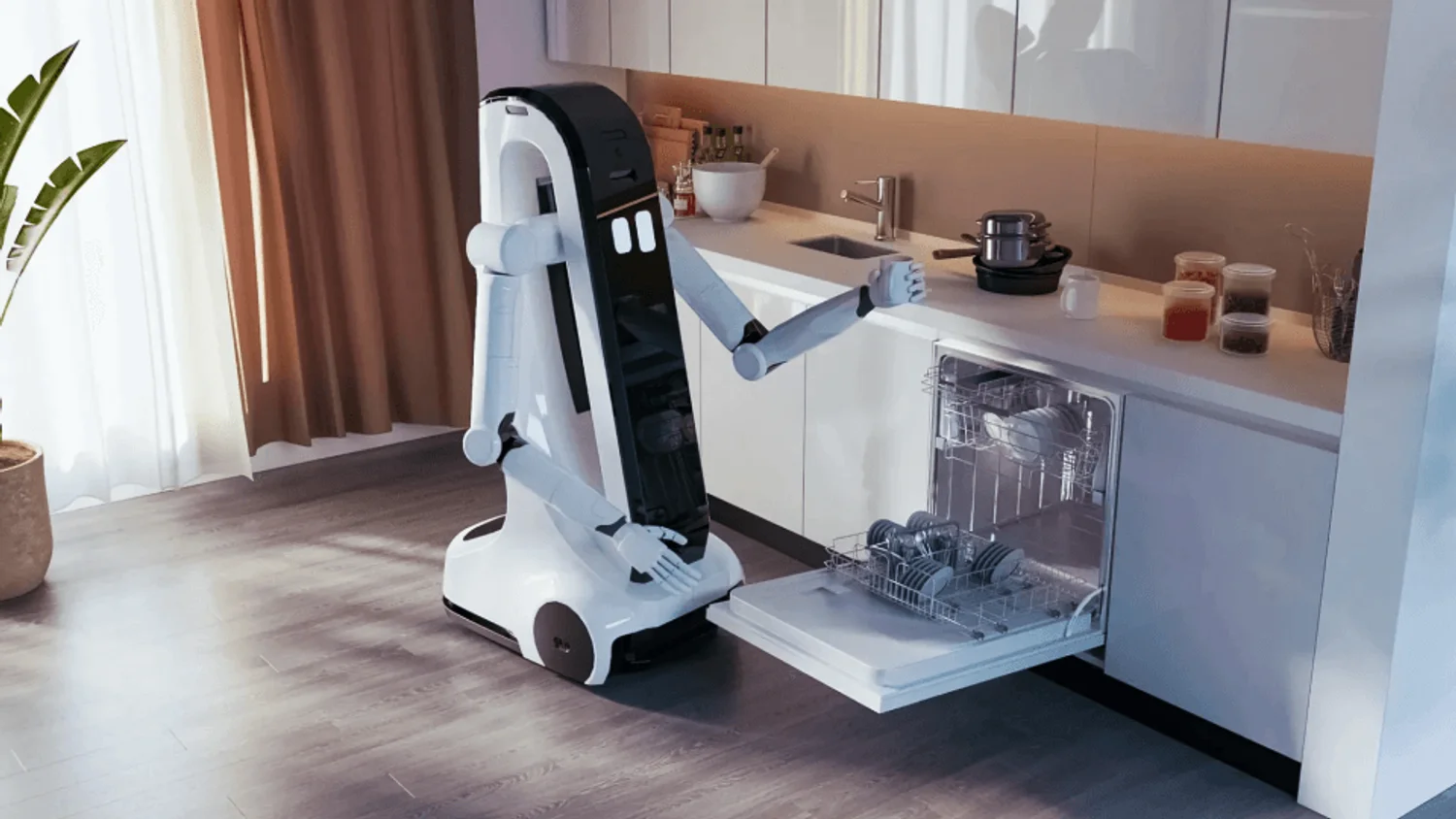
NEURA Robotics opens global reservations for its Gen3 MiPA humanoid, spotlighting recent demonstrations of dishwasher unloading and health monitoring prowess at CES 2026 in January. This rollout disrupts household drudgery by deploying a robot that empties dishwashers with precise arm dexterity while tracking vital signs through environmental sensors and voice cues. Families and caregivers gain a tireless ally, transforming chore-filled routines into seamless support. Demonstrated live in Las Vegas, MiPA's skills address labor shortages in homes and care settings, proving ready for everyday deployment as of early 2026.
Dexterity Redefines Chores
MiPA's dual fine-motor arms execute complex manipulations like stacking plates from dishwashers or fetching medications, blending gesture recognition with natural language commands for intuitive teamwork. Recent trials showcased its ability to monitor health by detecting anomalies in voice patterns or room humidity, alerting users proactively. This multimodal interaction fosters trust, as the robot reads subtle human cues via facial expressions and adapts on the fly. Developers leverage Neuraverse for custom skills, ensuring MiPA evolves with user needs in dynamic living spaces.
AI Core Powers Autonomy
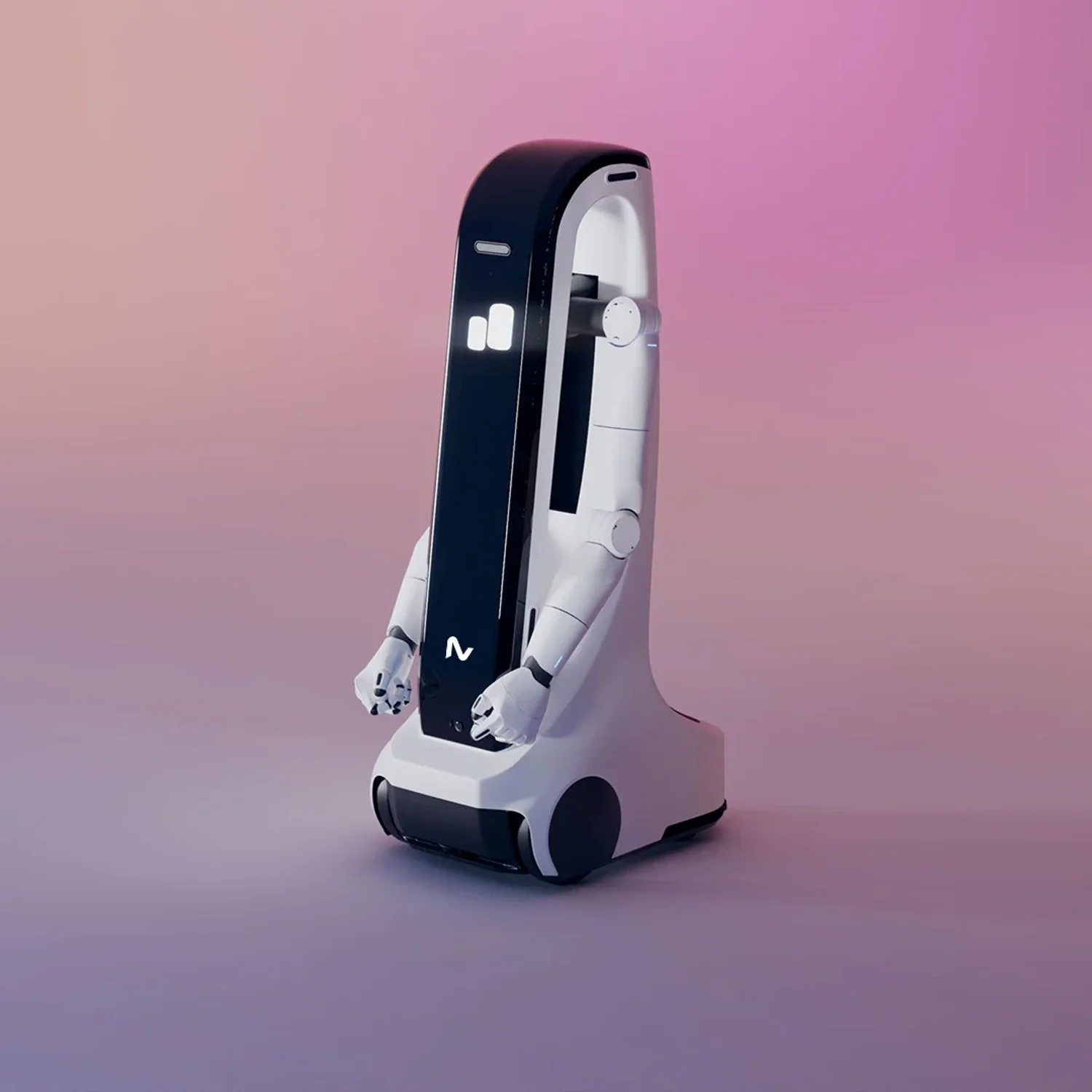
At MiPA's heart lies the AURA AI core, enabling independent environmental perception and decision-making for tasks like bed-changing in care facilities. Integrated with NVIDIA Isaac GR00T, it enhances reasoning for safe human collaboration, as proven in CES 2026 material-handling demos. Modular attachments, from hooks to shelves, allow instant reconfiguration, while Python APIs invite third-party innovations. This open platform disrupts rigid robotics, positioning MiPA as a scalable companion that learns from shared Neuraverse data across deployments.
Care Scenarios Transform Lives
In elderly care, MiPA lightens loads by delivering reminders, personal items, and health checks, reducing caregiver burnout as seen in recent European pilots. Workplace trials handle light logistics, like tool transport in retail, boosting efficiency without halting human workflows. Home users benefit from table-setting or vacuuming, freeing time for meaningful pursuits. Its wheeled base navigates tight indoors smoothly, supporting deployments in hotels, hospitals, and homes with minimal setup.
Skills Enable Human Harmony
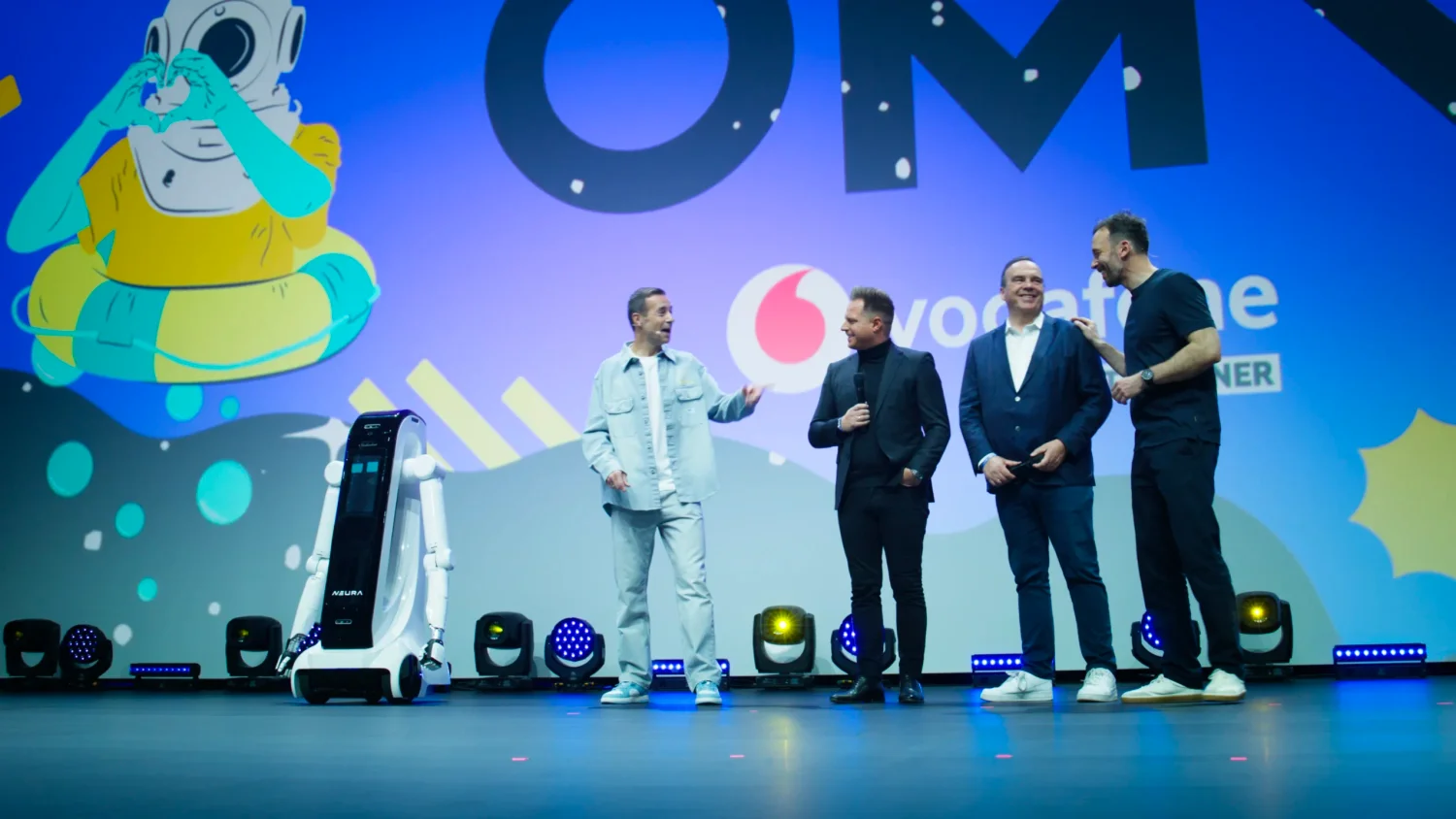
MiPA's 150 cm height and 56 kg frame deliver approachable dexterity, with omni-wheels hitting 1.5 m/s for fluid indoor pursuits like health chats or package handoffs. Neura Omnisensor's 360° LiDAR and RGB-D cameras fuel empathetic interactions, spotting gestures from afar, while wrist force-torque sensors ensure gentle touches during assistance. 3D microphones capture nuanced speech for monitoring vitals, backed by 3-5 year battery endurance for ongoing sessions. Linux-ROS software orchestrates SLAM navigation, empowering natural, prolonged human-robot bonds.
Rivals Faceoff Analysis
| Robot | Key Advantage | Where MiPA Wins | Target Use |
|---|---|---|---|
| Samsung Bot Handy 2 | Superior arm payload strength | Broader sensor fusion for health tasks | Kitchen automation |
| Zerith H1 | Faster gesture processing | Modular attachments for care versatility | Elderly monitoring |
| Memo | Compact voice interface | Autonomous SLAM for dynamic homes | Light household logistics |
| Mirokaï | Advanced facial recognition | Touchless safety in shared spaces | Workplace support |
Explore Humanoids
Related Articles
ALLEX Wows CES 2026 with 40N Handshake Demos, NVIDIA Talks
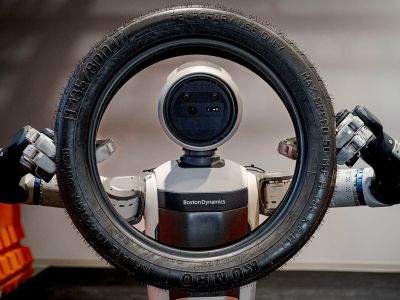
Atlas Production Sold Out for 2026 Hyundai Deployments
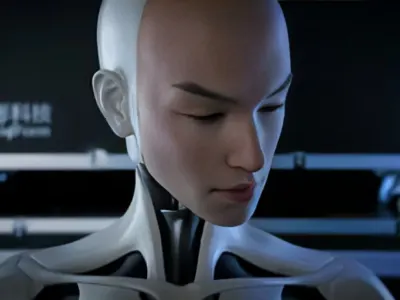
Origin M1 Half-Body Demonstrates Real-Time Head-Eye Coordination

Origin F1 Sings with Custom Skins in March 2026 Demo
Related Comparisons
Compare MiPA with similar robots
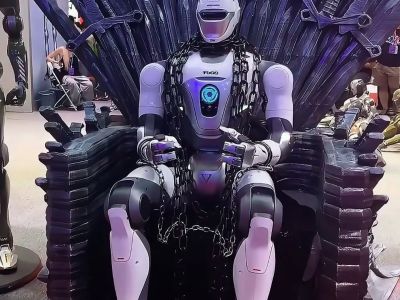
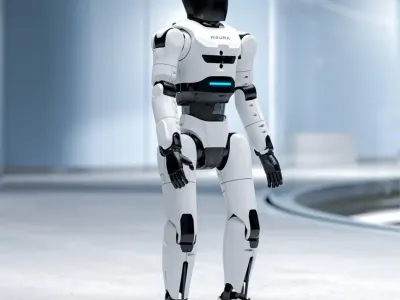
T800 vs 4NE-1 Mini
T800 or 4NE-1 Mini? See which humanoid robot performs better for manufacturing, logistics, and research with comparisons on dexterity, autonomy, and payload.

Optimus vs 4NE-1 Mini
Which humanoid robot is better? Optimus vs 4NE-1 Mini compared for dexterity, AI capabilities, payload, and industrial vs research use cases.
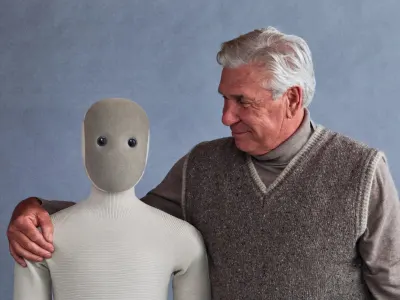
NEO Home Robot vs 4NE-1 Mini
Head-to-head: NEO Gamma vs 4NE-1 Mini compared on bipedal balance, AI learning, payload capacity, and real-world deployment for research and home use.
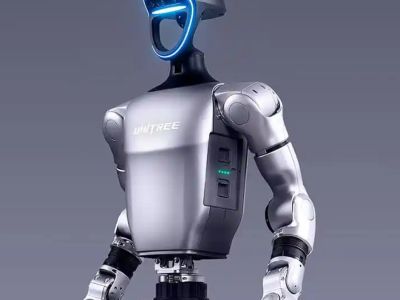
Optimus vs Unitree G1
Compare Optimus vs Unitree G1 for humanoid mobility, dexterity, autonomy, and payload capacity.
Learn More About This Robot
Discover detailed specifications, reviews, and comparisons for MiPA.
View Robot Details →