Robotera's L7 Masters 3-Meter Flips, Sword Dances and a recent RMB 1 billion funding boost in March 2026
Robot Details
L7 • Robot EraPublished
March 24, 2026
Reading Time
3 min read
Author
Origin Of Bots Editorial Team
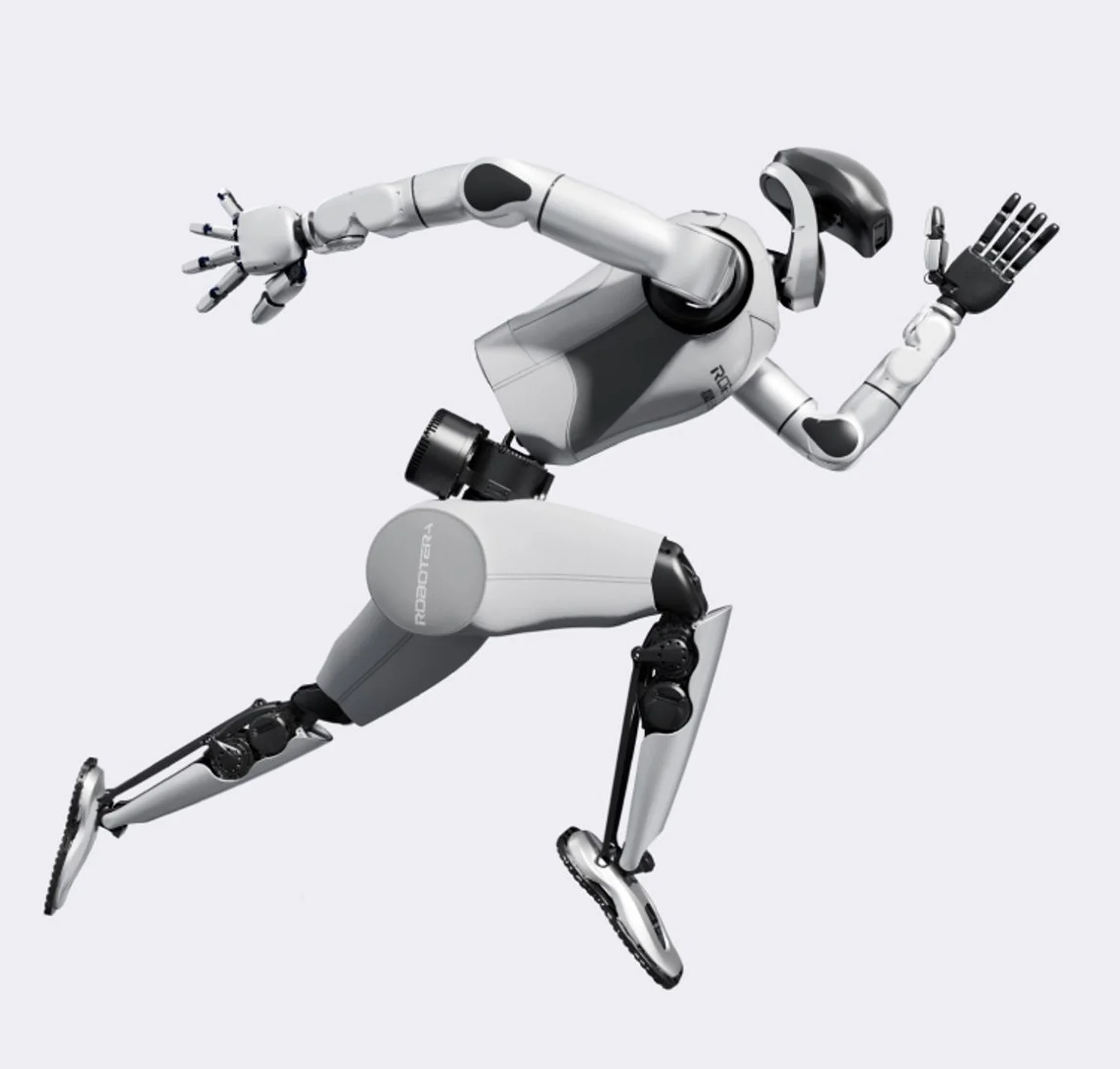
CES 2026 Stuns Crowds
Robot Era's L7 humanoid captivated CES 2026 attendees in January with flawless 3-meter flips and intricate sword dances, showcasing unprecedented bipedal agility that blends martial arts precision with robotic endurance. This high-profile demonstration, held amid buzzing expo halls, highlighted the robot's evolution from lab prototype to stage-ready performer, drawing gasps from engineers and investors alike. The performance underscored Robot Era's push to redefine humanoid capabilities, positioning the L7 as a frontrunner in dynamic motion control just months after securing RMB 1 billion in strategic funding in March 2026, which propelled its valuation past RMB 10 billion with backing from industry heavyweights.
Acrobatic Prowess Shines
The L7's CES routine featured explosive 360-degree spins, breakdancing sequences, and sword-wielding flourishes that demanded split-second balance recovery, all executed without a stumble. These feats stem from its "body plus brain" architecture, where embedded AI orchestrates full-body coordination for seamless transitions between explosive jumps and fluid arm gestures. Unlike static demos, the L7 sustained these maneuvers for extended sessions, mimicking human athletes in rhythm and recovery, which signals readiness for live entertainment or training simulations. This display disrupts perceptions of robots as rigid machines, proving they can thrive in unpredictable, crowd-facing environments.
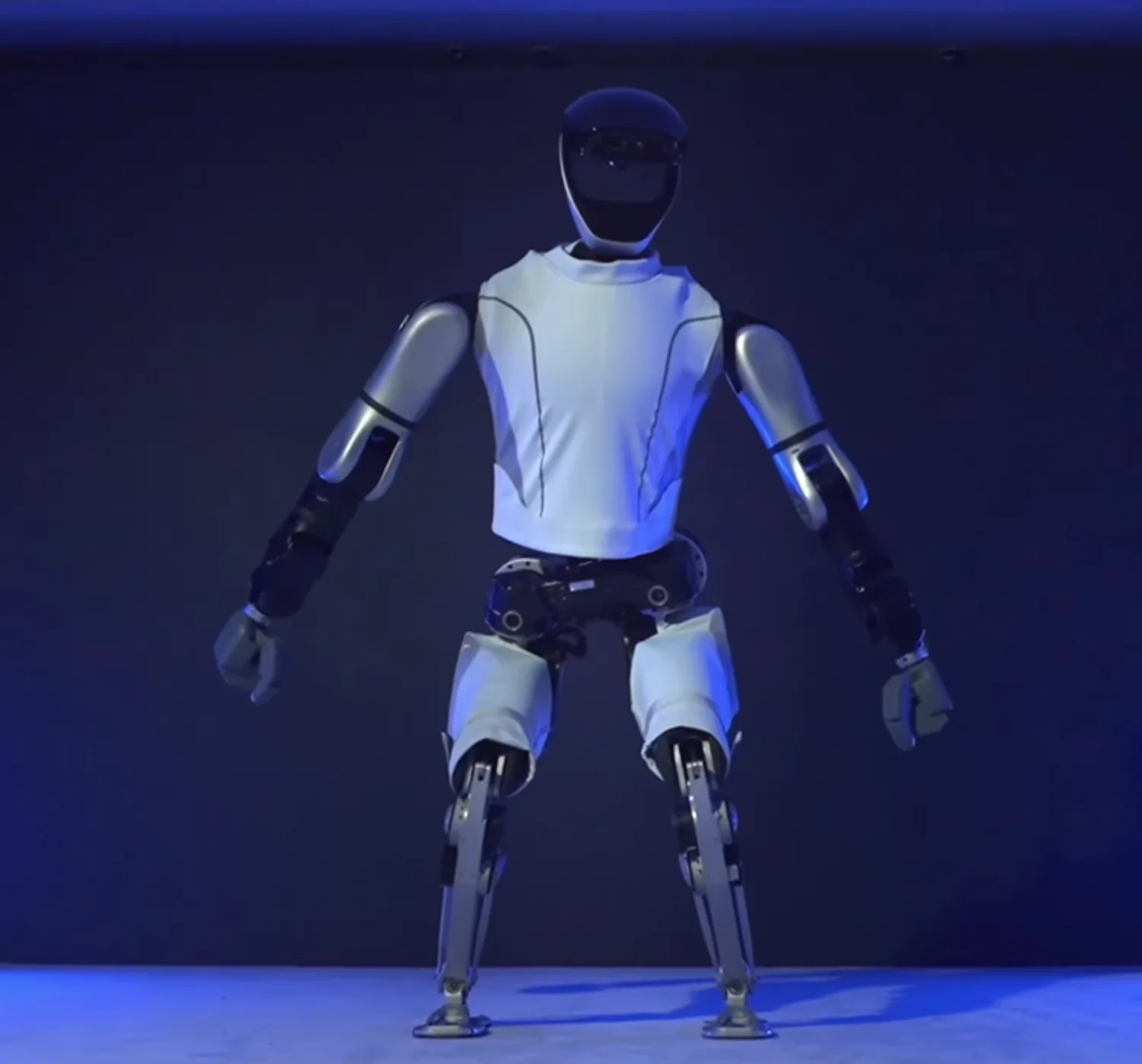
Balance Tech Transforms Motion
Engineering the L7's flips and dances required breakthroughs in joint torque reaching 400 Nm at 25 rad/s, enabling knee-driven leaps over 3 meters while arms counterbalanced mid-air. Multisensor fusion, including 360-degree panoramic RGB-D cameras and 3D LiDAR, feeds real-time data to the ERA-42 AI computer for instant environmental adaptation and stability. This setup achieves what prior models couldn't: simultaneous high-speed running at 14.4 km/h (9 mph) and dexterous handling, like precise sword grips. Robot Era's Tsinghua University roots shine through in this torque-limited, lightweight carbon fiber frame that prioritizes resilient, human-like recovery over brute force.
Beyond Stage to Factories
Post-CES trials in early 2026 deployed the L7 for logistics sorting and pharmaceutical packaging, where its dance-honed dexterity translated to gentle textile handling and screw-driving in tight spaces. Factories testing "goods-to-person" stations reported 20 kg dual-arm payloads moved with 12-DOF hands, cutting assembly times by streamlining workflows. These applications extend the robot's CES flair to pharmaceuticals, where delicate material transport demands the same precision as sword dances, and industrial research labs exploring embodied AI. Robot Era partners with manufacturers to scale these deployments, transforming entertainment skills into productivity gains.
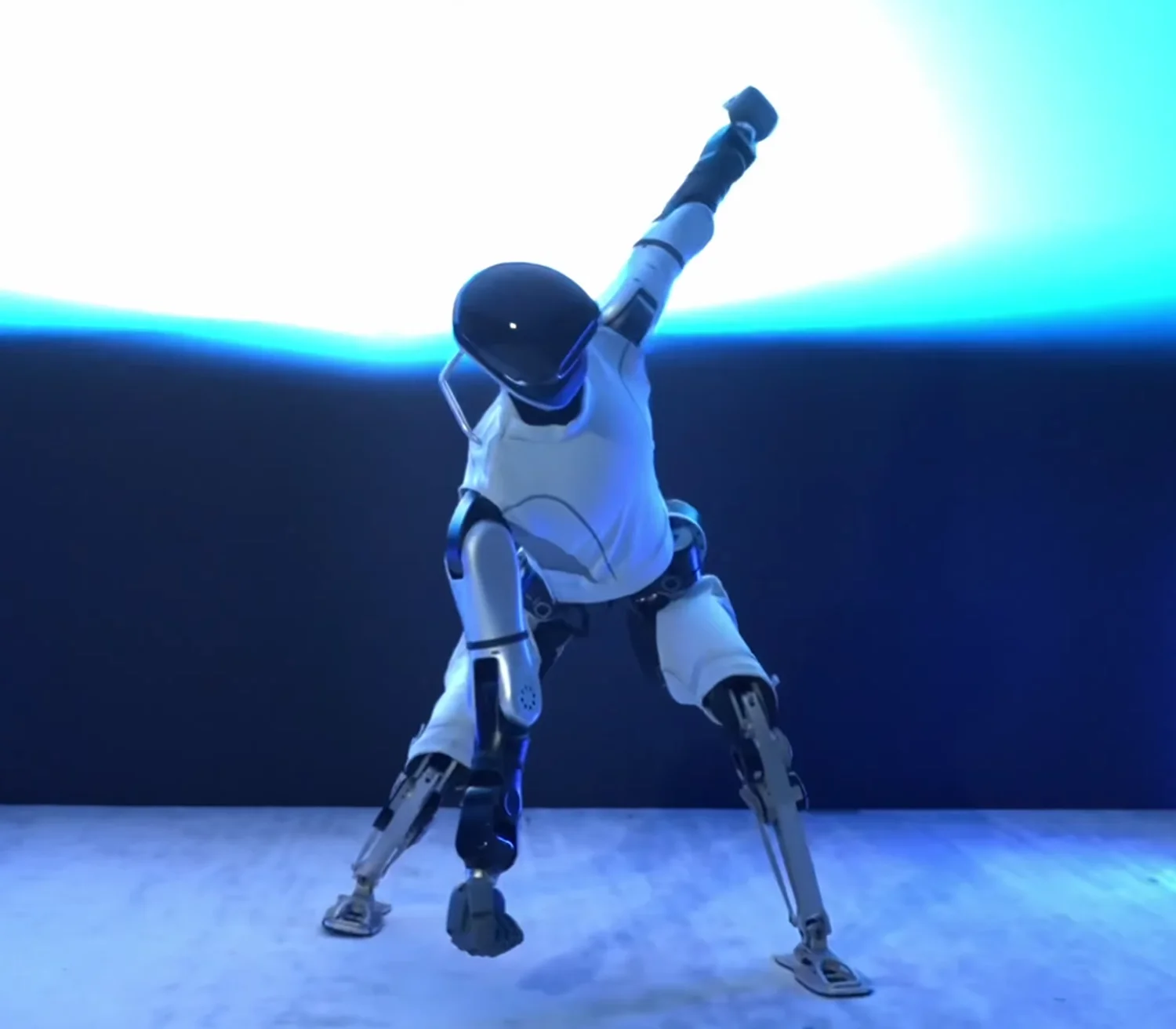
Skill-Enabling Hardware Core
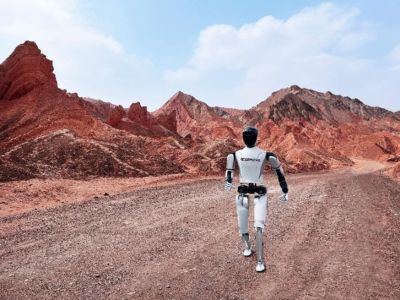
The L7's 171 x 50 x 40 cm frame, at 65 kg, empowers human-centric interactions through bipedal mobility up to 14.4 km/h (4 m/s), letting it navigate crowded spaces like a colleague during extended 3-5 year battery cycles. Panoramic binocular RGB-D cameras with 360° FOV, paired with 3D LiDAR and 6-axis IMU, enable dexterous object recognition for sword-like manipulations or gentle package grasps. Multi-sensor SLAM navigation supports voice interactions via microphone arrays and speakers, while torque-limited joints ensure safe, collaborative assembly. Custom AI on the ERA-42 computer, likely ROS-integrated, drives natural running and industrial sorting, fostering seamless human-robot teamwork.
Rivals Edge Comparison
| Robot | Key Advantage | Where L7 Wins | Target Use |
|---|---|---|---|
| VR-H3 | Superior arm torque | Faster bipedal flips (3m) | Heavy industrial lifts |
| Dex | Precision hand grip | Dynamic sword dances, balance | Lab dexterity research |
| P-73 | Compact frame mobility | 14.4 km/h running endurance | Warehouse navigation |
| Martian | AI learning speed | 360° sensor fusion for stunts | Entertainment demos |
Explore Humanoids
Sources
Related Articles

Origin M1 Half-Body Demonstrates Real-Time Head-Eye Coordination

Origin F1 Sings with Custom Skins in March 2026 Demo
MiPA Hits Market with Dishwasher Unloading, Health Monitoring Skills
Unitree H1 Completes Airflare with Seven Rotations at Spring Festival Gala
Related Comparisons
Compare L7 with similar robots
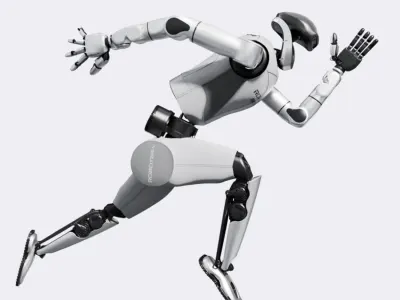
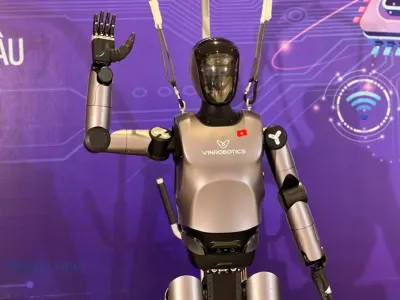
L7 vs VR-H3
Compare L7 by Robot Era vs VR-H3 by VinRobotics for humanoid mobility, dexterity, autonomy, and payload capacity in industrial applications.
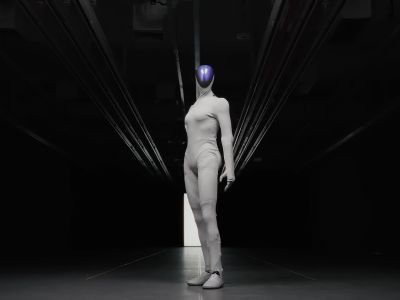
L7 vs Next‑Gen IRON
Head-to-head: L7 vs Next-Gen IRON. Explore differences in speed, sensors, navigation, and AI capabilities.
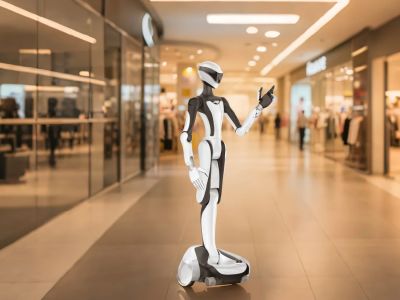
L7 vs Q5
L7 or Q5? Compare specs, navigation, battery, and sensors.
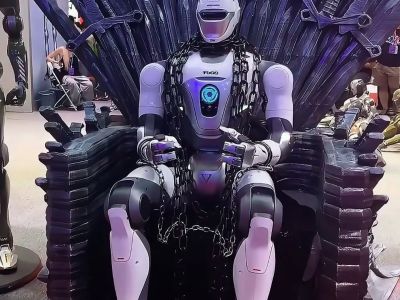
L7 vs T800
In-depth comparison of L7 by Robot Era and T800 by EngineAI. Analyze speed, sensors, navigation, and battery performance.
Learn More About This Robot
Discover detailed specifications, reviews, and comparisons for L7.
View Robot Details →