Unitree H1 Completes Airflare with Seven Rotations at Spring Festival Gala
Robot Details
Unitree H1 • Unitree RoboticsPublished
March 23, 2026
Reading Time
3 min read
Author
Origin Of Bots Editorial Team
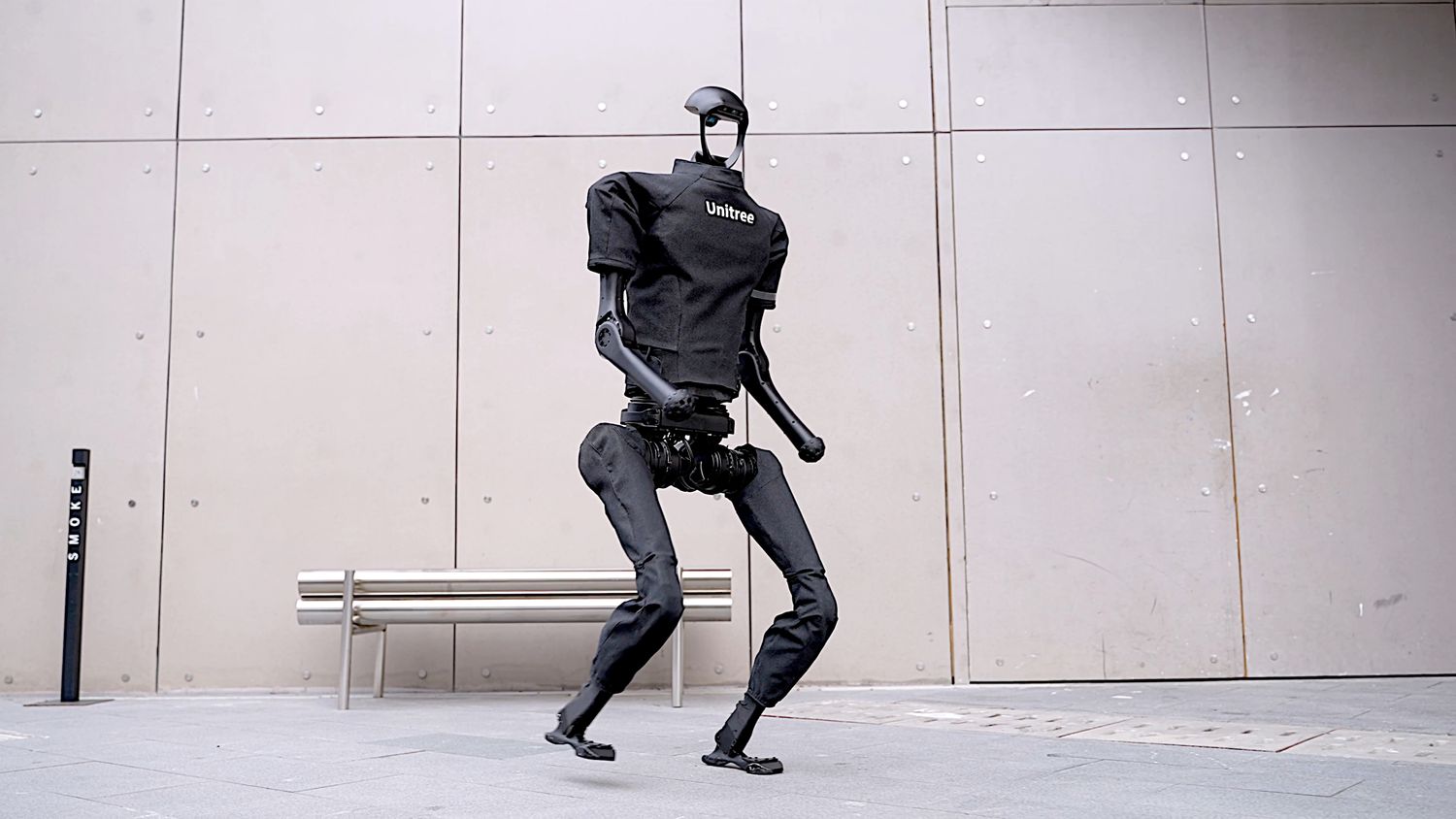
Gala's Jaw-Dropping Feat
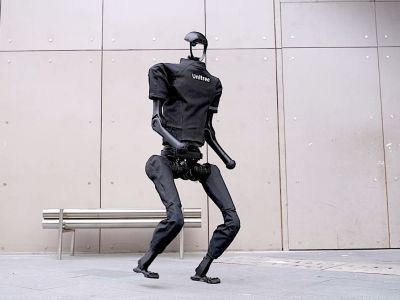
Unitree Robotics' H1 humanoid robot captivated millions during the 2025 Spring Festival Gala on China Central Television, executing a flawless airflare maneuver with seven full rotations mid-air before landing steadily on its feet. This live demonstration, broadcast on February 13, 2025, showcased the robot's unprecedented athleticism in a high-stakes entertainment setting, blending cutting-edge engineering with cultural spectacle. Attendees and viewers marveled as H1 transformed a traditional gymnastics move into a robotics milestone, signaling rapid progress toward human-like performance in public arenas. The event highlighted Unitree's push to deploy humanoids beyond labs into dynamic, real-time environments.
Acrobatic Mastery Unleashed
H1's airflare achievement stems from refined reinforcement learning algorithms that enable split-second aerial control and precise body orientation. During the gala, the robot demonstrated split-second torque adjustments to complete seven rotations at over 3.3 m/s equivalent dynamic speeds, far surpassing earlier demos. This capability disrupts conventional humanoid limits, allowing fluid interactions like dance routines or emergency rescues where balance recovery proves critical. Unitree engineers optimized gait planning for such explosive maneuvers, positioning H1 as a pioneer in expressive, crowd-engaging robotics that fosters human-robot collaboration in entertainment and beyond.
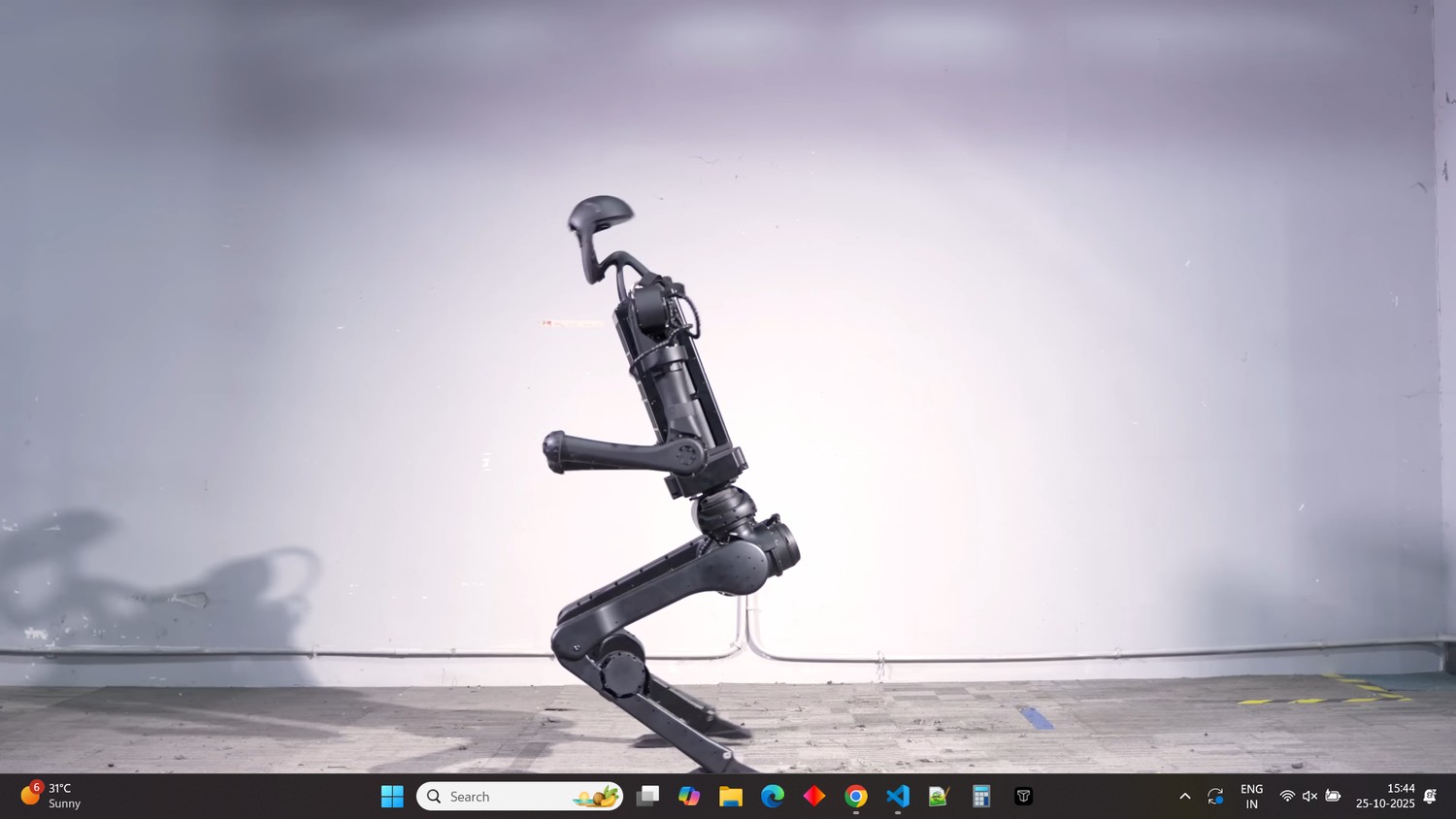
Torque Power Redefined
Engineers at Unitree achieved breakthroughs in joint actuation, delivering 360 N.m knee torque and 189 N.m/kg peak density, which powered H1's gala rotation sequence without hydraulic bulk. Bipedal algorithms integrated inertial data for mid-flip corrections, recovering from simulated perturbations in milliseconds. This advance revolutionizes stability in unstructured settings, from stage performances to disaster zones, where H1 maintains upright posture amid chaos. Recent trials in early 2025 validated these enhancements, proving electric motors can rival human gymnasts in rotational power and landing precision.
Beyond Stage Spotlight
Post-gala deployments position H1 for assistive roles in elderly care facilities and interactive museums, where its gala-proven dexterity handles object passing or guided tours with natural poise. Trials in Shanghai warehouses during March 2025 showed H1 sorting packages mid-stride, mimicking human efficiency. In education, it partners with researchers for hands-on AI training, demonstrating adaptive learning from gala-like improvisations. These applications transform humanoid potential from novelty to practical aid, enhancing daily human workflows with reliable, rotation-capable mobility.
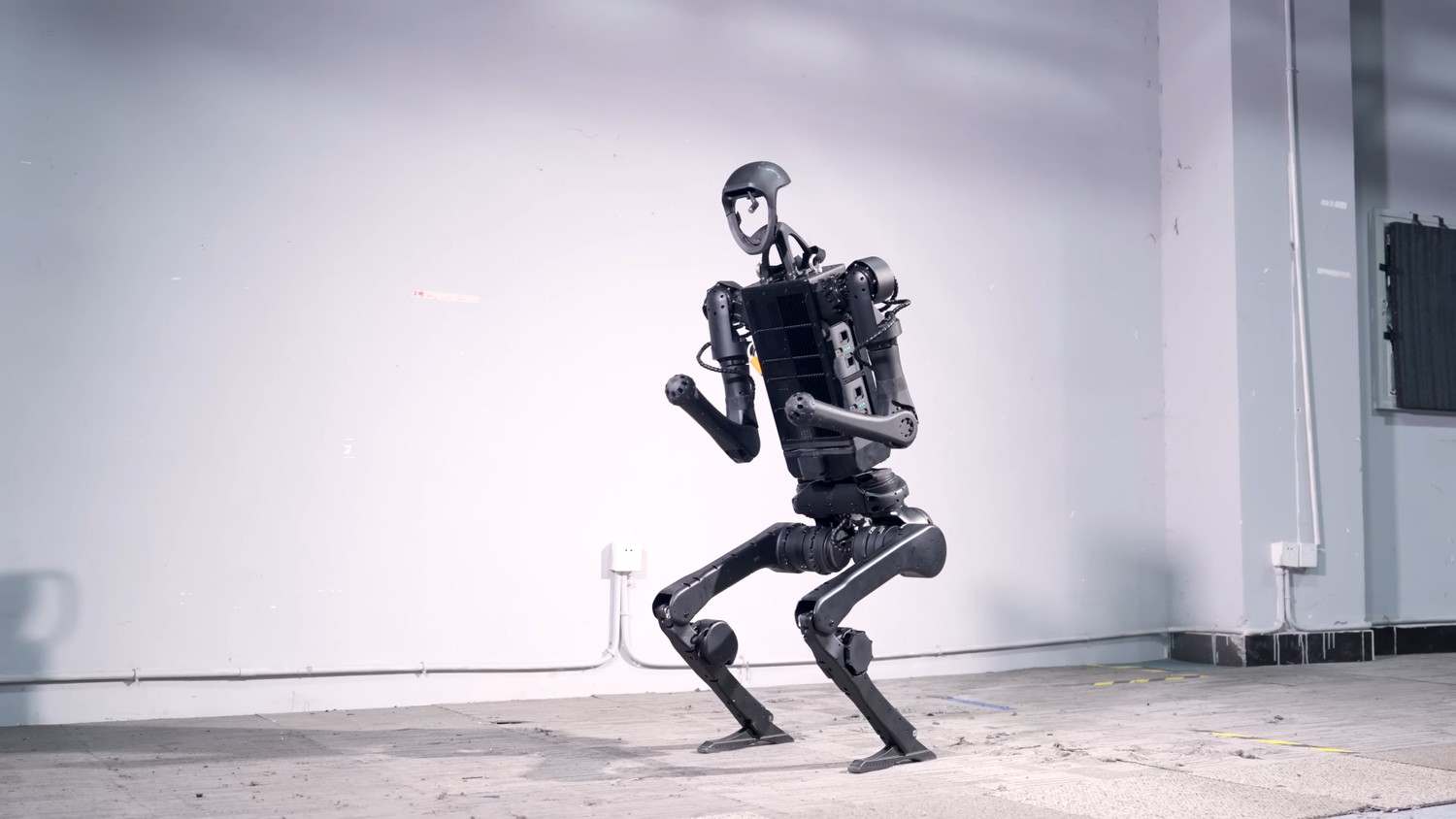
Skill-Enabling Tech Stack
H1's 180 cm height, 57 cm width, and 22 cm thickness frame bipedal locomotion for seamless human-scale interactions, like collaborative tasks or emotional gesturing. Sensors including 3D LiDAR, Intel RealSense D435i depth camera, IMU, joint encoders, and force sensors fuel dexterous manipulation and fall detection with self-braking, enabling safe play with children or dancers. 3D LiDAR-based SLAM and inertial navigation support prolonged engagement sessions backed by lithium-ion batteries lasting 3-5 years. ROS-based software with Linux kernel and C++/Python APIs empowers developers to script human-centric skills, such as tool handling or package delivery, while speeds over 3.3 m/s (potentially 5 m/s) and safety features like obstacle avoidance drive agile assistance.
Rivals Edge Check
| Robot | Key Advantage | Where Unitree H1 Wins | Target Use |
|---|---|---|---|
| DR01 | Superior arm payload capacity | Unmatched knee torque for aerial feats | Industrial heavy lifting |
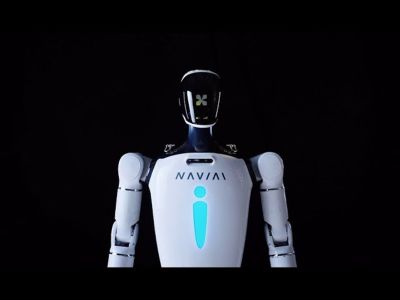
| NAVAI Navigator 2 | Advanced multi-modal sensing | Faster bipedal speed in dynamic spaces | Indoor navigation trials |
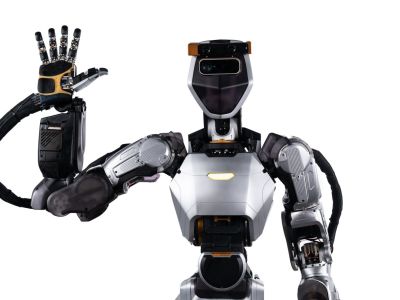
| Phoenix | Compact form for tight spaces | Higher rotation stability in demos | Research lab simulations |
| Figure 02 | AI-driven task learning | Proven live performance under pressure | Entertainment deployments |
Explore Humanoids
Sources
Related Articles
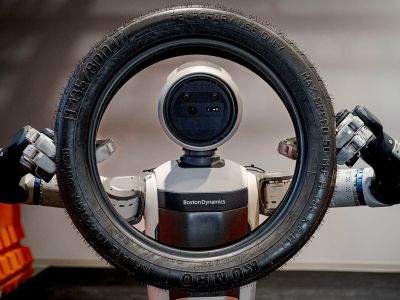
Atlas Production Sold Out for 2026 Hyundai Deployments
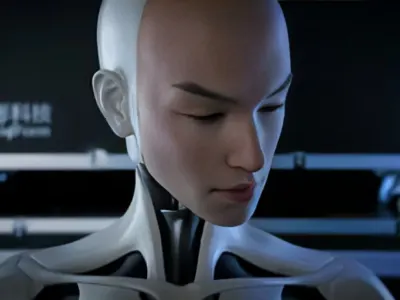
Origin M1 Half-Body Demonstrates Real-Time Head-Eye Coordination
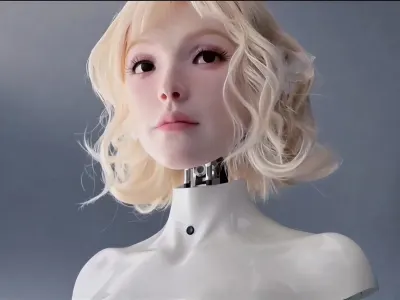
Origin F1 Sings with Custom Skins in March 2026 Demo
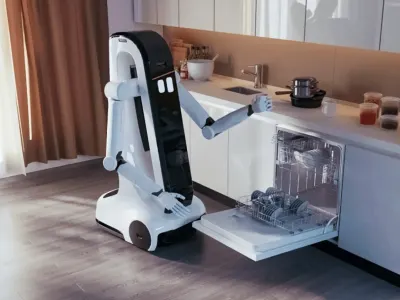
MiPA Hits Market with Dishwasher Unloading, Health Monitoring Skills
Related Comparisons
Compare Unitree H1 with similar robots
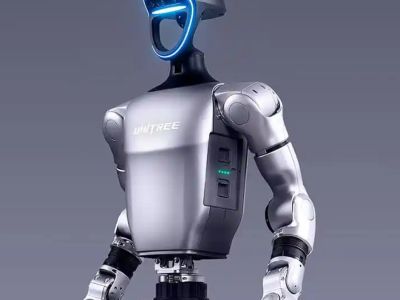
Unitree G1 vs Unitree H1
Head-to-head: Unitree G1 vs Unitree H1 compared on bipedal balance, AI learning, and real-world deployment.

Optimus vs Unitree G1
Compare Optimus vs Unitree G1 for humanoid mobility, dexterity, autonomy, and payload capacity.
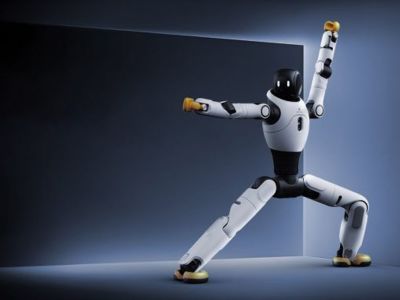
Unitree G1 vs AgiBot X2-N
Compare Unitree G1 vs AgiBot X2 for humanoid mobility, dexterity, autonomy, and payload capacity.
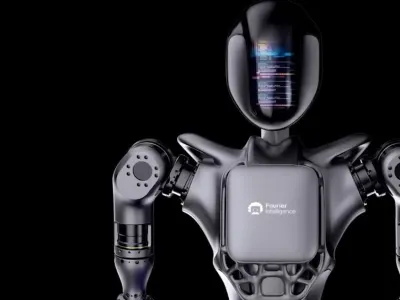
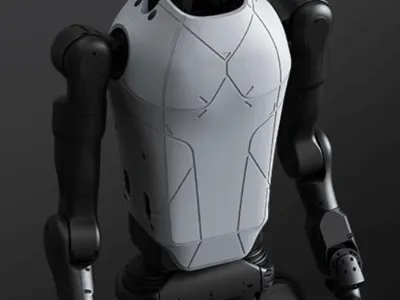
GR-1 vs Unitree H1-2
Head-to-head: GR-1 vs Unitree H1-2 compared on bipedal balance, AI learning, and real-world deployment for research and care.
Learn More About This Robot
Discover detailed specifications, reviews, and comparisons for Unitree H1.
View Robot Details →