Rokae Delivers Its 10,000th Humanoid Robot Arm, With Five Helios Humanoids Already Working at Schaeffler
Robot Details
HELIOS • Orbit RoboticsPublished
October 26, 2026
Reading Time
4 min read
Author
Origin Of Bots Editorial Team
Ten Thousand Arms and Counting
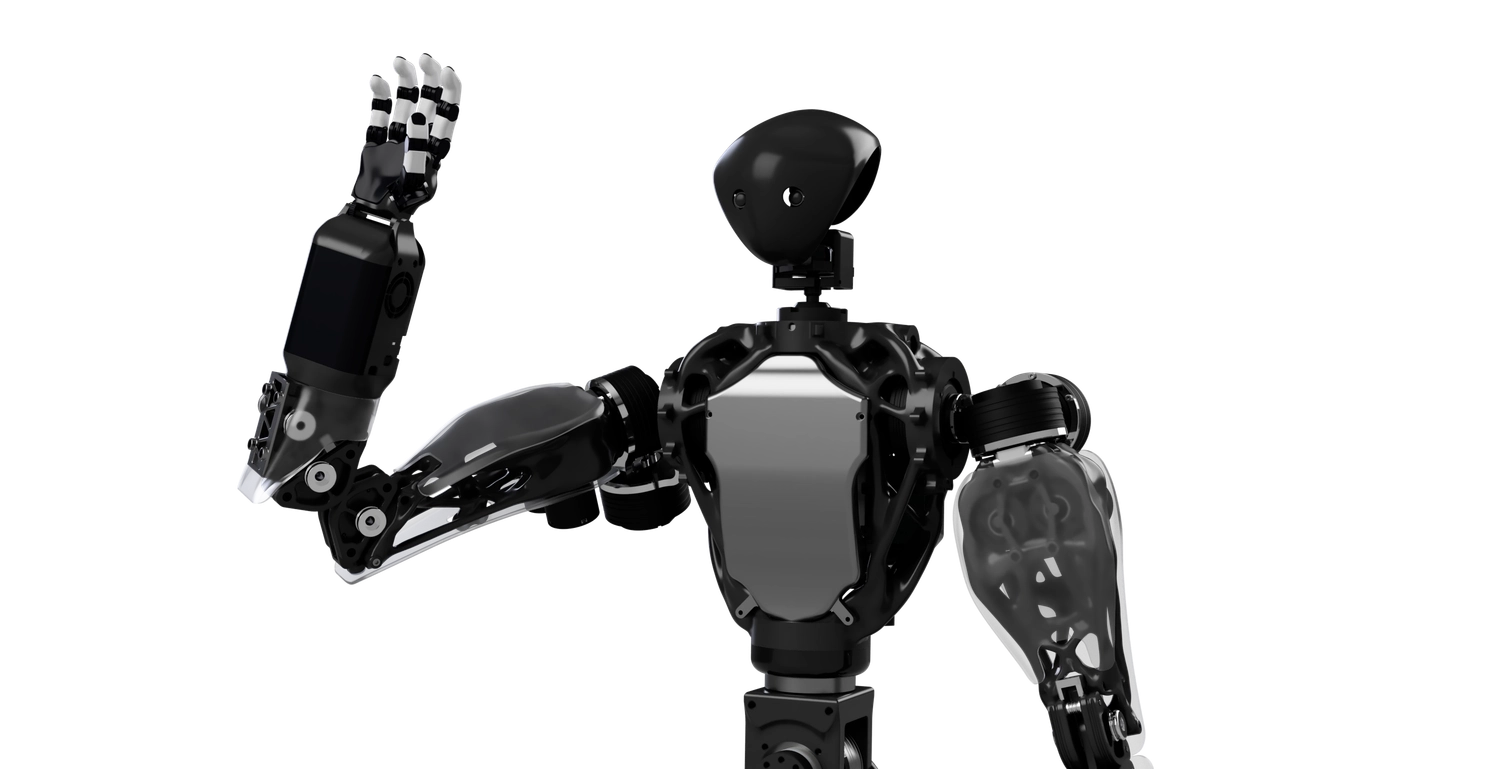
Chinese robotics company Rokae says it has delivered its 10,000th force-controlled arm built for humanoid robots. The unit came off the production line at the company's manufacturing base in Shandong Province in September, and Rokae announced the milestone on October 26.
The number matters because humanoid robots are often judged by demos rather than deliveries. Ten thousand arms is a company claim, but it points to something rarer in the field: a part being built, shipped and used in volume, not just shown on a stage.
What Makes an Arm Force-Controlled
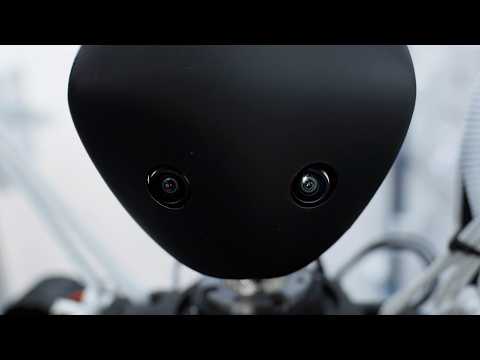
Most factory robot arms follow a programmed path and push through whatever is in the way. A force-controlled arm can feel how hard it is pressing, much as your hand senses the difference between holding an egg and holding a hammer.
Rokae's AR Series arms offer this kind of control at every joint, according to the company. That lets a robot adjust its grip or push in real time, which matters for delicate jobs such as fitting a part into a tight slot.
The Small Box That Runs the Show
Behind each arm sits a controller, the electronic brain that tells the motors what to do. Rokae's MAC controller measures 213 by 145.5 by 45 millimetres, roughly the size of a large paperback book.
Depending on configuration, one controller can run seven joints in a single arm, 14 joints across a pair, or more than 20 joints in a full humanoid. Packing that much control into one compact unit is what makes the design easier to fit inside a robot's body.
Humanoids Building Humanoid Parts
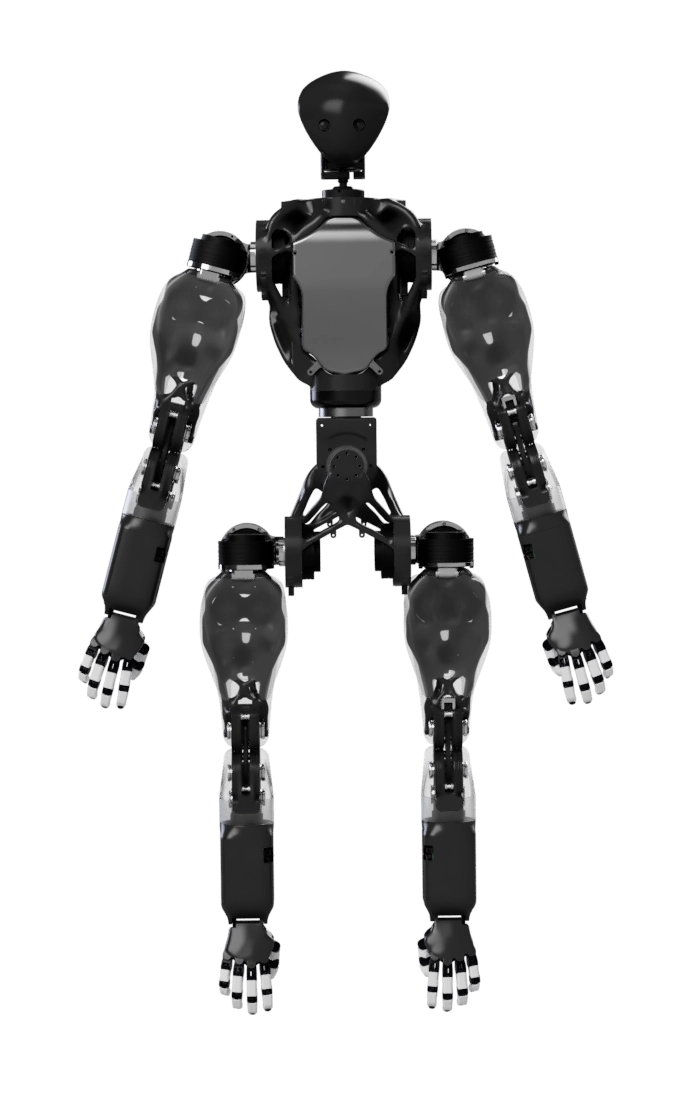
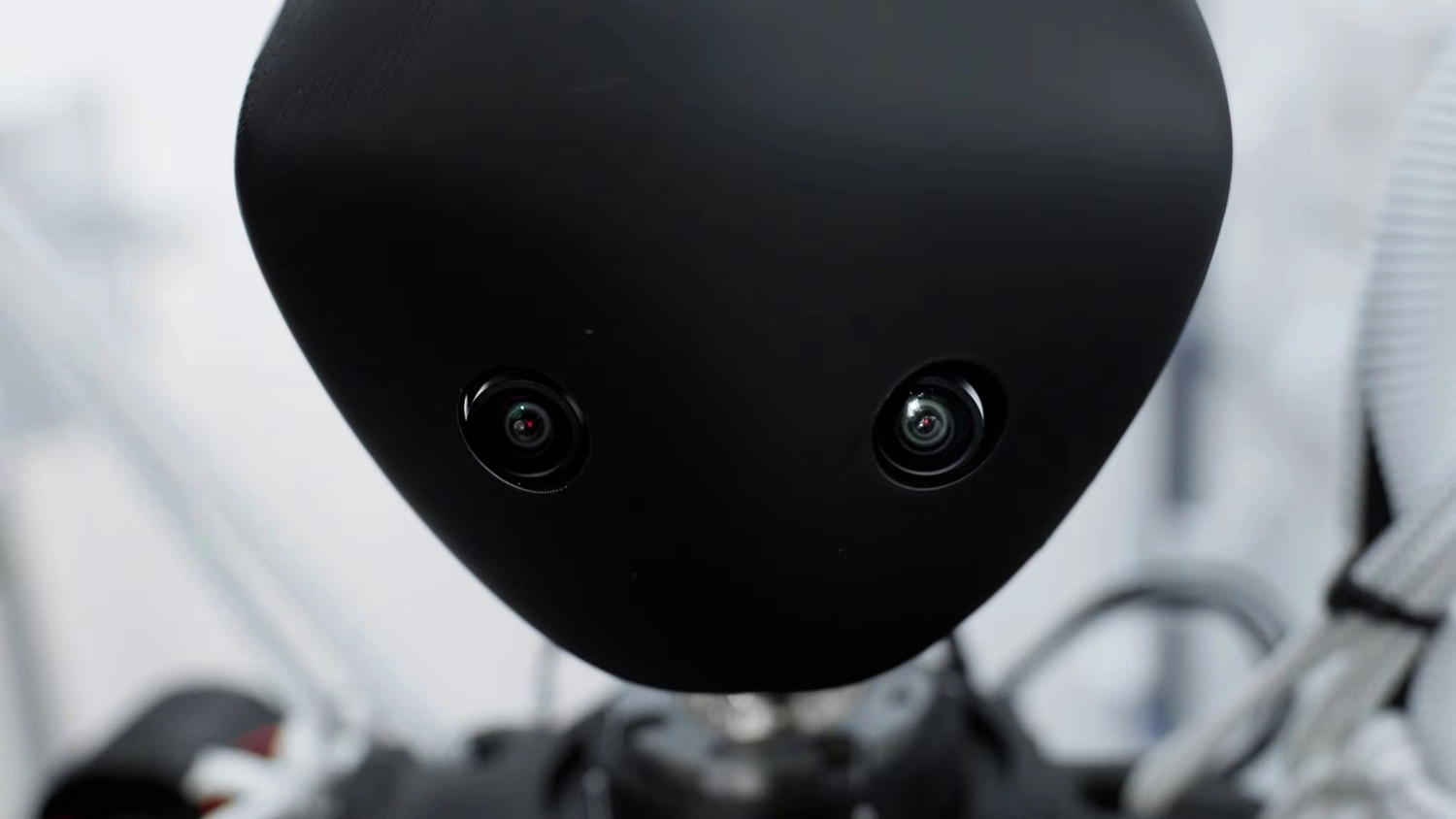
The clearest proof point is at Schaeffler's lighthouse factory in Taicang, China, where five Rokae Helios wheeled humanoid robots are at work. Each carries AR Series arms, and together they handle parts, assembly and inspection on a line that makes components for humanoid robots.
A lighthouse factory is a plant a company uses to showcase its most advanced methods. Having robots help build parts for other robots is a small but telling step, and it shows Rokae's hardware being used in a working production setting rather than a lab.
Wheels Instead of Legs
The Helios is a wheeled humanoid: a human-like upper body with two arms, mounted on a rolling base rather than walking legs. Wheels are simpler, steadier and cheaper than legs, and most factory floors are flat anyway.
That trade-off reflects where the industry is heading in the near term. Many early commercial humanoids are built less for walking down stairs and more for doing useful work with their hands, which is exactly where Rokae's arms come in.
A Decade of Learning to Feel
Rokae was founded in 2014 and builds industrial, collaborative and embodied-intelligence robots. The company says it has spent more than a decade developing force-control technology, and it lists more than 1,000 enterprise customers in over 40 countries and regions.
Its humanoid line is only part of that business. The 10,000 figure covers just the humanoid force-controlled arm line, not its industrial or collaborative robots, so it should not be read as total company shipments.

Eighty Partners and a Lot of Trust
Rokae says more than 80 industrial partners have built its arms into production applications. Many humanoid makers design their own bodies but buy specialised parts, and a supplier like this can quietly sit inside many different robots.
Founder and CEO Tuo Hua framed the milestone modestly. In the company's words, the number itself matters less than the trust behind it, a nod to how much factories need parts that work reliably, shift after shift.
What Is Still Unproven
The figures come from Rokae itself, and the company did not publish details such as pricing, failure rates or how many arms are actually running in daily production. Five humanoids at one factory is also a small deployment next to the headline number.
Still, the milestone is a useful marker. Rokae also sells HSA Series force-controlled joints and an embodied AI control system called iNex, and the next test will be whether partners order these in larger batches and keep the robots working on real lines.
Explore Humanoids
Sources
Related Articles
Related Comparisons
Compare HELIOS with similar robots
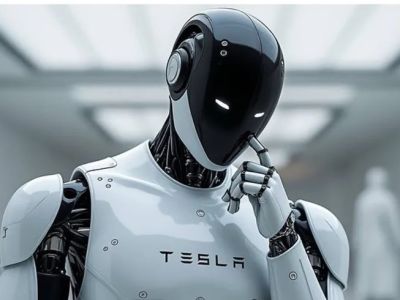
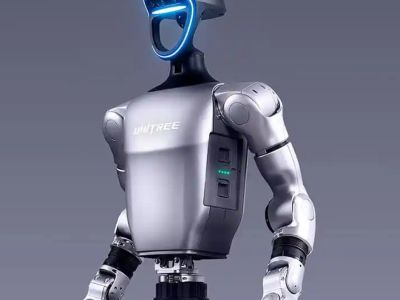
Optimus vs Unitree G1
Compare Optimus vs Unitree G1 for humanoid mobility, dexterity, autonomy, and payload capacity.
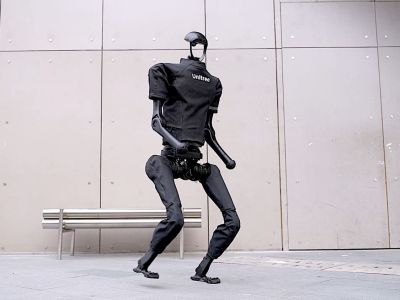
Unitree G1 vs Unitree H1
Head-to-head: Unitree G1 vs Unitree H1 compared on bipedal balance, AI learning, and real-world deployment.
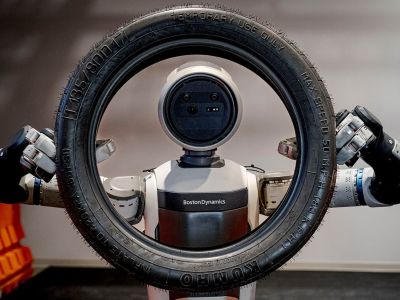
Optimus vs Atlas (Electric 2025)
In-depth comparison of Optimus and Atlas (Electric Atlas, 2025), covering hardware capabilities, teleoperation, and enterprise readiness.
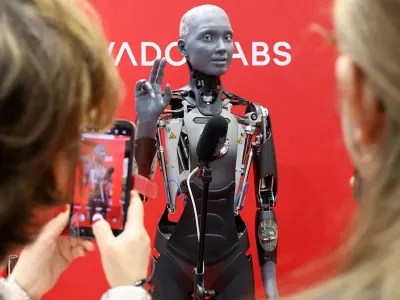

Ameca vs Moya
Which humanoid robot is better? Ameca vs Moya compared for dexterity, AI capabilities, and price.
Learn More About This Robot
Discover detailed specifications, reviews, and comparisons for HELIOS.
View Robot Details →