UBTECH Walker S3 Debuts as the First Humanoid Built to Rappel Down a Wall
Robot Details
Walker S3 • UBTECH RoboticsPublished
November 26, 2026
Reading Time
4 min read
Author
Origin Of Bots Editorial Team
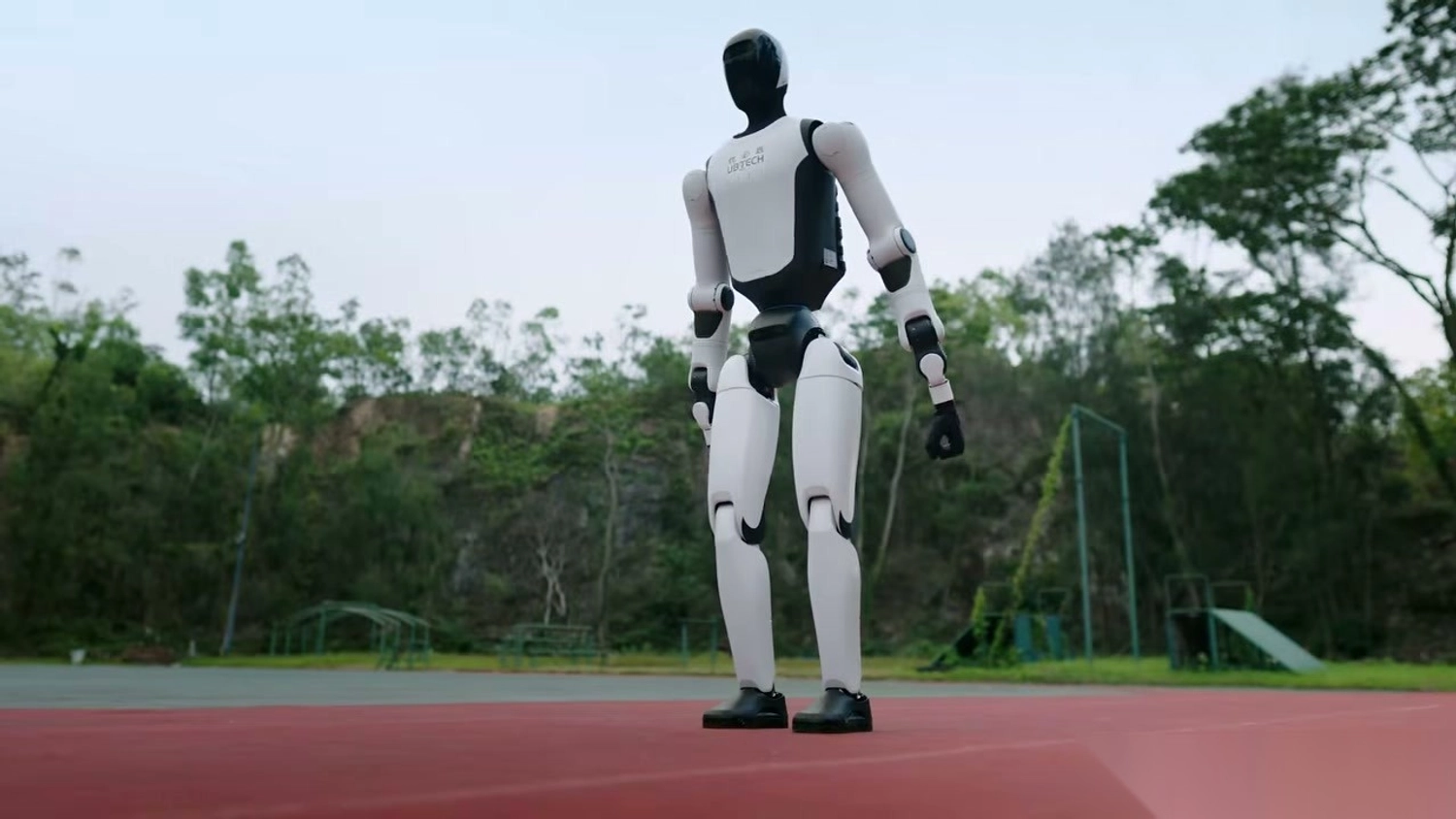
A New Walker Steps Out
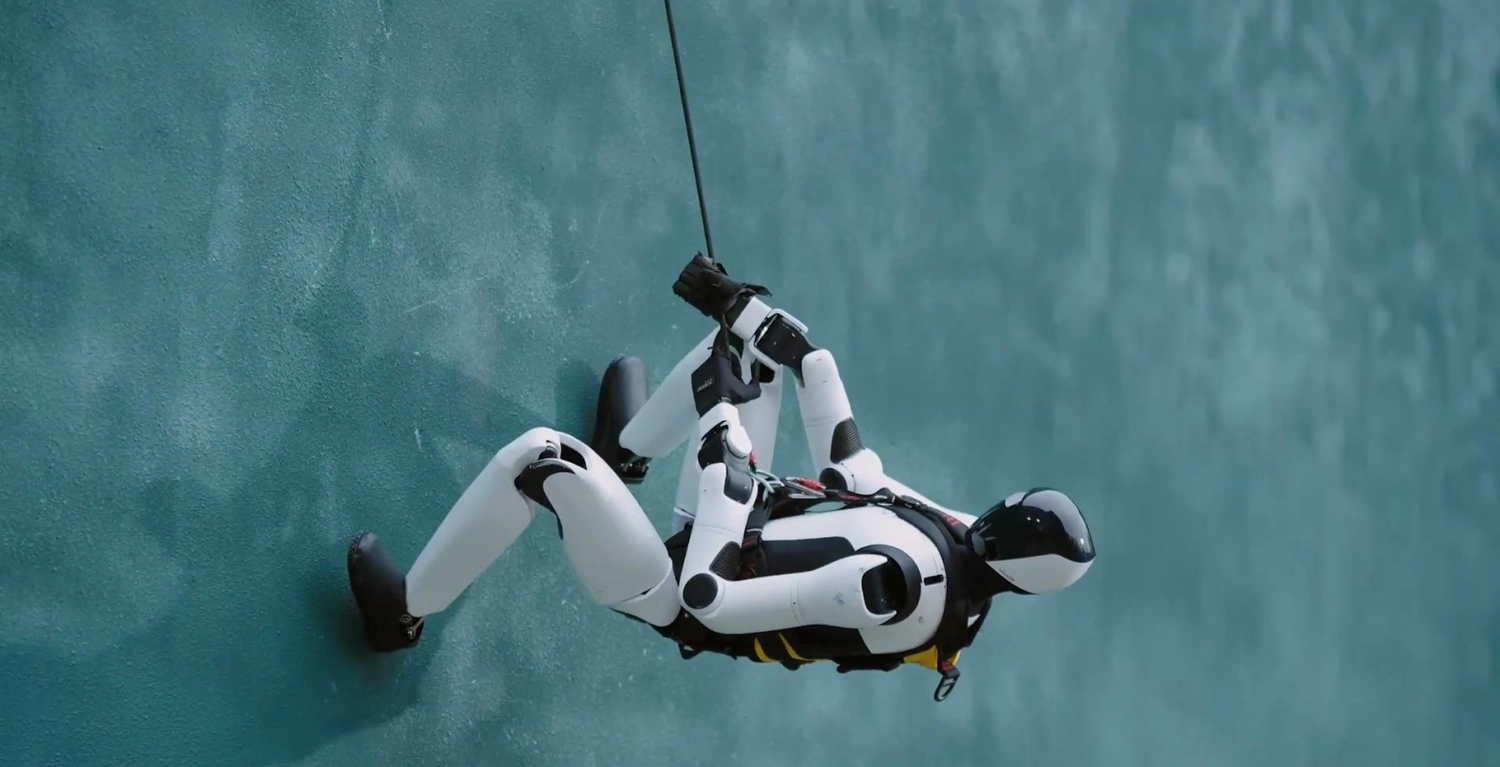
UBTECH has introduced Walker S3, the latest generation of its Walker humanoid line, with a short film that shows the robot doing things humanoids rarely attempt. The company calls it the world's first humanoid robot to rappel, and the footage backs up the claim: Walker S3 slides down a vertical wall on a rope while keeping its feet braced against the surface.
The reveal arrived on 26 November 2026 through UBTECH's official video channel and a post from a UBTECH team member, who said more details would follow soon. The film's closing line, ready to go with more to come, tells viewers this is a first look rather than a full product launch.
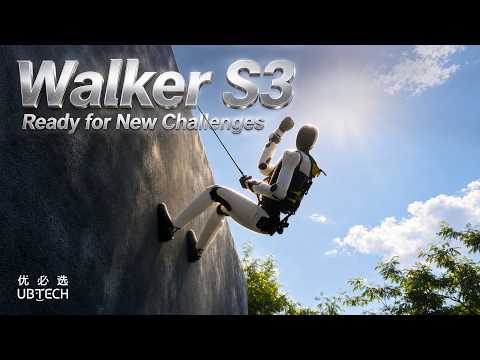
A Debut Built Around Rescue Scenes
Instead of a clean studio turntable, UBTECH set the debut on a rugged training ground with a tall wall, a sand pit, a low barrier and a running track. Firefighters in orange suits share the screen with the robots, which signals the kind of work the company wants viewers to imagine.
That choice matters. Most humanoid launches still revolve around factory totes and warehouse shelves, so a film framed around emergency-response drills sets Walker S3 apart and points toward public-safety buyers as well as industrial ones.
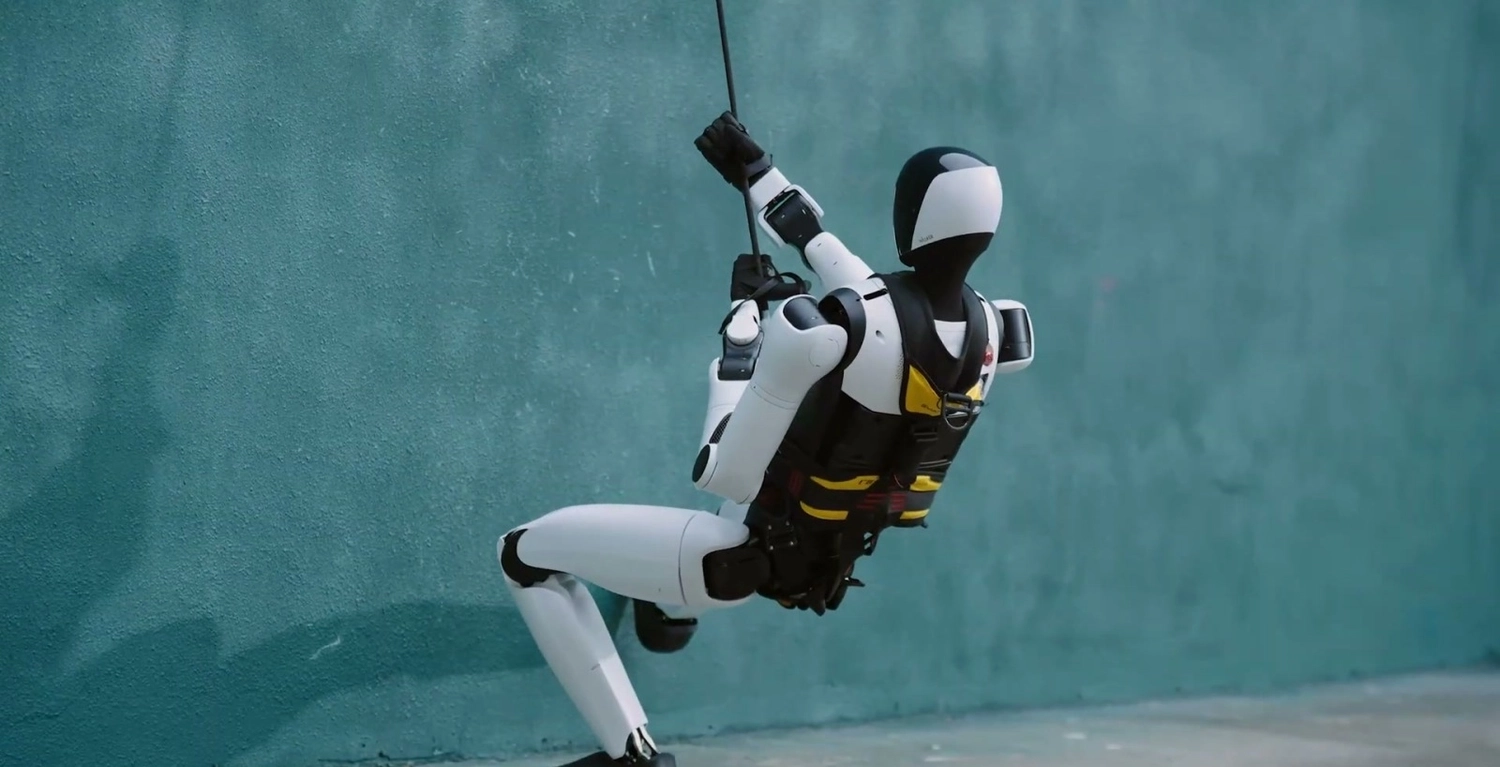
Why Rappelling Is a Hard Trick
Rappelling asks a robot to manage three things at once: the pull of a rope, the contact between its feet and a wall, and its own balance as the body swings. In the film, Walker S3 wears a harness, grips the line with its hands and descends the surface in a controlled, leaning posture.
For a legged robot, a wall is a far less forgiving floor than a track or a lab. Staying stable there suggests strong whole-body control, the same capability that decides whether a humanoid can recover from a stumble on uneven ground.
Sprint, Crawl and Vault
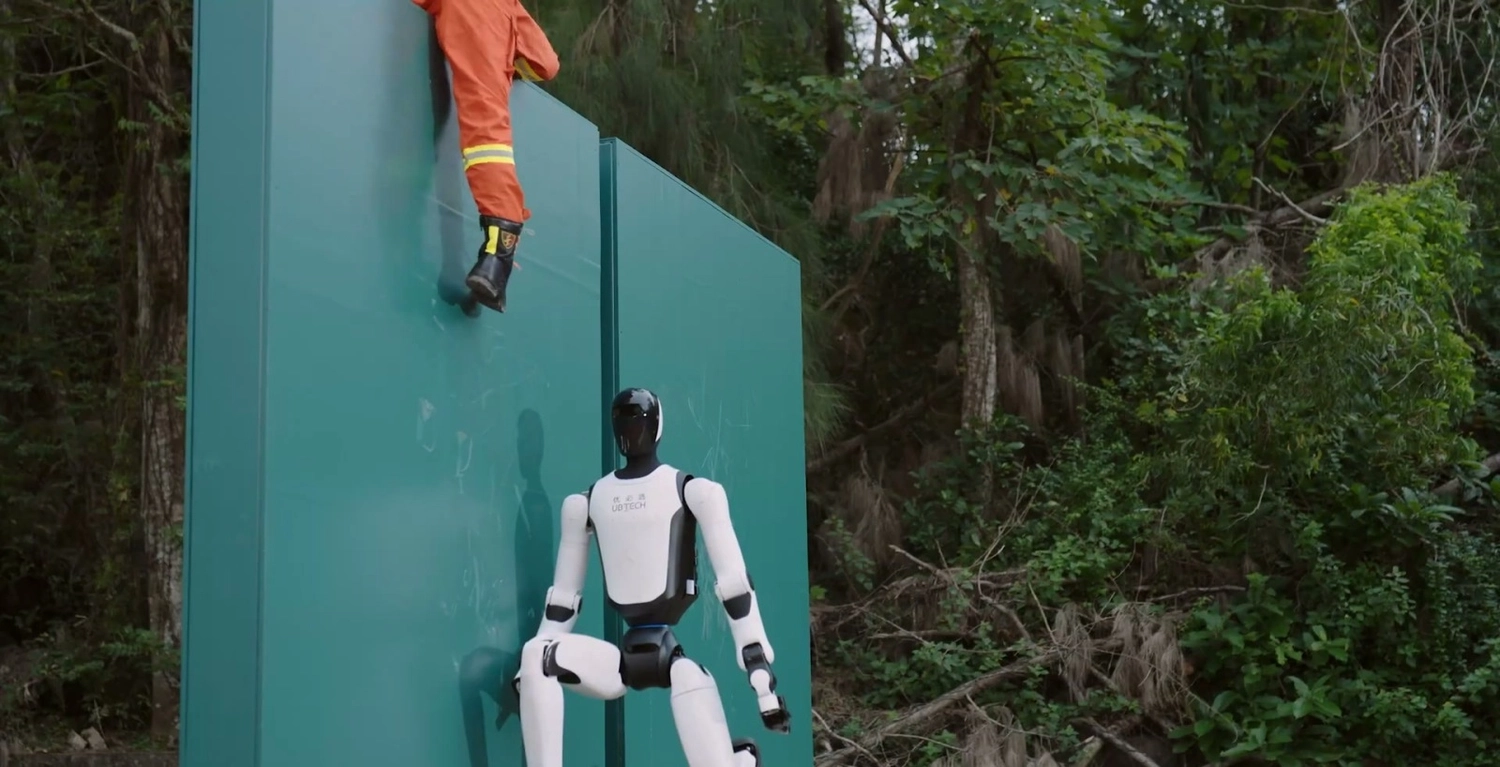
The film runs through a quick list of skills, named on screen as rappel, sprint, crawl and vault. The robot breaks into a full-speed run on the track, drops to the sand to crawl forward under a low horizontal bar, and kneels against a wall so a human rescuer can step onto it and climb over.
Each move stresses a different part of the body. Running tests leg power, crawling tests joint range and ground contact, and the wall assist tests whether the robot can hold a stable brace under a person's weight.
Working Beside Human Rescuers
Two scenes put Walker S3 next to people instead of in place of them. In one, it supports a firefighter who vaults a high wall. In another, it carries one end of an orange rescue stretcher while a human rescuer holds the other, walking in step along the track.
Teamwork like that is where humanoids could earn trust. A robot that shares a load, adjusts to a partner's pace and keeps its balance with a person in contact is closer to a useful teammate than a standalone demo machine.
Shields, Formations and Filmed for Real
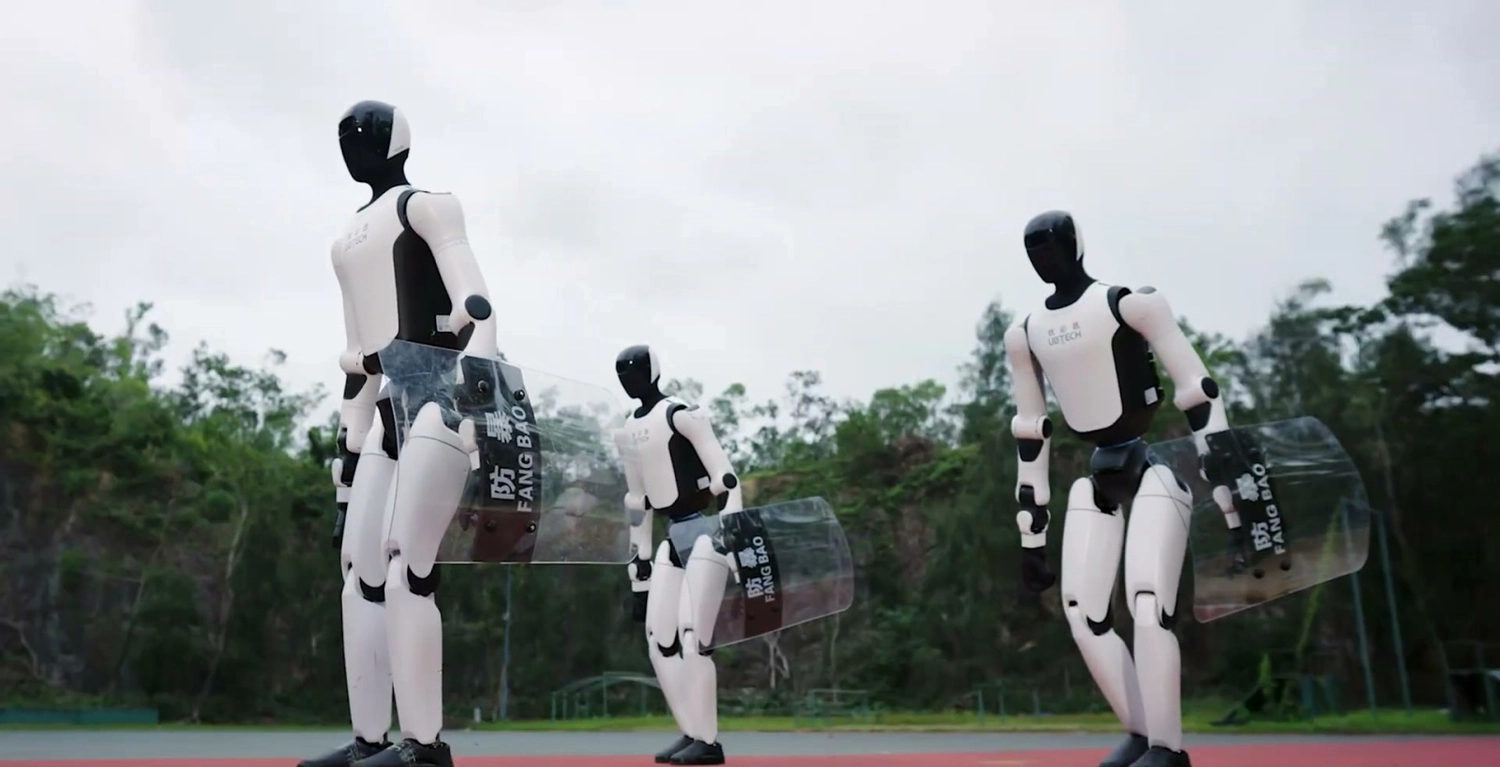
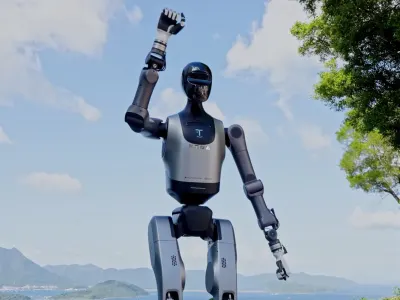
The film closes with three Walker S3 robots walking in formation, each carrying a transparent shield, over the words ready to go. The look is deliberate: matching white and black bodies, black faceless heads and a mark on the chest make the group read as one team.
An on-screen note says the footage has no speeding up and no AI generation. In a field where polished clips are often sped up or computer-made, that statement invites viewers to judge the robot's actual pace and balance.
What the Walker Line Has Already Done
Walker S3 follows the Walker S2, which UBTECH said began mass production and delivery in November 2025 with the first batch of several hundred full-size industrial humanoids and orders above 800 million yuan. The S2 became known for swapping its own battery so it could keep working across shifts.
That track record gives the new robot a different starting point from a first-time prototype. UBTECH already runs a delivery pipeline for the Walker family, so a new generation can lean on existing customers, factories and field experience.
What Buyers Should Watch Next
The key question for buyers is how much of the film's athleticism turns into repeatable tasks on a real site. Watch for UBTECH's coming details on the robot's body, battery, hands and software, and for named customers in emergency response, utilities and industry.
Pricing and delivery terms will come from UBTECH directly. Until then, the sensible reading is that Walker S3 widens what a Walker can be asked to do, from factory logistics toward terrain, rope and rescue work, and that the S2's delivery record is the best guide to how quickly it could reach customers.
Explore Humanoids


Sources
Related Articles
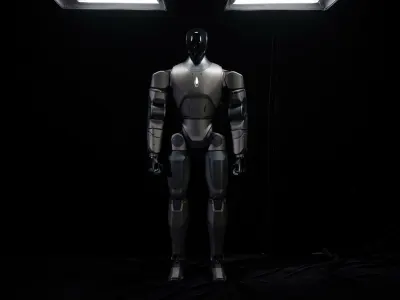
Foundation's Phantom MK-2 Is a 200-Pound Aluminum Humanoid Hardened for Factories and Battlefields, With a Lower Expected Lease Than Its Predecessor

Genesis AI Raises $500M Series A for Its Eno Humanoid
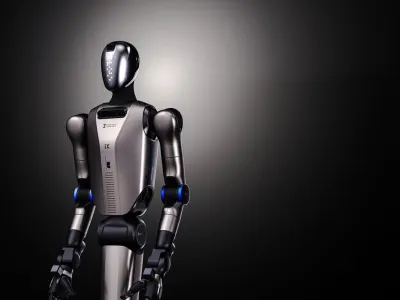
Simplexity Robotics raises $100M led by Ant Group, unveils iX

XPENG IRON Humanoid Robot Mass Production Starts January 2027
Related Comparisons
Compare Walker S3 with similar robots
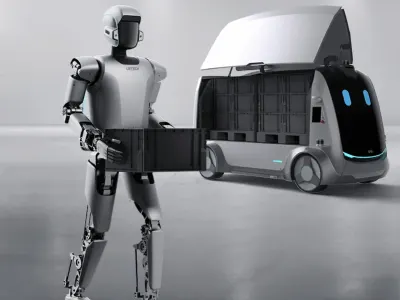
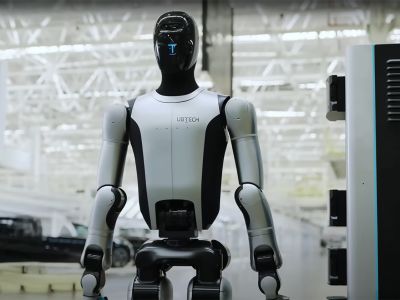
Walker S1 vs Walker S2
Walker S1 vs Walker S2 from UBTECH: speed, battery swap, sensors and software compared, with a clear pick for each factory need.
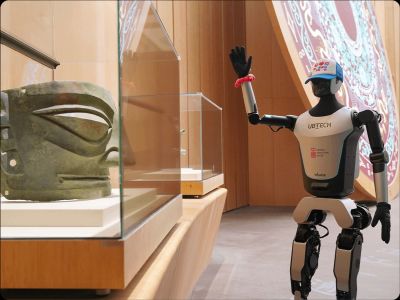
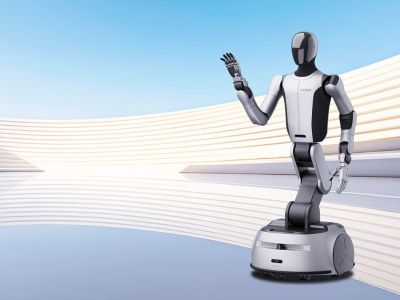
Walker C vs Cruzr S2
Walker C vs Cruzr S2: UBTECH's walking reception humanoid against its wheeled assembly and service humanoid, compared on build, hands and uses.

AgiBot G2 vs Cruzr Y1
Compare AgiBot G2 vs Cruzr Y1 for humanoid mobility, dexterity, autonomy, and payload capacity.
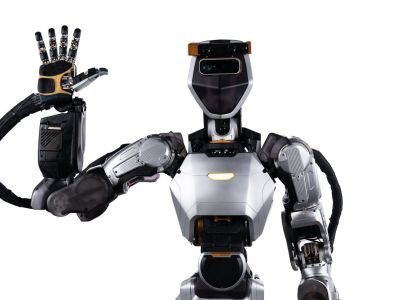
Phoenix vs Walker Tienkung
Compare Phoenix and Walker Tienkung. Detailed analysis of navigation, sensors, and speed.
Learn More About This Robot
Discover detailed specifications, reviews, and comparisons for Walker S3.
View Robot Details →