XPENG IRON Humanoid Robot Mass Production Starts January 2027
Robot Details
Next-Gen IRON • XPENGPublished
November 26, 2026
Reading Time
4 min read
Author
Origin Of Bots Editorial Team
A Carmaker Sets a Date for Its Robot
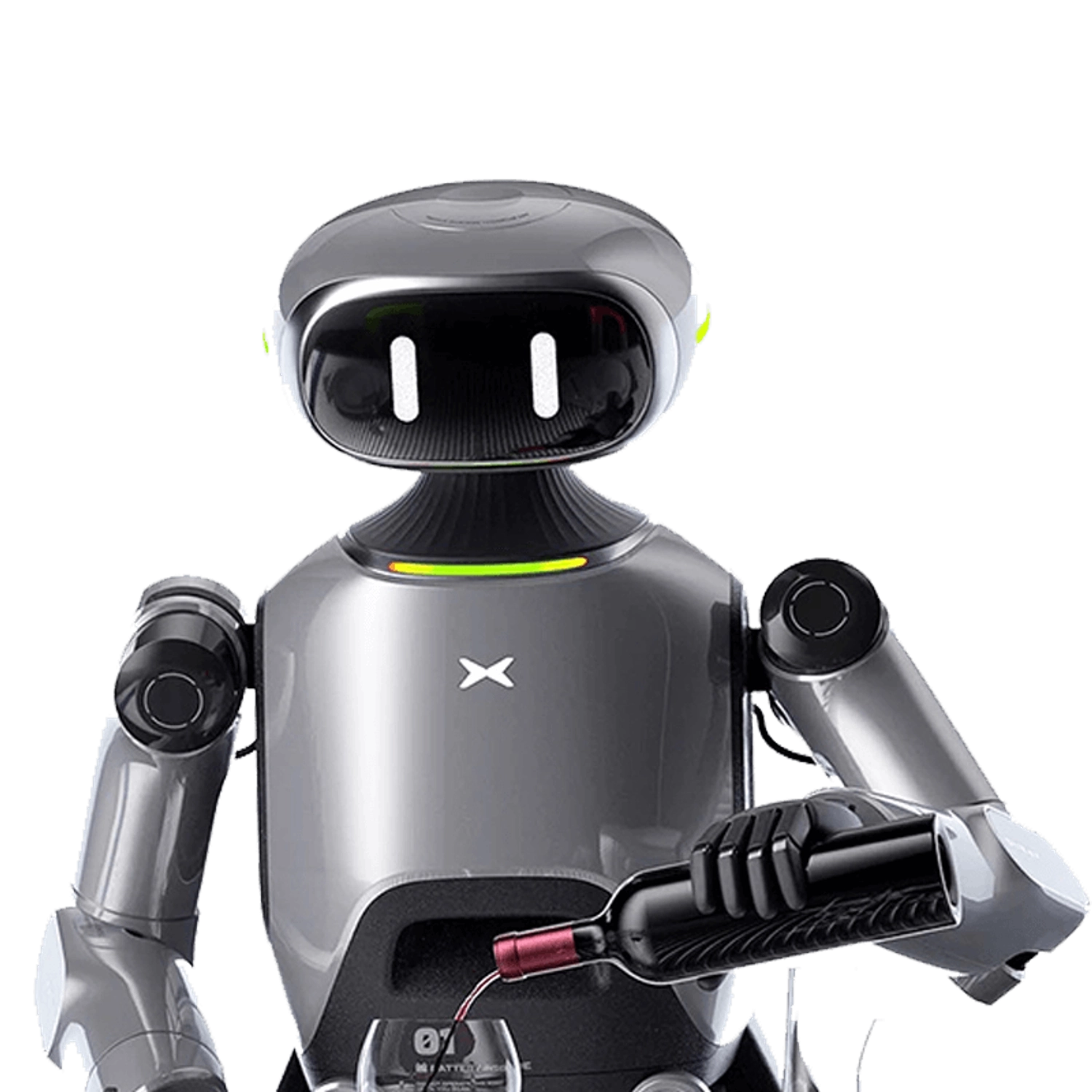
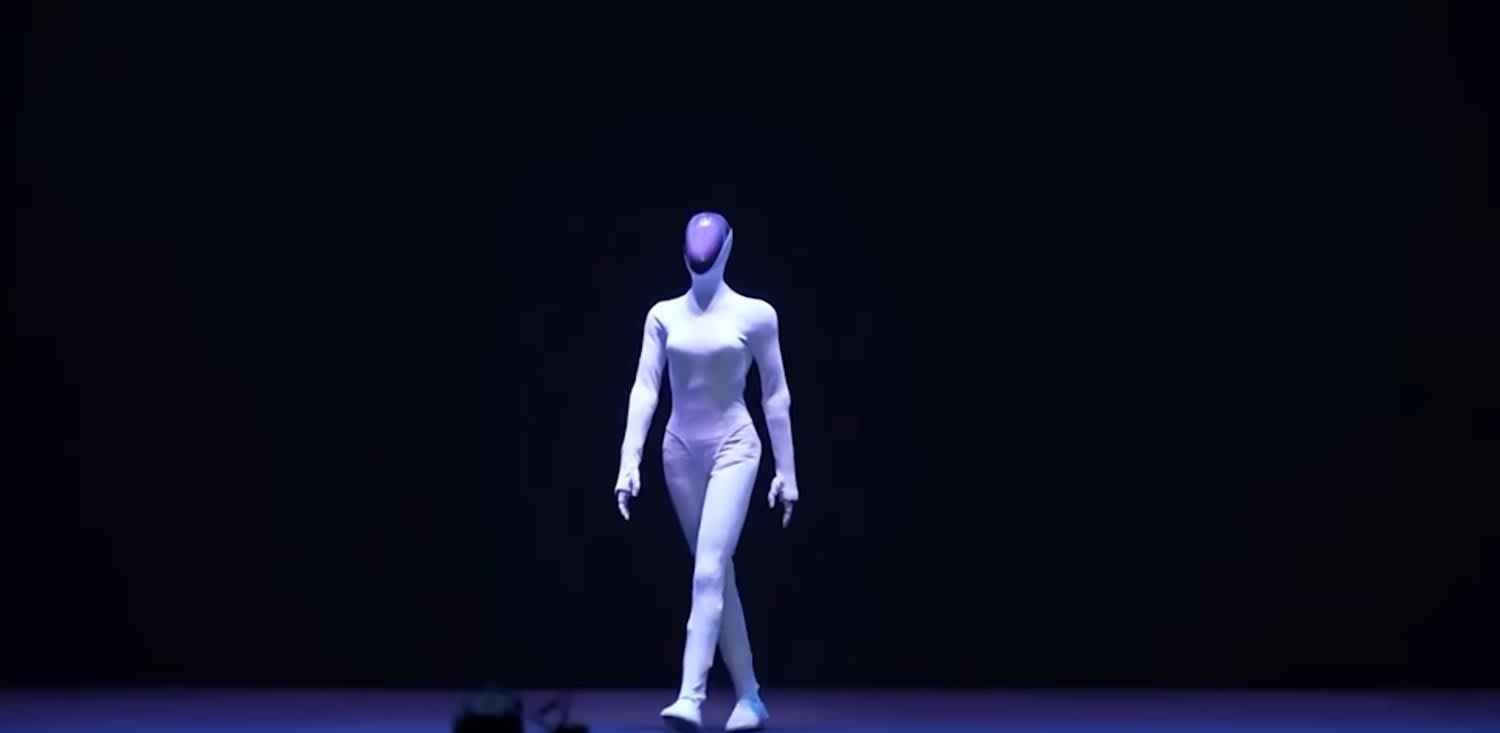
XPENG, the Chinese electric-vehicle maker, announced at its AI Day 2026 event that hardware mass production of its IRON humanoid robot is scheduled to begin in January 2027. For buyers, a firm production date is a bigger signal than another demo: it marks the point where a robot moves from showpiece to something a company can actually plan to order.
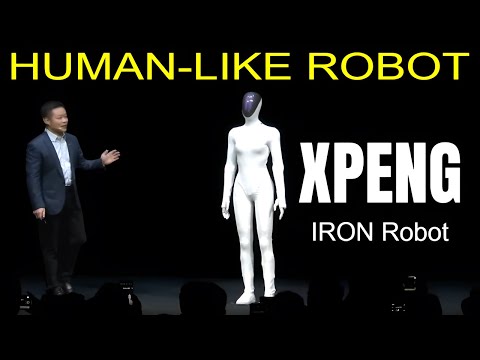
The company called the latest IRON an advanced general-purpose humanoid, meaning a walking robot with arms and hands built to take on many kinds of tasks rather than one. Chairman and CEO He Xiaopeng said the industry must move beyond demonstrations and prove that robots can create value in the real world.
Building the Brain and Body Together
XPENG says it designed IRON's artificial intelligence and its physical hardware side by side from the start, instead of bolting software onto an existing machine. The goal, the company explains, is for intelligence and physical skill to improve together rather than as separate parts.
The software follows a three-layer design. A top layer handles reasoning and planning, a middle layer makes fast real-time decisions, and a bottom layer controls the motors directly. Think of it as deciding what to do, reacting to what is happening, and then actually moving.
A Hand With 21 Joints and a Sense of Touch
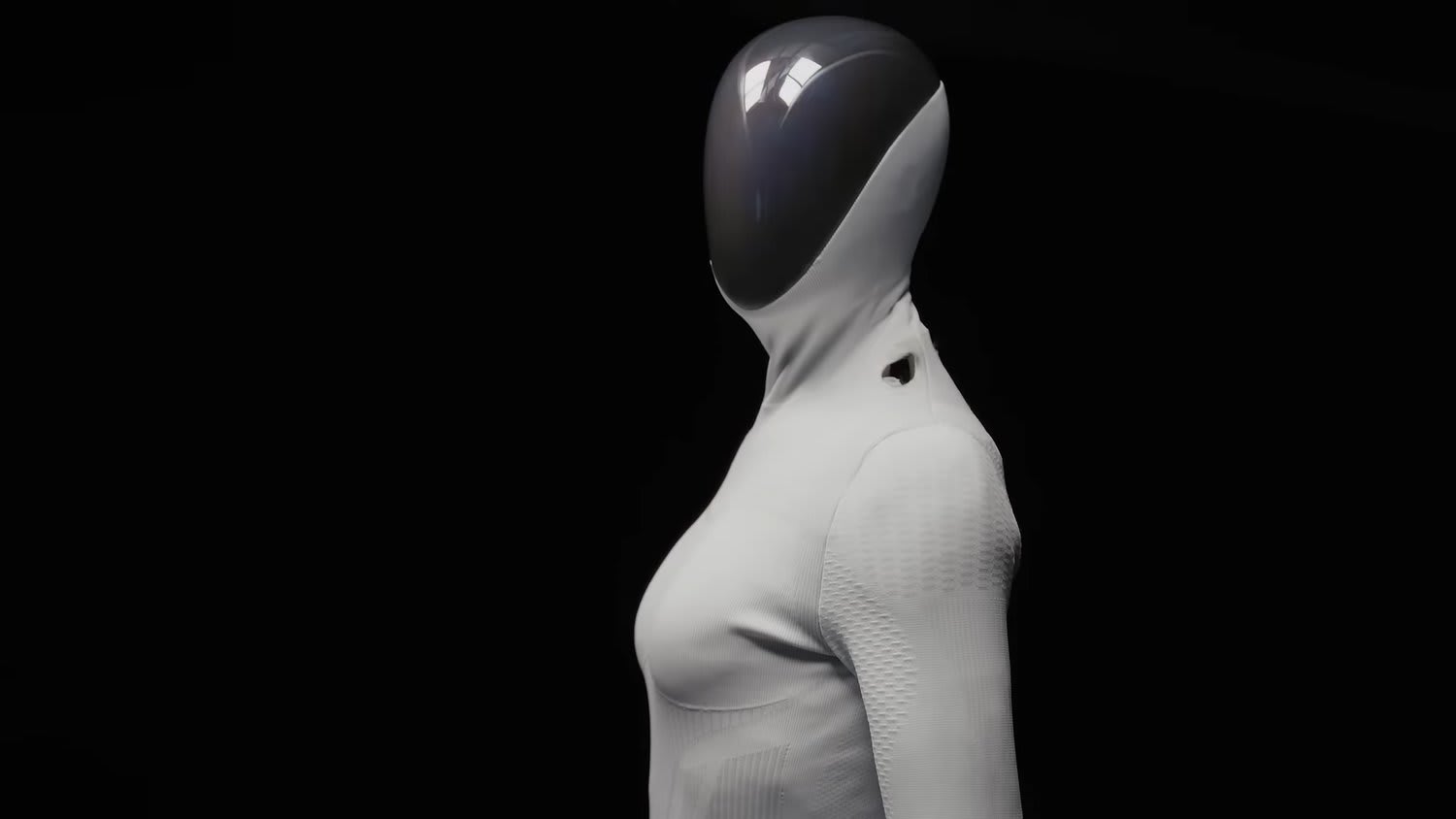
The newest IRON has 76 degrees of freedom, a measure of how many separate ways its joints can move. Twenty-one of those sit in each dexterous hand, which gives the fingers the flexibility needed to grip, turn and place everyday objects.
The hand also carries more than 1,500 tactile sensing points, tiny sensors that feel contact. XPENG says this lets IRON detect when it touches something and adjust the force it uses, a skill that matters when a robot handles anything from a sturdy tool to a fragile product.
Three Home-Made Chips Under the Hood
IRON runs on three of XPENG's own Turing AI chips, which together deliver 2,250 TOPS of effective computing power. TOPS stands for trillions of operations per second, a common yardstick for how fast a chip can run AI models. The company says this lets the robot run its AI and whole-body motion control on board rather than relying on a distant server.
Its vision system combines 3D vision with 360-degree perception of the surroundings. A separate language-and-vision model, called IRON VLM, is designed to recognize people, keep track of a conversation and respond appropriately, according to XPENG.
Working Alone, and Staying Safe
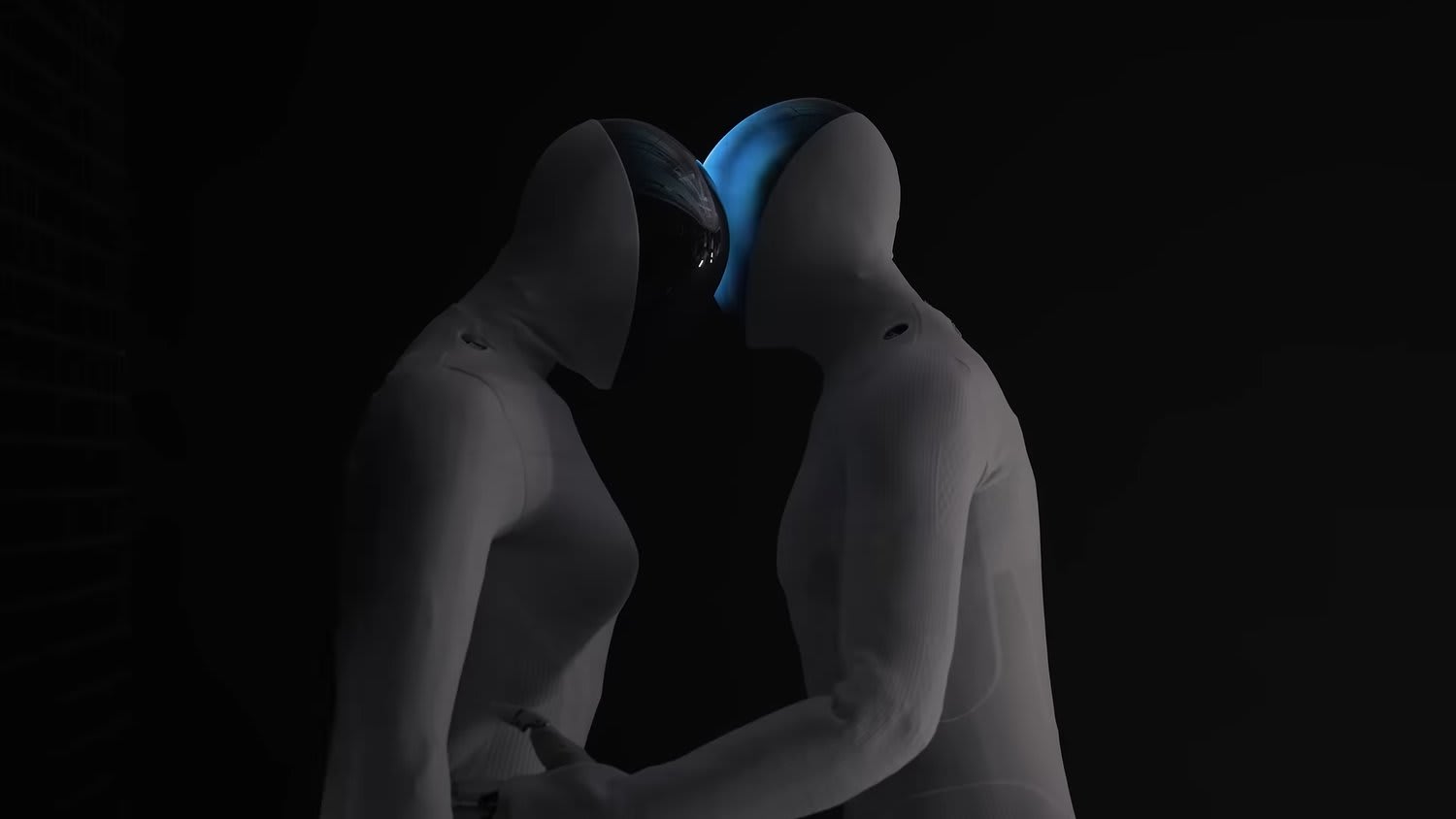
XPENG says IRON can plan routes and navigate by itself, build a task list from a voice command or a phone app, report problems, monitor its own health and walk back to charge when its battery runs low. The stated aim is round-the-clock availability, though that is a target rather than a proven result.
On safety, the company describes five layers of protection, including collision detection, limits on motor force and emergency stops. It also lists a backup communication channel and an independent controller that keeps the robot balanced if the main system fails.
First Job: Store Assistant
IRON's first assignment will be modest and public. Starting in the first quarter of 2027, XPENG plans to train it as a store assistant in its own retail showrooms, greeting customers, guiding them to products and handling other service work.
XPENG says this real-world exposure will help develop and validate the robot before it expands into other roles. It lists front-desk reception, education, livestream hosting and exhibition guidance as possibilities, and says it is also exploring commercial services and industrial work.

A Factory Built Like a Car Line
Behind the robot sits a manufacturing effort borrowed from XPENG's car business. The company says its automated humanoid production line has more than 600 AI-powered inspection checkpoints and runs over 1,000 vehicle-grade tests on complete robots and key parts.
At full capacity, XPENG says the line is designed to finish one IRON every 2.5 minutes. That is a design figure, not an output record, so the real test will be how many reliable robots leave the factory once January arrives. A 50,000-square-meter Robot Data Factory, covering more than 250 scenarios and 15 job categories, supplies the training data.
What It Means for Buyers and the Industry
XPENG plans to earn money in three ways: selling the robot, charging software subscriptions, and running an open ecosystem where developers and partners can download or build capability packages. It is also exploring token-based subscriptions so robots can keep adding job-specific skills after delivery.
For buyers, the practical questions are still open: XPENG has not announced a price in this release, and early use will center on its own stores. Watch January for the first production units, the first outside customers and whether the skill marketplace attracts real developers.


Sources
Related Articles
JAKA Lumi 2.0 Patrols a Cluttered Warehouse on Its Own With 96 TOPS of Onboard AI and a Bigger Battery
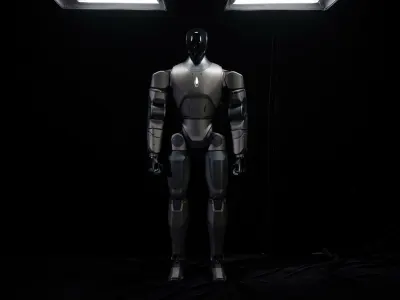
Foundation's Phantom MK-2 Is a 200-Pound Aluminum Humanoid Hardened for Factories and Battlefields, With a Lower Expected Lease Than Its Predecessor
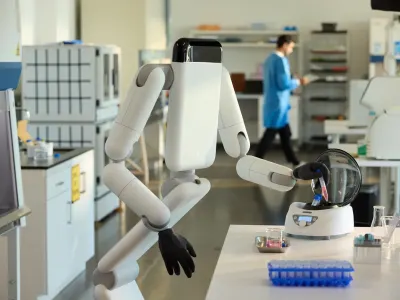
Genesis AI Raises $500M Series A for Its Eno Humanoid
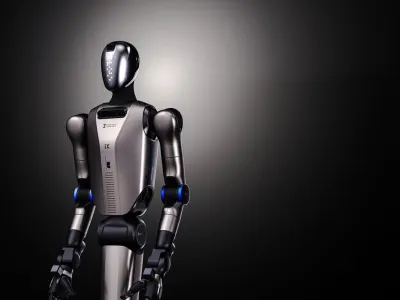
Simplexity Robotics raises $100M led by Ant Group, unveils iX
Related Comparisons
Compare Next-Gen IRON with similar robots
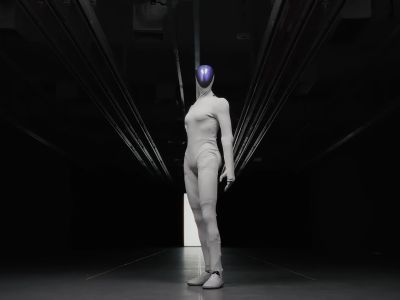
Next-Gen IRON vs Jupiter
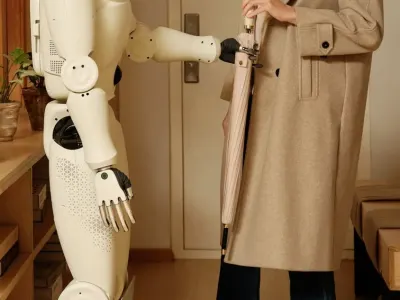
Which humanoid robot is better? Next-Gen IRON vs Jupiter compared for dexterity, AI autonomy, payload, and industrial use cases.
Next-Gen IRON vs Bolt
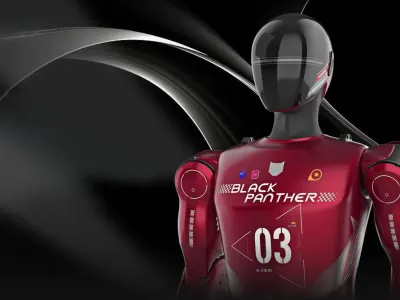
Compare Next-Gen IRON vs Bolt for humanoid mobility, dexterity, autonomy, and payload capacity in industrial and dynamic use cases.

Next-Gen IRON vs Moya
In-depth comparison of Next-Gen IRON by XPENG and Moya by DroidUp, covering hardware capabilities, teleoperation, and enterprise readiness.
Robot Era L7 vs Next-Gen IRON
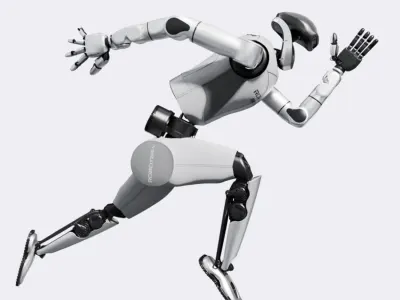
Head-to-head: L7 vs Next-Gen IRON. Explore differences in speed, sensors, navigation, and AI capabilities.
Learn More About This Robot
Discover detailed specifications, reviews, and comparisons for Next-Gen IRON.
View Robot Details →