RobotEra Q5 vs Reflex Humanoid at a glance
Reflex Humanoid lasts longer on a charge, about 16 hours against 4 hours for RobotEra Q5. Reflex Humanoid is the more affordable option at $50,000, while RobotEra Q5 costs $75,000–$95,000. RobotEra Q5 has more degrees of freedom (44 against 28 for Reflex Humanoid), which allows finer movement. Reflex Humanoid is the taller of the two at 220 cm, against 165 cm for RobotEra Q5.
Which one fits your use?
Based on the uses each robot is built and marketed for. Open a use to see the specs that matter for it.
| Comparing for… | RobotEra Q5 | Reflex Humanoid |
|---|---|---|
| Suited | Suited | |
| Suited | Suited | |
| Suited | Not listed | |
| Suited | Not listed |
- Pick RobotEra Q5 for research labs and education and training.
- Both suit warehouse and logistics work and factory and manufacturing work, so compare the specs for that use.
The Q5 by Robot Era is a humanoid robot positioned for versatile service applications including elder care, child interaction, retail, research, logistics, and hospitality. It differentiates through comprehensive sensor integration with RGB cameras, stereo cameras, LiDAR, ultrasonic, IMU, gyroscope, force, and temperature sensors, alongside advanced navigation via indoor SLAM, visual SLAM, and LiDAR mapping. Control options encompass teleoperation, autonomous operation, and learned behaviors, supported by ROS2, proprietary OS, Python, C++, and APIs.
The Reflex Humanoid by Reflex Robotics targets industrial tasks such as warehouse palletizing, tote picking, box closing, beverage packaging, and carton disposal, with a lower price under USD 50,000. It stands out with adjustable dimensions from 170-220 x 61 x 61 cm via a spine mechanism for vertical reach, wheeled base for stability, and high-speed teleoperation fallback in navigation using visual SLAM and 360° obstacle awareness. Control relies on teleoperation and learned behaviors, with proprietary software that is ROS2 compatible and includes APIs.
Detailed Analysis
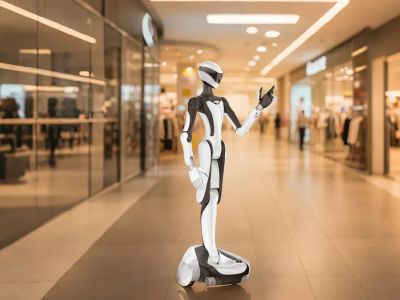
RobotEra Q5
Design & Build Quality
Q5 measures 165 x 50 x 52 cm and weighs 70 kg, offering a compact humanoid form for indoor navigation. Reflex Humanoid spans 170-220 x 61 x 61 cm and weighs 80 kg, featuring adjustable height via spine mechanism and wheeled base for enhanced stability. Both employ force sensors but differ in form factor suited to service versus industrial environments.
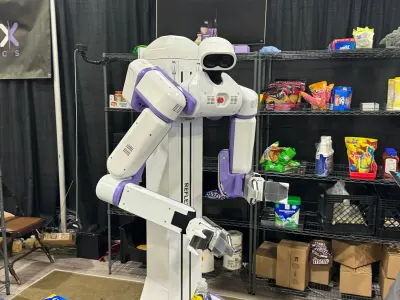
Reflex Humanoid
Mobility & Navigation
Q5 achieves 1.5 m/s speed with indoor SLAM, visual SLAM, and LiDAR mapping for autonomous movement. Reflex Humanoid reaches 1.4 m/s max with visual SLAM and high-speed teleoperation fallback plus 360° obstacle awareness. Q5 emphasizes legged navigation while Reflex prioritizes wheeled stability for warehouse tasks.
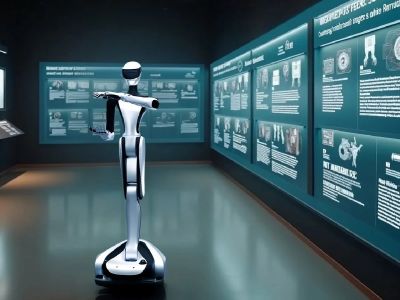
RobotEra Q5
Sensors & Perception
Q5 integrates RGB cameras, stereo cameras, LiDAR, ultrasonic sensors, IMU, gyroscope, force sensors, and temperature sensors for comprehensive perception. Reflex Humanoid uses multiple RGB cameras, IMU, gyroscope, and force sensors, focusing on vision and 360° awareness. Q5 provides broader sensor diversity including LiDAR and ultrasonics.
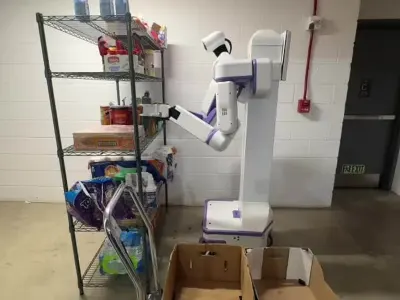
Reflex Humanoid
AI Capabilities
Q5 supports teleoperation, autonomous control, and learned behaviors through ROS2 and proprietary OS. Reflex Humanoid employs teleoperation with learned behaviors via proprietary ROS2-compatible software. Both leverage APIs for integration, though Q5 adds Python and C++ support.
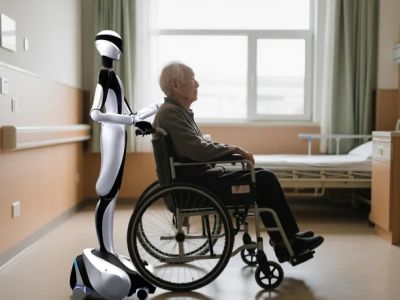
RobotEra Q5
Battery & Power Efficiency
Reflex Humanoid provides 3-5 years, aligning closely in longevity. Both designs prioritize long-term operation without frequent recharging needs.
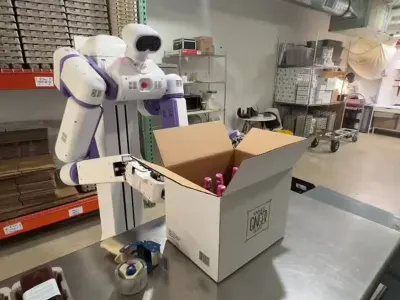
Reflex Humanoid
Use-Case Suitability
Q5 targets elder care, child interaction, retail service, research labs, logistics, and hospitality with human-like interactivity. Reflex Humanoid focuses on warehouse palletizing, tote picking, box closing, beverage packaging, and carton disposal. Q5 suits social and multi-environment roles while Reflex excels in structured industrial workflows.

RobotEra Q5
Pricing & Value
Q5 is priced at $75,000 - $95,000, reflecting its sensor and navigation breadth. Reflex Humanoid costs under USD 50,000, offering cost efficiency for high-volume industrial use. Price differences align with targeted application scopes.
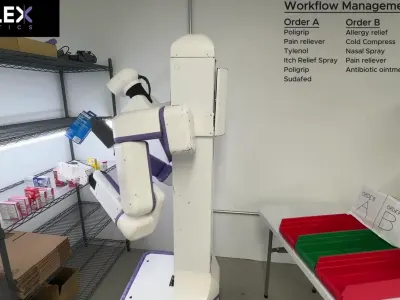
Reflex Humanoid
Safety Features
Both robots include force limiting, collision detection, and emergency stop capabilities. Q5 adds collaborative mode for human interaction scenarios. Reflex emphasizes obstacle awareness in dynamic warehouse settings.
Capabilities & Operational Tasks
Head-to-head comparison of what RobotEra Q5 and Reflex Humanoid can do, their applications, and capabilities.
What Can RobotEra Q5 & Reflex Humanoid Do?
186 tasks listed for both, 3 only for RobotEra Q5, 9 only for Reflex Humanoid.
Technical Specifications
RobotEra Q5 and Reflex Humanoid differ on 29 of the 53 specifications listed for both.
Functional Utility & Use Cases
4 Comparative Metrics
Manipulation & Load Capacity
4 Comparative Metrics
Kinematic Architecture & Dexterity
4 Comparative Metrics
Related Comparisons
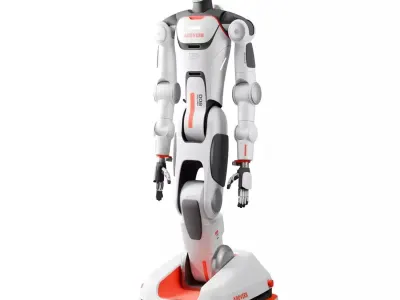
RobotEra Q5 vs ELIXIS W
Compare Q5 by Robot Era and ELIXIS W by Addverb Technologies. Detailed analysis of sensors, navigation, battery, and price.
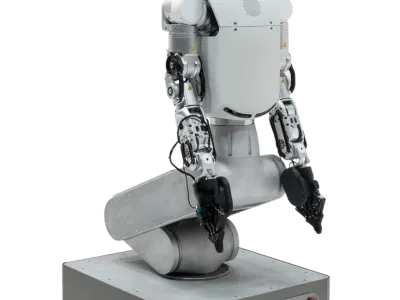
RobotEra Q5 vs HMND 01 Alpha Wheeled
Q5 or HMND 01 Alpha Wheeled? Compare specs, speed, sensors, navigation, and battery for service vs industrial performance.
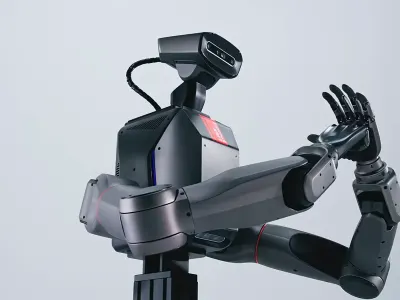
RobotEra Q5 vs Tron 2
Compare Q5 and Tron 2. Detailed analysis of mobility, sensors, and battery life.
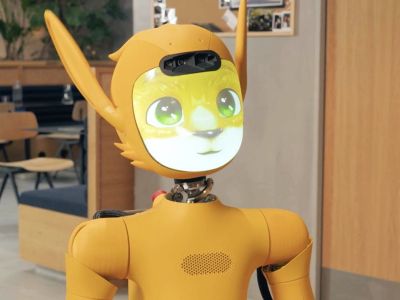
Mirokaï vs RobotEra Q5
Which robot wins? Mirokaï vs Q5 compared across sensors, navigation, speed, battery, and price for service robotics applications.
Verdicts reflect our research and opinion. Confirm specifications with the manufacturer before buying.