Walker S1 vs Kaleido 8.0 at a glance
Walker S1 is quicker, with a top speed of 1.4 m/s versus 1.1 m/s for Kaleido 8.0. Walker S1 is lighter at 76 kg, compared with 80–86 kg for Kaleido 8.0.
Which one fits your use?
Based on the uses each robot is built and marketed for. Open a use to see the specs that matter for it.
| Comparing for… | Walker S1 | Kaleido 8.0 |
|---|---|---|
| Suited | Suited | |
| Suited | Suited | |
| Not listed | Suited | |
| Not listed | Suited |
- Pick Kaleido 8.0 for research labs and hazardous or high-risk work.
- Both suit warehouse and logistics work and factory and manufacturing work, so compare the specs for that use.
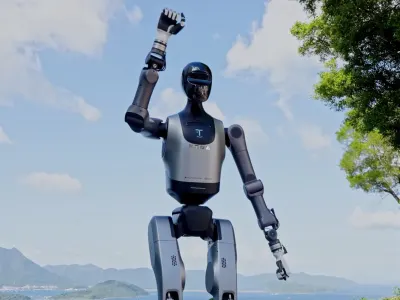
Walker S1 is UBTECH Robotics' industrial humanoid for car factories and logistics. It stands 172 cm tall, weighs 76 kg, has 41 degrees of freedom and carries loads of 15 kg, and it has been trialled on assembly lines at carmakers such as BYD, Geely and Audi-FAW.
Kaleido 8.0 is Kawasaki Heavy Industries' eighth-generation Kaleido, from its Robust Humanoid Platform programme. The 180 cm, 80 to 86 kg biped gained direct-drive motors in its waist and elbows and a face projector in version 8, and it worked through a mock evacuation-centre scenario at iREX 2023.
Detailed Analysis
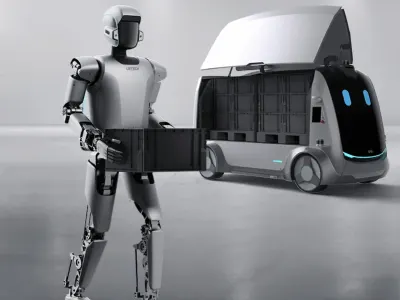
Walker S1
Design & Build Quality
Both are full-size bipeds, but Kawasaki built Kaleido 8.0 heavier and tougher. Kaleido 8.0 stands 180 cm and weighs 80 to 86 kg, with direct-drive motors in its waist and elbows for durability. Walker S1 is 172 cm and 76 kg, with 41 degrees of freedom and UBTECH's own joints rated at 250 N·m of peak torque. Kaleido 8.0 is designed to take punishment in rough conditions, while Walker S1 is tuned for dexterous work on a clean factory line.
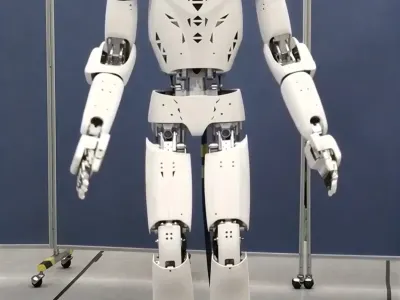
Kaleido 8.0
Mobility & Navigation
Both walk on two legs. Kaleido 8.0 walks at about 4 km/h and is built to survive falls and stand back up, the core aim of Kawasaki's Robust Humanoid Platform. Walker S1 finds its way with two-stage semantic VSLAM, which builds an object-aware map from its cameras. Kaleido 8.0 is aimed at uncertain, cluttered ground, while Walker S1 is aimed at predictable factory routes.
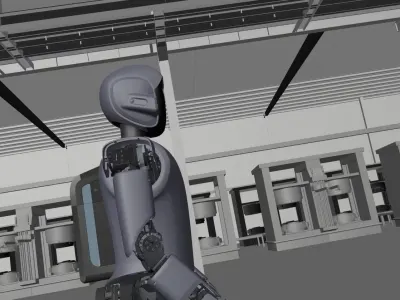
Walker S1
Sensors & Perception
UBTECH documents Walker S1's sensors fully: RGB-D cameras in its head and chest, stereo and panoramic fisheye cameras for 360° vision, six-axis force sensors in its wrists and ankles and tactile arrays in its hands. Kawasaki has not published a sensor list for Kaleido 8.0. That makes Walker S1 the easier robot to evaluate for handling and safety near people. Ask Kawasaki for Kaleido 8.0's perception setup if vision matters to your project.
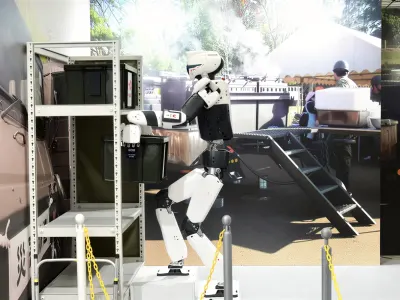
Kaleido 8.0
AI Capabilities
UBTECH gives Walker S1 large-language-model task planning and learning-based whole-body control, and its BrainNet lets several units split up the work. Kaleido 8.0 is semi-autonomous and uses a head projector to show facial expressions while working with people. Walker S1 is the more autonomous of the two on published information. Kaleido 8.0's projected face is meant to make its intentions clear to the people working around it.
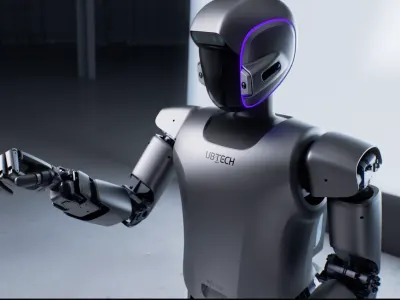
Walker S1
Battery & Power Efficiency
Neither maker has published battery capacity or runtime. UBTECH says Walker S1 charges through a fast-charging port on its back, and Kawasaki has not released Kaleido 8.0's battery details. Without runtime figures, the two cannot be compared on endurance. Ask both makers for runtime under your expected workload.
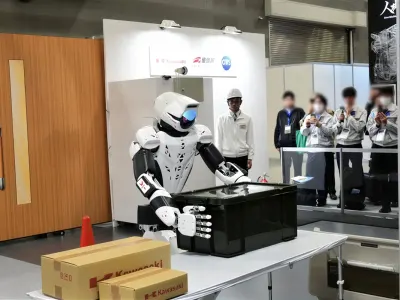
Kaleido 8.0
Use-Case Suitability
Walker S1 is built for car factories, with trials at BYD, Geely, Audi-FAW and other carmakers handling parts, carrying totes and helping with inspection. Kawasaki builds Kaleido for disaster response and heavy work alongside people, and version 8 demonstrated tasks on a stage set up as an evacuation centre at iREX 2023. Walker S1 is a production tool, while Kaleido 8.0 is a development platform for tough environments. Choose Walker S1 for car-factory handling, inspection and assembly, or Kaleido 8.0 for rugged disaster-response and heavy-duty research.

Walker S1
Software Ecosystem
Walker S1's software is UBTECH's ROSA 2.0 application framework, which links it to factory management systems, AMRs and AGVs. Kawasaki has not published SDK details for Kaleido 8.0. Walker S1 is therefore the better-documented option for integration. Kaleido 8.0 is shown at exhibitions rather than sold generally, so software access would be arranged with Kawasaki directly.
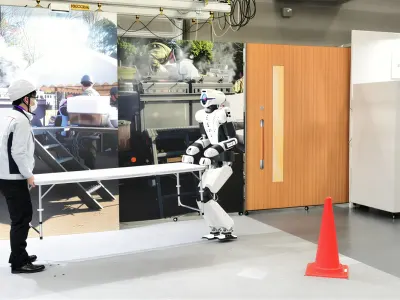
Kaleido 8.0
Safety Features
UBTECH fits Walker S1 with a rear emergency stop button, six-axis force sensing at the wrists and ankles and tactile sensing in the hands. Kaleido 8.0 is designed to fall without damage and get back up, the main goal of Kawasaki's Robust Humanoid Platform. The two take different views of safety: Walker S1 protects the people around it during handling, while Kaleido 8.0 is built to protect itself in rough conditions. Neither maker has published safety certifications.
Capabilities & Operational Tasks
Head-to-head comparison of what Walker S1 and Kaleido 8.0 can do, their applications, and capabilities.
What Can Walker S1 & Kaleido 8.0 Do?
138 tasks listed for both, 4 only for Walker S1, 1 only for Kaleido 8.0.
Technical Specifications
Walker S1 and Kaleido 8.0 differ on 30 of the 54 specifications listed for both.
Functional Utility & Use Cases
4 Comparative Metrics
Manipulation & Load Capacity
4 Comparative Metrics
Kinematic Architecture & Dexterity
4 Comparative Metrics
Related Comparisons

AgiBot A2 Lite vs Kaleido 8.0
AgiBot A2 Lite vs Kaleido 8.0: AgiBot's performance humanoid against Kawasaki's robust bipedal humanoid, compared on size, mobility, sensors, AI and best uses.
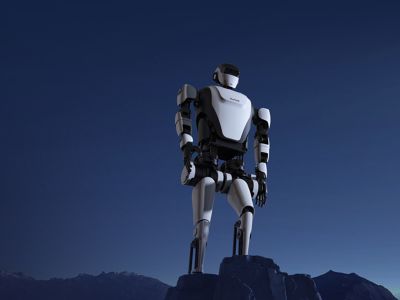
KUAVO 4PRO (KUAVO-MY) vs Kaleido 8.0
KUAVO-MY vs Kaleido 8.0: Leju's research and service humanoid against Kawasaki's robust bipedal humanoid, compared on size, mobility, sensors, AI and best uses.

Walker S1 vs AgiBot G2
Walker S1 vs AgiBot G2: UBTECH's factory humanoid against AgiBot's wheeled precision-assembly humanoid, compared on size, mobility, sensors, AI and best uses.
Walker S1 vs Walker Tienkung
Walker S1 vs Walker Tienkung: UBTECH's factory humanoid against UBTECH's full-size research humanoid, compared on size, mobility, sensors, AI and best uses.
Verdicts reflect our research and opinion. Confirm specifications with the manufacturer before buying.