Walker S1 vs Walker Tienkung at a glance
Walker Tienkung is quicker, with a top speed of 1.9 m/s versus 1.4 m/s for Walker S1. Walker S1 is priced at $50,000–$150,000 and Walker Tienkung at $65,000–$115,000, so their price ranges overlap.
Which one fits your use?
Based on the uses each robot is built and marketed for. Open a use to see the specs that matter for it.
| Comparing for… | Walker S1 | Walker Tienkung |
|---|---|---|
| Suited | Not listed | |
| Suited | Not listed | |
| Not listed | Suited | |
| Not listed | Suited | |
| Not listed | Suited |
- Pick Walker S1 for warehouse and logistics work and factory and manufacturing work.
- Pick Walker Tienkung for research labs, education and training and hospitality, retail and public-facing roles.
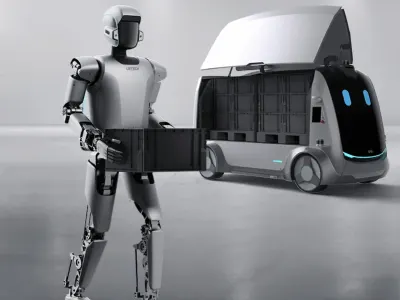
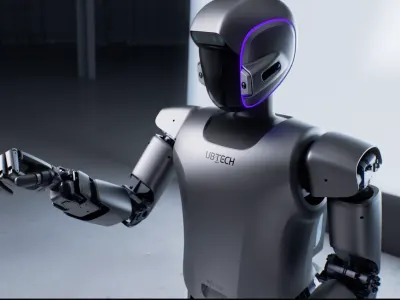
Walker S1 is UBTECH Robotics' industrial humanoid for car factories and logistics. It stands 172 cm tall, weighs 76 kg, has 41 degrees of freedom and carries loads of 15 kg, and it has been trialled on assembly lines at carmakers such as BYD, Geely and Audi-FAW.
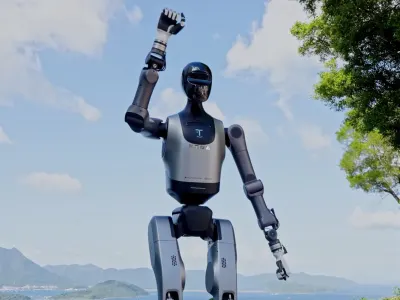
Walker Tienkung is UBTECH's full-size research and education humanoid. It is 172 cm tall and 73 kg, offers up to 42 degrees of freedom and keeps going for more than 3.5 hours thanks to quick-swap dual batteries.
Detailed Analysis
Walker S1
Design & Build Quality
Walker S1 and Walker Tienkung are both UBTECH bipeds of the same 172 cm height, and they are close in build too. Walker S1 weighs 76 kg and has 41 degrees of freedom driven by UBTECH's own 250 N·m joints, while Walker Tienkung weighs 73 kg and has up to 42 degrees of freedom, including configurable 7-DoF arms. On paper the frames are near twins. The real differences lie in what each is equipped and tuned to do.
Walker Tienkung
Mobility & Navigation
Both walk on two legs. Walker Tienkung moves at up to 7 km/h and is built to handle stairs, slopes and uneven ground, which suits research into locomotion and rough-terrain trials. Walker S1 finds its way with two-stage semantic VSLAM, which builds an object-aware map of a factory floor from its cameras. Tienkung is the one to pick for testing how a humanoid copes with varied terrain; Walker S1 is tuned for repeatable routes between workstations.
Walker S1
Sensors & Perception
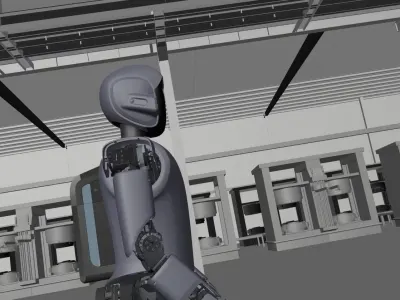
Walker S1 is built around cameras and touch: RGB-D cameras in its head and chest, stereo and panoramic fisheye cameras for 360° vision, six-axis force sensors in its wrists and ankles and tactile arrays in its hands. Walker Tienkung adds active ranging, combining RGB and stereo cameras with LiDAR, ultrasonic sensors, an IMU and force sensors. Tienkung's LiDAR gives researchers direct distance data for mapping experiments. Walker S1's tactile hands give it the edge for handling parts.

Walker Tienkung
AI Capabilities
Walker S1 plans tasks with a large language model, uses learning-based whole-body control and coordinates with other units through UBTECH's BrainNet. Walker Tienkung supports both autonomous and semi-autonomous operation, which gives research teams room to test their own control methods. Walker S1 arrives ready to take on factory tasks. Walker Tienkung is closer to an open test bed for teams developing their own AI.
Walker S1
Battery & Power Efficiency
Walker Tienkung runs for more than 3.5 hours, swaps quickly between two batteries and recharges in 2 hours. UBTECH has not published Walker S1's battery capacity or runtime; it charges through a fast-charging port on its back. Tienkung's battery swap means a lab can keep testing with little downtime. For Walker S1, ask UBTECH for runtime on your planned shift.
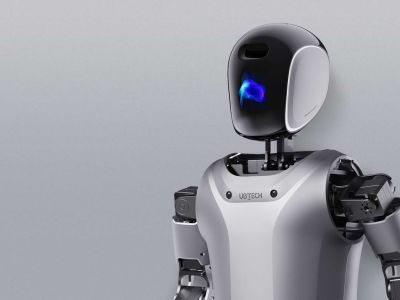
Walker Tienkung
Use-Case Suitability
Walker S1 is a factory robot, trialled at carmakers such as BYD, Geely and Audi-FAW for handling parts, carrying totes and quality inspection. UBTECH aims Walker Tienkung at scientific research, education, proof-of-concept projects, logistics trials and rescue research. The same maker built them for different customers: production managers on one side, research teams on the other. Choose Walker S1 for car-factory handling, inspection and assembly, or Walker Tienkung for research, education and proof-of-concept projects.
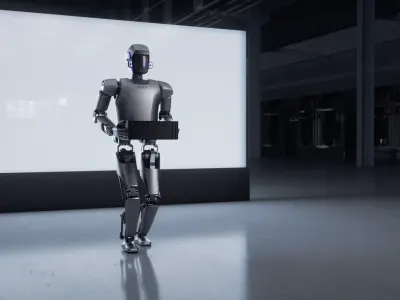
Walker S1
Software Ecosystem
UBTECH runs Walker S1 on its ROSA 2.0 framework and designs it to work with factory management systems, AMRs and AGVs. Walker Tienkung supports ROS 2, Python and C++ alongside UBTECH's own software. Tienkung is the easier choice for researchers who want to write and run their own code with standard robotics tools. Walker S1's software is aimed at slotting into an automated production line.

Walker Tienkung
Pricing & Value
Walker S1 is priced at around $50,000 to $150,000, while Walker Tienkung sits in a narrower $65,000 to $115,000 range. The ranges overlap, so the final price of each depends on configuration. Walker S1's value lies in its 15 kg load rating and factory track record. Walker Tienkung's lies in open software, quick battery swaps and terrain handling for research.
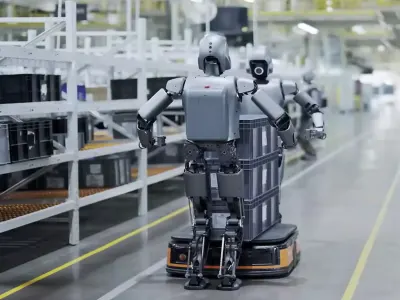
Walker S1
Safety Features
Walker S1 has an emergency stop button on its back, six-axis force sensing in its wrists and ankles and tactile sensing in its hands. Walker Tienkung offers force limiting, collision detection, an emergency stop and a collaborative mode for working near people. Both are designed to share space with humans. Tienkung's collaborative mode and collision detection are useful in labs and classrooms, while Walker S1's force and touch sensing protect people during parts handling.
Capabilities & Operational Tasks
Head-to-head comparison of what Walker S1 and Walker Tienkung can do, their applications, and capabilities.
What Can Walker S1 & Walker Tienkung Do?
143 tasks listed for both, 9 only for Walker S1, 2 only for Walker Tienkung.
Technical Specifications
Walker S1 and Walker Tienkung differ on 45 of the 54 specifications listed for both.
Functional Utility & Use Cases
4 Comparative Metrics
Manipulation & Load Capacity
4 Comparative Metrics
Kinematic Architecture & Dexterity
4 Comparative Metrics
Related Comparisons
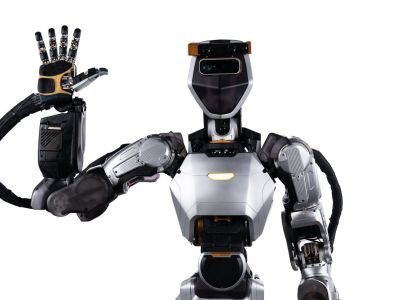
Phoenix vs Walker Tienkung
Compare Phoenix and Walker Tienkung. Detailed analysis of navigation, sensors, and speed.
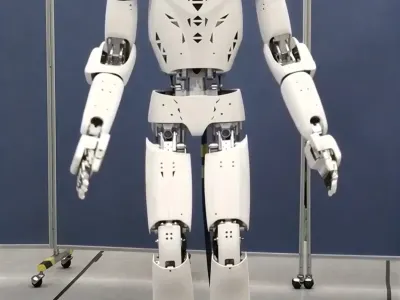
Walker S1 vs Kaleido 8.0
Walker S1 vs Kaleido 8.0: UBTECH's factory humanoid against Kawasaki's robust bipedal humanoid, compared on size, mobility, sensors, AI and best uses.

Walker S1 vs AgiBot G2
Walker S1 vs AgiBot G2: UBTECH's factory humanoid against AgiBot's wheeled precision-assembly humanoid, compared on size, mobility, sensors, AI and best uses.
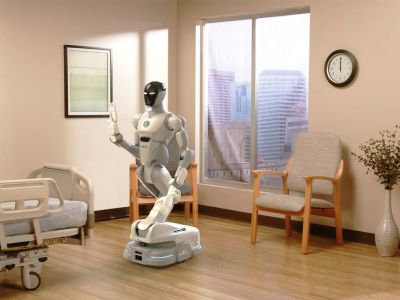
AlphaBot 2 vs Walker Tienkung
AlphaBot 2 vs Walker Tienkung: AI² Robotics' wheeled VLA humanoid against UBTECH's full-size research humanoid, compared on specs and uses.
Verdicts reflect our research and opinion. Confirm specifications with the manufacturer before buying.