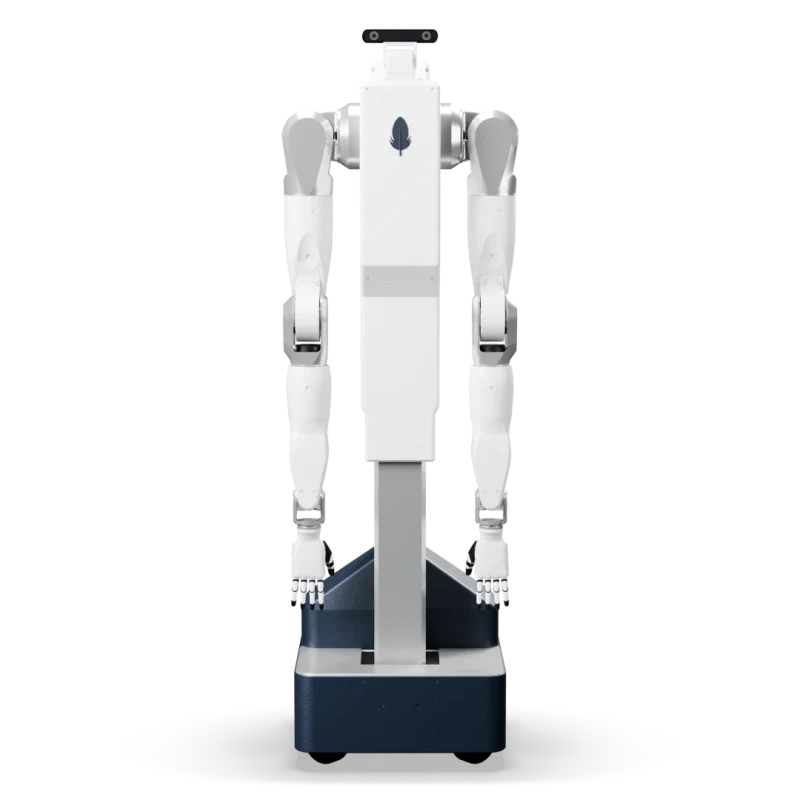
Feather
AI ChatLast updated:
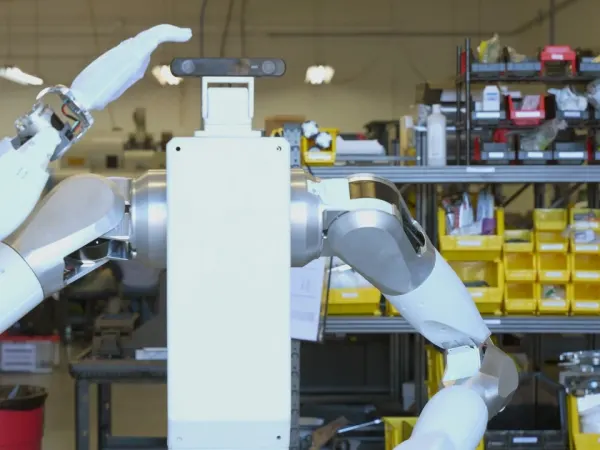
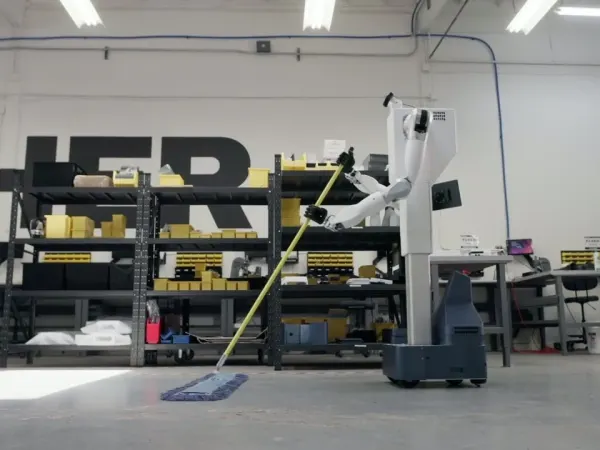
Feather is an open, modular, wheeled bimanual humanoid platform from US startup Feather Robotics, built for physical-AI companies, manufacturing integrators and researchers. Two 7-degree-of-freedom, 1 m arms sit on a torso that raises and lowers 600 mm, mounted on a holonomic base that moves in any direction at up to 1.3 m/s, with dual hot-swappable batteries for about 10 hours of work and an open Python and ROS 2 SDK. It ships now from $29,990 (launch price, regular $32,990), and its makers say it is already working as a cook in restaurants and cleaning science labs.
Quick Overview & Key Facts
Feather is a humanoid robot made by Feather Robotics in United States, launched in 2026 and built for A ready-to-deploy body for physical-AI developers; working as a restaurant cook, cleaning science laboratories, and manufacturing tasks and research. Its estimated price is USD 29,990. Featured in “Humanoid Robots With Swappable Batteries in 2026: Which Can Work Around the Clock?” and “Humanoid Robots You Can Actually Buy Right Now in 2026, and How to Order”.
- Weight
- 105 kg fully configured (published)
- Mobility
- Wheeled (holonomic omnidirectional base, up to 1.3 m/s)
- Payload capacity
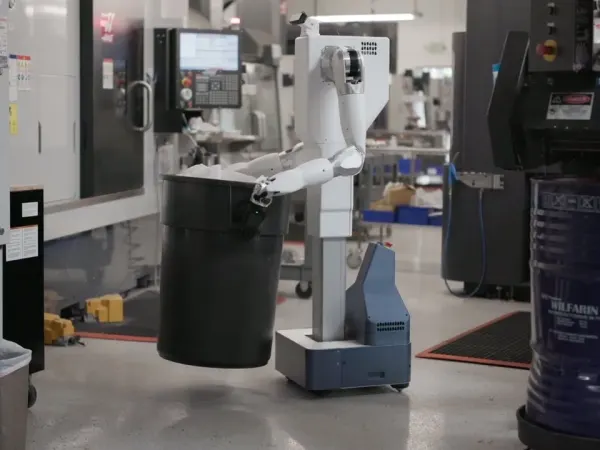
- Kitchen utensils, lab supplies, bins and light industrial parts up to the rated 1.8 kg sustained per arm
- Charging time
- 3–5 hours per pack
- Sensors
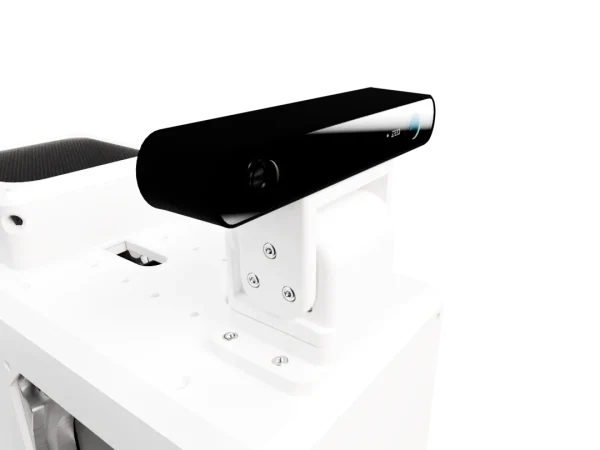
- Stereo RGB-D head camera (ZED 2i, ZED X or ZED X Mini options), optional wrist cameras on both arms, 4-microphone array (published)
What Can Feather Do?
Core operational tasks and activities demonstrated or performed by Feather.
Real-World Applications of Feather
Industries, working environments, and deployment suitability for Feather.
Feather Capabilities
Inherent physical, perceptual, and cognitive abilities built into Feather.
Image Gallery
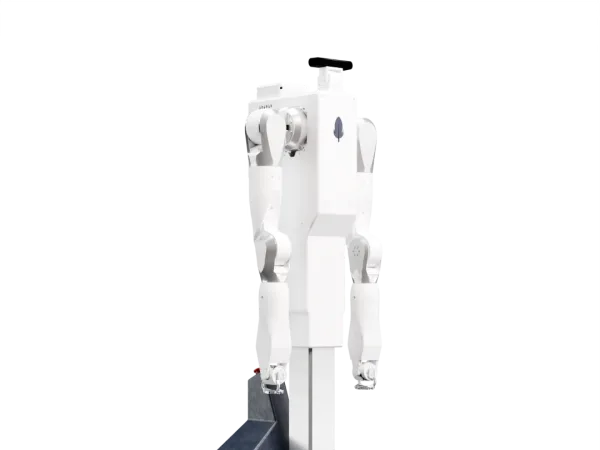
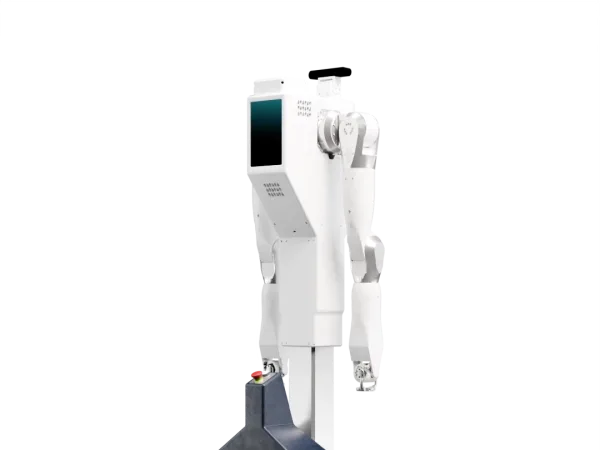
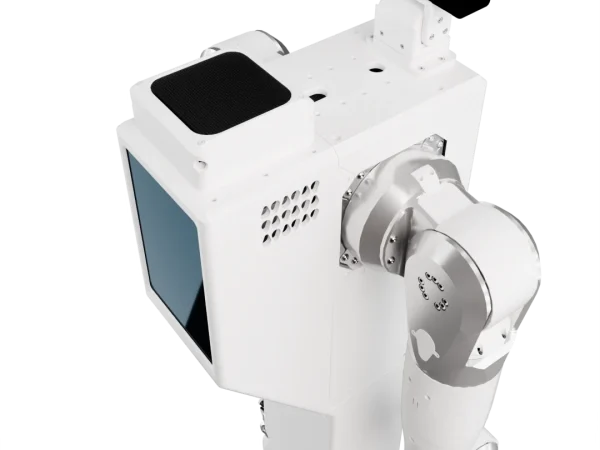
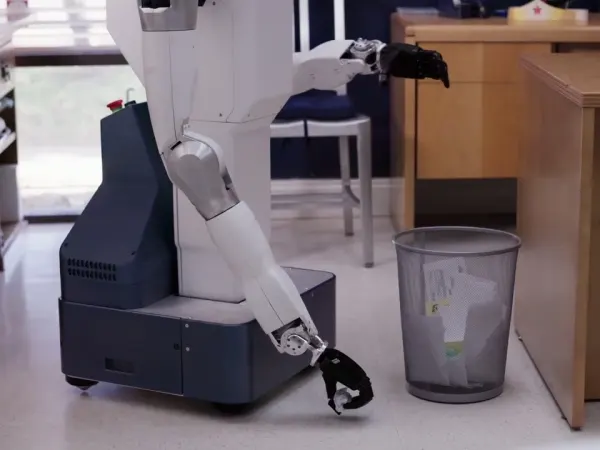
Below images are from Feather Robotics's official sources
Review Videos
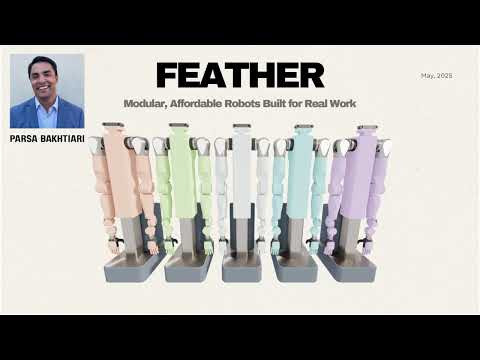
Watch expert reviews and demonstrations of this robot

Robot Specifications
ConfirmedValues marked Confirmed were checked against the manufacturer's official data; select the badge to open the source. Values without a Confirmed badge are compiled from public sources and may not be manufacturer-verified.
Not yet published by Feather Robotics: safety certifications, EMC compliance, IP rating, noise level, expected lifespan, maintenance schedule, firmware version, update method and 4 more.
Robot Timeline
Key milestones in this robot's development and rollout
Hoa Mai and Parsa Bakhtiari found Feather Robotics, backed from inception by Gradient Ventures, which leads its $7.6 million pre-seed round.
Source: TechCrunch ↗
TechCrunch reports Feather is selling its $30,000 modular humanoid platform to developers and has passed $1 million in revenue.
Source: TechCrunch ↗
Feather vs RealBot-S2, TLIBOT Y2-M, TLIBOT Y2-P and DEUX
Feather overlaps with these alternatives on Laboratory automation and Research and development; only Feather is tagged for Hospitality and Manufacturing. Feather leads this group on max speed and runtime but trails on weight.
Industries and capabilities are tags, not scores: a tick means the robot is listed for it. Green marks the best figure in a row (highest max speed and runtime; lowest weight). Ranges are not ranked.
| Spec | FeatherFeather Robotics | RealBot-S2RealMan Robotics | TLIBOT Y2-MTLIBOT | TLIBOT Y2-PTLIBOT | DEUXXYZ |
|---|---|---|---|---|---|
| Industries | |||||
| Laboratory automation | Yes | No | Yes | Yes | No |
| Hospitality | Yes | No | No | No | No |
| Manufacturing | Yes | No | No | No | No |
| Research and development | Yes | Yes | Yes | Yes | Yes |
| Capabilities | |||||
| Omnidirectional mobility | Yes | Yes | No | No | Yes |
| Remote control (teleoperation) | Yes | Yes | No | No | Yes |
| Swappable batteries | Yes | No | No | No | No |
| Object manipulation | Yes | No | No | No | No |
| Max Speed | 1.3 m/s | 0.1–1.5 m/s | 1.2 m/s | 1.2 m/s | — |
| Runtime | 10 h | 6 h | 8 h | 8 h | — |
| Weight | 105 kg | 125 kg | 95 kg | 95 kg | — |
| Released | 2026 | 2026 | 2026 | 2026 | 2026 |
Notes such as conditions or alternate figures are left out and values are shown in common units; open each page for the full specs. Browse all Humanoid Robots
Feather Also Mentioned in Below Articles
Find out how this model stacks up against the world's best robots
More Humanoid Robots
Discover more robots in the same category


Robots From Other Categories
Discover complementary robots from different categories that work well together

Frequently Asked Questions
Get answers to common questions about this robot
Q1. What is Feather, and what problem is it designed to solve?
Feather is an open, modular, wheeled humanoid platform from Feather Robotics. It gives developers of physical-AI models a ready-made, affordable body so they can deploy their software in the real world instead of spending a long time building hardware.
Q2. What are the main capabilities and key features of Feather?
It has two long arms on a torso that moves up and down, a base that can drive in any direction without turning, hot-swappable batteries, built-in teleoperation and an open SDK. Its end effectors, cameras and compute can be swapped, and it can run models from several leading robotics AI providers.
Q3. Who is Feather built for, and which industries can benefit from it?
It is built for physical-AI companies, manufacturing integrators and researchers who want to build and sell applications. Its makers say robots are already working as restaurant cooks and cleaning science laboratories.
Q4. Is Feather a commercial product or still a research prototype?
It is a commercial product. Feather Robotics says it has sold robots for more than a year and is preparing a bigger launch, and it lists Feather as shipping now.
Q5. Is Feather currently available for purchase, and when is it expected to ship?
Yes. You can order it directly from Feather Robotics, with a limited-time launch price and financing available. Presets range from a standard platform to a performance configuration, and fully custom builds are possible.
Q6. How does Feather actually work in real-world environments?
The robot is a body for third-party or custom AI models. The SDK handles motion planning, inverse kinematics and collision detection, teleoperation lets operators guide it or collect demonstrations, and the base and torso position the arms where the task needs them.
Q7. When was Feather announced or officially launched?
Feather Robotics was founded in 2025, began selling small quantities during a year of field testing, and was covered widely with its funding and pricing in September 2026.
Q8. How is Feather different from other robots in the same category?
Instead of building a general-purpose robot and its own AI brain, Feather focuses on being an affordable, open hardware platform, likened by its makers to Android, and prices it far below many humanoids from larger companies.
Q9. Does Feather require additional development or customization after purchase?
Usually yes. Buyers add their own AI models or applications, choose hands or grippers and compute, and integrate the robot into their workflows through the SDK.
Q10. What is the future roadmap or planned upgrades for Feather?
Feather Robotics wants to grow an ecosystem of physical-AI application companies on top of its hardware, and says it is getting ready for a larger product launch after resolving most issues found in field testing.
Rating and Reviews
Share your experience and help others decide!
Loading...
User Reviews
No user reviews. Be the first one to review!
User Comments (No Login needed)
Share your thoughts, experiences, or questions about this robot.
Comments appear after moderator review.