
GENE.01
AI ChatLast updated:
The GENE.01 by Generative Bionics is a cutting-edge bipedal humanoid robot designed for safe human collaboration, featuring distributed tactile skin with force and proximity sensors for intuitive physical interactions. Powered by AMD processors, it employs Physical AI derived from IIT's iCub, ergoCub, and iRonCub platforms, enabling learning from real environments and adaptation to industrial tasks. With human-like proportions and Italian design aesthetics, it supports bipedal locomotion on uneven terrain, dexterous manipulation via multi-fingered hands, and advanced balancing for dynamic stability. Key capabilities include natural voice interaction, wide-field vision, and modular end-effectors for manufacturing, logistics, healthcare, and hazardous operations. Emphasizing safety through force-limiting and collision avoidance, GENE.01 amplifies human potential in shared workspaces, handling repetitive or high-risk duties with precision and reliability.
Quick Overview & Key Facts
GENE.01 is a humanoid robot made by Generative Bionics in Italy, launched in 2026 and built for industrial assembly, patient assistance, and warehouse handling. Its estimated price is Prototype (Expected price $50000). Featured in “Top 7 Humanoid Robots Launched in Q3 2026 (July–September)”.
- Dimensions
- 170 x 45 x 30 cm
- Weight
- 60 kg
- Mobility
- Legged (bipedal walking)
- Top speed
- 5 km/h, 1.4 m/s
- Handles
- Tools, packages, precision instruments, people interaction
- Battery runtime
- 4 hours
- Charging time
- 3 hours
- Sensors
- RGB cameras, stereo cameras, LiDAR, ultrasonic, IMU, gyroscope, force sensors, tactile skin sensors, temperature, proximity sensors
- Operating environment
- Indoor, outdoor, both
What Can GENE.01 Do?
Core operational tasks and activities demonstrated or performed by GENE.01.
Real-World Applications of GENE.01
Industries, working environments, and deployment suitability for GENE.01.
GENE.01 Capabilities
Inherent physical, perceptual, and cognitive abilities built into GENE.01.
Image Gallery
Below images are from Generative Bionics's official sources
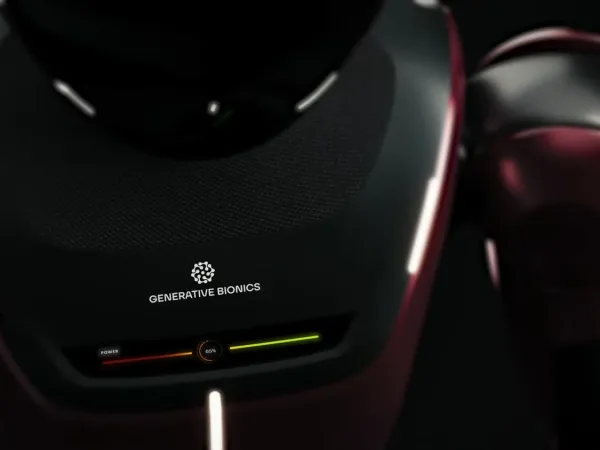
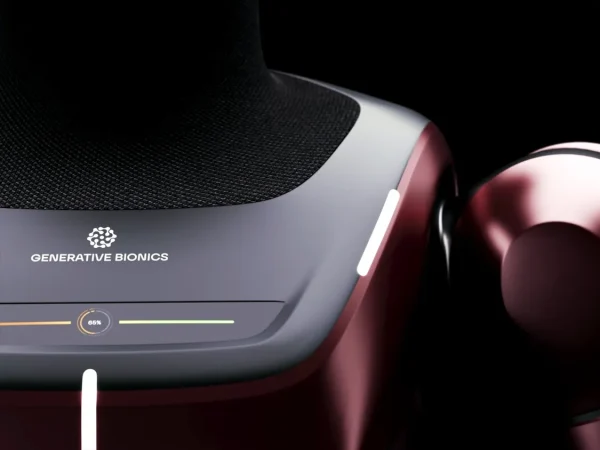


Review Videos
Watch expert reviews and demonstrations of this robot

Robot Specifications
Values without a Confirmed badge are compiled from public sources and may not be manufacturer-verified.
Not yet published by Generative Bionics: warranty terms, safety certifications, EMC compliance, IP rating, noise level, expected lifespan, maintenance schedule, firmware version and 6 more.
Robot Timeline
Key milestones in this robot's development and rollout
Generative Bionics announces the GENE.01 smart-skin humanoid at CES 2026 in Las Vegas.
Source: Humanoid Robotics Technology ↗
Generative Bionics unveils the working GENE.01, built in six months with full-body tactile sensing, and shows it in the U.S. at AMD Advancing AI on July 22-23.
Source: Robotics Tomorrow ↗
Latest News About GENE.01
Stay updated with the latest articles and developments
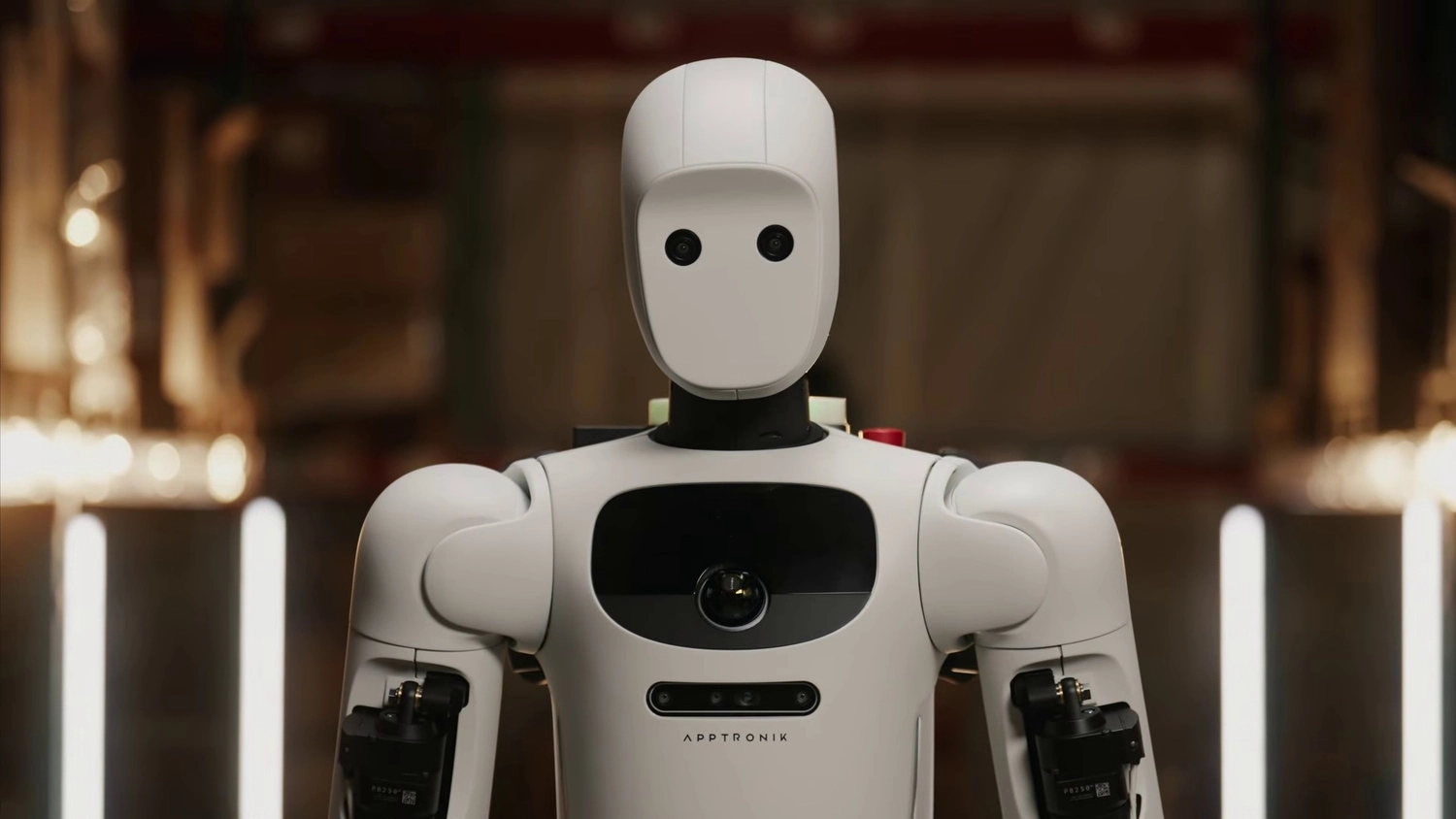
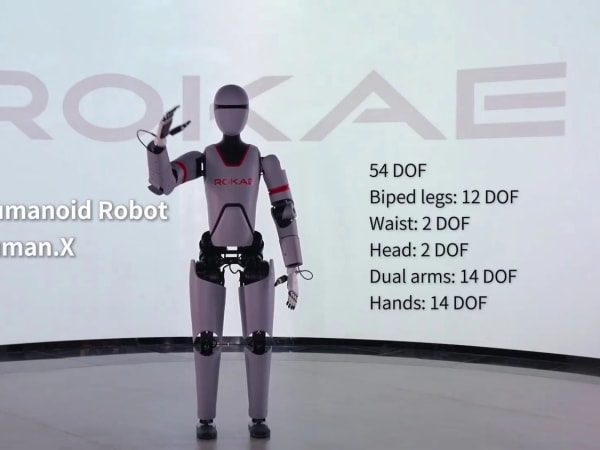
GENE.01 vs CASBOT 01, Apollo 2, Agile ONE and Human.X
GENE.01 overlaps with these alternatives on Inspection and quality control and Machine tending. GENE.01 leads this group on weight but trails on runtime.
Industries and capabilities are tags, not scores: a tick means the robot is listed for it. Green marks the best figure in a row (highest max speed and runtime; lowest weight). Ranges are not ranked.
| Spec | GENE.01Generative Bionics | CASBOT 01CASBOT | Apollo 2Apptronik | Agile ONEAgile Robots | Human.XROKAE |
|---|---|---|---|---|---|
| Industries | |||||
| Inspection and quality control | Yes | No | Yes | Yes | No |
| Machine tending | Yes | No | Yes | Yes | Yes |
| Material handling | Yes | No | Yes | Yes | No |
| Research and development | Yes | Yes | Yes | No | Yes |
| Capabilities | |||||
| Human-environment interaction | Yes | No | Yes | Yes | No |
| Adaptation | Yes | Yes | Yes | Yes | Yes |
| Autonomous task execution | Yes | Yes | Yes | Yes | Yes |
| Balance and stability | Yes | Yes | Yes | Yes | Yes |
| Max Speed | 1.39 m/s | 1.39 m/s | 1.5 m/s | 2 m/s | 0.5 m/s |
| Runtime | 4 h | 4 h | 4 h | 3–5 h | 6 h |
| Weight | 60 kg | 60 kg | 73 kg | 69 kg | 75 kg |
| Released | 2026 | 2024 | 2026 | 2025 | 2025 |
Notes such as conditions or alternate figures are left out and values are shown in common units; open each page for the full specs. Browse all Humanoid Robots
GENE.01 Also Mentioned in Below Articles
Find out how this model stacks up against the world's best robots
More Humanoid Robots
Discover more robots in the same category



Robots From Other Categories
Discover complementary robots from different categories that work well together


Frequently Asked Questions
Get answers to common questions about this robot
Q1. What is GENE.01, and what problem is it designed to solve?
GENE.01 is a humanoid robot concept by Generative Bionics, featuring tactile skin with sensors for safe physical interactions. According to the company, it addresses challenges in human-robot collaboration for repetitive or hazardous tasks in industrial settings.
Q2. What are the main capabilities and key features of GENE.01?
GENE.01 incorporates a distributed network of tactile and force sensors across its surface, enabling perception through touch and pressure. It uses AMD processors to handle data from sensors and cameras for real-time responses in dynamic environments.
Q3. Who is GENE.01 built for, and which industries can benefit from it?
Generative Bionics targets GENE.01 at industrial users for tasks in manufacturing, logistics, healthcare, and retail. The company states it supports human workers in high-intensity or unsafe operations.
Q4. Is GENE.01 a commercial product or still a research prototype?
GENE.01 remains a prototype concept as unveiled at CES 2026. Generative Bionics describes it as the foundation for future commercial humanoid developments.
Q5. Is GENE.01 currently available for purchase, and when is it expected to ship?
As of 2026, GENE.01 is not available for purchase. The company announced plans for a commercial version in Q4 2026.
Q6. How does GENE.01 actually work in real-world environments?
GENE.01 processes sensory data from its tactile skin and cameras via onboard AMD computing to detect interactions like touches or collisions. According to Generative Bionics, this enables safer operation alongside humans in production settings.
Q7. When was GENE.01 announced or officially launched?
Generative Bionics unveiled the GENE.01 prototype at CES 2026 during an AMD keynote. It marked the company's first public humanoid robot demonstration.
Q8. How is GENE.01 different from other robots in the same category?
GENE.01 emphasizes body-wide tactile sensing derived from IIT's iCub platform, prioritizing physical perception over vision alone. Generative Bionics positions it for human-centered industrial integration with Italian design elements.
Q9. Does GENE.01 require additional development or customization after purchase?
As a planned commercial product, GENE.01 targets application-specific adaptations via its Physical AI architecture. The company notes it builds on technologies allowing learning from real environments.
Q10. What is the future roadmap or planned upgrades for GENE.01?
Generative Bionics plans to evolve GENE.01 into production-ready humanoids, expanding from the CES prototype. The company aims to enhance reliability for broader industrial and collaborative uses.
Rating and Reviews
Share your experience and help others decide!
Loading...
User Reviews
No user reviews. Be the first one to review!
User Comments (No Login needed)
Share your thoughts, experiences, or questions about this robot.
Comments appear after moderator review.