
Keepon
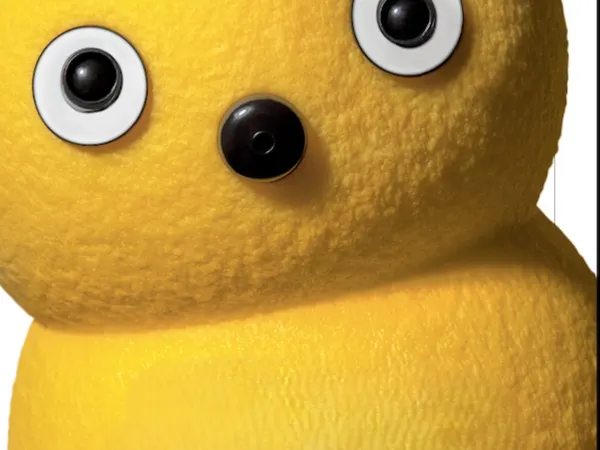
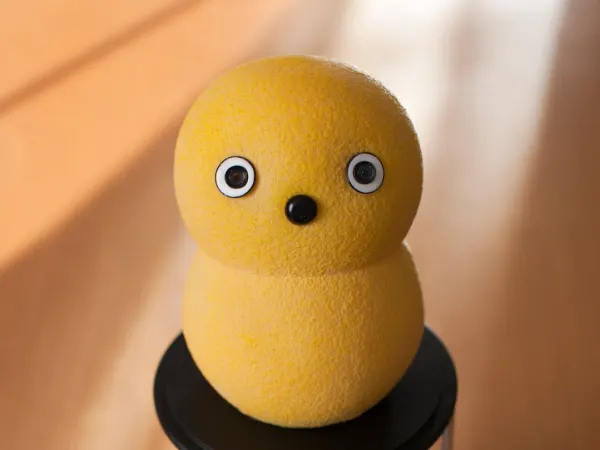
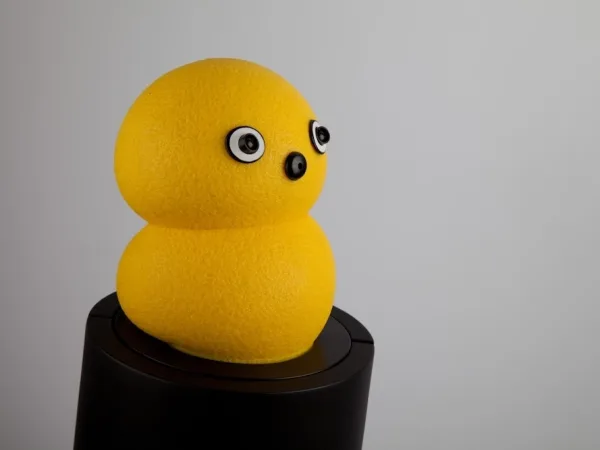
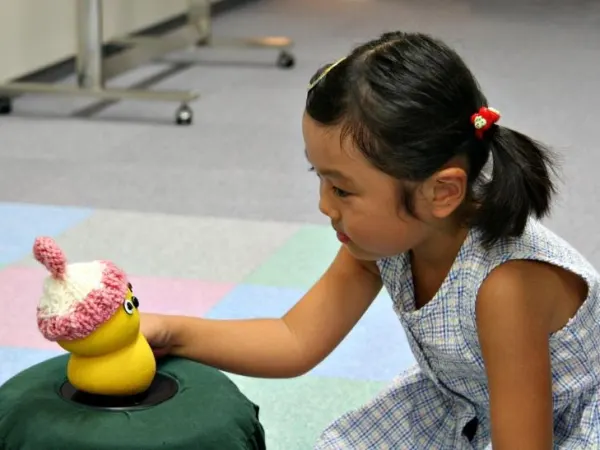
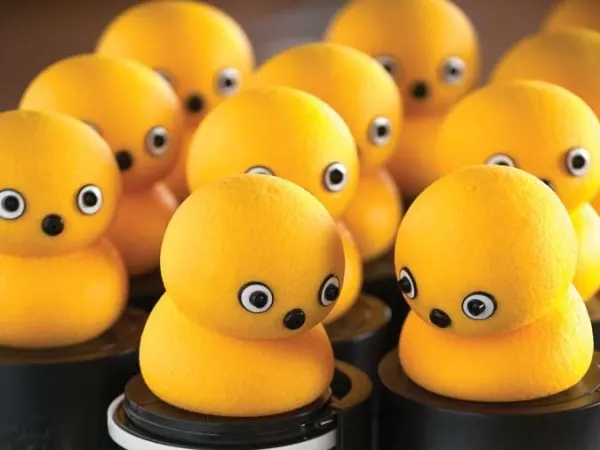
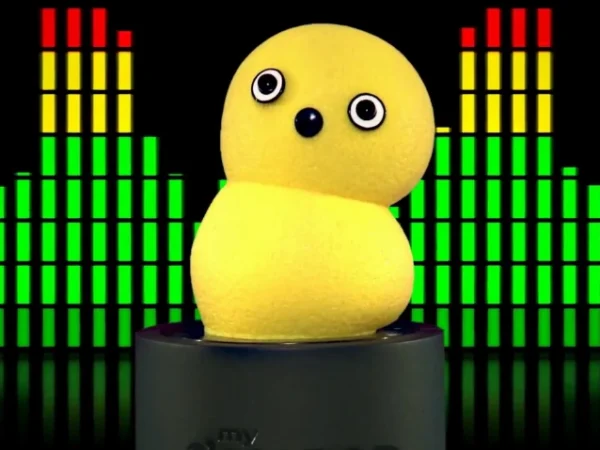
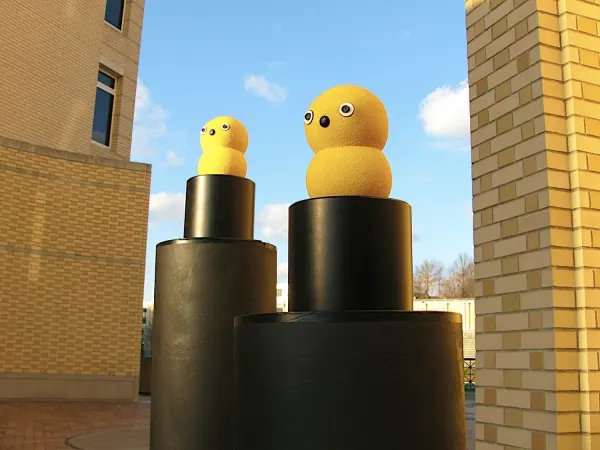
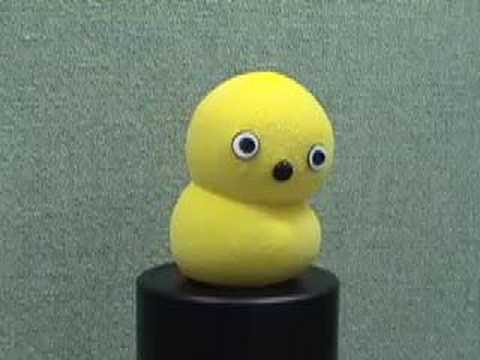
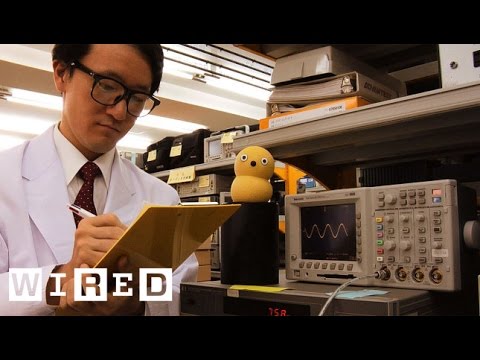
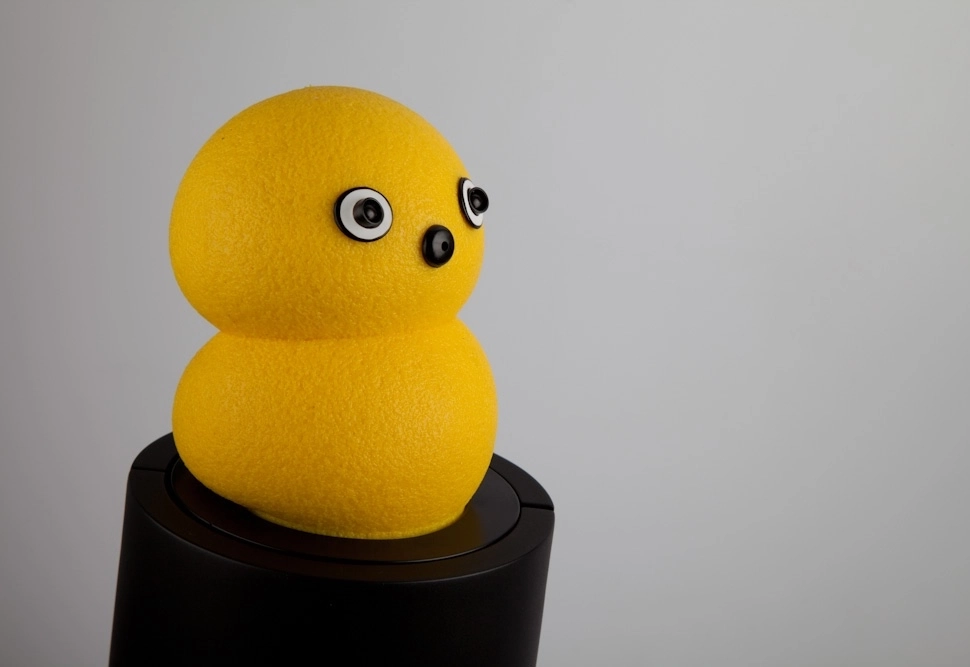
Keepon Pro is a social and entertainment robot designed for research on child-robot interaction, particularly aiding children with developmental disorders like autism. Therapists teleoperate it via transmitted camera and microphone feeds to facilitate playroom engagement, using its minimal, adorable design to simplify social cues and elicit positive responses. Key features include 4 degrees of freedom (pan ±180°, tilt ±40°, lean ±25°, bounce 15mm), eye cameras, nose microphone, touch sensors, soft rubber skin for safe tactile interaction, and rhythmic synchronization for dancing to music or human movements. Use cases span autism therapy, social development studies, and entertainment like music videos, promoting interactional synchrony through expressive, lifelike motions.
Quick Overview & Key Facts
Keepon is a miscellaneous system developed by BeatBots in China and launched in 2003. Starting price is estimated at USD 30,000 (Keepon Pro research model). It is currently ranked #46 in most-viewed miscellaneous robots on Origin of Bots. It supports None (interaction-focused, no carrying capacity). Operating battery runtime is rated at Continuous (AC-powered Pro); 4-6 hours (My Keepon). Primary applications include Autism therapy interaction, child social development research, music rhythm synchronization, entertainment dancing. Featured in editorial articles including “BeatBots Revives Keepon with Enhanced Eye Cameras for Therapy Trials”.
Image Gallery
Below images are from BeatBots's official sources

Review Videos
Watch expert reviews and demonstrations of this robot
Robot Specifications
Latest News About Keepon
Stay updated with the latest articles and developments
More Robots from BeatBots
Explore other robots from this manufacturer

RoboTurtle
Manufactured by BeatBots
The RoboTurtle is an amphibious underwater robot designed for environmental conservation, ecological research, and disaster response in aquatic ecosystems. Mimicking sea turtle movements with bionic multi-jointed flapping legs, it navigates water and land with minimal disturbance to wildlife, enabling non-invasive monitoring of water quality, endangered species, contamination, oil spills, and biometric conditions. Equipped with high-efficiency solar panels on its shell for extended autonomous operation, AI-powered cameras for real-time obstacle avoidance and tracking, and advanced buoyancy systems for handling currents and rugged terrains, it supports marine biologists, NGOs, and researchers in remote areas. It collects data silently across oceans, ponds, and pools, reducing human risk and carbon footprint while integrating with self-docking charging stations for seamless land-water transitions.
More Robots
Discover more robots in the same category


Robots From Other Categories
Discover complementary robots from different categories that work well together

Frequently Asked Questions
Get answers to common questions about this robot
Q1. What is Keepon, and what problem is it designed to solve?
Keepon is a small expressive robot developed by Hideki Kozima for human-robot interaction research. It addresses challenges in nonverbal communication with children, particularly those with autism, by using simple attentive and emotive actions without overwhelming complexity.
Q2. What are the main capabilities and key features of Keepon?
Keepon features pan, tilt, lean, and bounce movements driven by motors, with cameras in the eyes and a microphone in the nose for perceiving sounds and visuals. It performs attentive actions like orienting toward targets and emotive actions like rocking or bobbing to convey internal states.
Q3. Who is Keepon built for, and which industries can benefit from it?
Keepon targets researchers in human-robot interaction and developmental psychology. It benefits fields like autism therapy and child-robot studies, where its minimal design facilitates rhythmic synchrony and simple social engagement.
Q4. Is Keepon a commercial product or still a research prototype?
Keepon originated as a research platform in 2003, with a professional version for labs and a consumer toy variant called My Keepon. The professional model remains associated with academic and experimental use.
Q5. Is Keepon currently available for purchase, and when is it expected to ship?
My Keepon was available as a consumer toy around 2007 at a launch price of $40, while the Pro version was priced at $30,000 for research. As of 2026, availability depends on secondary markets or institutional suppliers.
Q6. How does Keepon actually work in real-world environments?
Keepon operates via touch and audio detection in modes like touch response or dance, synchronizing movements to beats or human rhythms. It uses onboard processing for basic behaviors in playroom or therapy settings.
Q7. When was Keepon announced or officially launched?
Keepon was developed and introduced in 2003 by Hideki Kozima at Tohoku University as part of human-robot interaction studies. My Keepon launched as a toy version around 2007.
Q8. How is Keepon different from other robots in the same category?
Unlike more anthropomorphic robots like Infanoid, Keepon uses a minimal snowman-like design with elastic silicone skin and four degrees of freedom. This simplifies interactions, focusing on rhythmic intelligence and nonverbal expressiveness.
Q9. Does Keepon require additional development or customization after purchase?
The Pro version connects to external computers for high-level control using custom C and Max software. My Keepon supports basic modes but has been modified in research for programmability.
Q10. What is the future roadmap or planned upgrades for Keepon?
Keepon has been enhanced in academic projects for specific studies like language intonation. No active development is reported by the original team as of 2026; it serves as a platform for ongoing human-robot interaction research.
User Comments (No Login needed)
Share your thoughts, experiences, or questions about this robot.
Comments are reviewed before posting.