Origin
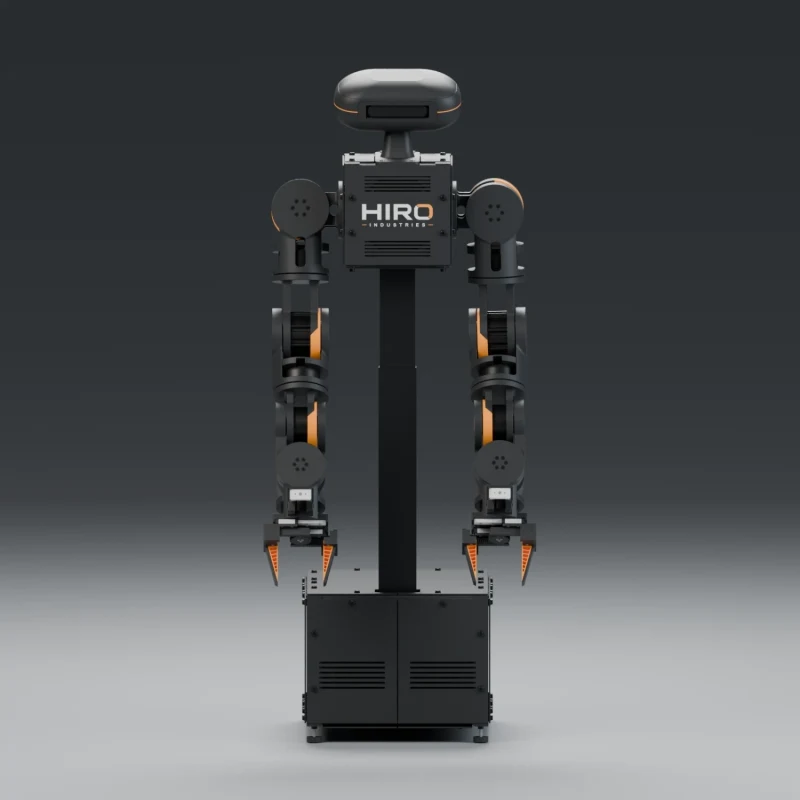
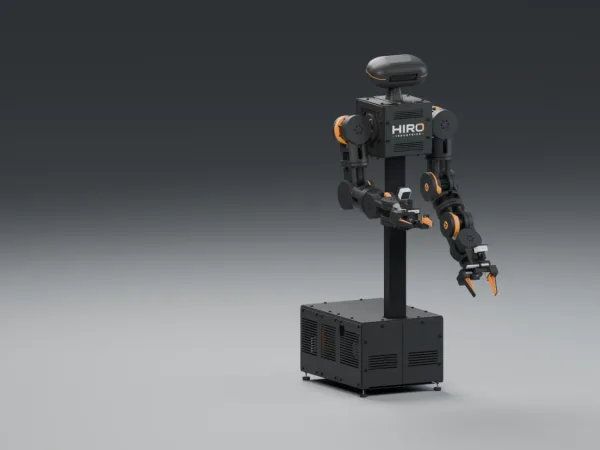
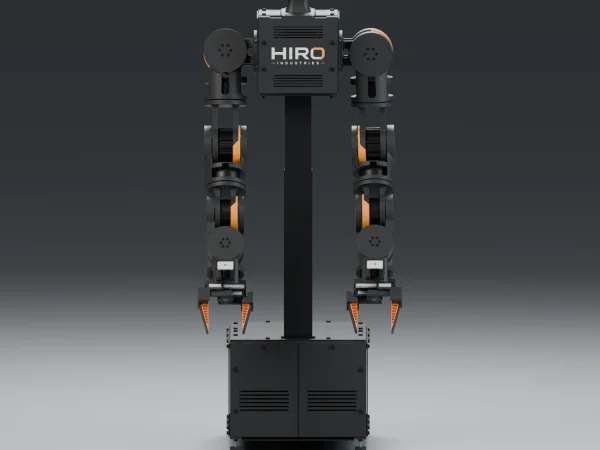
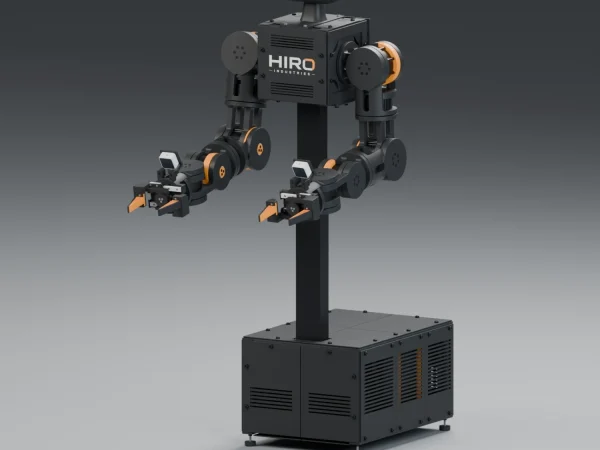
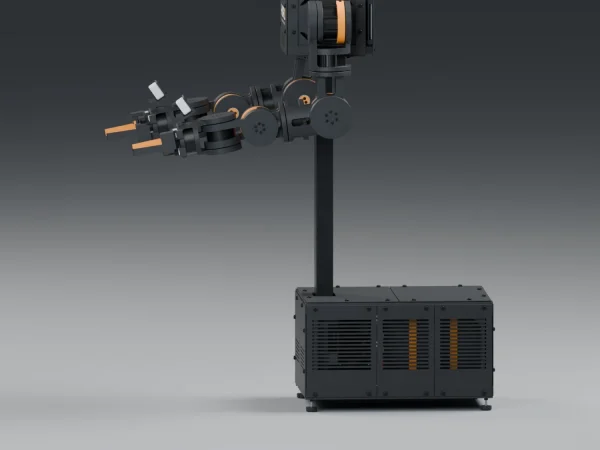
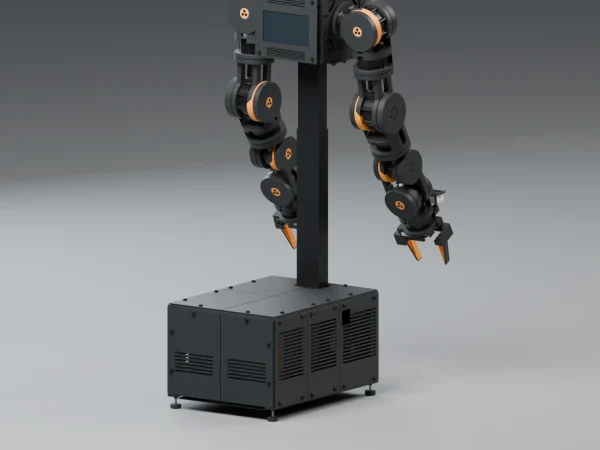
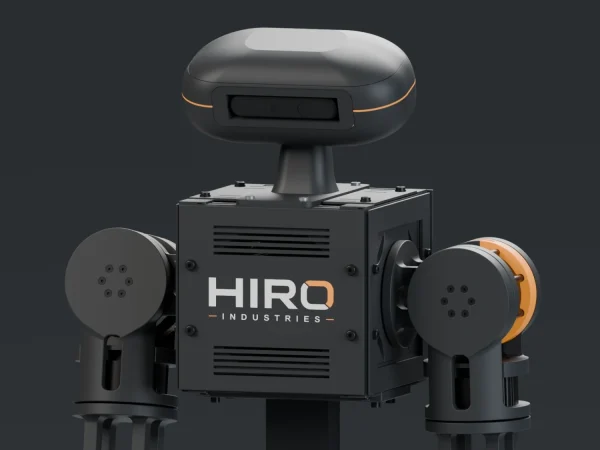
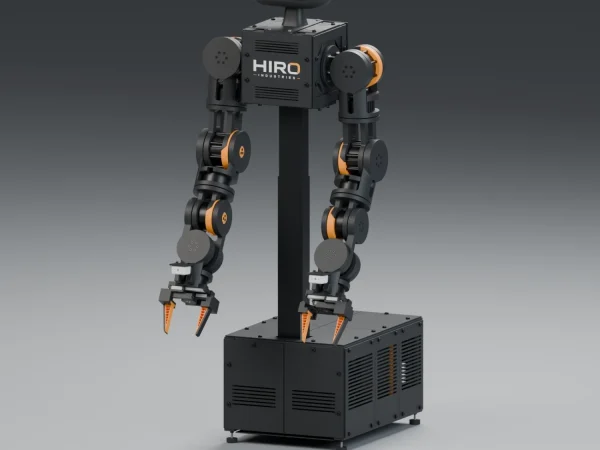
Origin is the first robot from HIRO Industries of Corvallis, Oregon: a stationary, human-scale dual-arm robot designed for human workstations. Two seven-joint arms with compliant parallel grippers, a lifting column and three RGB-D cameras (one in the head, one on each wrist) bring two hands and a view of the work to a shared workspace, giving it 17 degrees of freedom in total. HIRO is developing it around packing, kitting and light assembly, and invites manufacturers to start with a single task through an early design partnership. It is not yet a finished product, and HIRO has not published a price, size, weight or payload.
Quick Overview & Key Facts
Origin is a humanoid system developed by HIRO Industries in United States and launched in 2026. Starting price is estimated at USD25,000 – USD60,000. It is currently ranked #323 in most-viewed humanoid robots on Origin of Bots. It supports Small to medium parts, finished products, accessories and cartons. Operating battery runtime is rated at Continuous operation on mains power. Primary applications include Packing (from finished product to packed box, starting with one pack-out operation), kitting (assembling sets of components) and light assembly (repeatable handling and assembly operations).
What Can Origin Do?
Core operational tasks and activities demonstrated or performed by Origin.
Real-World Applications of Origin
Industries, working environments, and deployment suitability for Origin.
Origin Capabilities
Inherent physical, perceptual, and cognitive abilities built into Origin.
Download Media Cards
Story CardExport high-resolution story cards summarizing Origin's operational tasks, real-world applications, and capabilities.
Image Gallery
Below images are from HIRO Industries's official sources
Robot Specifications
More Humanoid Robots
Discover more robots in the same category




Robots From Other Categories
Discover complementary robots from different categories that work well together
Frequently Asked Questions
Get answers to common questions about this robot
Q1. What is Origin, and what problem is it designed to solve?
Origin is a stationary dual-arm robot from HIRO Industries in Corvallis, Oregon. It is designed to work at the same kind of workstations people use, taking on physical tasks that call for two hands, such as packing, kitting and light assembly.
Q2. What are the main capabilities and key features of Origin?
It has two arms with seven joints each, compliant parallel grippers, a lifting column and three depth cameras, one in the head and one on each wrist. Together they give it two hands and several views of the task, and it is developed around a task rather than as a general-purpose machine.
Q3. Who is Origin built for, and which industries can benefit from it?
It is aimed at manufacturers and teams with repeatable hand work, such as packing finished products, assembling kits of components and light assembly, starting with businesses close to HIRO in Oregon.
Q4. Is Origin a commercial product or still a research prototype?
It is a product in development. HIRO calls it a starting point and is working with early design partners rather than selling a finished robot.
Q5. Is Origin currently available for purchase, and when is it expected to ship?
Not yet. HIRO has not published a price or delivery date, and interested companies can start a conversation through its partnership form.
Q6. How does Origin actually work in real-world environments?
Origin sits at a workstation, watches the task with its cameras and uses its two grippers to handle parts. HIRO works with each partner to define what a correctly completed task looks like, then measures completion quality, cycle time and how much human help the robot needs.
Q7. When was Origin announced or officially launched?
HIRO published Origin and its website in September 2026.
Q8. How is Origin different from other robots in the same category?
Most humanoids stress walking or general-purpose ability. Origin gives up mobility for a fixed, human-scale dual-arm setup that fits existing workstations, and focuses on one well-defined operation at a time.
Q9. Does Origin require additional development or customization after purchase?
Yes. HIRO expects to select the hardware, tooling and integration each task needs and to test whether a design partnership makes sense before scaling up.
Q10. What is the future roadmap or planned upgrades for Origin?
HIRO plans to earn each next step by measuring quality, useful output and human assistance before expanding scope, and describes Origin as the starting point of a broader effort to make useful physical labor more abundant.
Rating and Reviews
Share your experience and help others decide!
Loading...
User Reviews
No user reviews. Be the first one to review!
User Comments (No Login needed)
Share your thoughts, experiences, or questions about this robot.
Comments are reviewed before posting.